Understanding timelines Worksheets for 7-Year-Olds
3 filtered results
-
From - To
Explore our engaging "Understanding Timelines Worksheets for 7-Year-Olds," designed to make learning history fun and accessible! These worksheets introduce young learners to the concept of timelines, helping them understand the sequencing of events and the passage of time. With age-appropriate activities, including visual aids and interactive exercises, students will enhance their critical thinking and organization skills. Perfect for reinforcing lessons at home or in the classroom, our worksheets encourage children to connect events in chronological order, fostering a deeper appreciation for history. Explore the joy of learning with captivating resources tailored specifically for 7-year-olds!
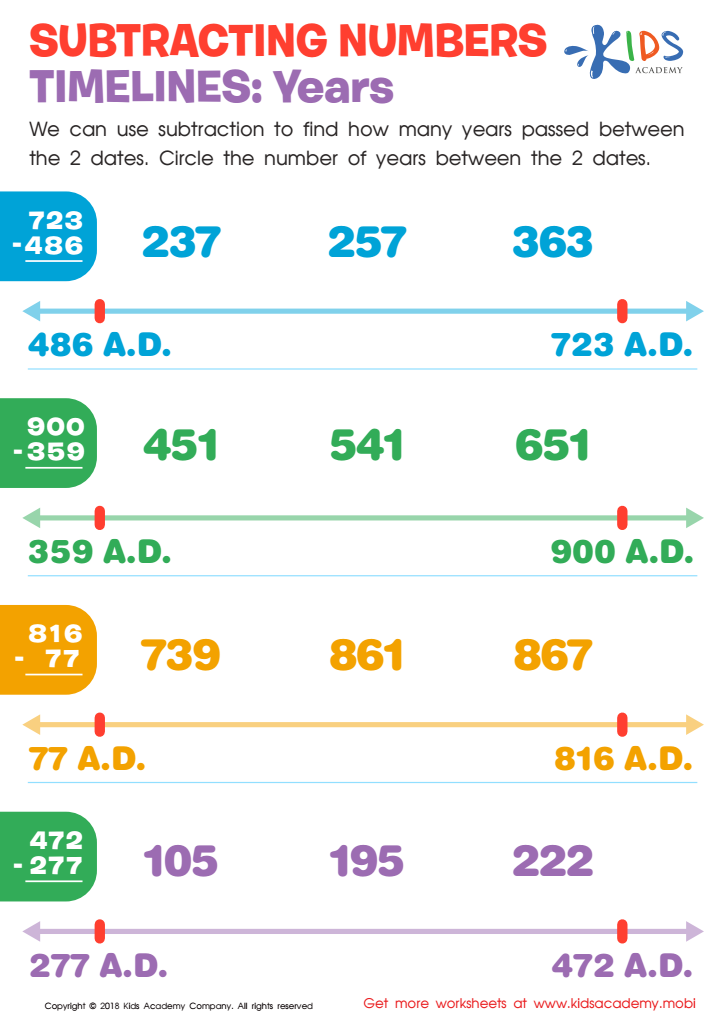
Subtracting Numbers Timelines: Years Worksheet
 Assign to My Students
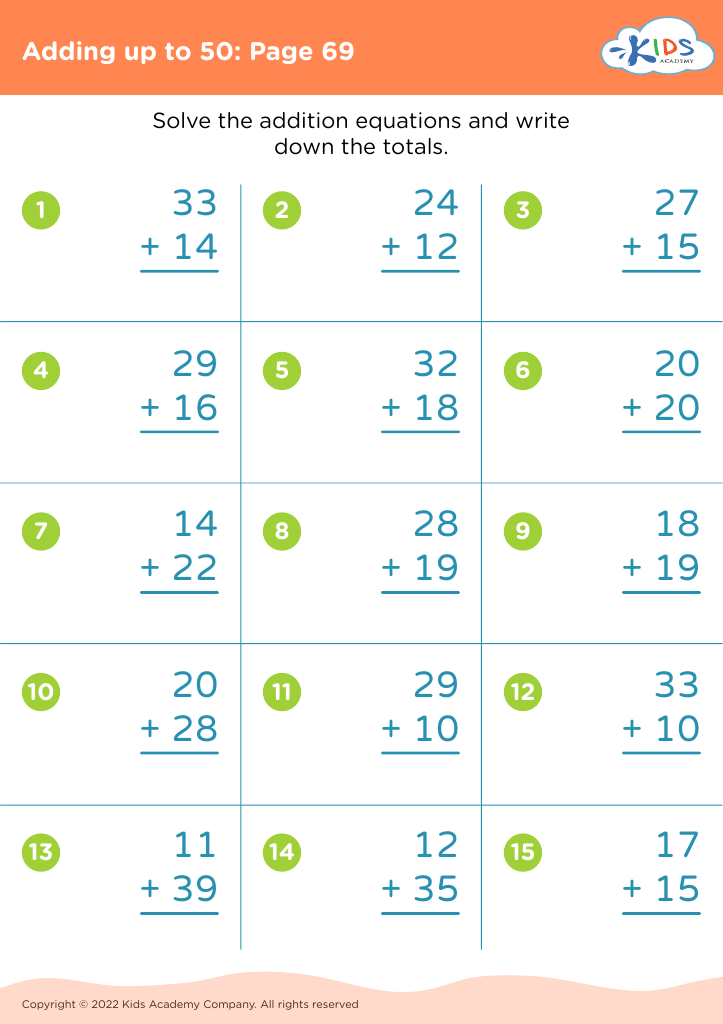
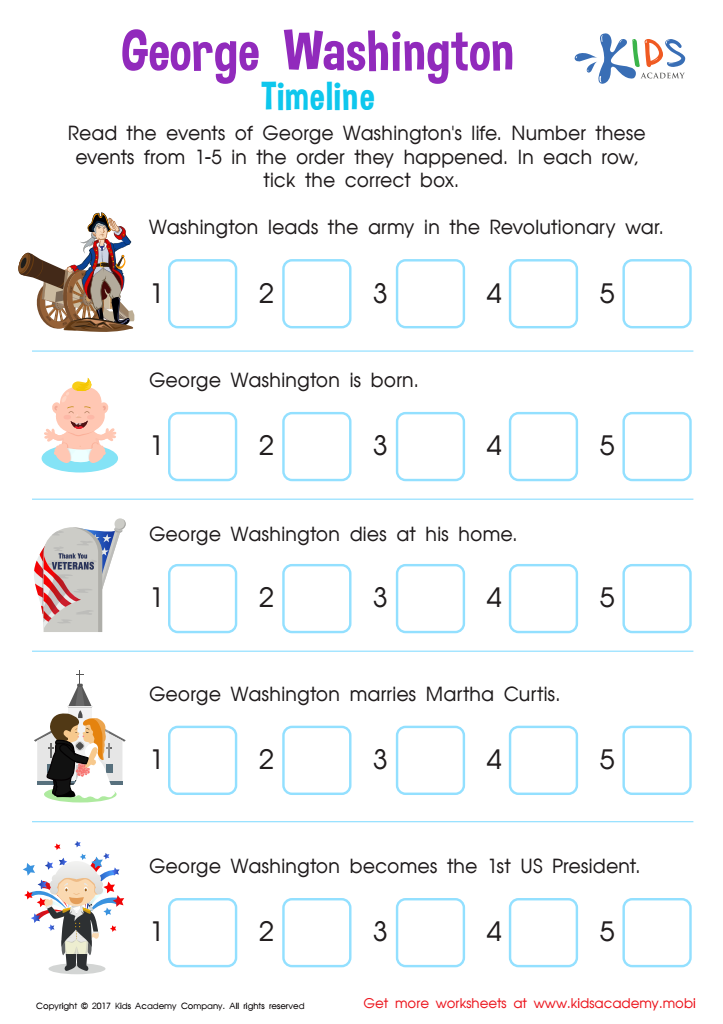
George Washington Timeline Worksheet






Understanding timelines is essential for 7-year-olds as it lays the groundwork for critical cognitive skills and enhances their ability to comprehend the world around them. At this age, children are developing a sense of time, sequencing, and causality—understanding how events are interconnected and why certain events happen before others. By learning to grasp timelines, children become adept at organizing information chronologically, which aids in subjects like history, science, and even daily routines.
Timelines also foster critical thinking and analytical skills. When children can visualize the progression of events, whether personal experiences, historical milestones, or story plots, they develop a clearer understanding of cause and effect. This can boost their reading comprehension and improve their ability to follow instructions.
Moreover, timelines nurture memory skills. When children learn to associate specific dates with important events, it reinforces their ability to store and retrieve information. For teachers and parents, integrating timelines into learning not only enriches a child’s educational experience but also provides tools for effective communication and problem-solving throughout life. Fostering these skills early helps prepare children for academic success and encourages them to explore and connect with the richness of their surroundings.








