Fraction comparison Adding up to 100 Worksheets for 7-Year-Olds
6 filtered results
-
From - To
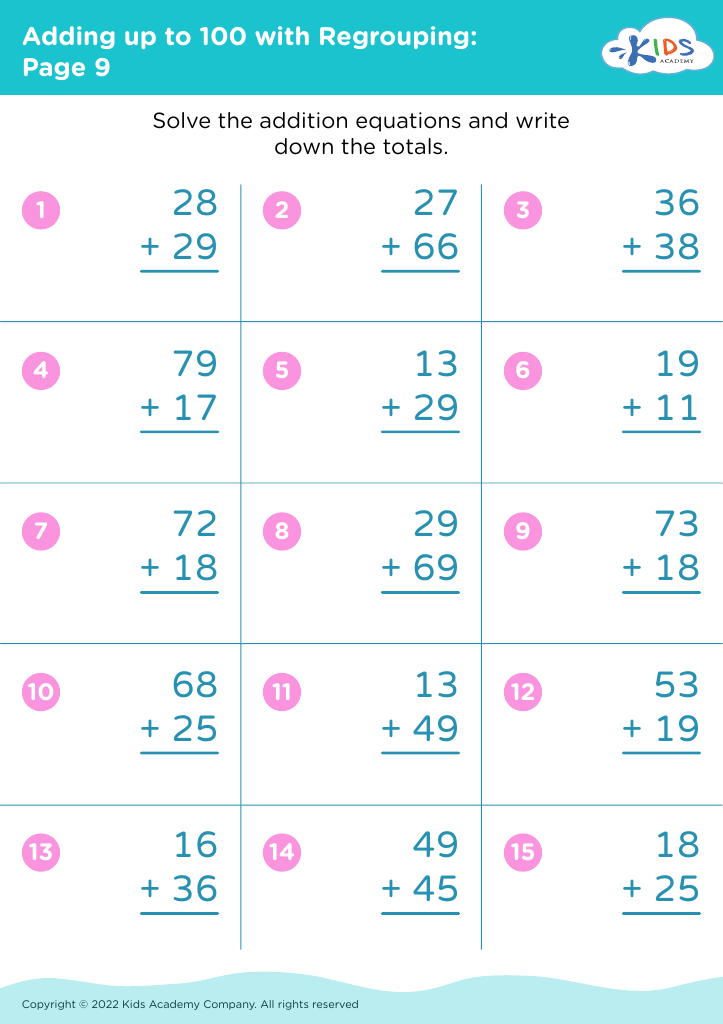
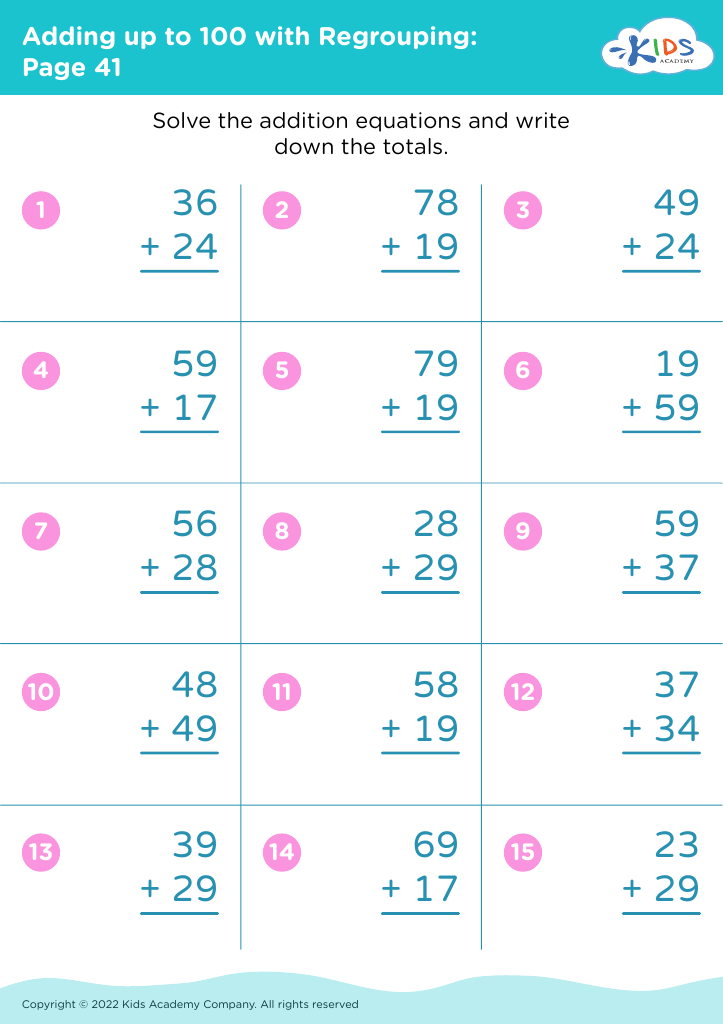
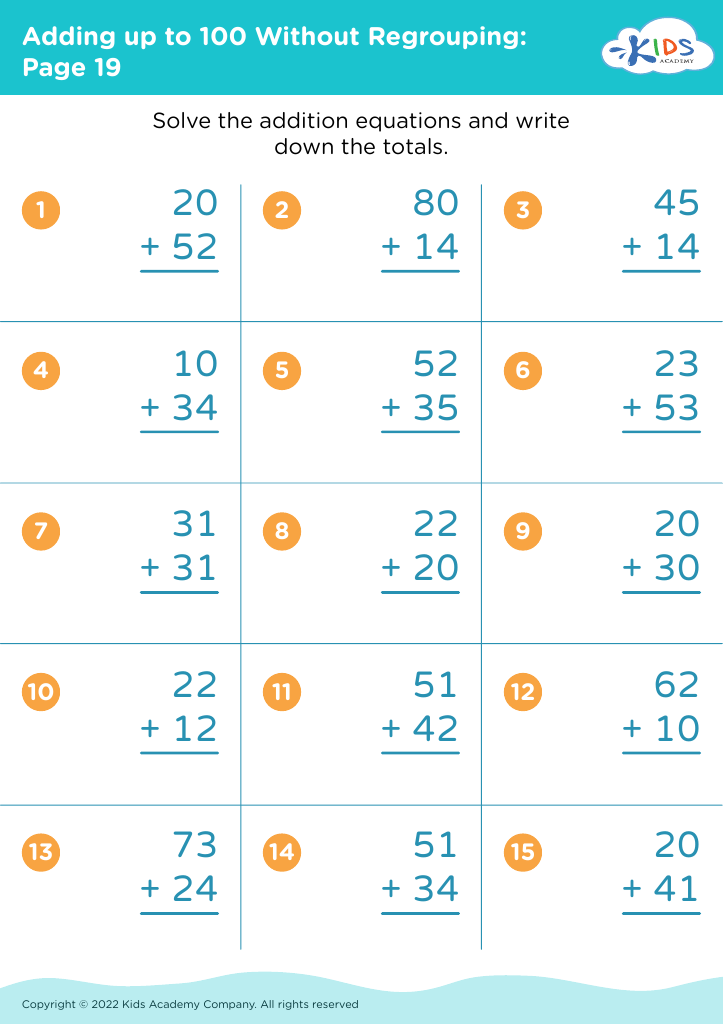
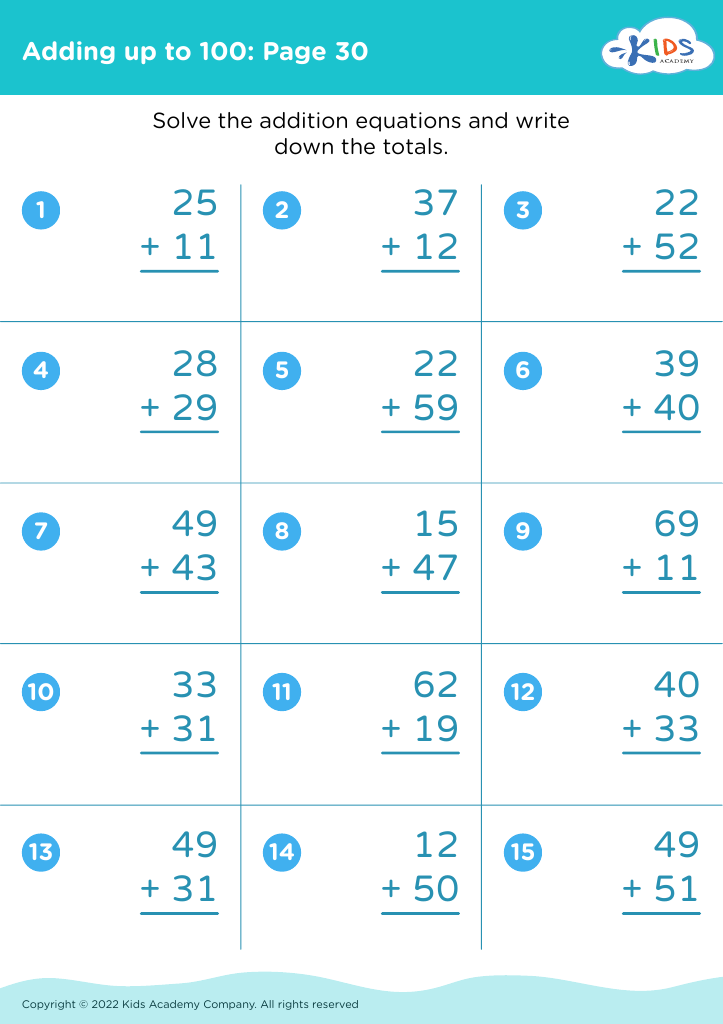
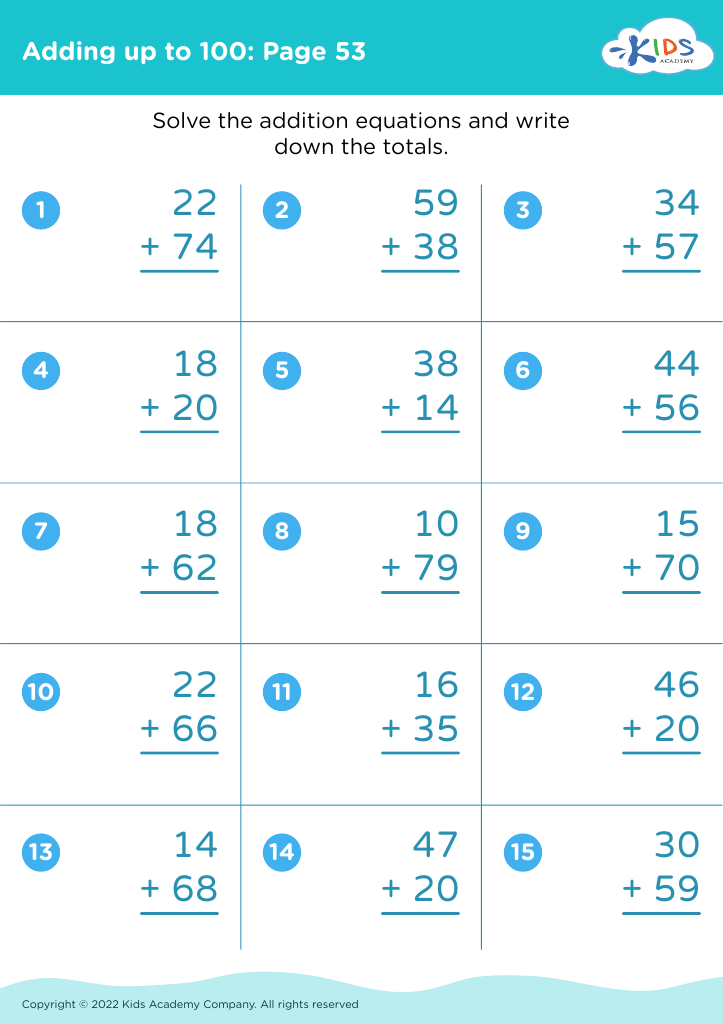
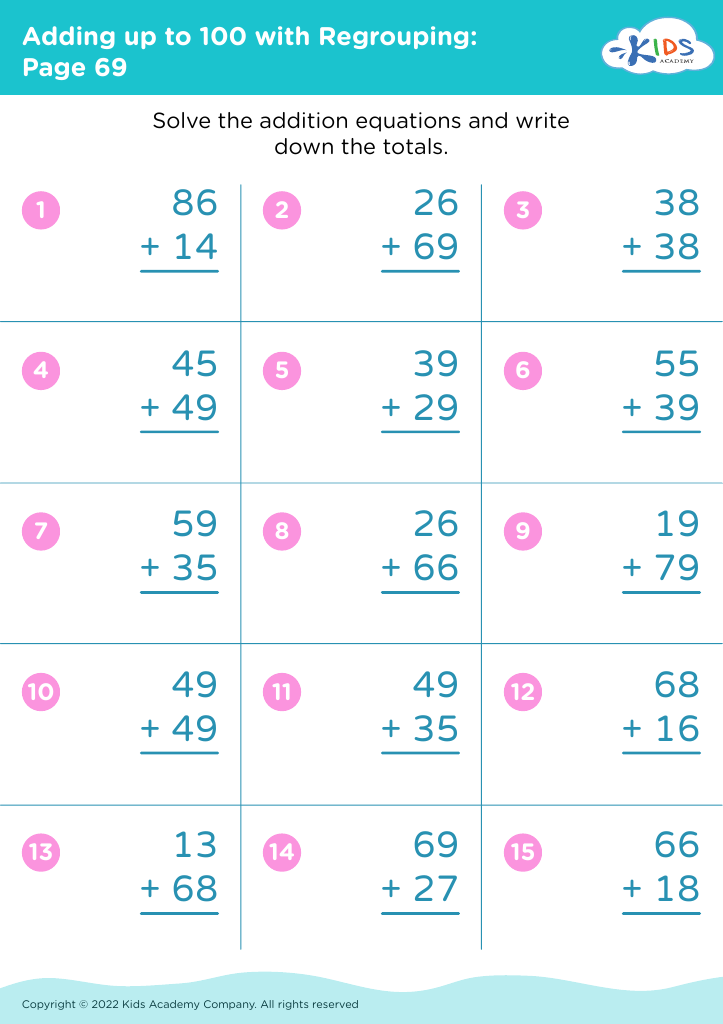
Enhance your child's mathematical skills with our engaging "Fraction Comparison Adding Up to 100" worksheets tailored for 7-year-olds. These dynamic resources are designed to introduce young learners to the concept of comparing fractions in fun and interactive ways. Each worksheet provides varied exercises that challenge students to analyze and compare fractions, reinforcing their understanding of numbers up to 100. Ideal for classroom or at-home learning, these worksheets combine visual aids and practical examples to make math enjoyable. Support your child's educational journey with these comprehensive materials that lay a solid foundation for future mathematical concepts!


%20(1).jpg)




Understanding fraction comparison and the concept of adding up to 100 is essential for 7-year-olds as these skills lay the foundation for future mathematical learning. At this age, children are developing critical thinking and reasoning skills, and grasping fractions is a significant step in their cognitive development.
Fractions serve as a bridge between whole numbers and more complex concepts, introducing young learners to parts of a whole, ratios, and proportional reasoning. Mastering how to compare fractions fosters numerical literacy, allowing children to make informed choices and solve real-life problems, such as dividing snacks or sharing toys.
Moreover, incorporating the idea of fractions that add up to 100 enables children to understand percentages in a tangible way. This skill has far-reaching implications, such as comprehending scores in games, budgeting, or even grasping basic financial concepts in future learning.
Additionally, parents and teachers should care about these topics because they encourage collaboration and discussion among peers. When children engage in conversations about fractions, they enhance their social skills and teamwork abilities. Overall, fostering a solid grasp of fraction comparison and adding up to 100 equips children with invaluable tools for their academic journey and everyday life.








