Reading analog clocks Addition & Subtraction Worksheets for 7-Year-Olds
4 filtered results
-
From - To
Enhance your child's math and time-telling skills with our engaging "Reading Analog Clocks Addition & Subtraction Worksheets" designed specifically for 7-year-olds! These worksheets combine essential addition and subtraction practice with real-life clock-reading exercises, making learning enjoyable and interactive. Children will practice calculating time intervals while reinforcing their math skills in a fun and hands-on way. Our carefully crafted activities cater to young learners, helping them understand how to read analog clocks and apply that knowledge in various math problems. With colorful illustrations and easy-to-follow instructions, these worksheets will support your child's confidence as they master time management and arithmetic. Get started today!
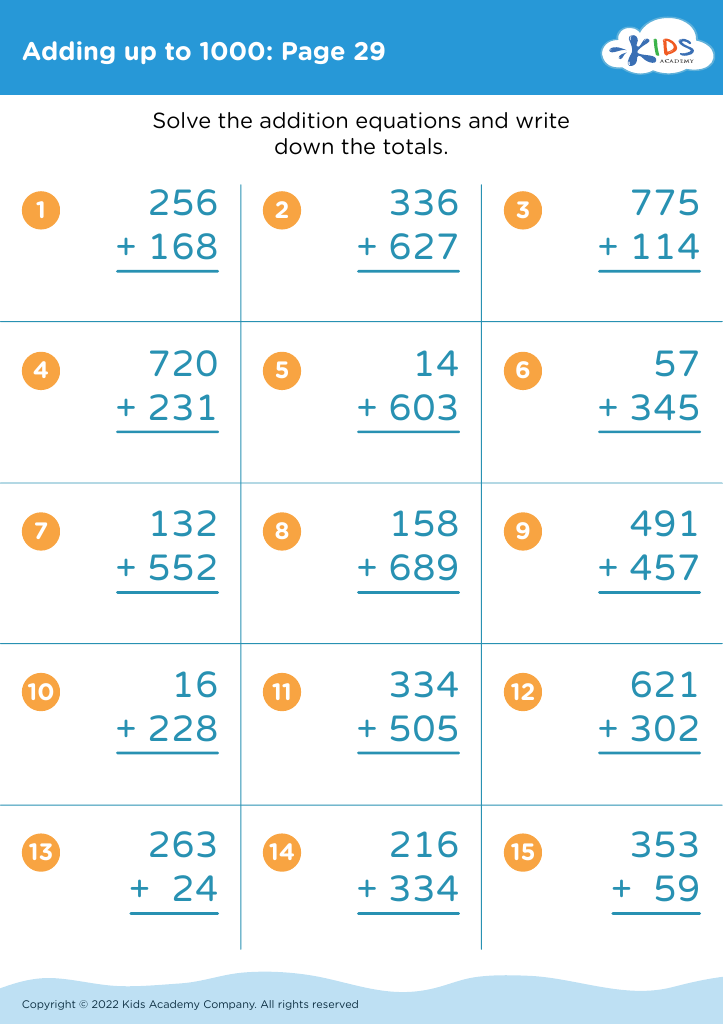
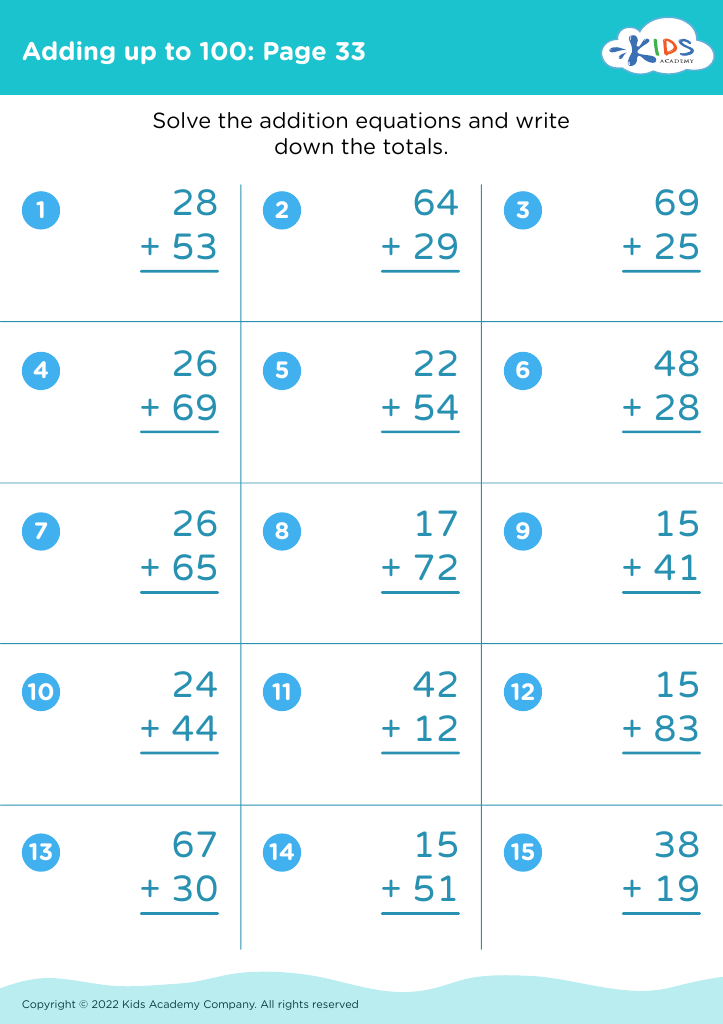
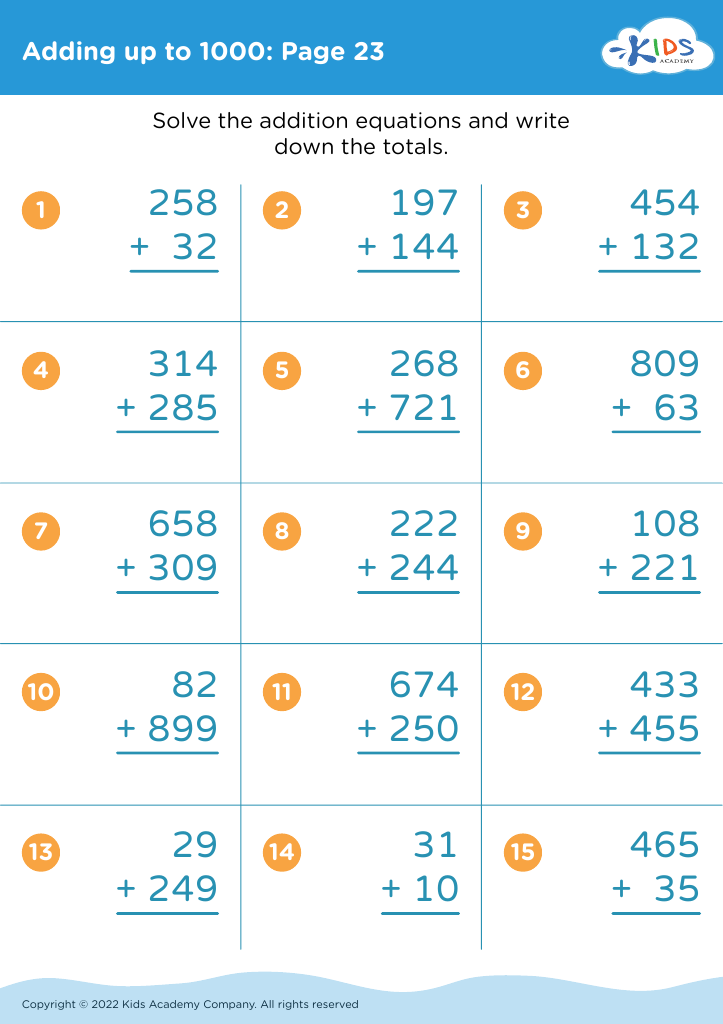
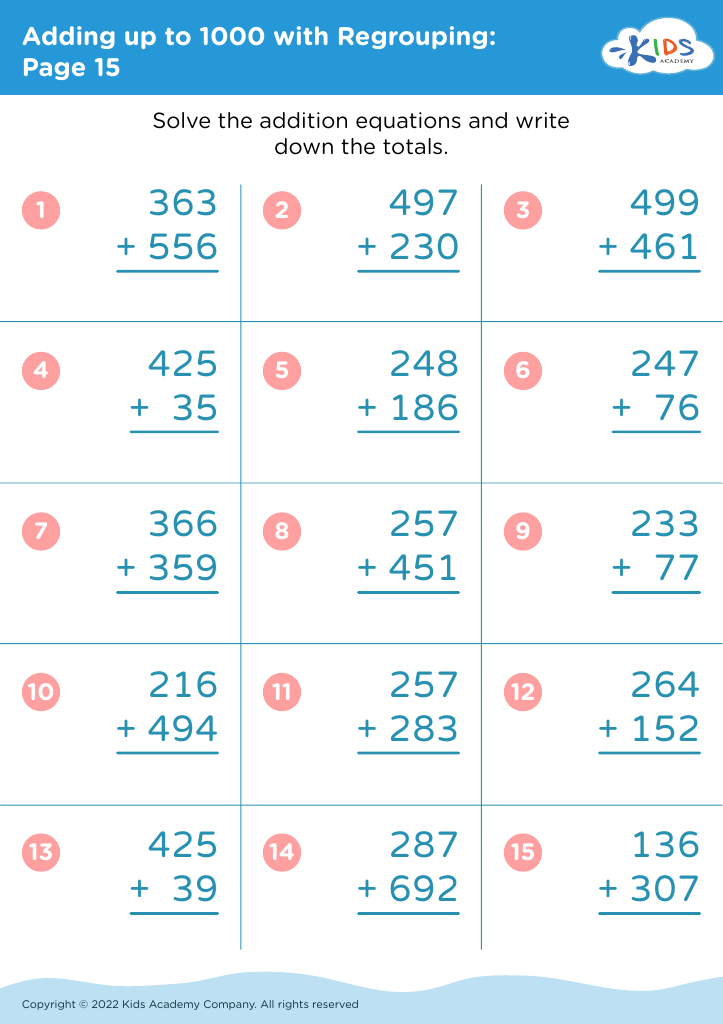








Teaching 7-year-olds to read analog clocks and understand basic addition and subtraction is crucial for their cognitive and social development. Mastering these skills fosters independence, time management, and problem-solving abilities. Reading an analog clock helps children comprehend the passage of time in a tangible way, enabling them to make decisions about their daily routines and responsibilities.
Additionally, integrating addition and subtraction with time concepts enriches their mathematical understanding. For instance, when calculating how long until an event or determining how much time has passed, children apply their arithmetic skills in real-life contexts. This connection to everyday life reinforces the relevance of math, making it more engaging and meaningful.
Moreover, these foundational skills support future complexity in subjects like math and science. Developing a grasp of time also lays the groundwork for effective communication; discussing plans relies on shared time awareness.
By fostering these skills, parents and teachers equip children with essential tools for navigating school and life, promoting overall academic success and enhancing their overall learning experience. Therefore, a strong foundation in reading analog clocks and basic math not only expands a child's knowledge but also boosts their confidence and readiness for future challenges.








