Recognize patterns Addition & Subtraction Worksheets for 7-Year-Olds
11 filtered results
-
From - To
Explore our engaging "Recognize Patterns Addition & Subtraction Worksheets" specifically designed for 7-year-olds! These interactive worksheets enhance foundational math skills by incorporating pattern recognition, empowering young learners to identify relationships between numbers. By completing these fun exercises, children will develop critical thinking skills, improve their addition and subtraction fluency, and gain confidence in their math abilities. Our user-friendly format ensures that learning remains enjoyable, promoting active participation. Whether at home or in the classroom, these worksheets are a fantastic resource for parents and teachers looking to support their child's mathematical journey. Unlock the joy of learning with these creative worksheets today!
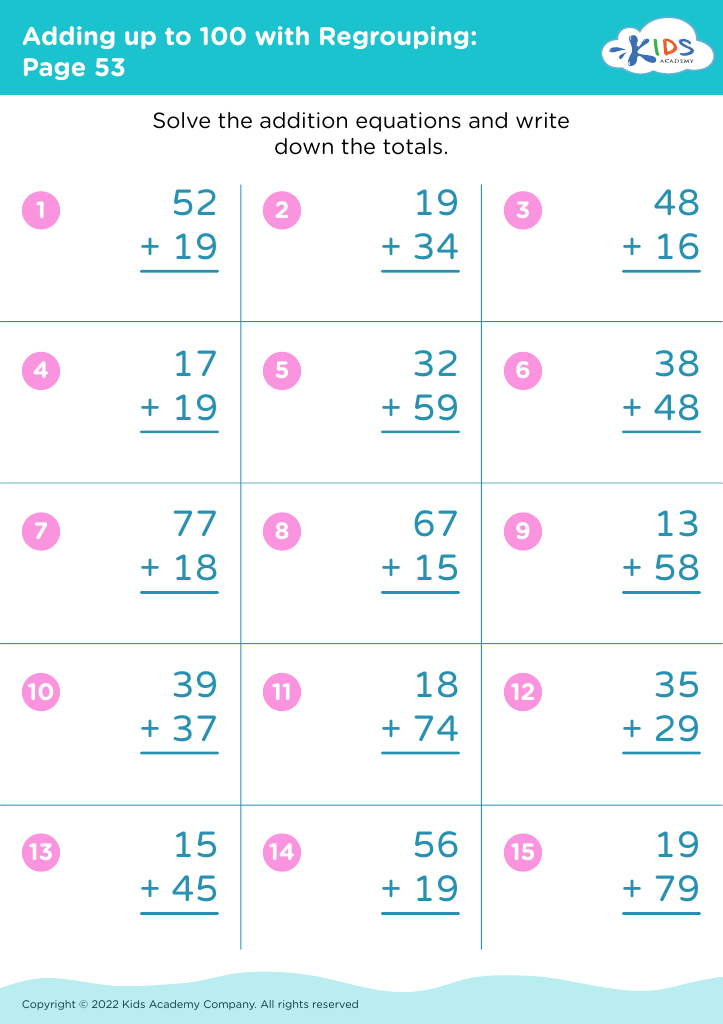
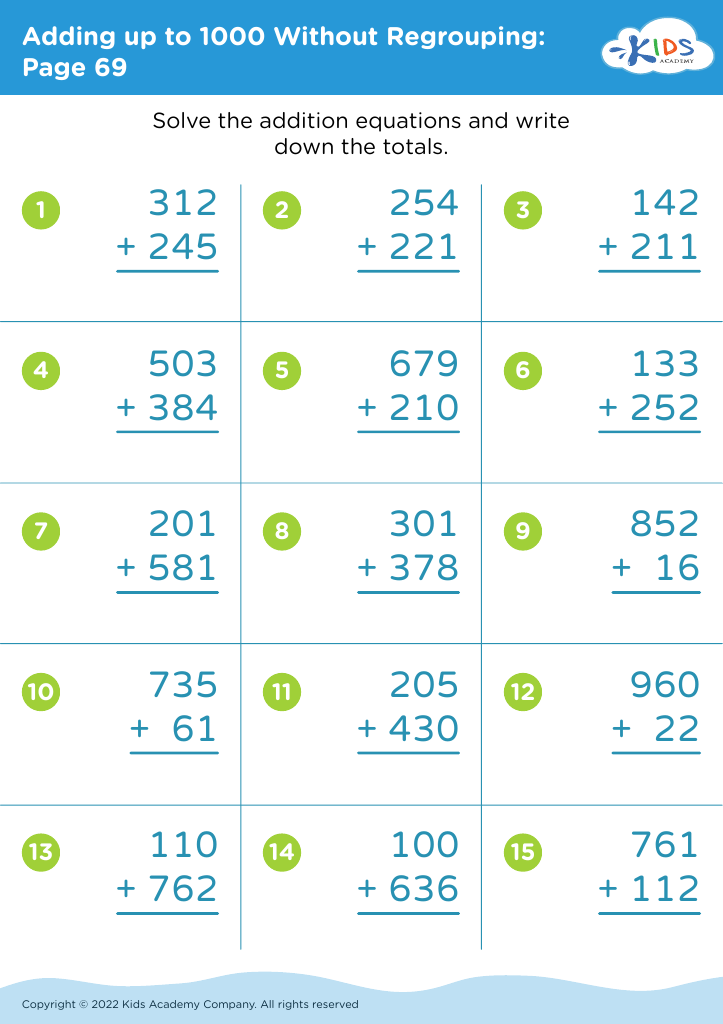
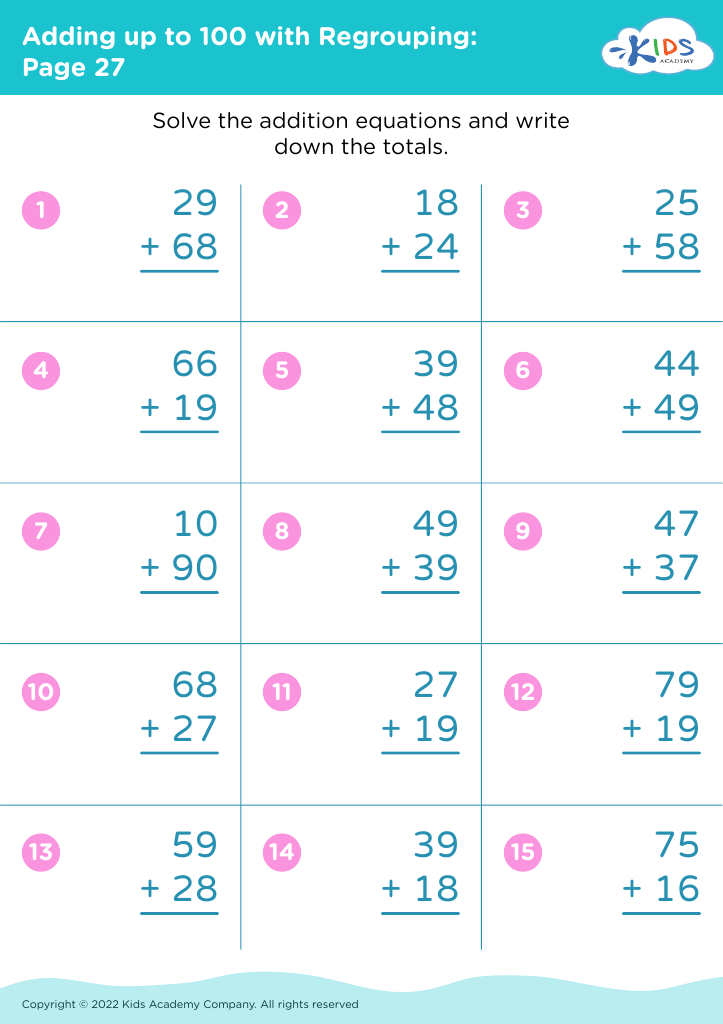
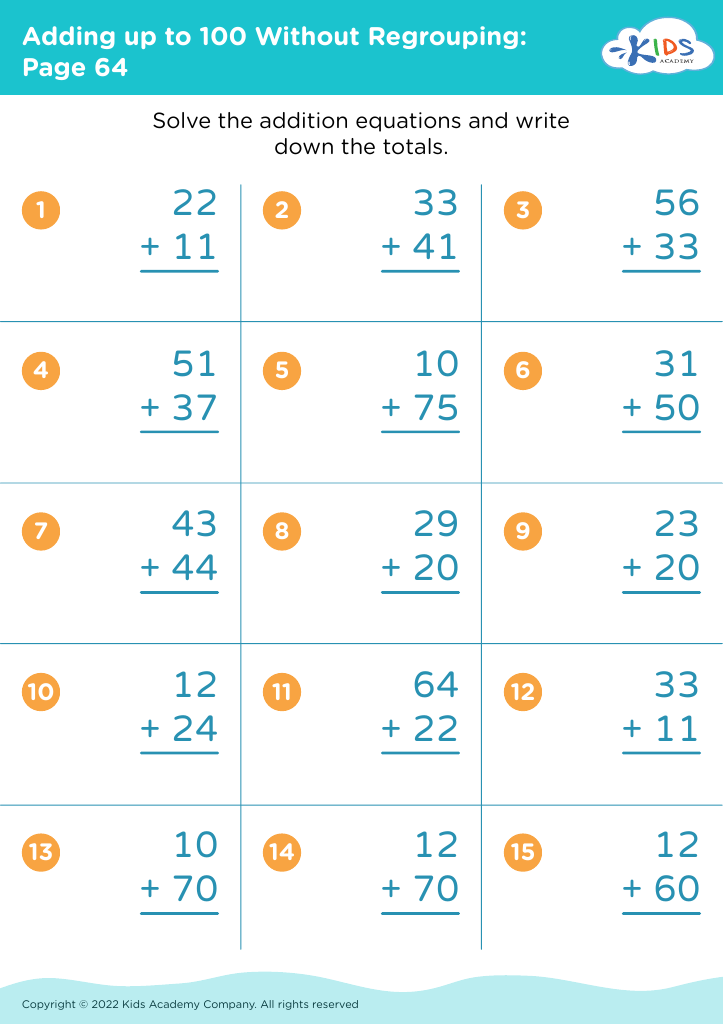
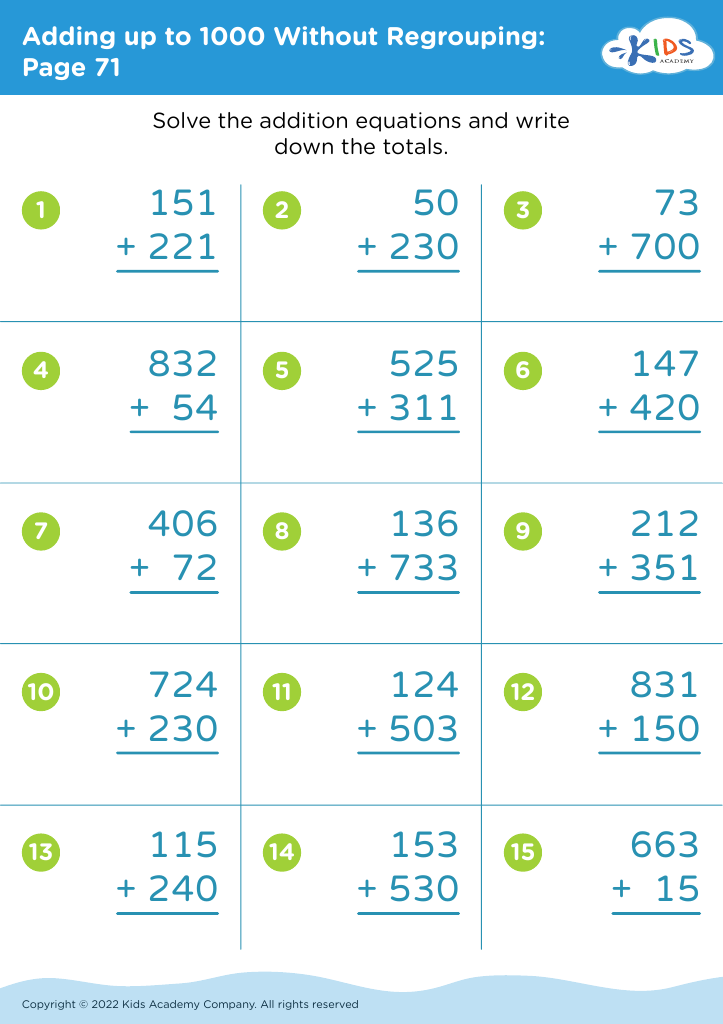
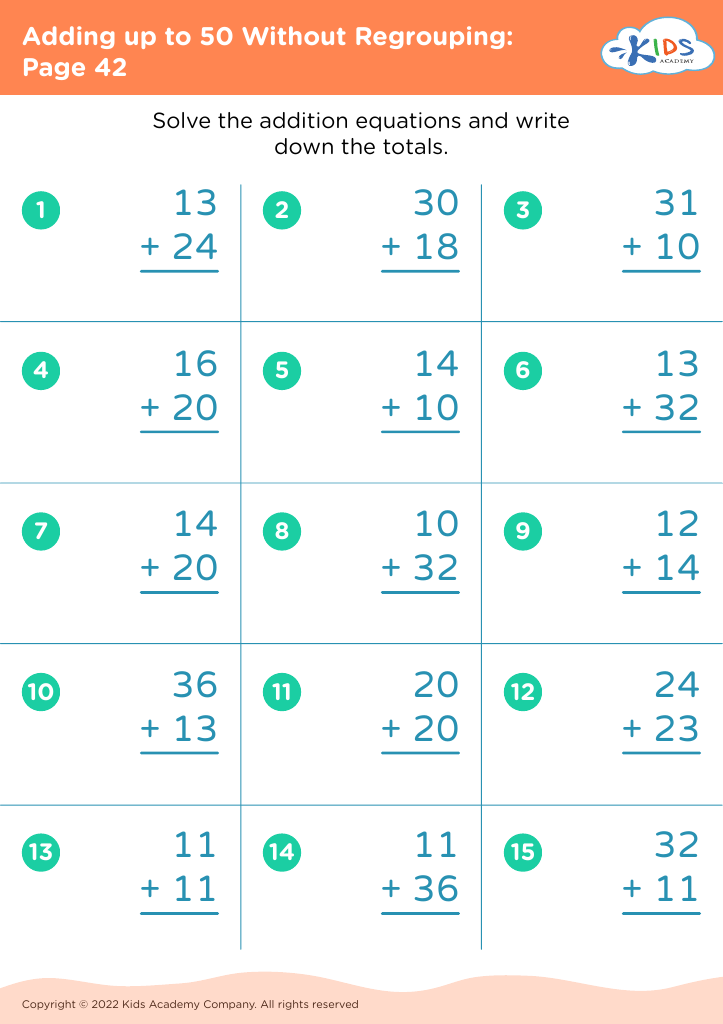
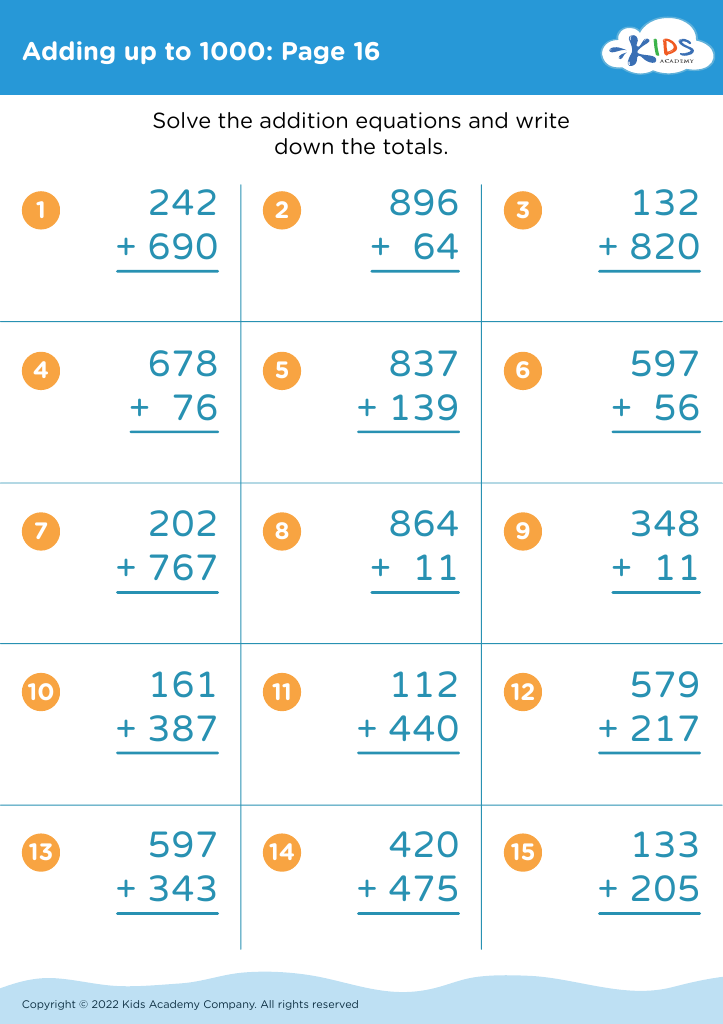
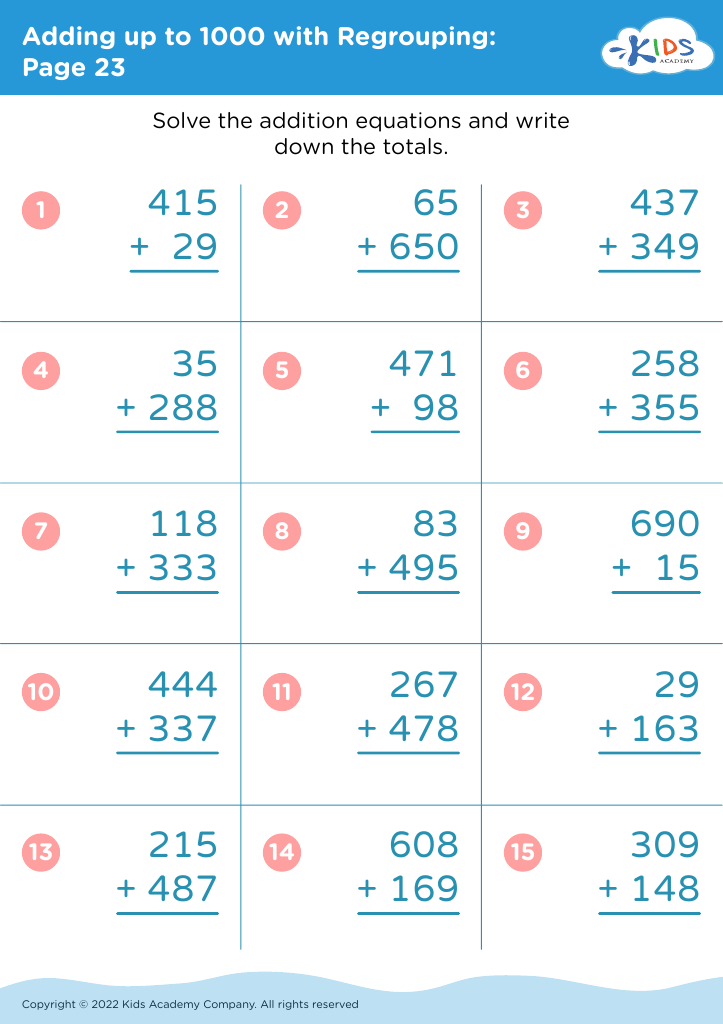
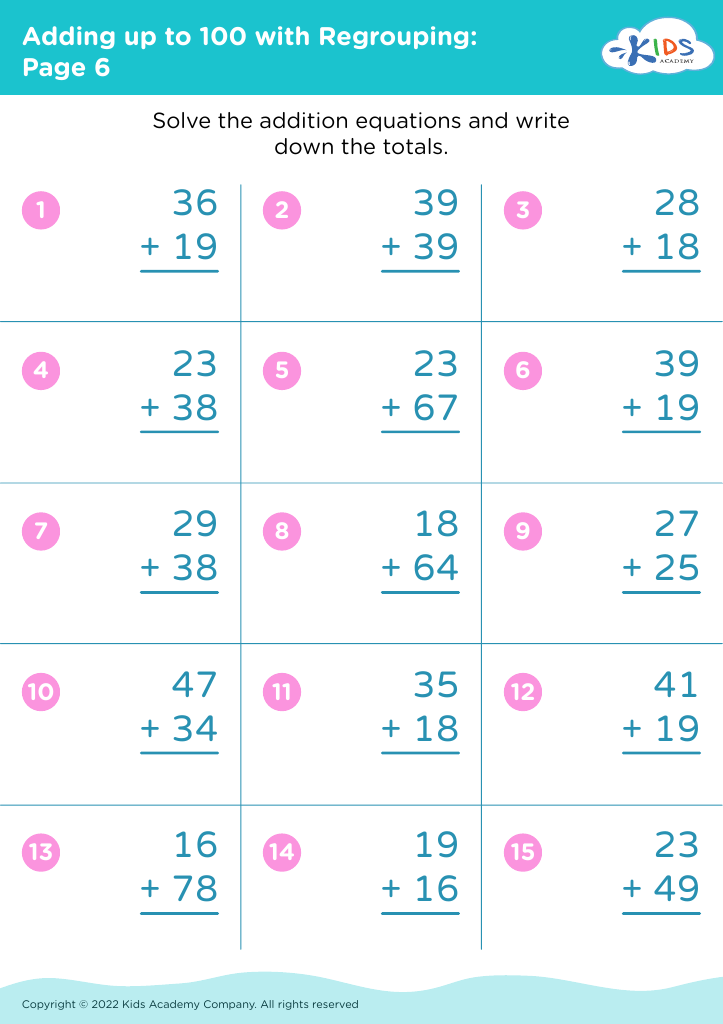
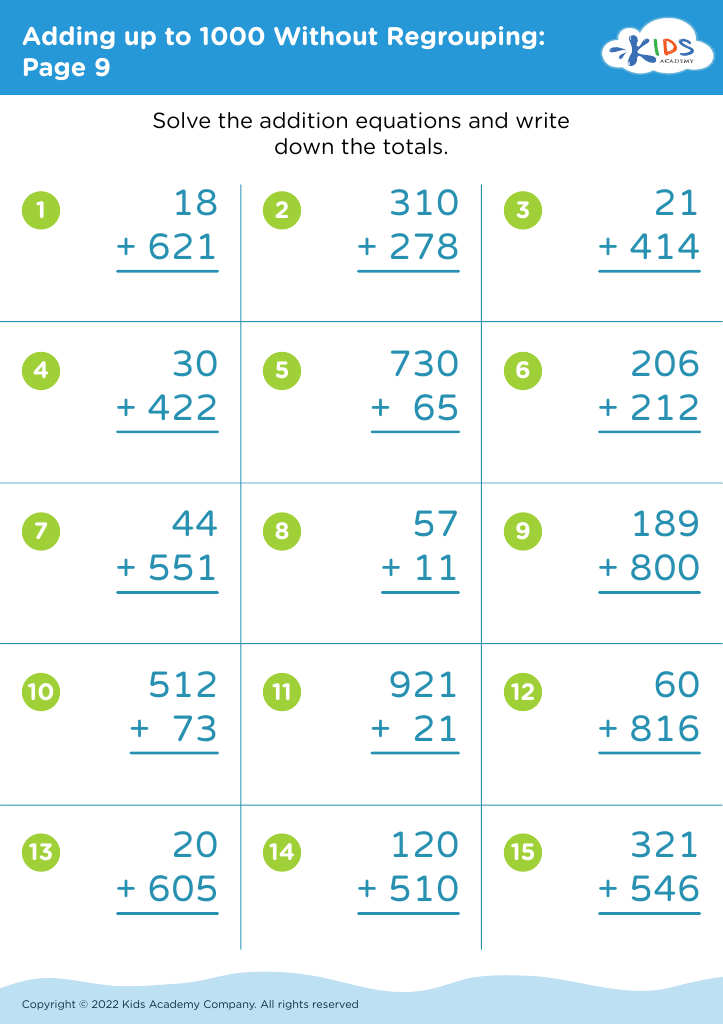
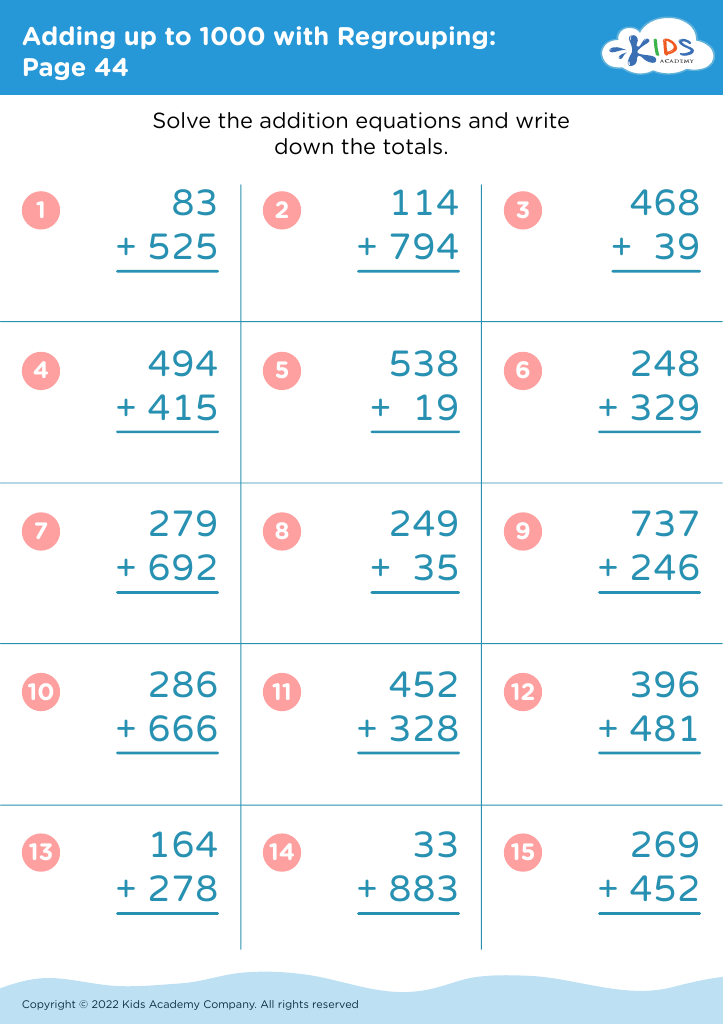








Recognizing patterns in addition and subtraction is crucial for 7-year-olds as it lays the foundation for more advanced mathematical concepts. When children grasp patterns, they become more adept at identifying relationships between numbers, making calculations faster and more intuitive. This skill not only enhances their computational fluency but also boosts their confidence in tackling math problems.
For parents and teachers, caring about this fundamental aspect of mathematics helps foster critical thinking. By recognizing patterns, children learn to predict outcomes and solve problems more efficiently. This skill also extends beyond math, promoting analytical thinking that is beneficial in various disciplines.
Furthermore, teaching children to recognize patterns can make learning fun and engaging. Games, puzzles, and activities centered around this concept can keep students motivated and eager to learn, encouraging a positive attitude towards math.
Incorporating pattern recognition into everyday learning can help bridge differences in ability levels among students, ensuring that all children develop these essential skills at their own pace. Ultimately, prioritizing pattern recognition in addition and subtraction empowers young learners and prepares them for future academic challenges, creating a strong mathematical foundation critical for lifelong learning.








