Recognizing shapes Addition & Subtraction Worksheets for 7-Year-Olds - Page 2
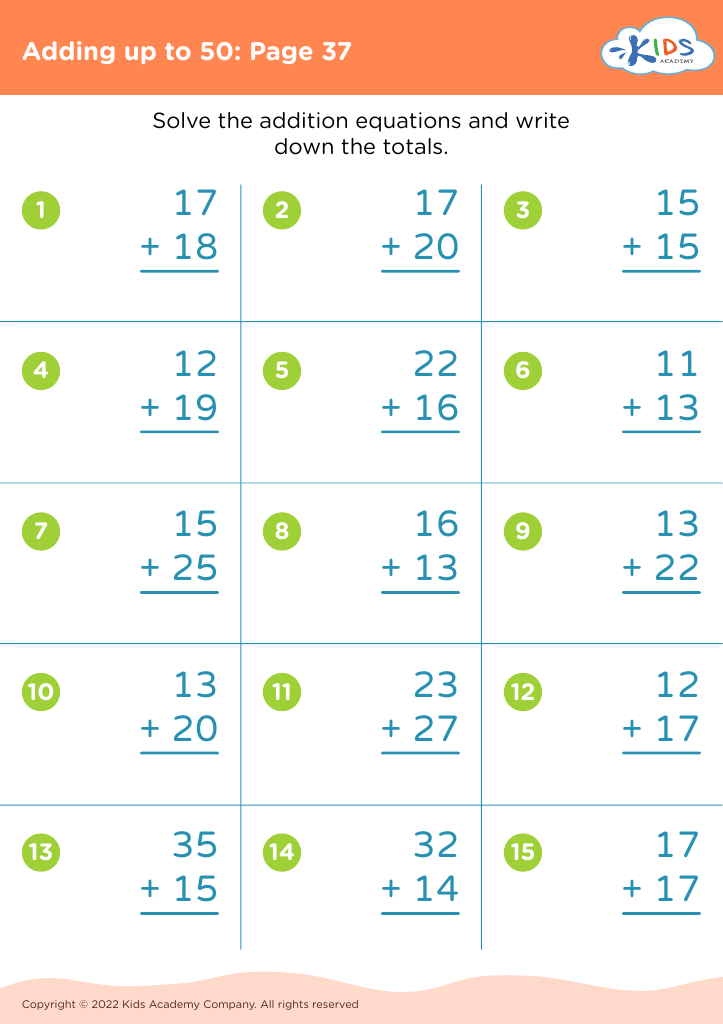
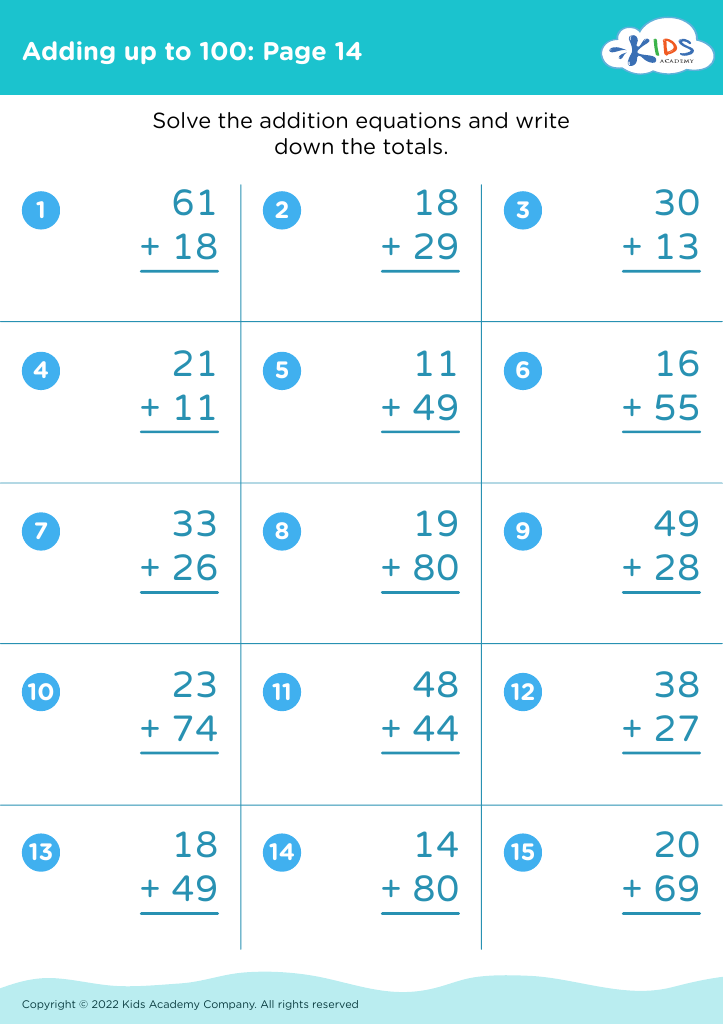
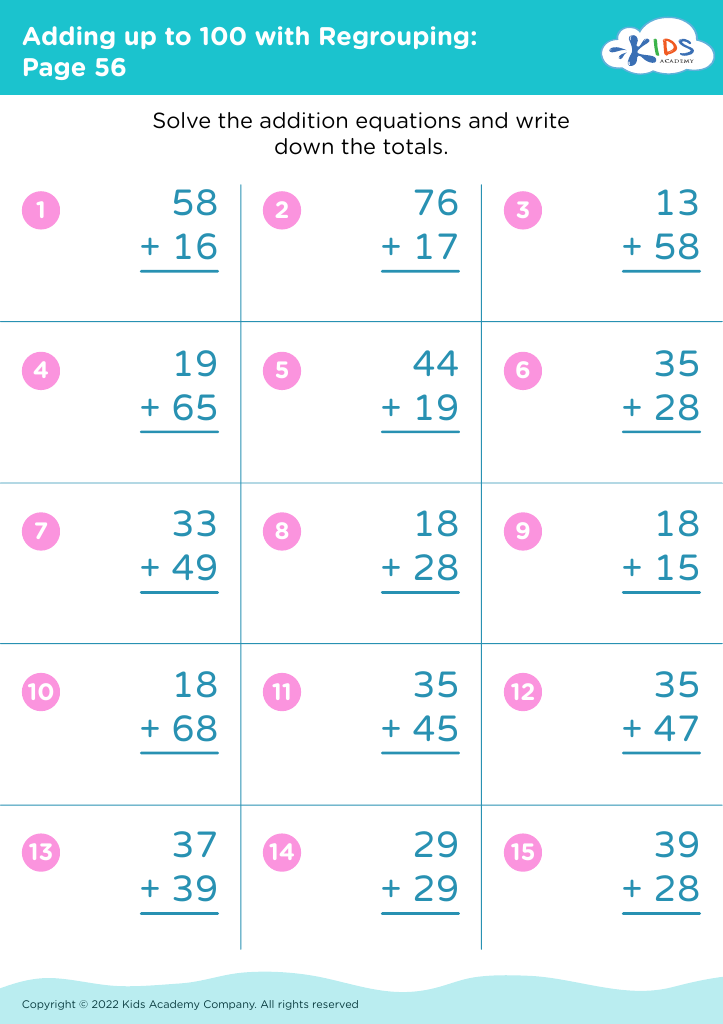
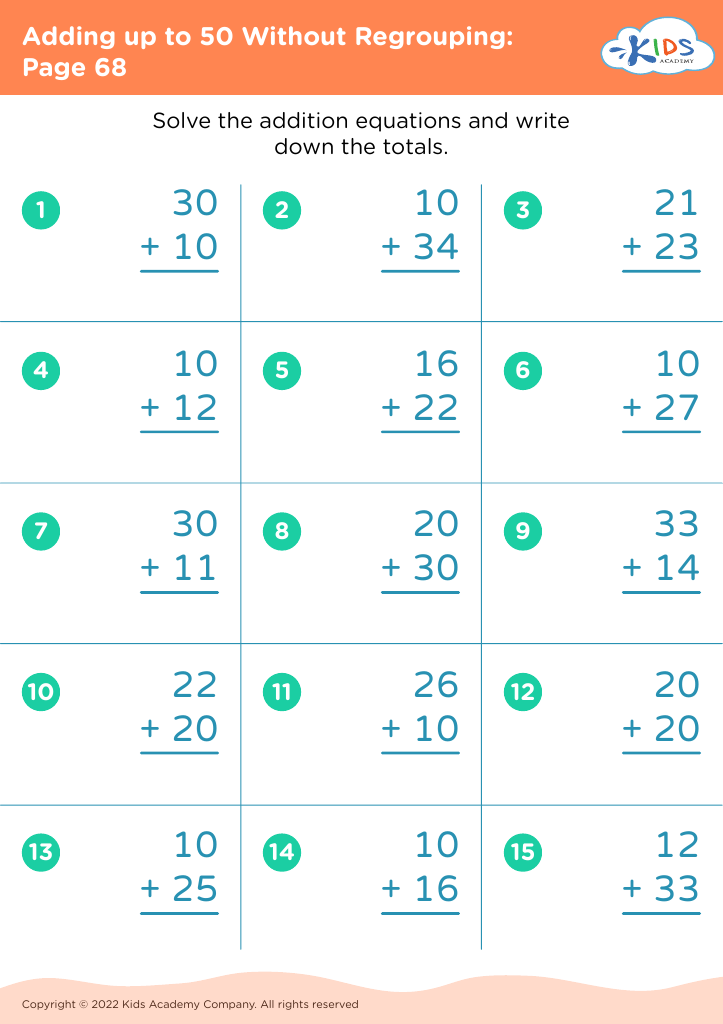








Recognizing shapes and understanding basic addition and subtraction are foundational skills for 7-year-olds that warrant the attention of both parents and teachers. Shape recognition plays a vital role in a child’s cognitive development and spatial awareness. Being able to identify and differentiate between shapes enhances a child's ability to comprehend other elements of mathematics, such as geometry, and contributes to the development of problem-solving and critical thinking skills. When children understand shapes, they can better interpret the world around them, see patterns, and develop a sense of symmetry and proportions.
Similarly, addition and subtraction are crucial arithmetic skills that serve as the building blocks for all future math-related learning. Mastering these basic operations at an early age prepares children for more complex math concepts like multiplication, division, and fractions. Addition and subtraction also play a significant role in everyday activities, such as handling money, measuring ingredients in recipes, and understanding time.
By ensuring that 7-year-olds grasp these concepts, parents and teachers are setting the stage for a strong mathematical foundation. This not only boosts the child's confidence and academic performance but also fosters an early love for learning and intellectual curiosity—factors that have long-term benefits for a child's educational trajectory and holistic development.








