Understanding directions Addition & Subtraction Worksheets for 7-Year-Olds
3 filtered results
-
From - To
Ignite your child's mathematical journey with our "Understanding Directions Addition & Subtraction Worksheets" designed specifically for 7-year-olds! These engaging resources help kids master essential math skills by focusing on interpreting and following instructions for addition and subtraction problems. With attention-grabbing visuals and step-by-step directions, students will build confidence while enhancing their problem-solving abilities. Our worksheets empower young learners to comprehend various mathematical concepts, making math both fun and educational. Perfect for classroom activities or at home practice, these worksheets support students as they become proficient in understanding diverse directions in arithmetic. Get started today and watch your child's skills flourish!
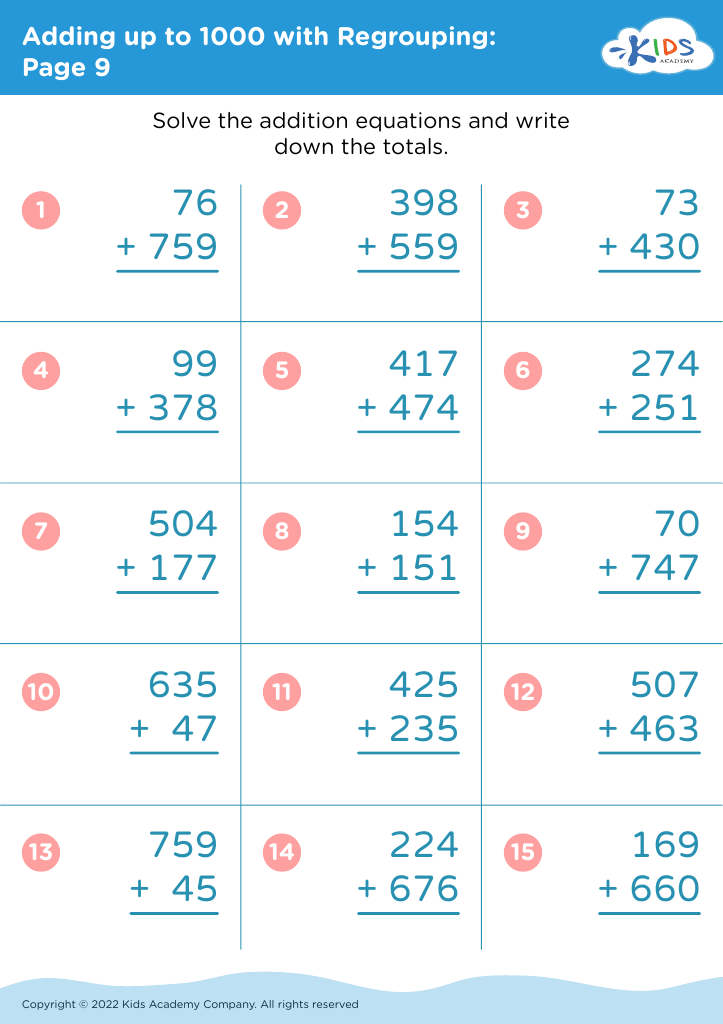
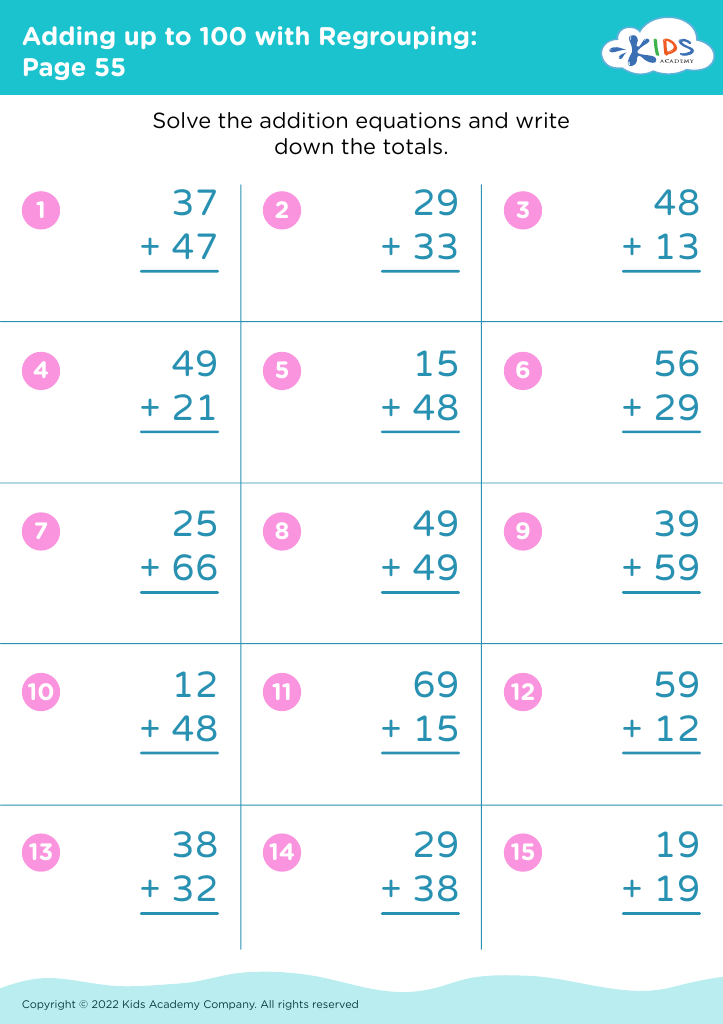
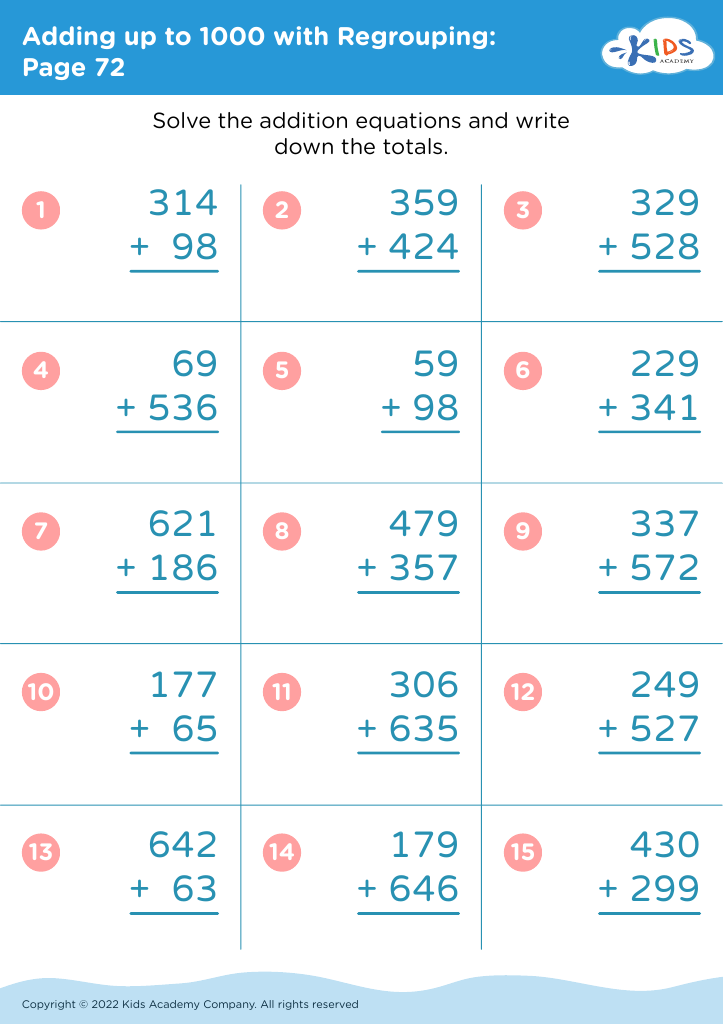








Understanding directions in addition and subtraction is crucial for 7-year-olds as it lays the foundation for their mathematical skills and overall cognitive development. At this age, children are not only learning how to perform basic operations, but they are also beginning to understand the underlying concepts that drive these processes. Clear comprehension of directions helps them interpret and solve math problems effectively, enhancing their problem-solving abilities.
When parents or teachers emphasize the importance of following directions in addition and subtraction, they instill essential skills such as critical thinking, attention to detail, and perseverance. These skills are transferable and beneficial across various subjects and life situations. Children who struggle with following directions may develop anxiety around math or lose interest in the subject altogether, which can hinder their long-term academic performance.
Additionally, mastery of these operations is vital for everyday tasks, from managing money to understanding time. By ensuring that children grasp how to navigate instructions related to addition and subtraction, parents and teachers enable them to build confidence and independence in their learning journey. Ultimately, focusing on this foundational skill set prepares them for more complex mathematical concepts and helps build a positive attitude toward education as a whole.








