Fraction identification Addition Worksheets for 7-Year-Olds
5 filtered results
-
From - To
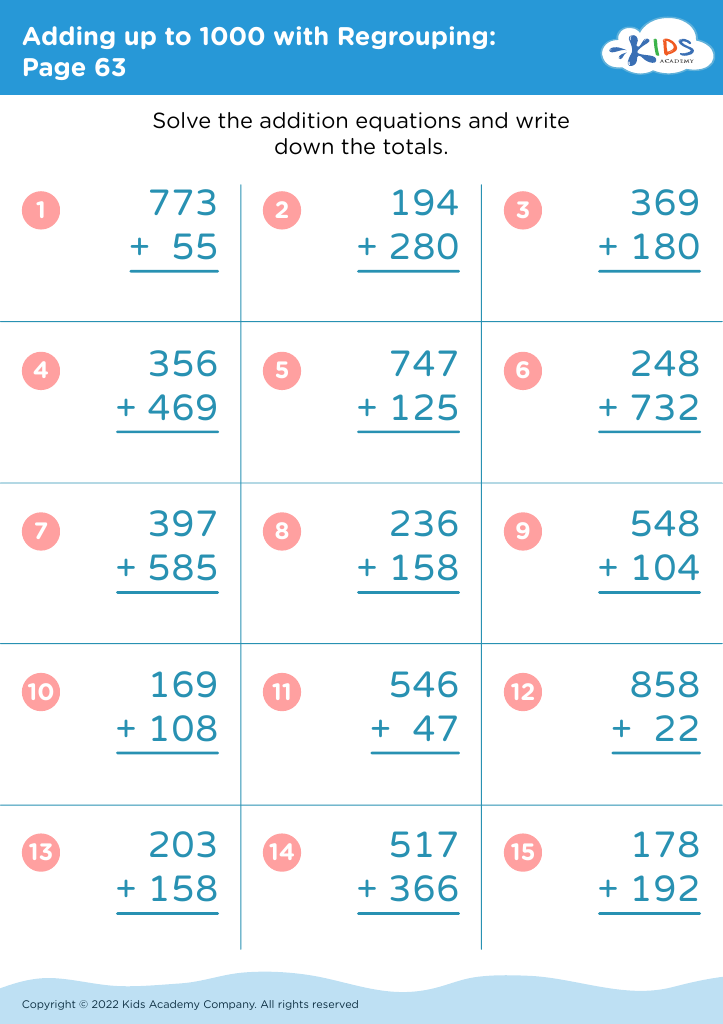
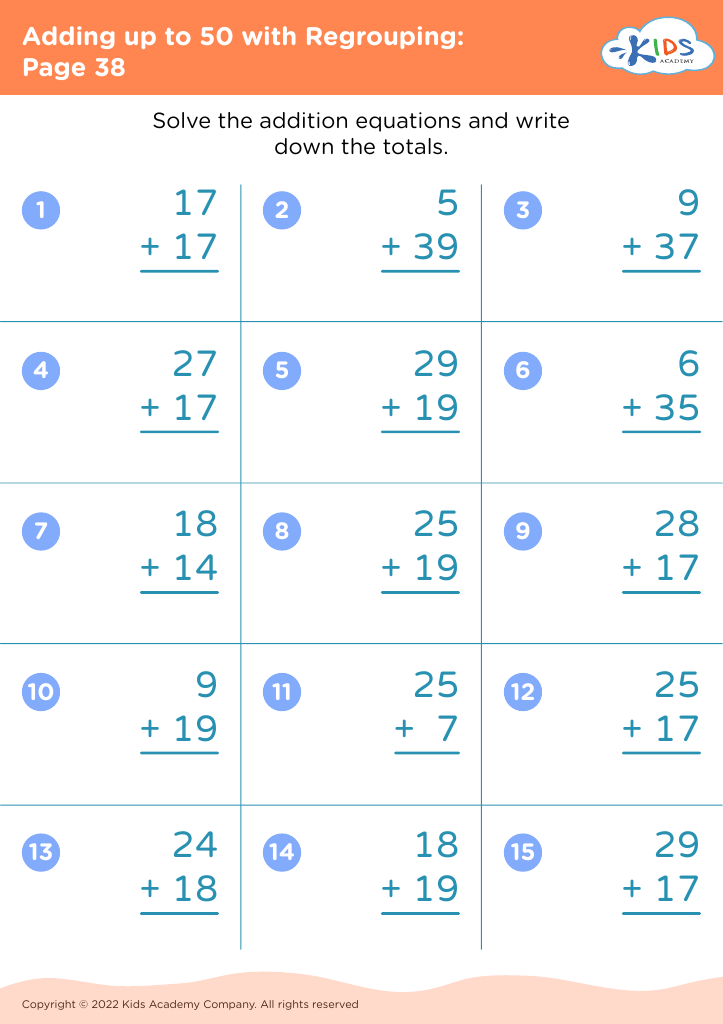
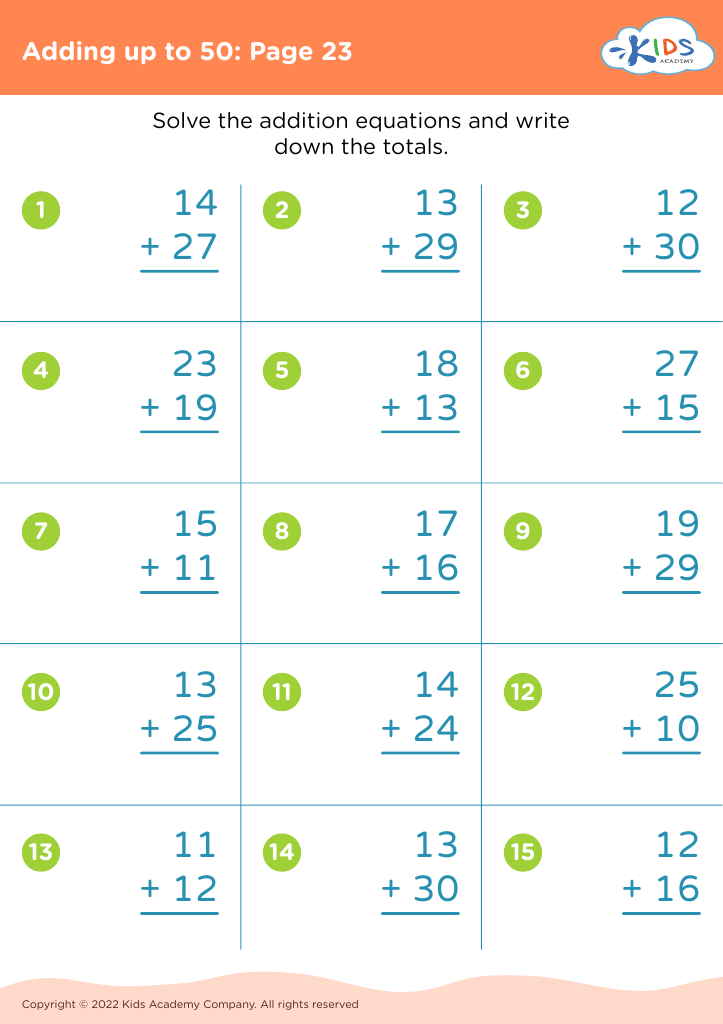
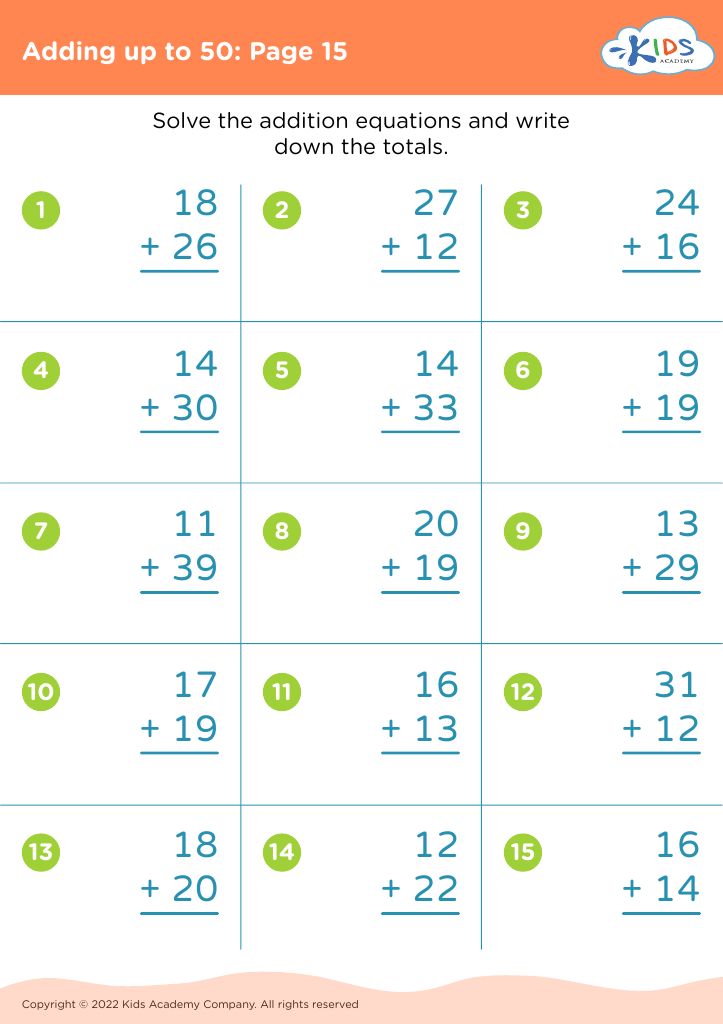
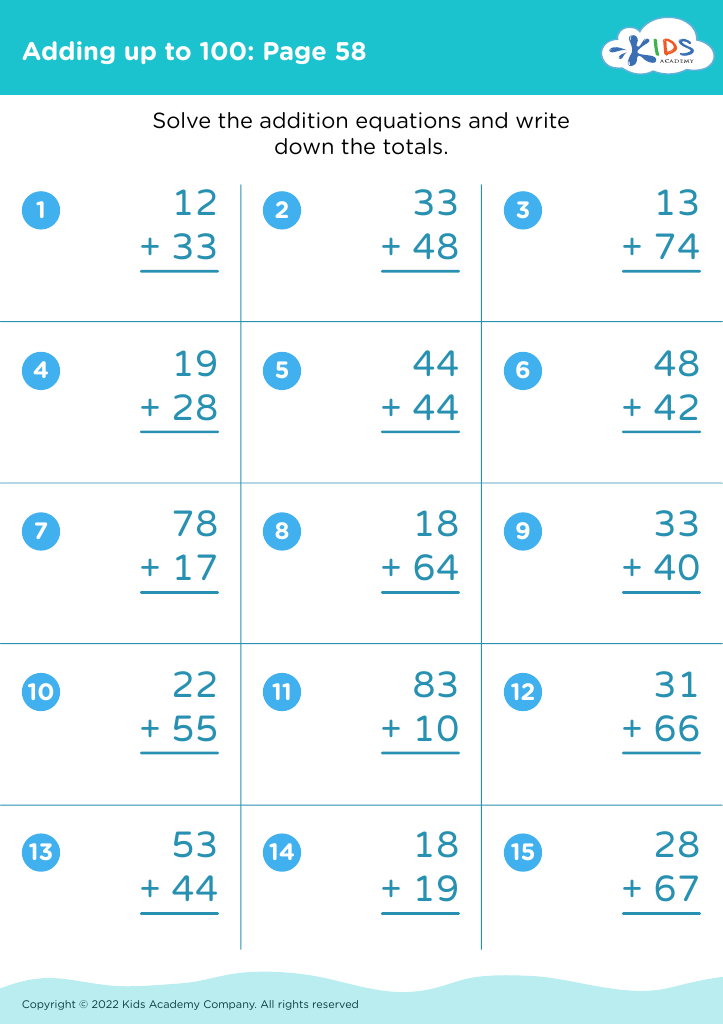
Welcome to our Fraction Identification Addition Worksheets designed specifically for 7-year-olds! These engaging worksheets make learning fractions fun and interactive while strengthening addition skills. Through a variety of vibrant exercises, young learners will practice identifying fractions and adding them together, reinforcing their understanding of numbers and their relationships. With easy-to-follow instructions and colorful illustrations, these worksheets cater to different learning styles, making math enjoyable. Perfect for both classroom and home use, our Fraction Identification Addition Worksheets help children build a solid foundation in math, promoting confidence and enthusiasm in young learners. Dive in and watch your child's skills soar!



.jpg)




Fraction identification and addition are essential skills for 7-year-olds, as they serve as foundational concepts in mathematics and everyday life. At this age, children begin to explore more complex numerical relationships, and understanding fractions fosters critical thinking and problem-solving abilities. Teaching children to identify fractions helps them recognize parts of a whole, which is crucial in various contexts—like cooking, dividing toys, or sharing food.
Moreover, introducing fraction addition encourages children to engage with mathematical concepts actively. It aids in developing their number sense and ability to visualize relationships between numbers. Parents and teachers who prioritize these skills can create a supportive learning environment that emphasizes exploration and curiosity.
Being comfortable with fractions enhances children’s self-confidence in math, making them more inclined to tackle challenging topics in the future. Furthermore, fostering these skills supports the curricula in most educational systems, ensuring children are prepared for standardized tests and assessments.
Ultimately, attention to fraction identification and addition not only enhances a child’s mathematical repertoire but also cultivates a positive attitude towards learning. By investing in these foundational skills, parents and teachers empower children with the tools they need for academic success and everyday decision-making.








