Shape identification Addition Worksheets for 7-Year-Olds
13 filtered results
-
From - To
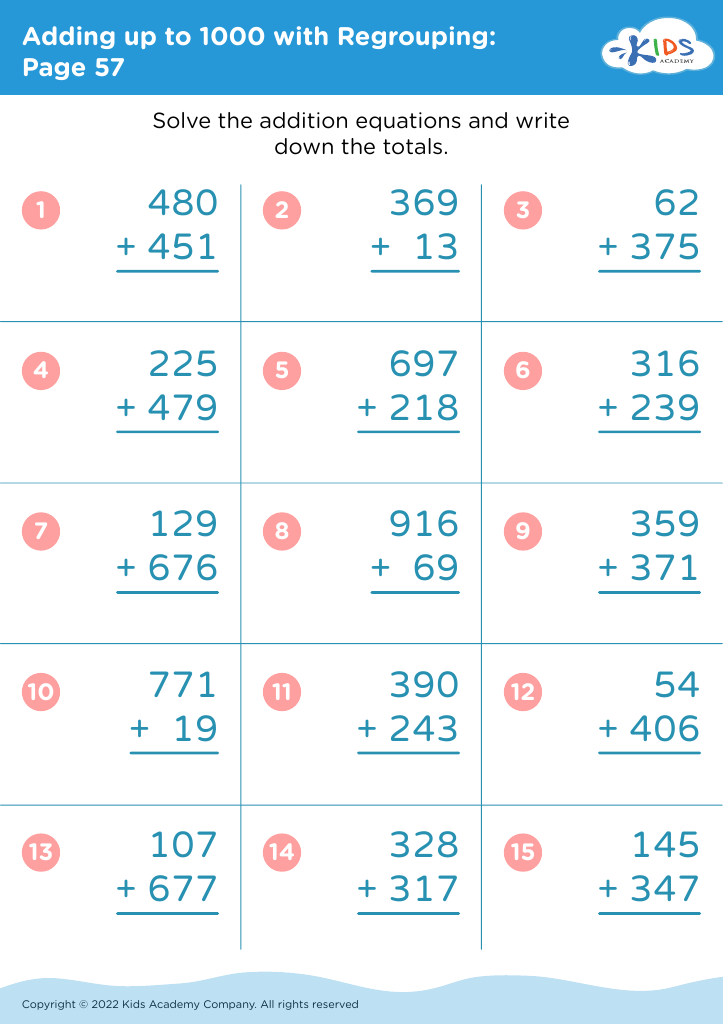
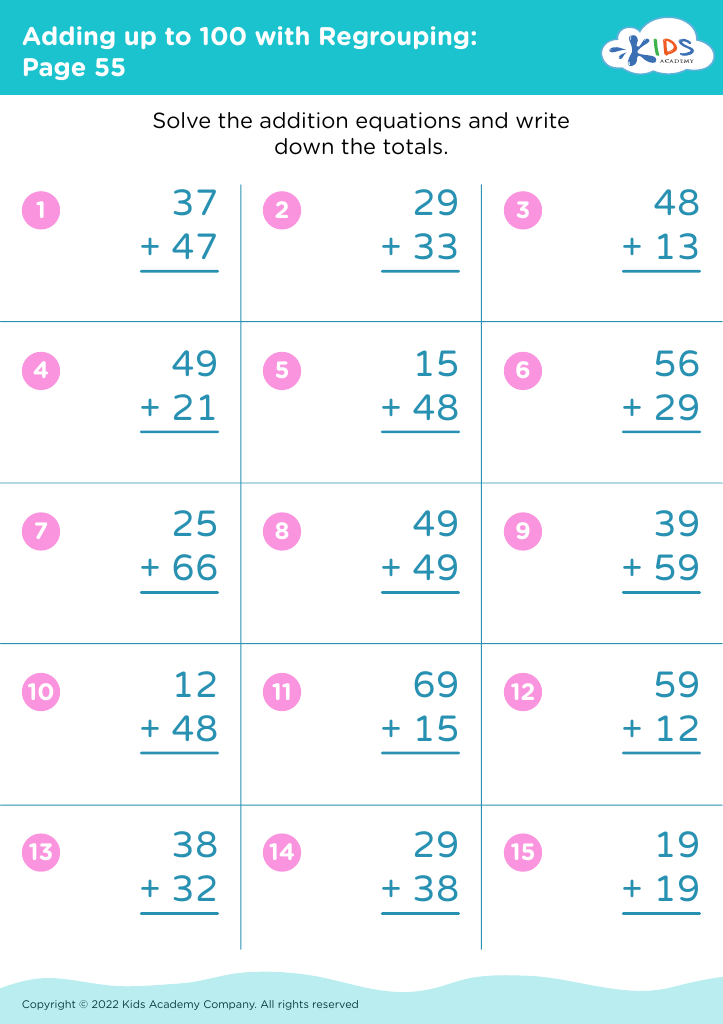
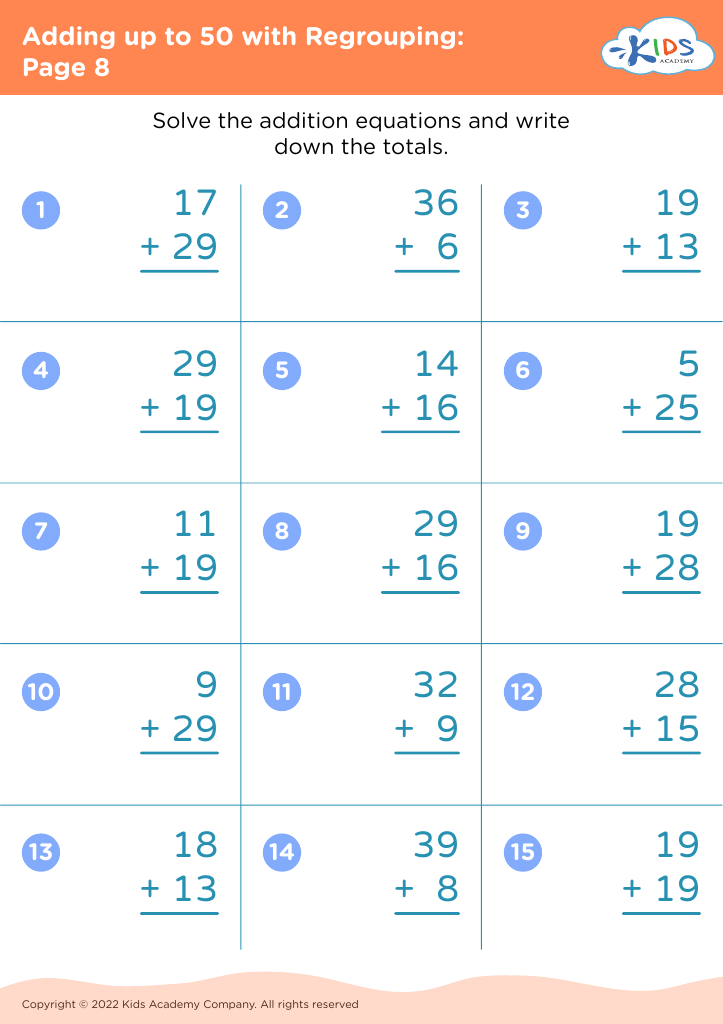
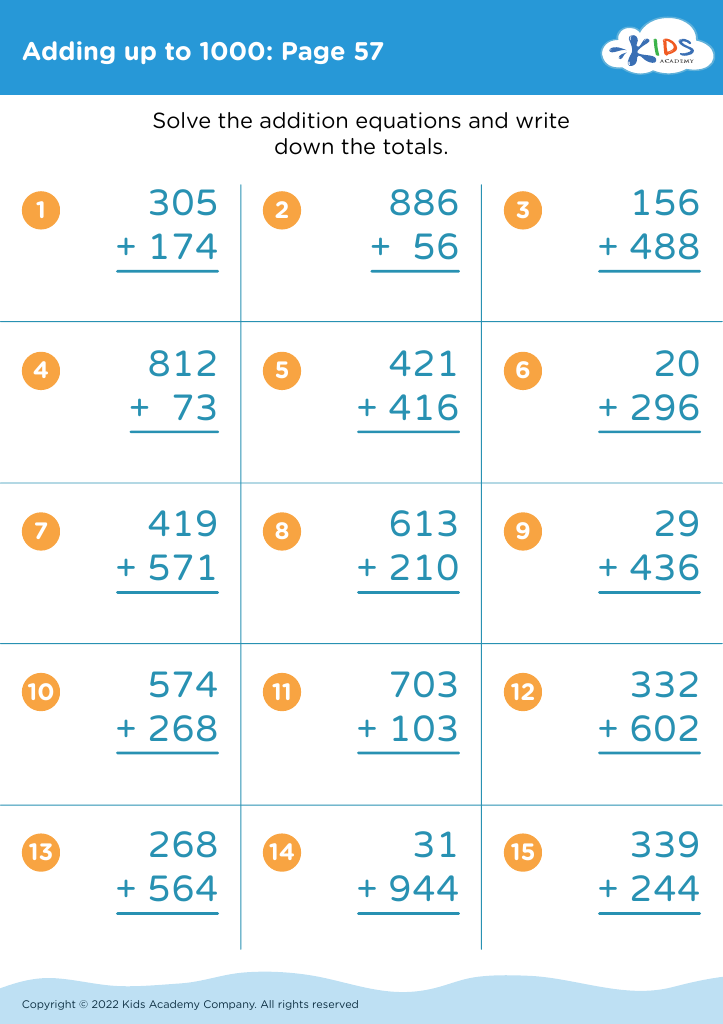
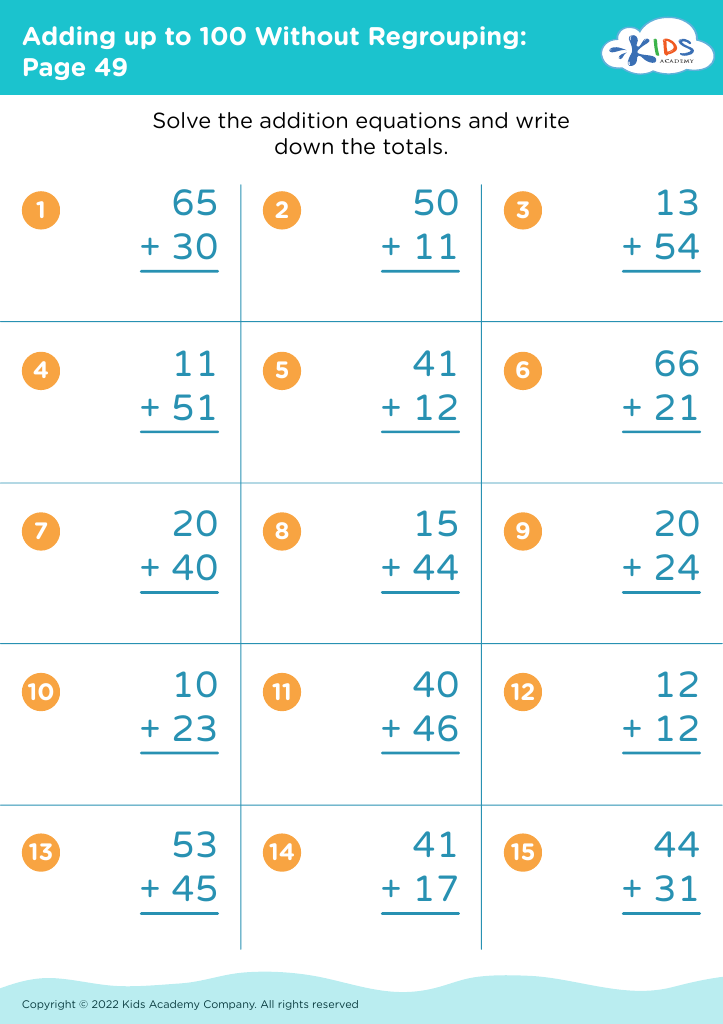
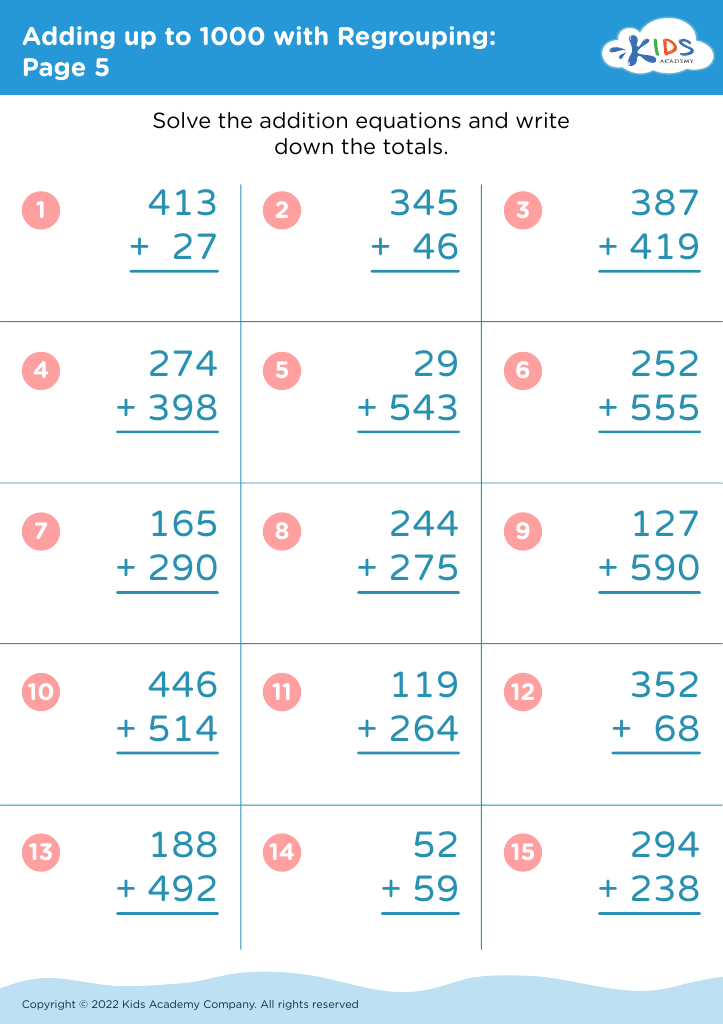
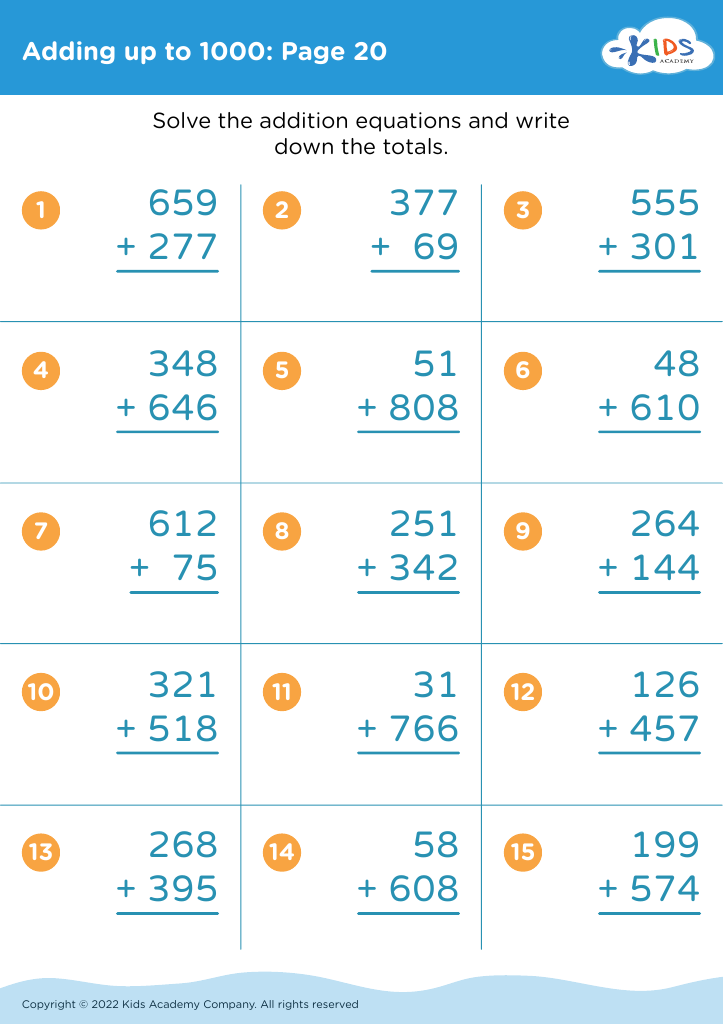
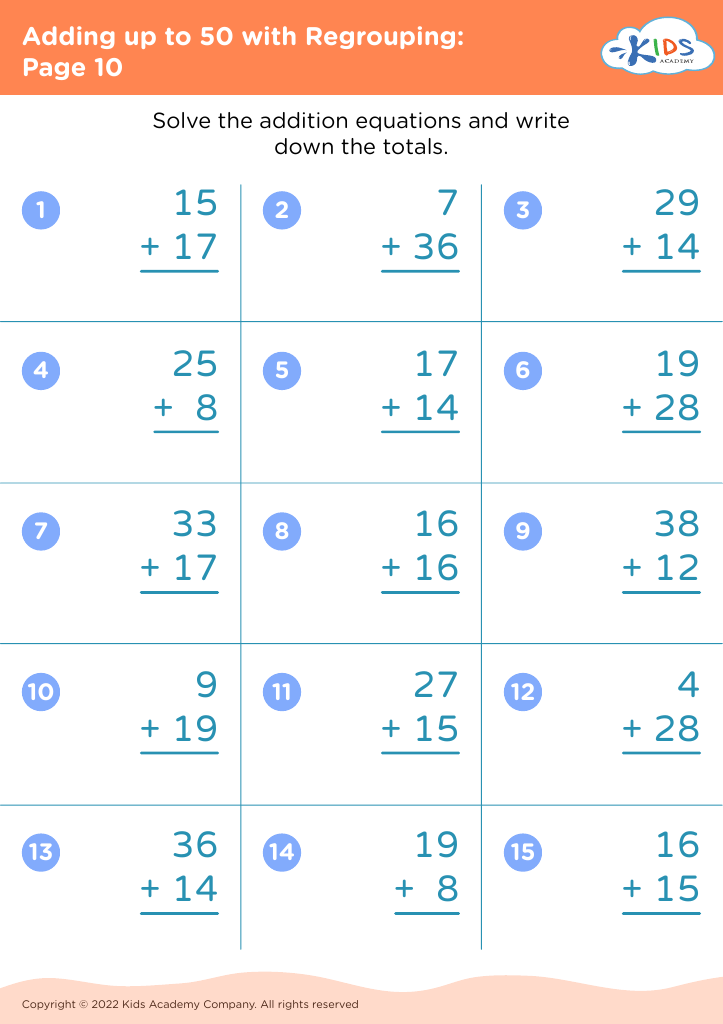
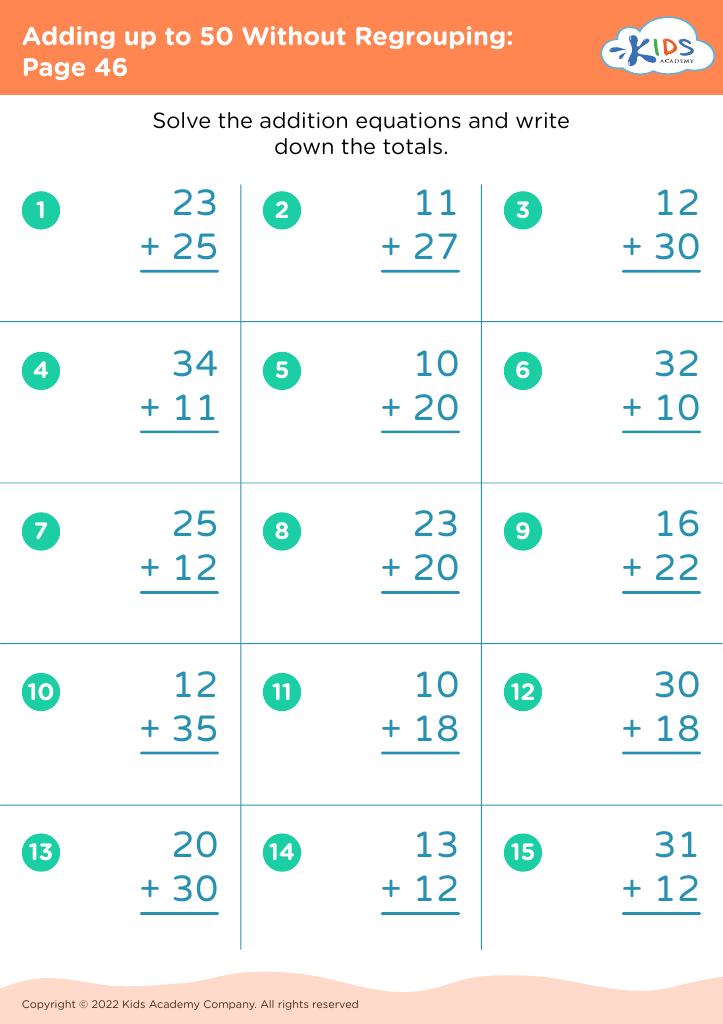
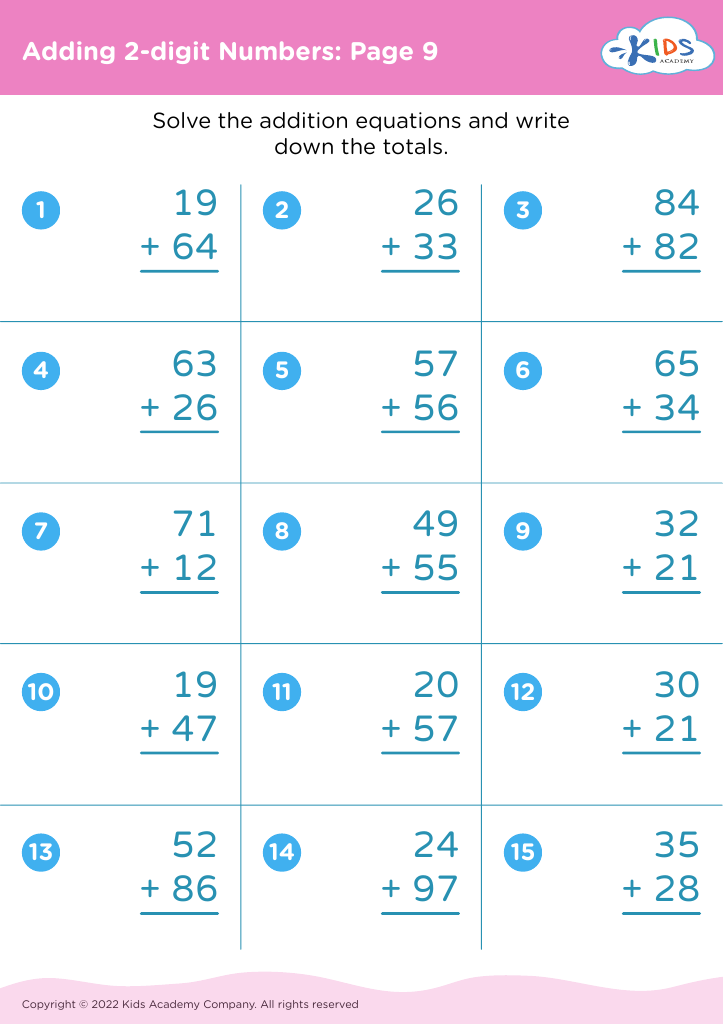
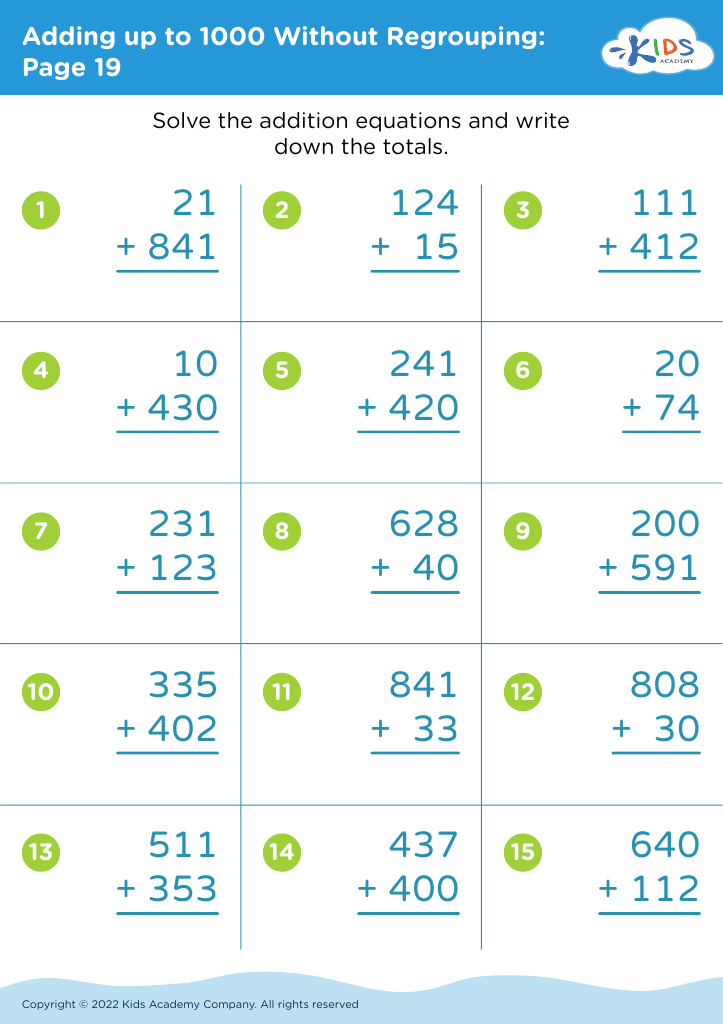
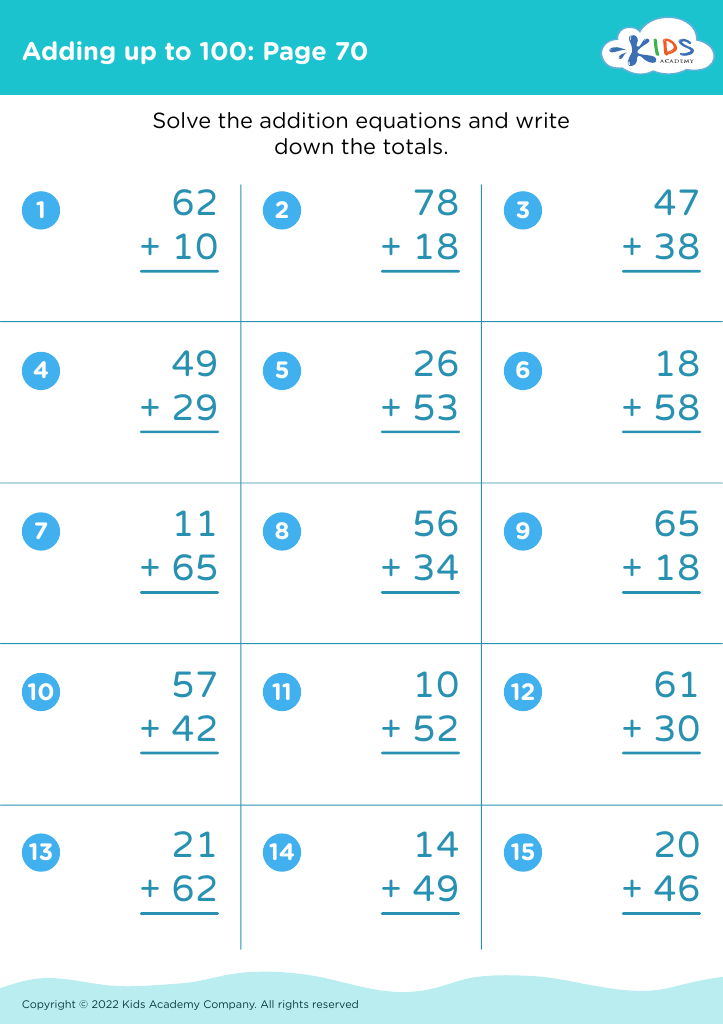
Explore our engaging Shape Identification Addition Worksheets designed specifically for 7-year-olds! These interactive resources blend math and geometry, helping young learners recognize different shapes while enhancing their addition skills. Our worksheets offer a variety of fun exercises featuring colorful illustrations, making math enjoyable and relatable. Students will practice identifying shapes like squares, triangles, and circles, while also solving addition problems that incorporate these forms. Perfect for classroom activities or at-home learning, these worksheets foster critical thinking and boost confidence in math. Start your child's mathematical journey today with our easy-to-use, printable worksheets that spark joy and curiosity in learning!
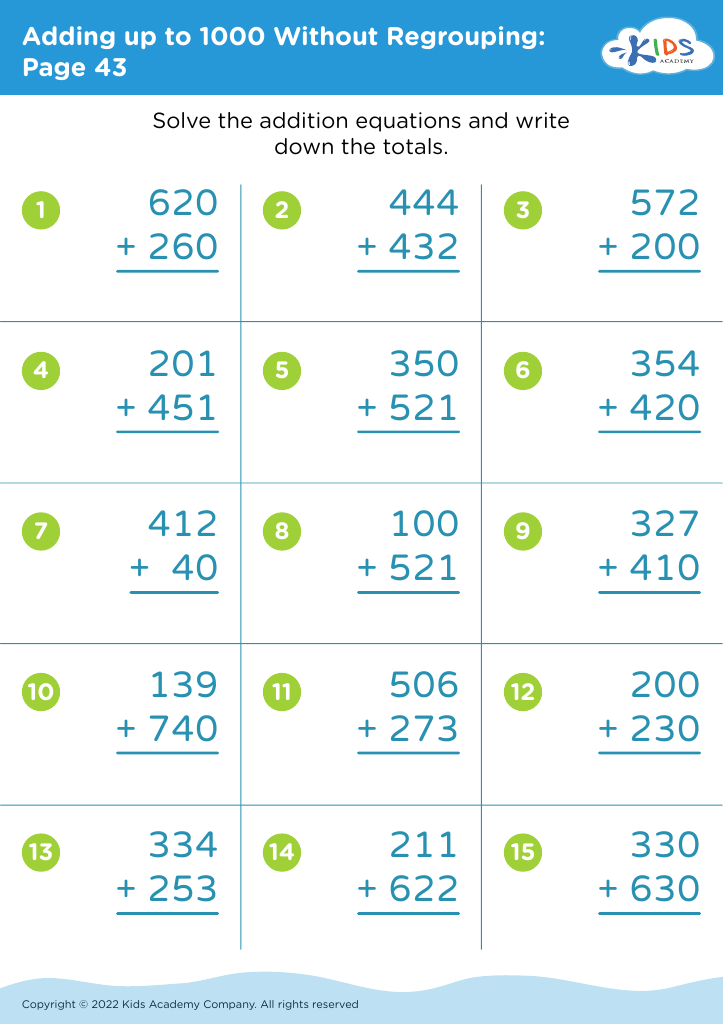








Shape identification and addition are essential skills for 7-year-olds, playing a crucial role in their cognitive development and mathematics readiness. Understanding shapes provides a foundation for spatial awareness, which is important in everyday life, from navigating environments to solving problems. Recognizing different geometric shapes enhances critical thinking and improves observation skills, allowing children to classify and organize information effectively.
Moreover, integrating addition with shape identification fosters mathematical fluency. At this age, children are often transitioning from concrete to abstract thinking, making it vital to connect physical shapes with numerical representations. By combining both skills, children learn to see the relationship between objects and quantities. This dual focus encourages them to apply their knowledge in real-world scenarios, such as understanding geometry in architecture or design.
Parents and teachers should care because engaging children in these concepts promotes a love for learning and lays the groundwork for future academic success. It equips them with essential problem-solving skills and improves their confidence in math, leading to better performance in school. Ultimately, nurturing shape identification and addition skills contributes to a well-rounded education, fostering not just mathematical aptitude, but also creativity and analytical thinking essential for lifelong learning.








