Comparing lengths Comparing Numbers Worksheets for 7-Year-Olds
4 filtered results
-
From - To
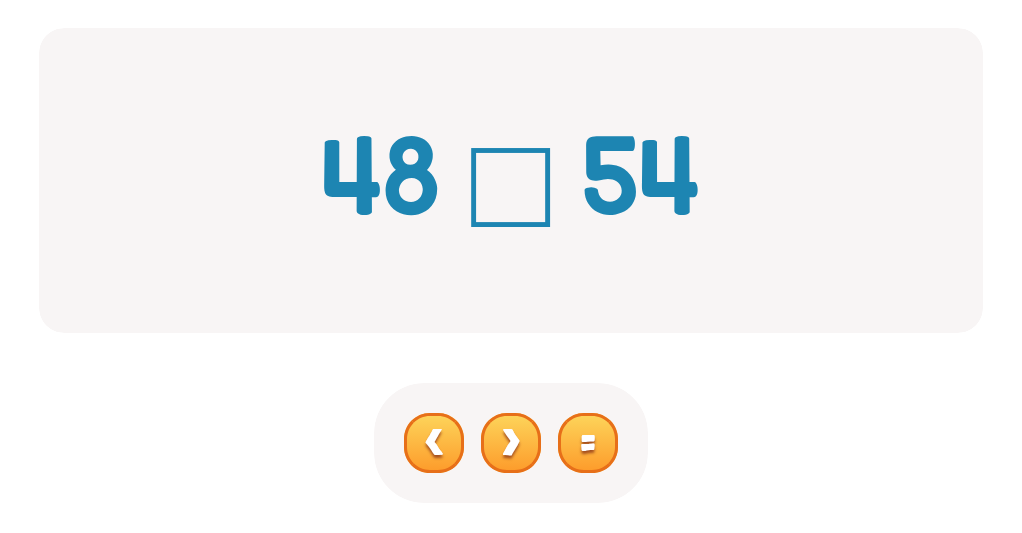
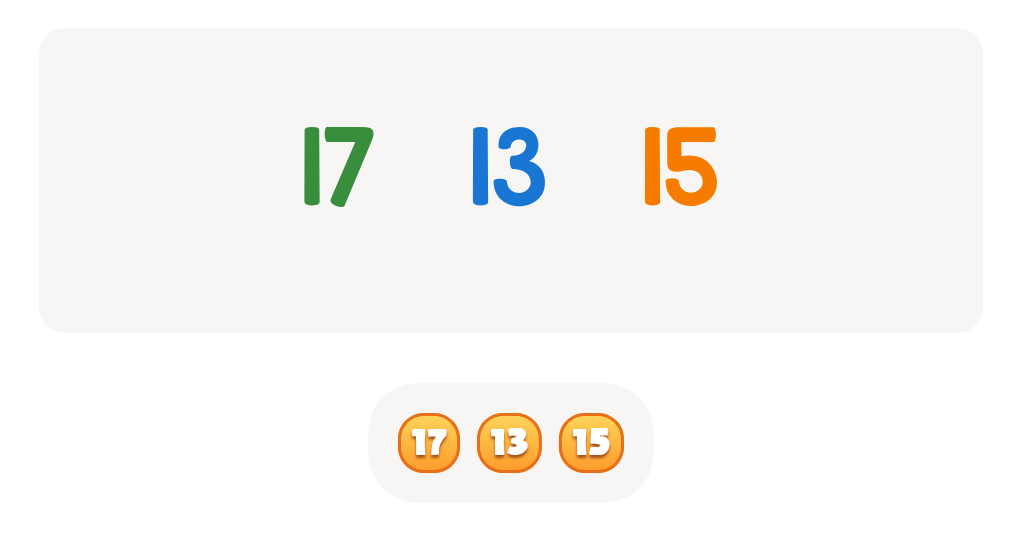
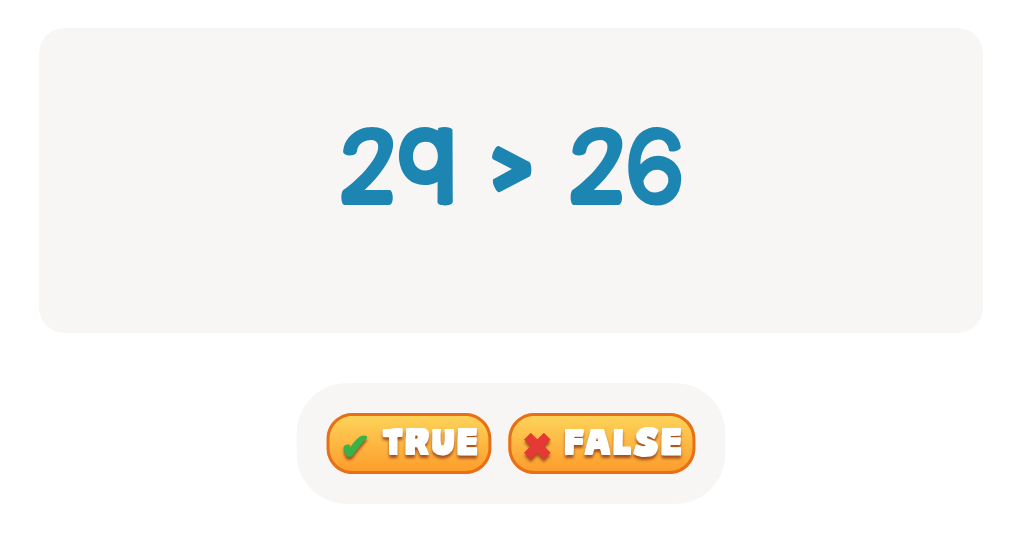
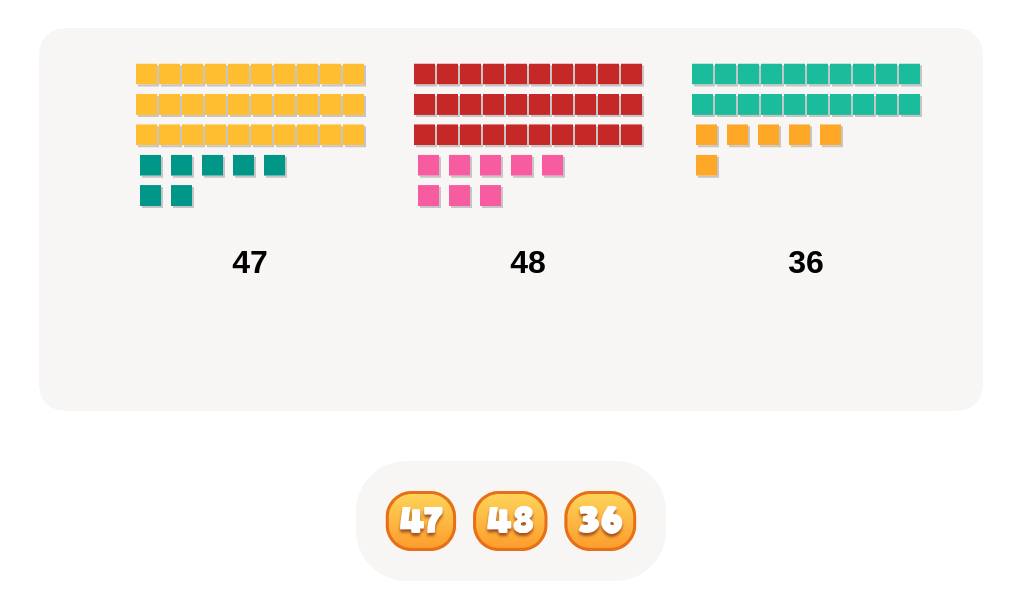
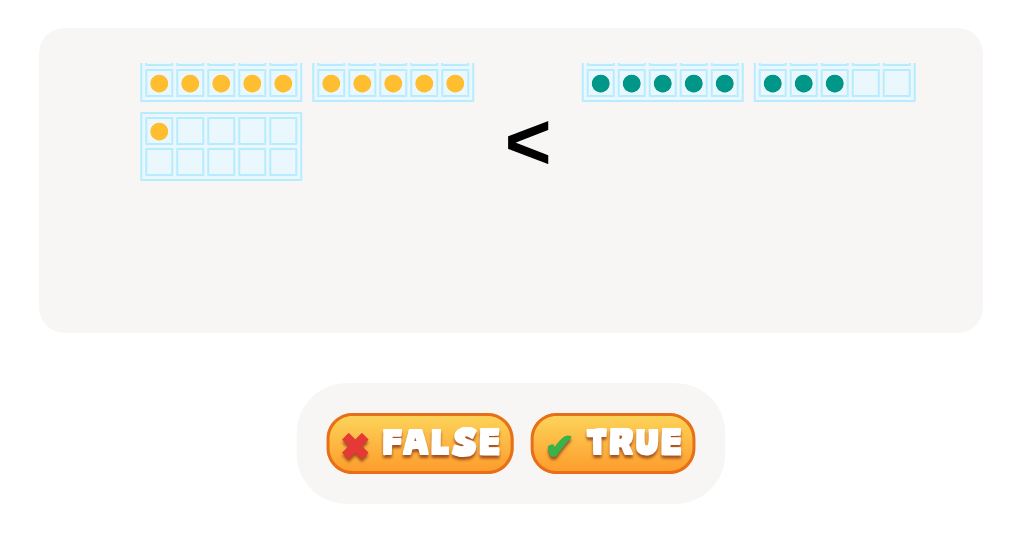
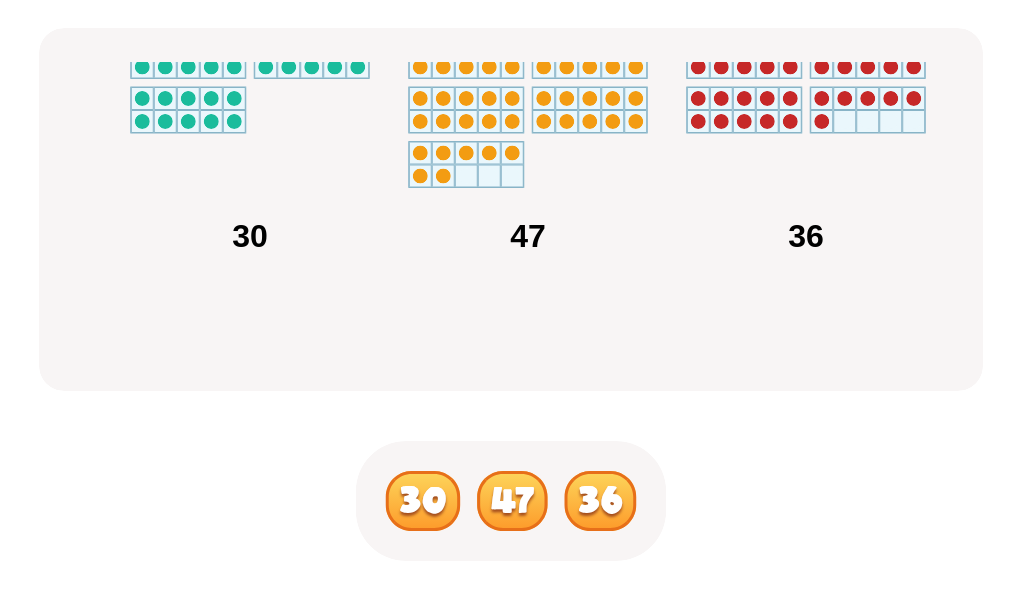
Discover an engaging collection of "Comparing Lengths and Comparing Numbers" worksheets specially designed for 7-year-olds. These printable resources from Kids Academy promote critical thinking and mathematical skills, helping young learners master concepts of measurement and number comparison. Each worksheet offers fun and interactive activities, where children can explore various lengths using visual aids and compare numbers through exciting exercises. Ideal for both classroom and home learning, these educational tools support children’s confidence in math in a playful and effective manner. Elevate your child’s educational journey with our expertly crafted worksheets today!
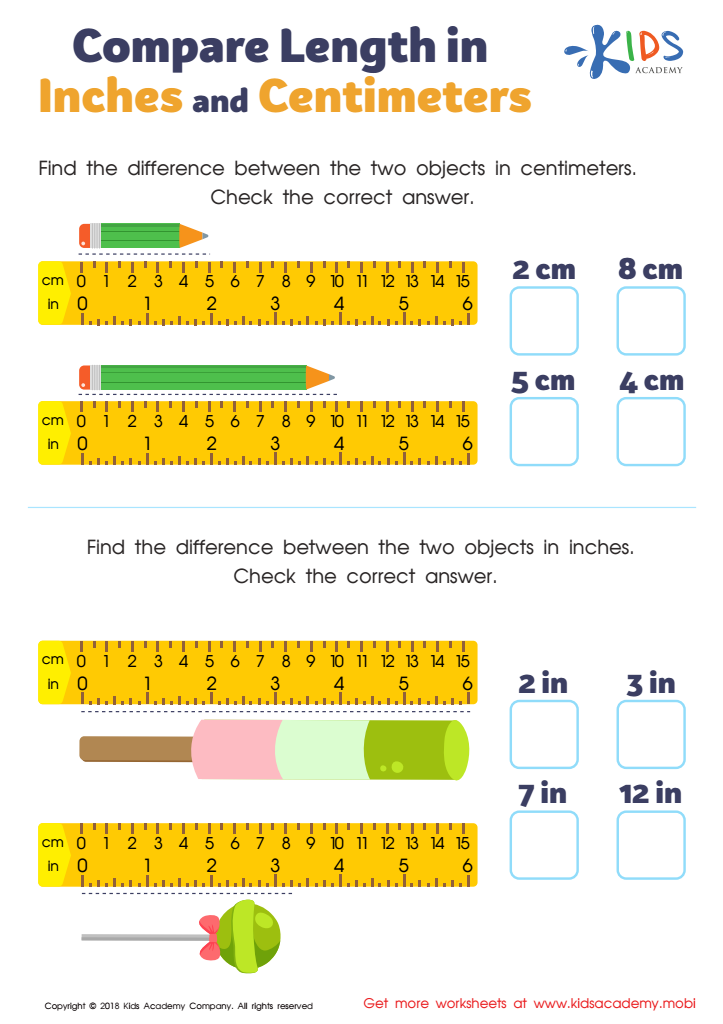
Compare Length in Inches and Centimeters Worksheet
 Assign to My Students
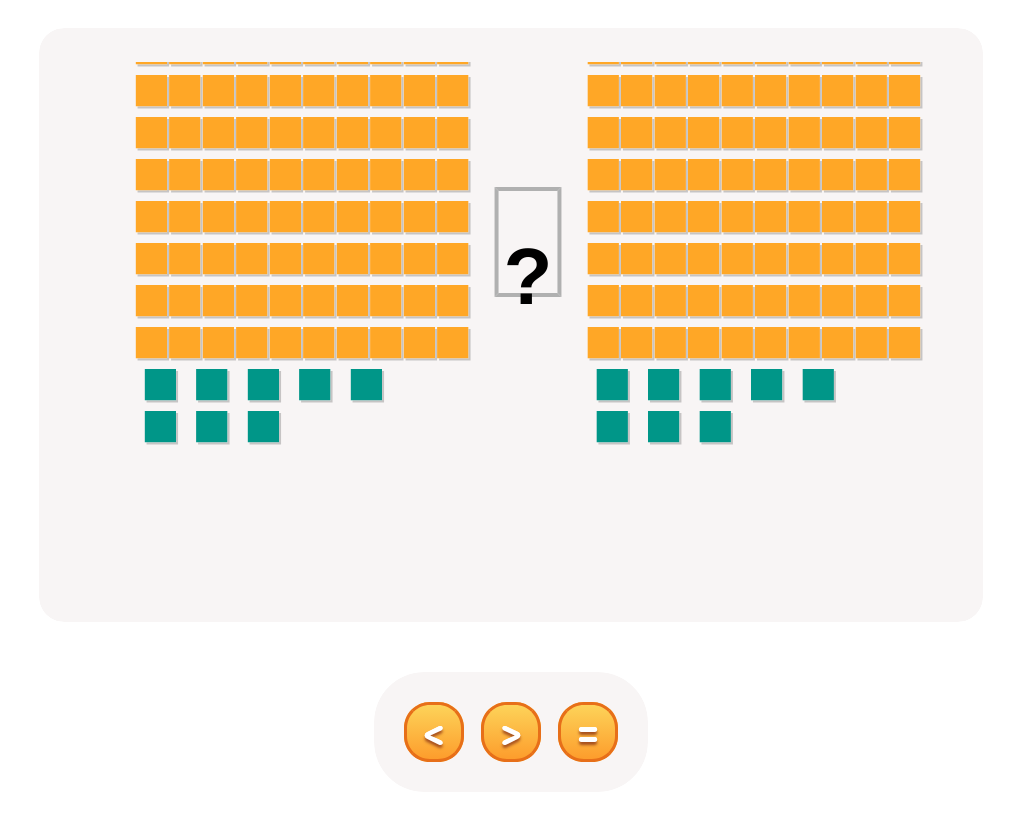

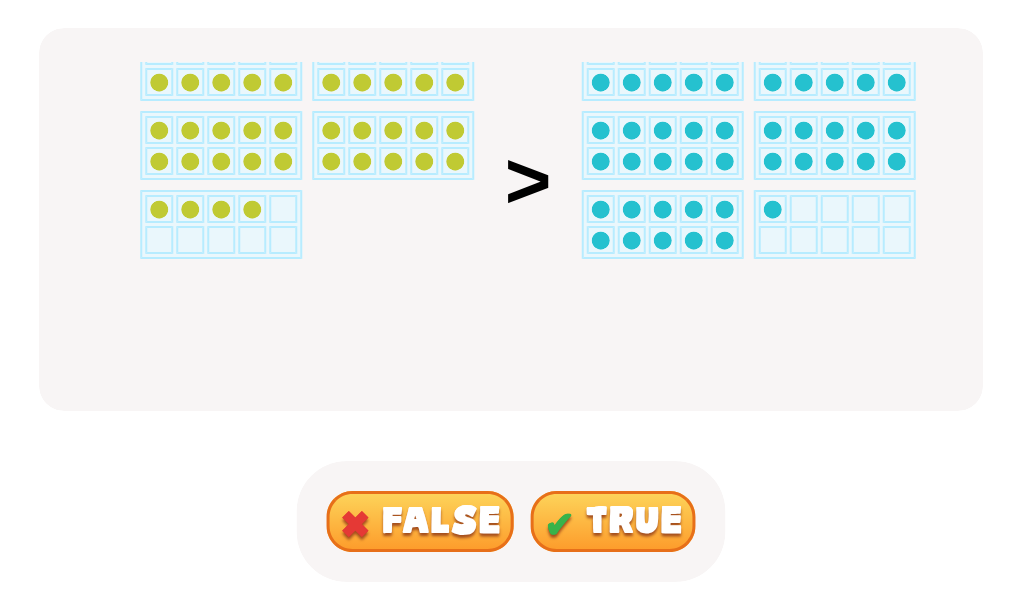
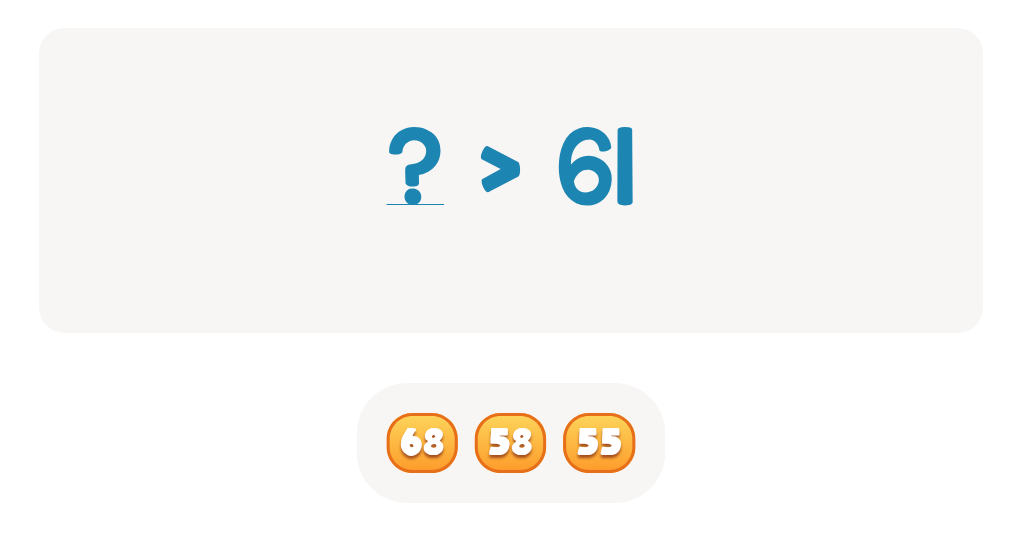
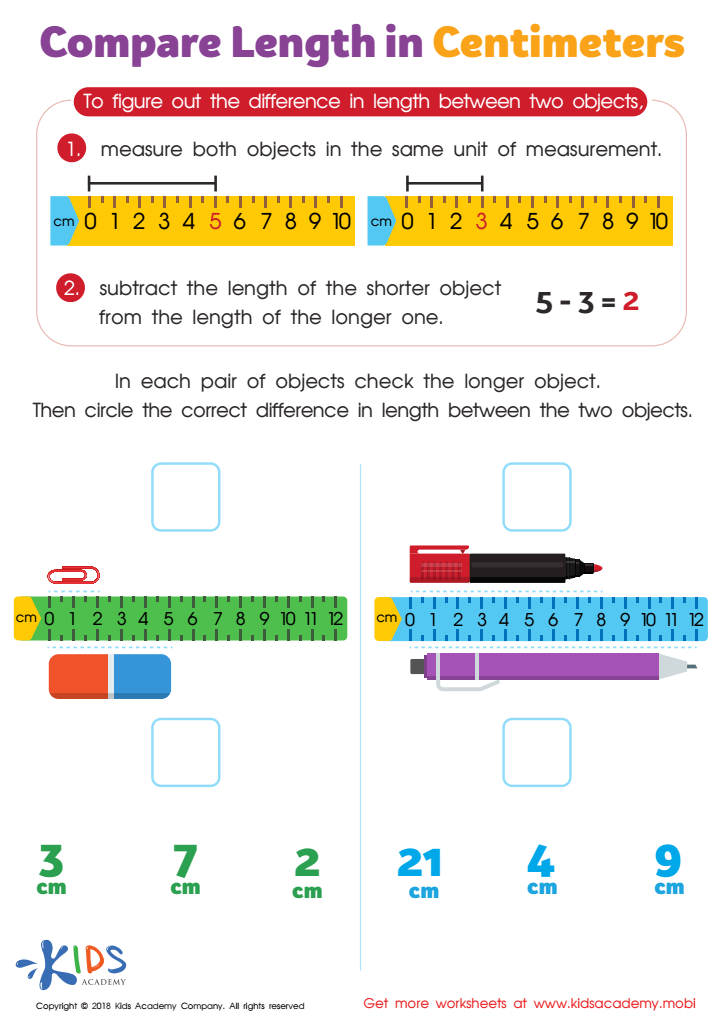
Compare Length in Centimeters Worksheet
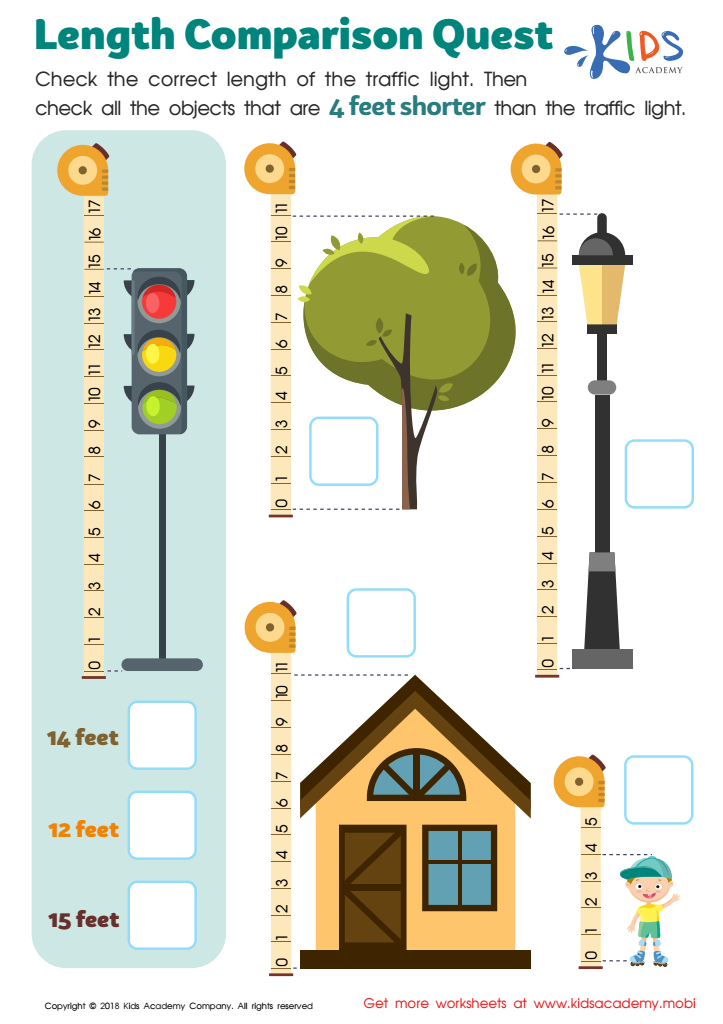
Length Comparison Quest Worksheet
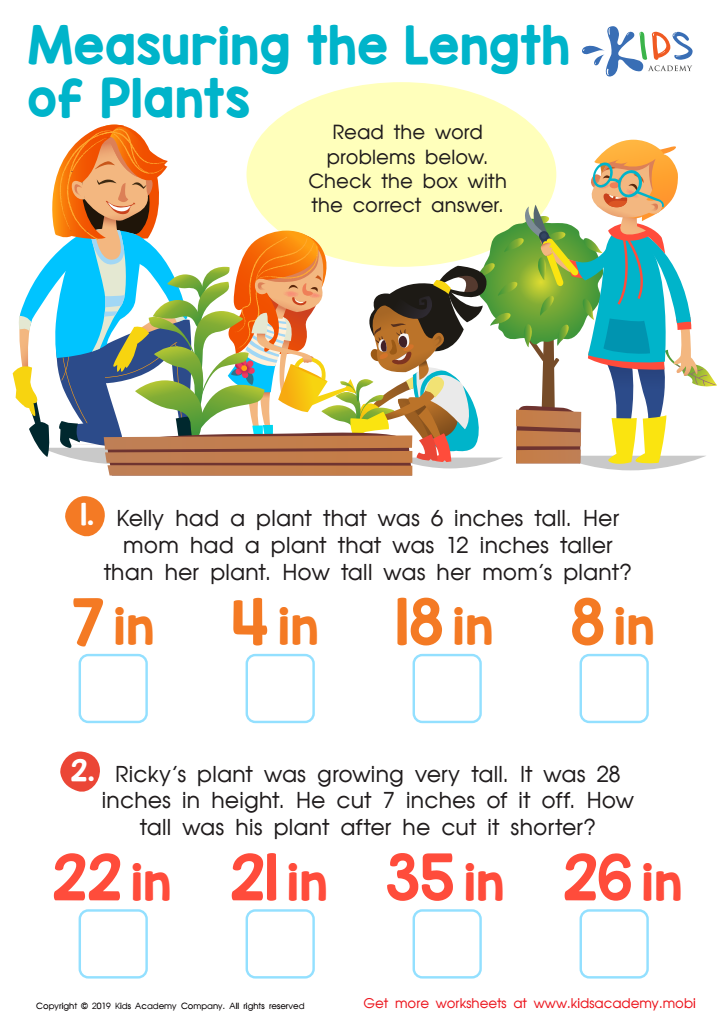
Measuring the Length of Plants Worksheet








Parents and teachers should prioritize teaching 7-year-olds how to compare lengths and numbers because these skills are foundational for their cognitive and mathematical development.
First, comparing lengths enhances spatial awareness and helps children understand measurements, an essential life skill. Recognizing the difference in lengths—whether it’s their height compared to a friend’s or the length of different classroom objects—builds intuitive knowledge of size and space. This knowledge plays a crucial role in subjects like science, geography, and even everyday activities.
Second, comparing numbers is fundamental for grasping basic arithmetic concepts. Knowing which numbers are larger, smaller, or equal establishes a basis for more complex operations such as addition, subtraction, multiplication, and division. These comparisons also foster critical thinking and problem-solving skills by encouraging children to analyze and make decisions based on quantitative data.
Moreover, both skills contribute to developing logical reasoning and mathematical vocabulary, which are crucial for effective communication of ideas and understanding increasingly complex instructions as they progress in school. Ultimately, integrating these concepts into early education provides children with essential tools that boost their confidence and competence in mathematics, setting the stage for academic success and practical life applications. Engage kids with opportunities to compare, sort, and analyze regularly—it's the key to nurturing a strong mathematical foundation.








