Shape Recognition Geometry Worksheets for 7-Year-Olds - Page 2
34 filtered results
-
From - To
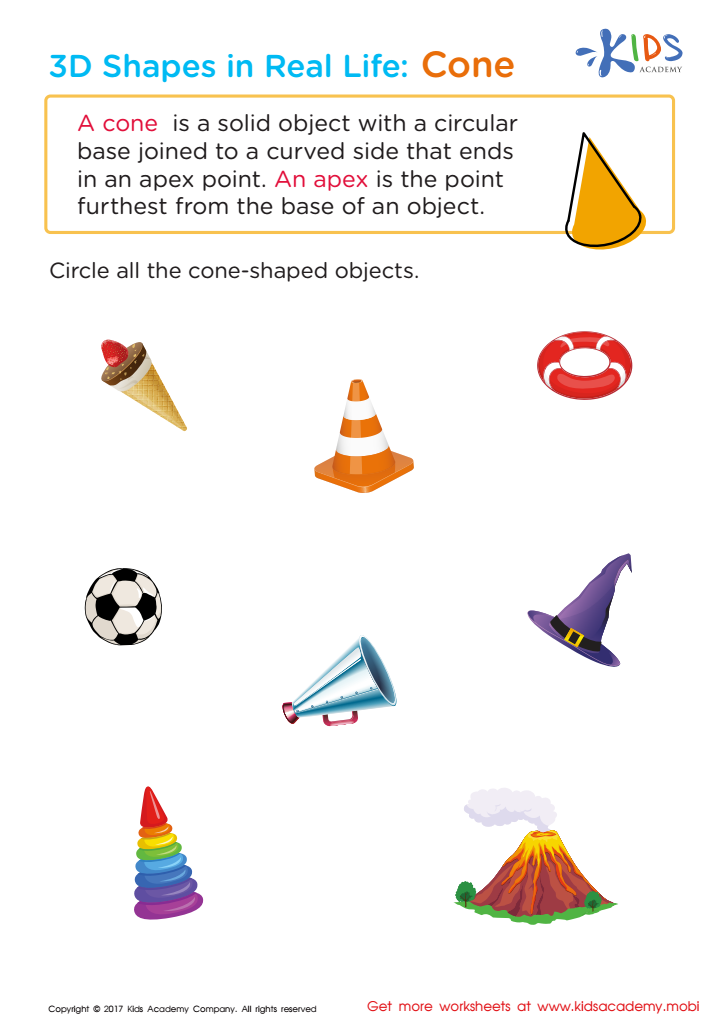
Shapes in Real Life: Cone Worksheet
 Assign to My Students











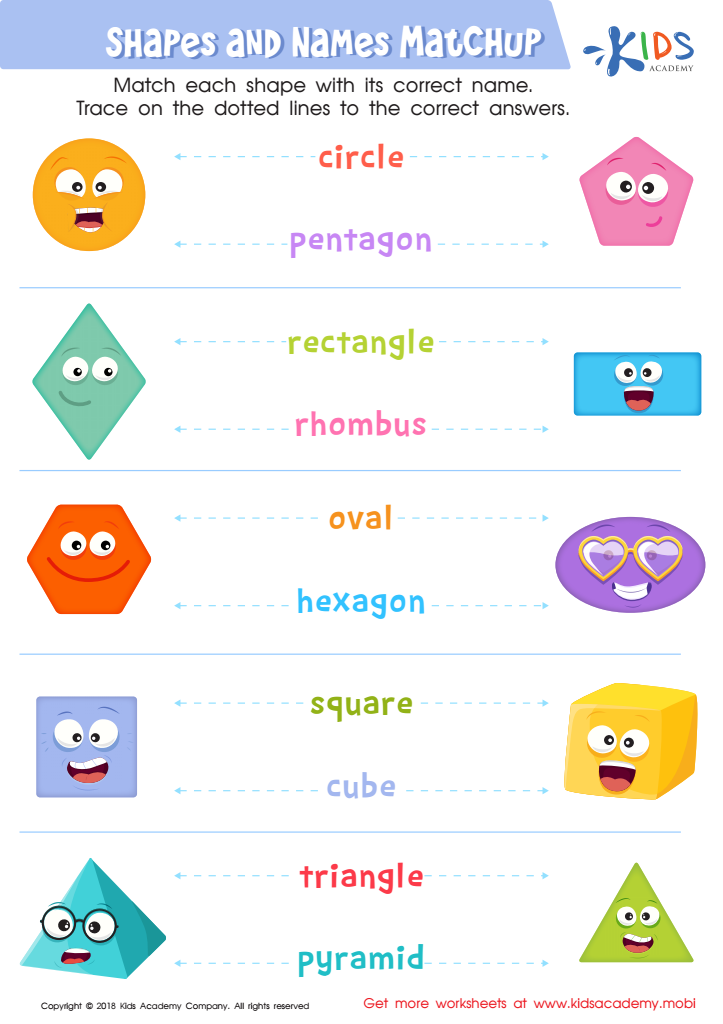
Shapes and Names Matchup Worksheet
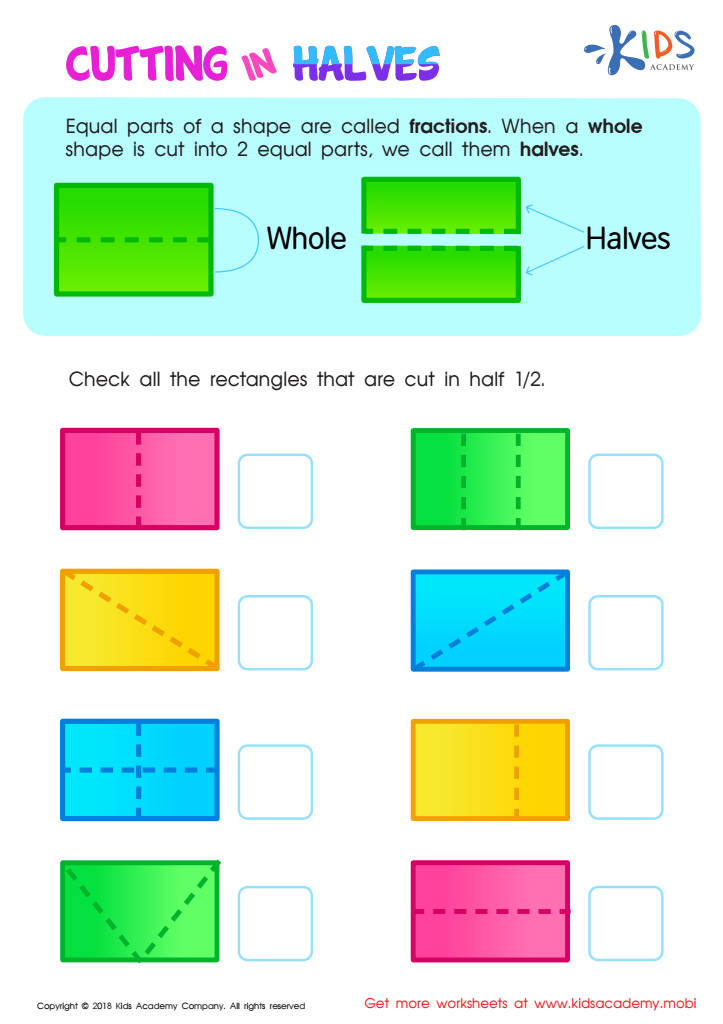
Cutting in Halves Worksheet
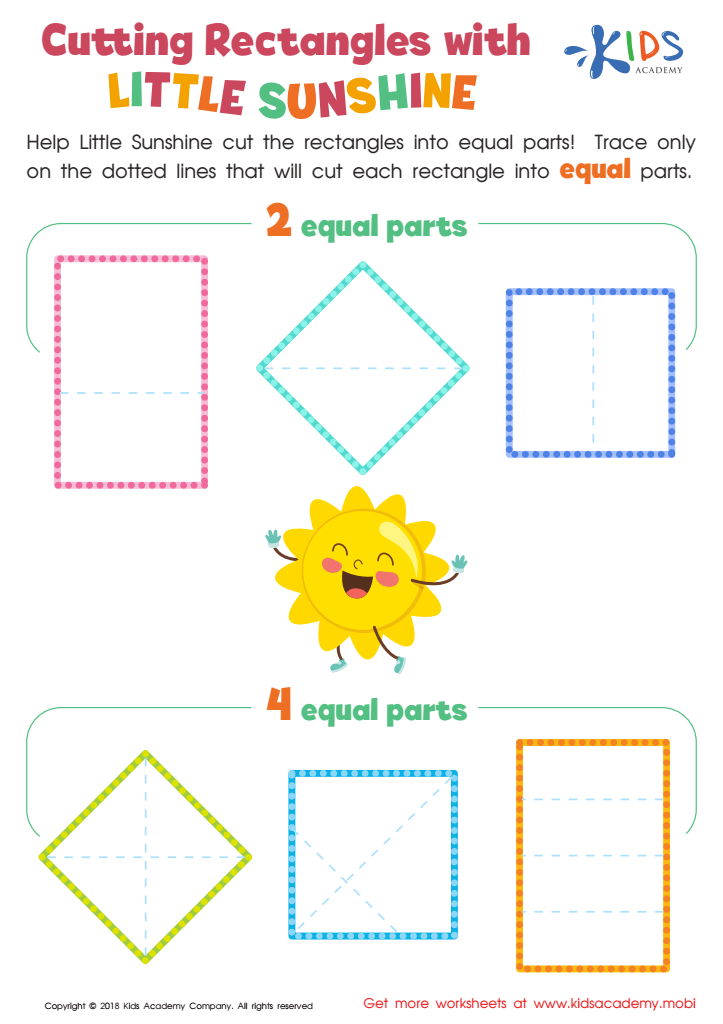
Cutting Rectangles with Little Sunshine Worksheet
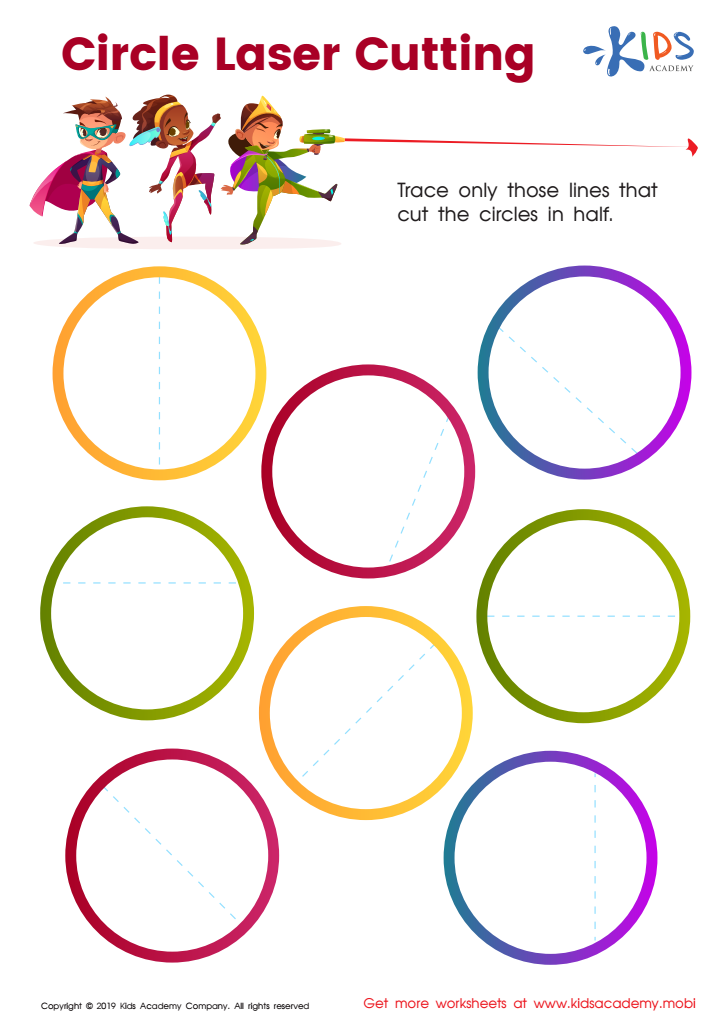
Circle Laser Cutting Worksheet
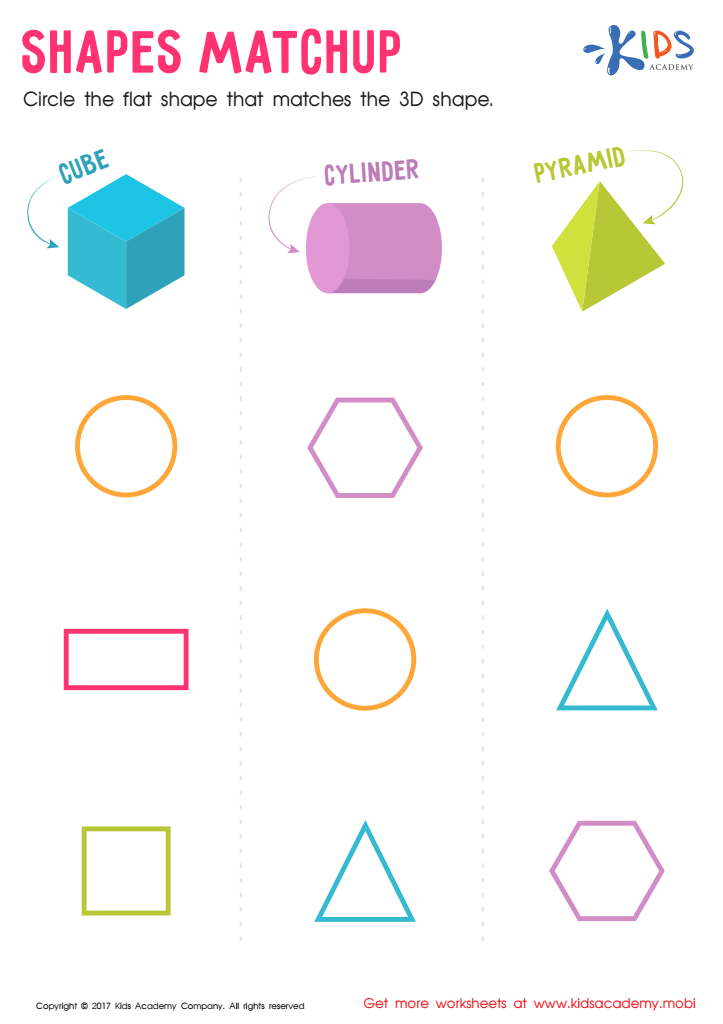
Shapes Matchup Worksheet
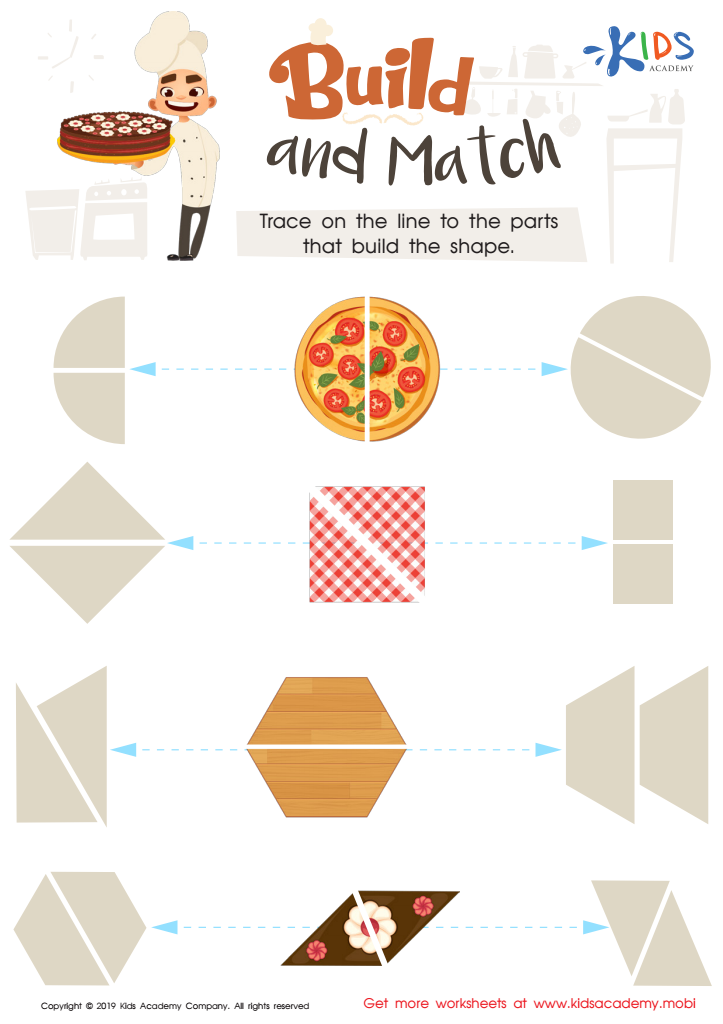
Build and Match Worksheet
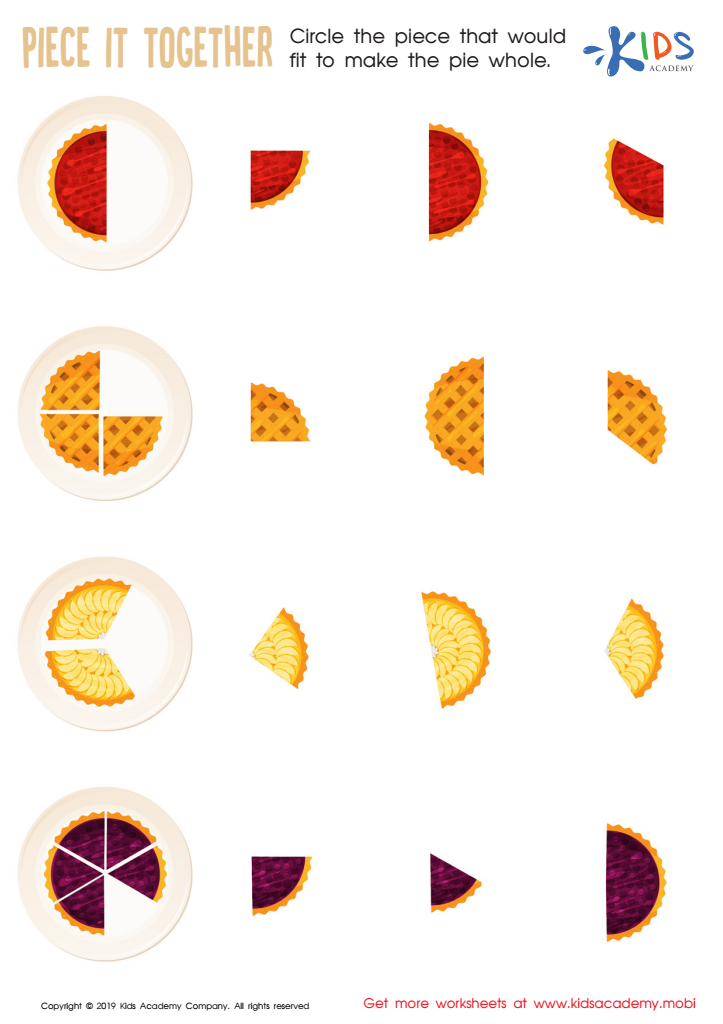
Piece it together Worksheet
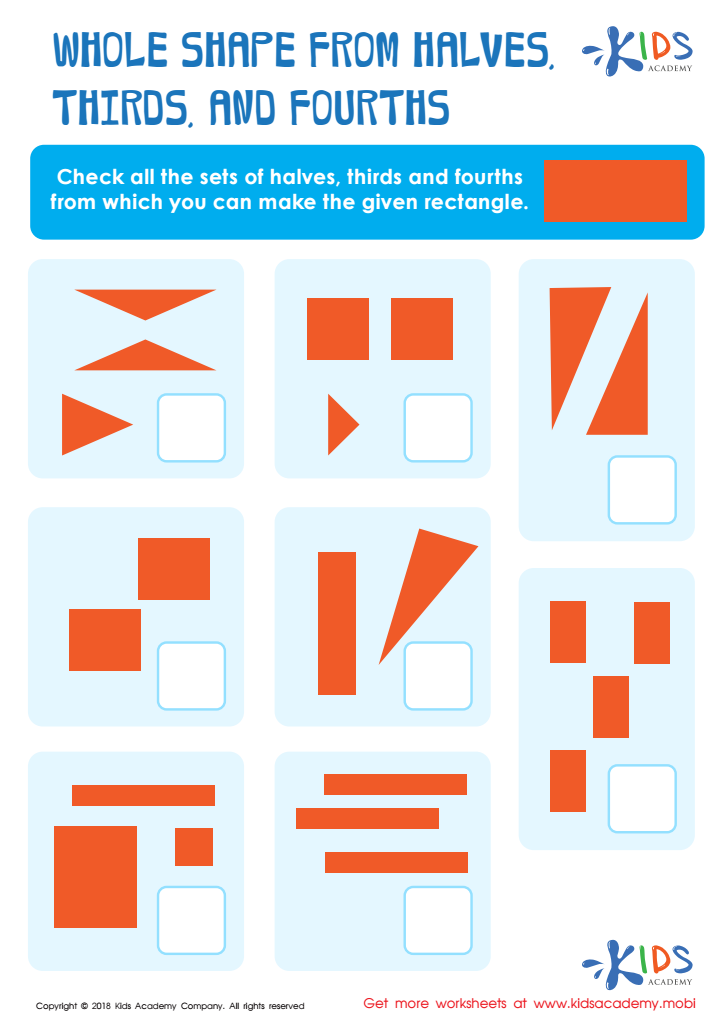
Whole Shape from Halves, Thirds and Fourths Worksheet
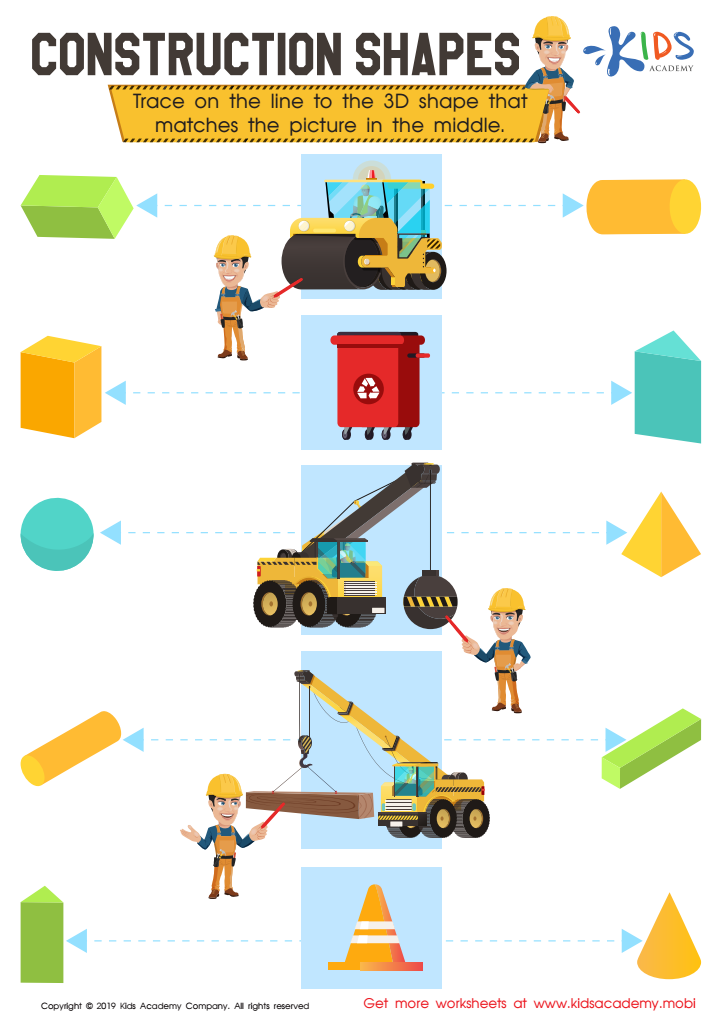
Construction Shapes Worksheet








Shape recognition is a fundamental aspect of early mathematics education and plays a crucial role in the cognitive development of 7-year-olds. At this age, children are sharpening their abilities to identify, compare, and categorize shapes, which lays the groundwork for more advanced geometric concepts. Understanding shapes enhances spatial awareness, helping children visualize and navigate their environments more effectively, skills vital for everyday life and future learning.
In addition to its academic significance, shape recognition fosters creativity and problem-solving skills. For example, as children explore how different shapes can be combined or transformed, they practice critical thinking and experimentation. This creativity extends beyond math; it influences fields such as art and design.
Moreover, recognizing shapes aids language development. When children learn the names and properties of shapes, they expand their vocabulary and improve their communication skills, which are essential for success in school and beyond.
For parents and teachers, promoting shape recognition is not just about math but nurturing a holistic approach to learning. By engaging children in activities that involve identifying and manipulating shapes, they can provide enriching educational experiences that support academic achievement and lifelong skills.








