Counting practice Numbers Worksheets for 7-Year-Olds - Page 2
27 filtered results
-
From - To
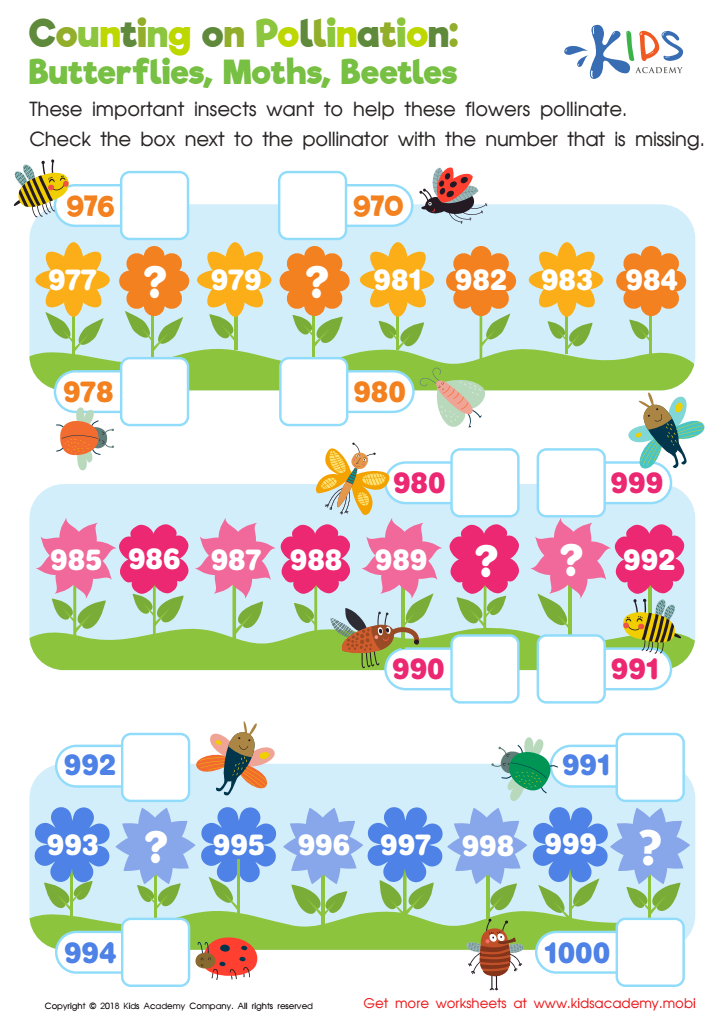
Counting on Pollination: Butterflies, Moths, Beetles Worksheet
 Assign to My Students

Counting on the City Skyline: Dot-to-Dot Worksheet
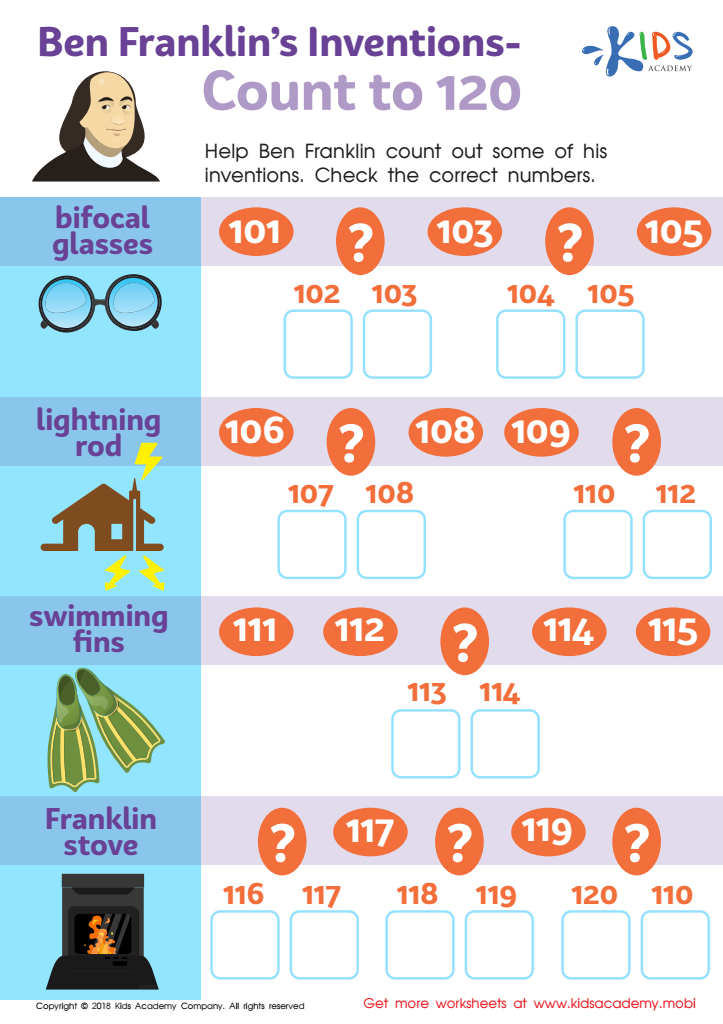
Ben Franklin’s Inventions – Count to 120 Worksheet




.jpg)


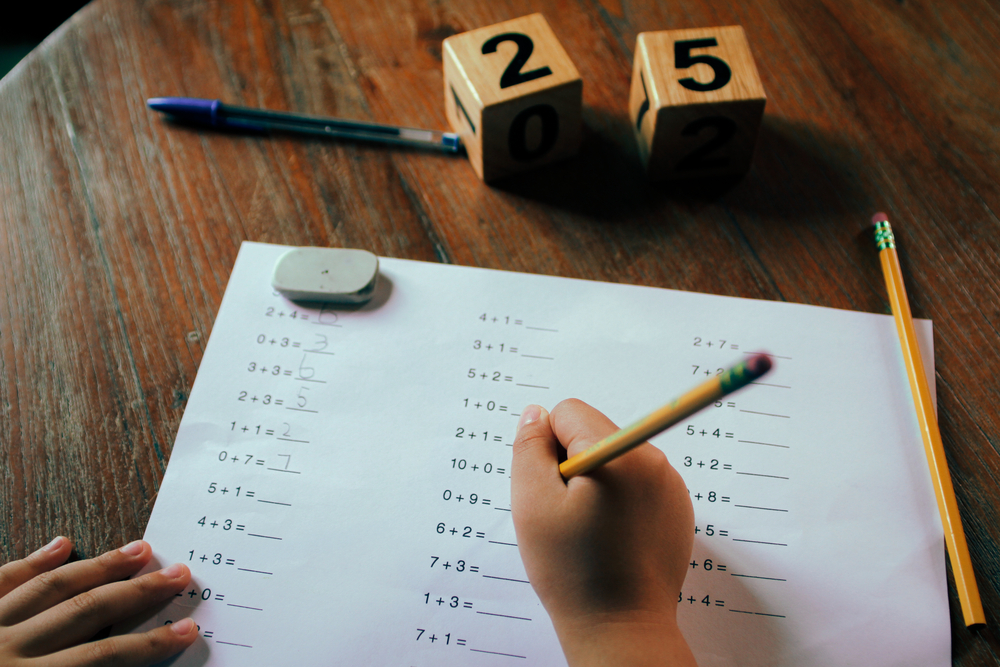
Counting practice for 7-year-olds is essential for several reasons. First, mastering counting lays a strong foundation for more complex mathematical concepts like addition, subtraction, and problem-solving. When children can confidently count, they are better prepared to tackle challenges that will arise in arithmetic and beyond.
Furthermore, counting practice enhances cognitive development, as it helps children improve their memory and concentration. This skillset aids in both academic and everyday scenarios, allowing them to navigate the world with confidence. Counting activities can also sharpen fine motor skills through hands-on practices, such as using manipulatives or writing numbers, making learning more engaging.
Additionally, regular counting practice fosters a sense of achievement in children. As they see progress in their counting abilities, their self-esteem rises, encouraging perseverance and a positive attitude towards learning. Parents and teachers play a crucial role in encouraging this practice. By incorporating fun and varied counting activities—like games, songs, or interactive exercises—adults can transform counting into an enjoyable experience.
Ultimately, investing time in counting practice not only supports academic success but also contributes to a child's overall development and confidence, which are key for lifelong learning.








