Identifying patterns Math Worksheets for 7-Year-Olds
3 filtered results
-
From - To
Explore our engaging Identifying Patterns Math Worksheets designed specifically for 7-year-olds! These worksheets aid young learners in recognizing and understanding patterns in numbers and shapes, crucial skills in early math education. Our colorful and interactive activities make learning fun, improving critical thinking and problem-solving abilities. With a variety of exercises, children will develop confidence in identifying repeating sequences and manipulating patterns. Perfect for home practice or classroom activities, our worksheets align with educational standards, ensuring a well-rounded math foundation. Download and inspire your child’s love for math today—transform learning into an exciting adventure!
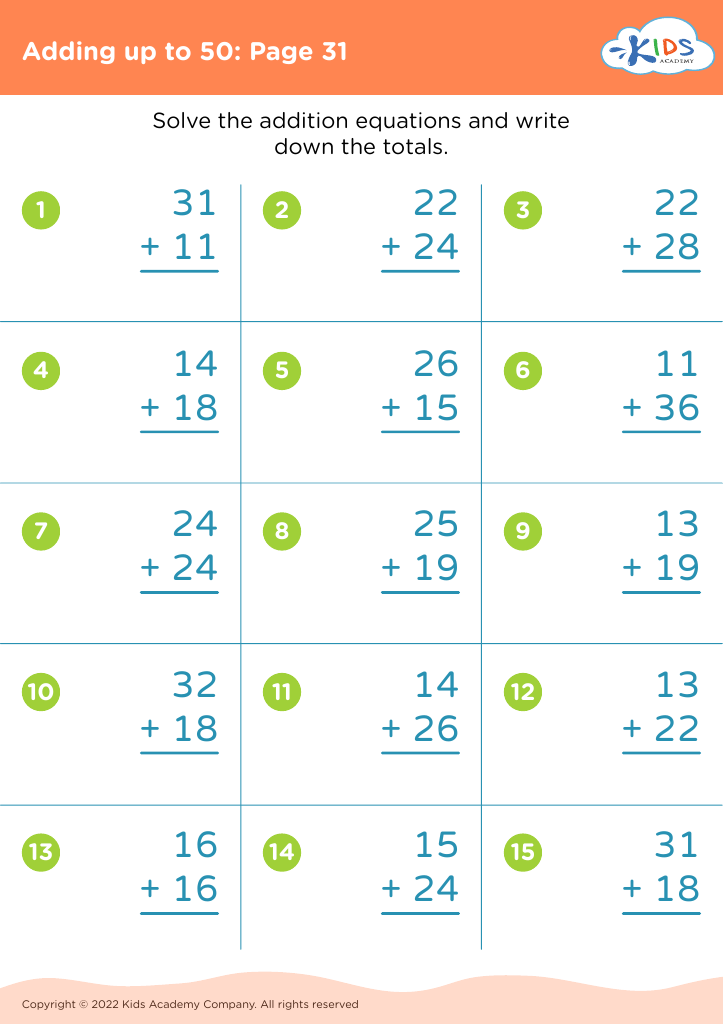
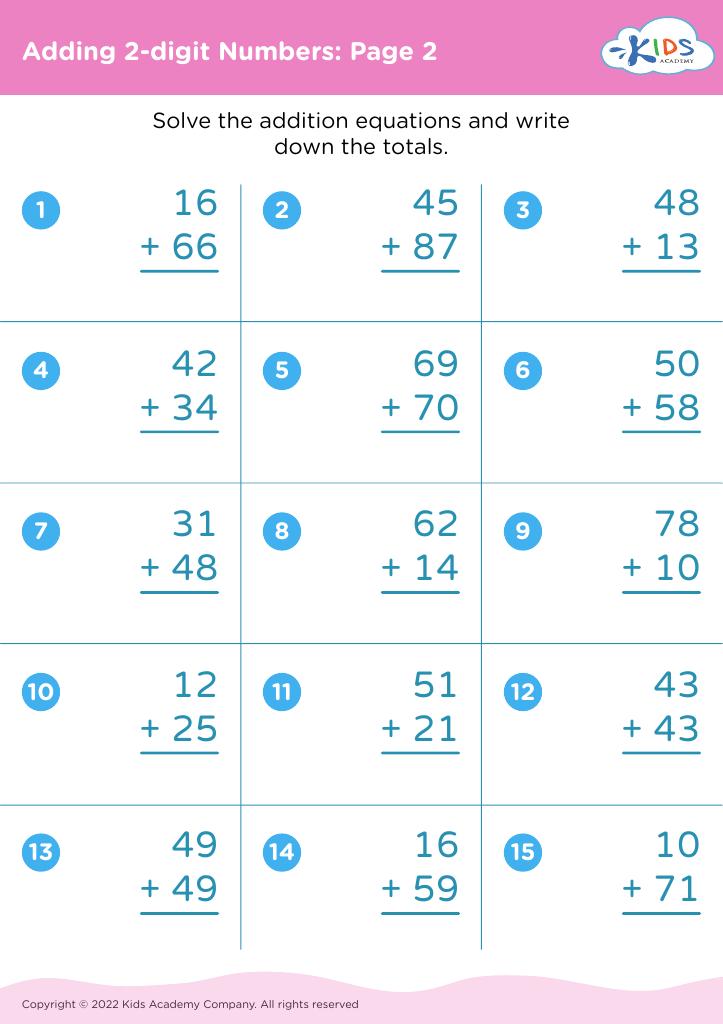
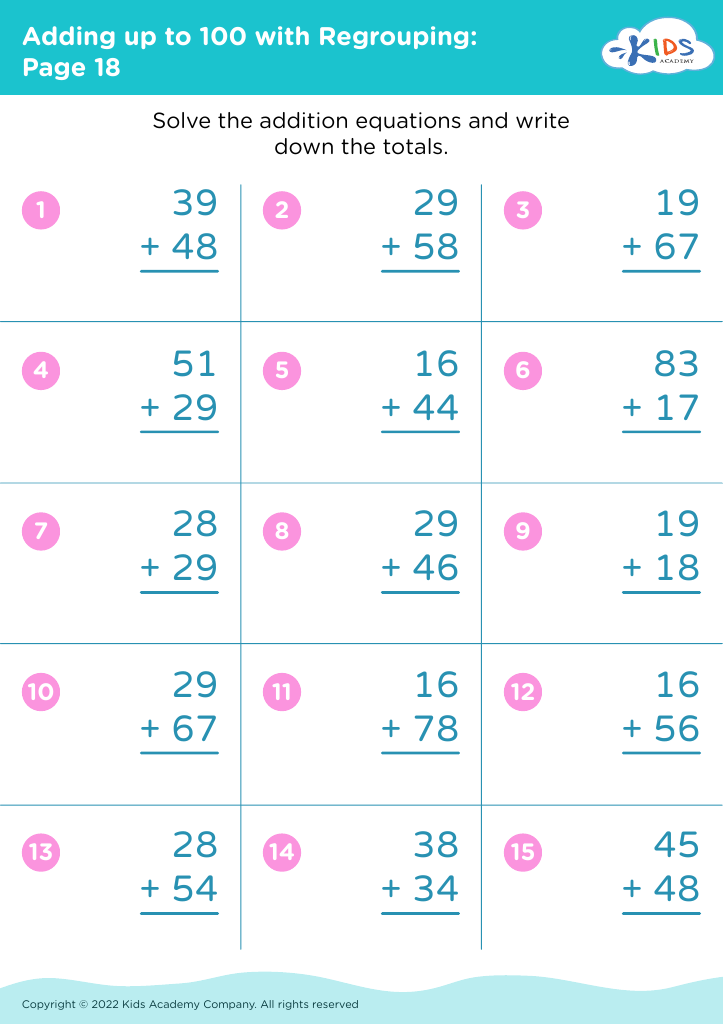







Identifying patterns in math is a foundational skill for 7-year-olds that significantly enhances their overall cognitive development. For parents and teachers, fostering this ability is crucial as it lays the groundwork for more complex mathematical concepts that children will encounter later. Recognizing patterns helps children develop strong problem-solving skills and promotes critical thinking. It enables them to see relationships and make predictions based on observed sequences, which are vital skills in both mathematics and real-life situations.
Moreover, learning about patterns encourages curiosity and can make math engaging and fun. This engagement can lead to a positive attitude toward math, reducing the anxiety some children may feel about the subject. Identifying patterns also supports literacy development, as children start to associate patterns in numbers with patterns in sounds, shapes, and rhythms.
Furthermore, early mastery of pattern recognition can boost confidence in a child's mathematical abilities, fostering a love for learning. Parents and teachers should collaborate to create a supportive learning environment, using games, puzzles, and everyday examples to highlight patterns. This approach not only enriches children's math skills but also nurtures a lifelong love for learning and exploration.








