Improve reading skills Math Worksheets for 7-Year-Olds - Page 2
31 filtered results
-
From - To
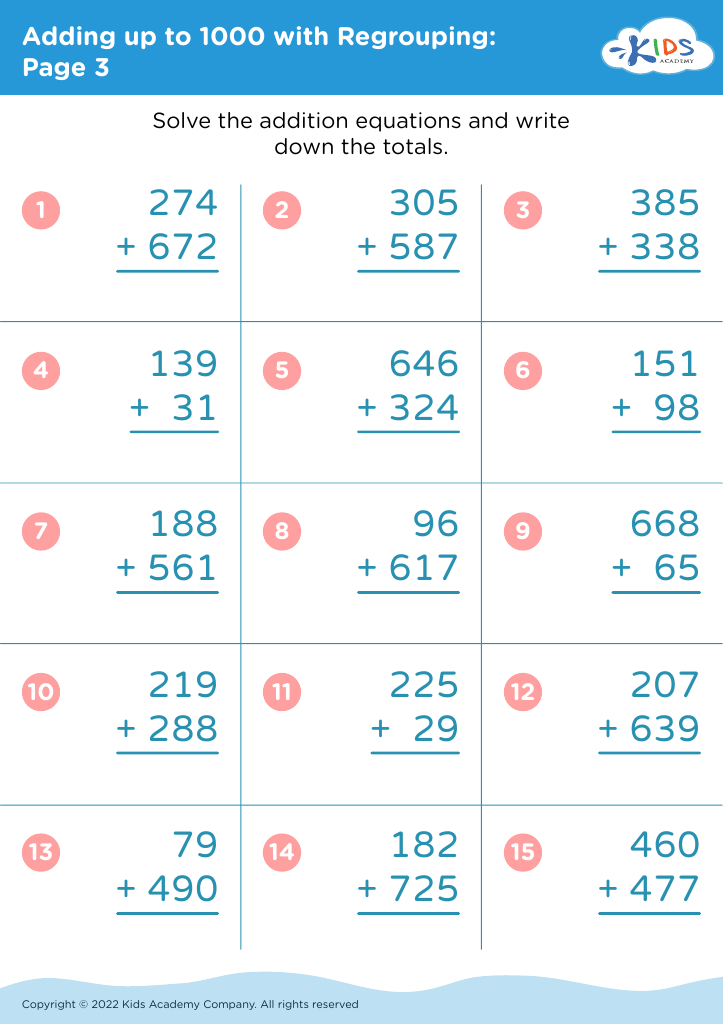
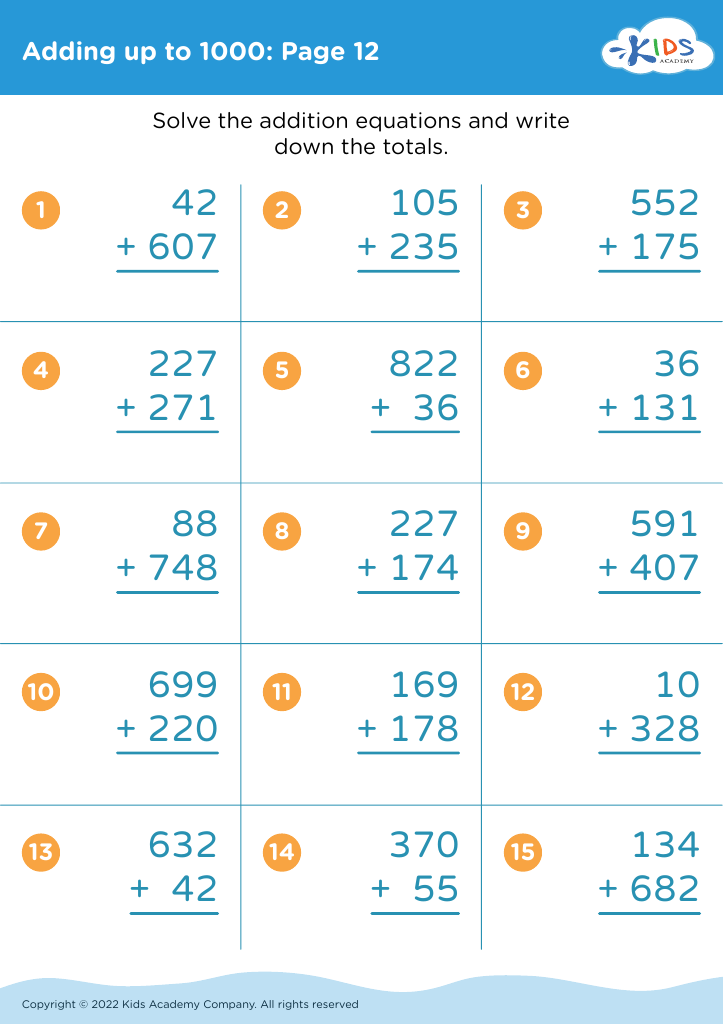
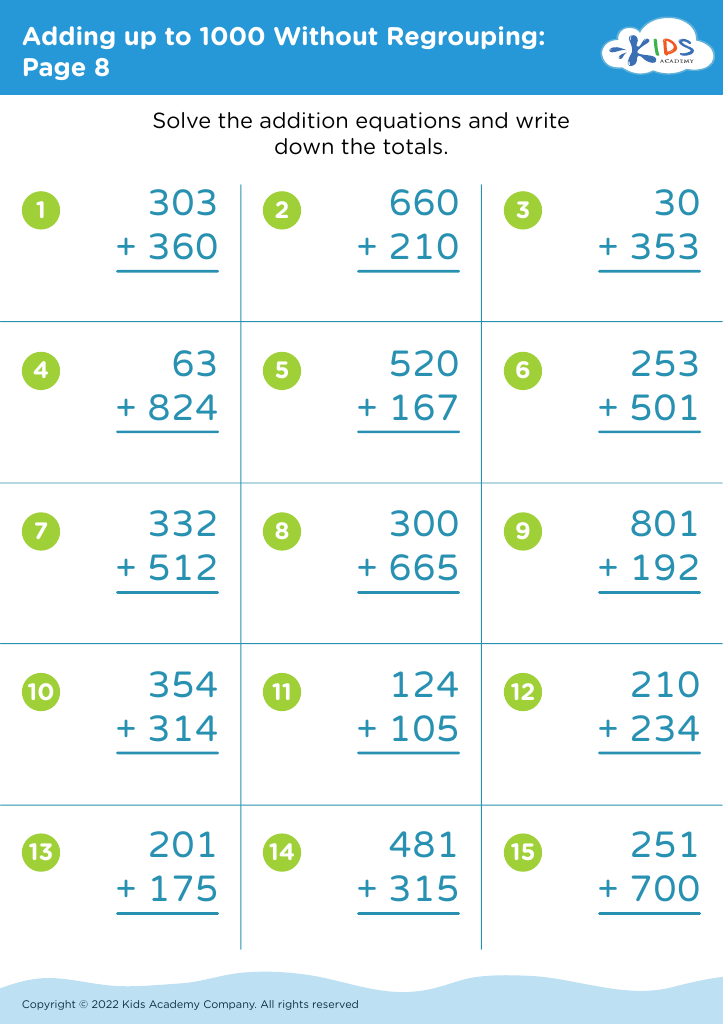
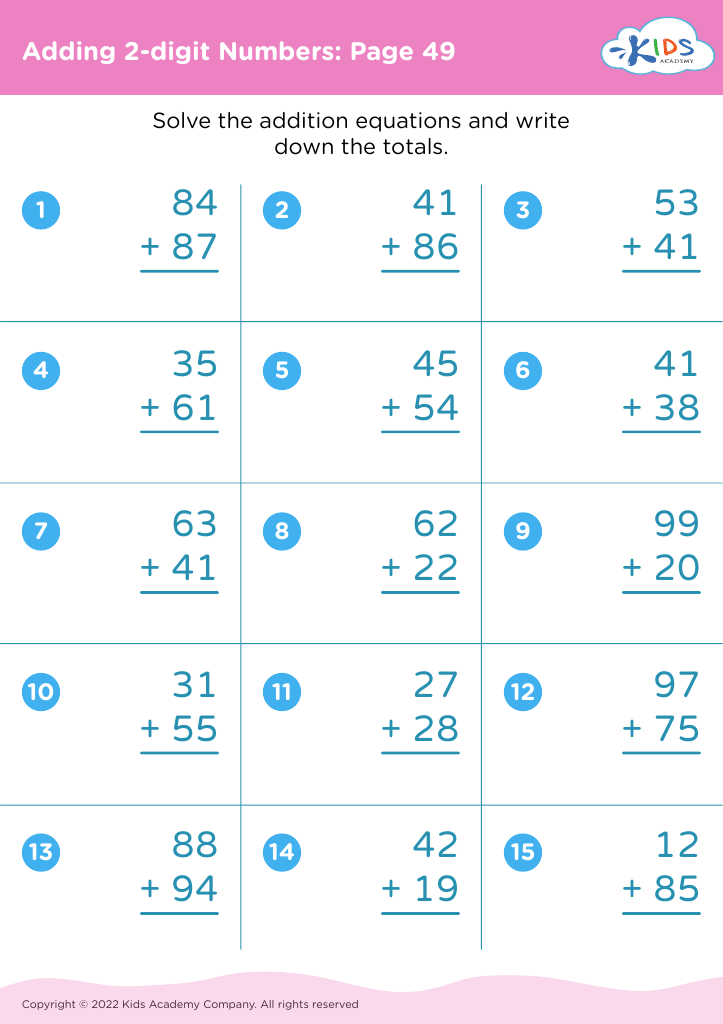








Improving reading skills in mathematics for 7-year-olds is essential for several reasons. First, many math problems are presented in text form that requires comprehension and critical thinking. If children struggle with reading, they may find it challenging to understand the word problems or instructions, leading to frustration and poor performance in mathematics.
Moreover, reading and math skills are interrelated. Mastering reading helps children better grasp mathematical concepts, which often rely on specific vocabulary and verbal reasoning. This interconnection allows them to engage with math in a deeper and more meaningful way.
Building strong reading skills at an early age also fosters a love for learning. When children can confidently read and understand math problems, they feel more empowered to tackle challenges, reducing math anxiety and increasing overall academic success.
Additionally, supporting reading in math encourages essential life skills such as problem-solving, critical thinking, and perseverance. Parents and teachers play a crucial role in guiding children through this process. By focusing on improving reading skills in mathematics, adults can help young learners become well-rounded, confident individuals prepared for future academic and life challenges. Ultimately, early investment in these foundational skills paves the way for lifelong learning and success.








