Recognizing equal parts Math Worksheets for 7-Year-Olds
3 filtered results
-
From - To
Discover our engaging "Recognizing Equal Parts Math Worksheets" designed specifically for 7-year-olds! These worksheets help young learners understand the concept of fractions and equal parts through fun and interactive exercises. Children will encounter colorful visuals and relatable scenarios that encourage them to identify halves, thirds, and other equal parts in various everyday items. Our resources promote confidence in math skills, making learning enjoyable and effective. Ideal for classroom use or at-home practice, these worksheets serve as a perfect tool to reinforce fraction concepts and develop critical thinking. Empower your child’s math journey today with our thoughtfully crafted materials!
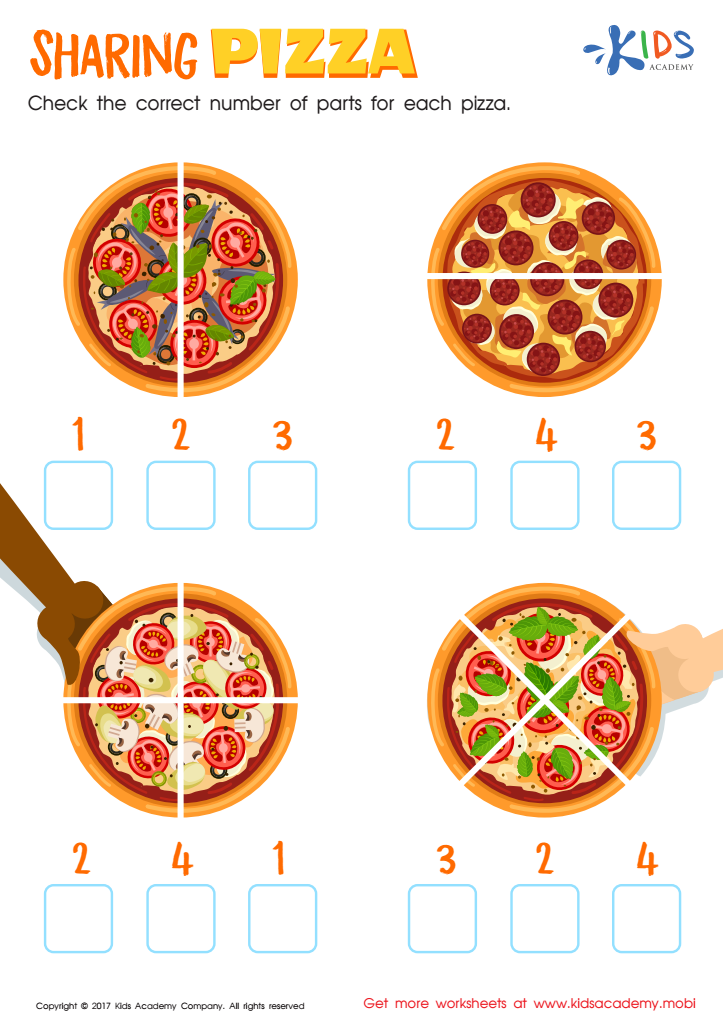
Sharing Pizza Worksheet
 Assign to My Students
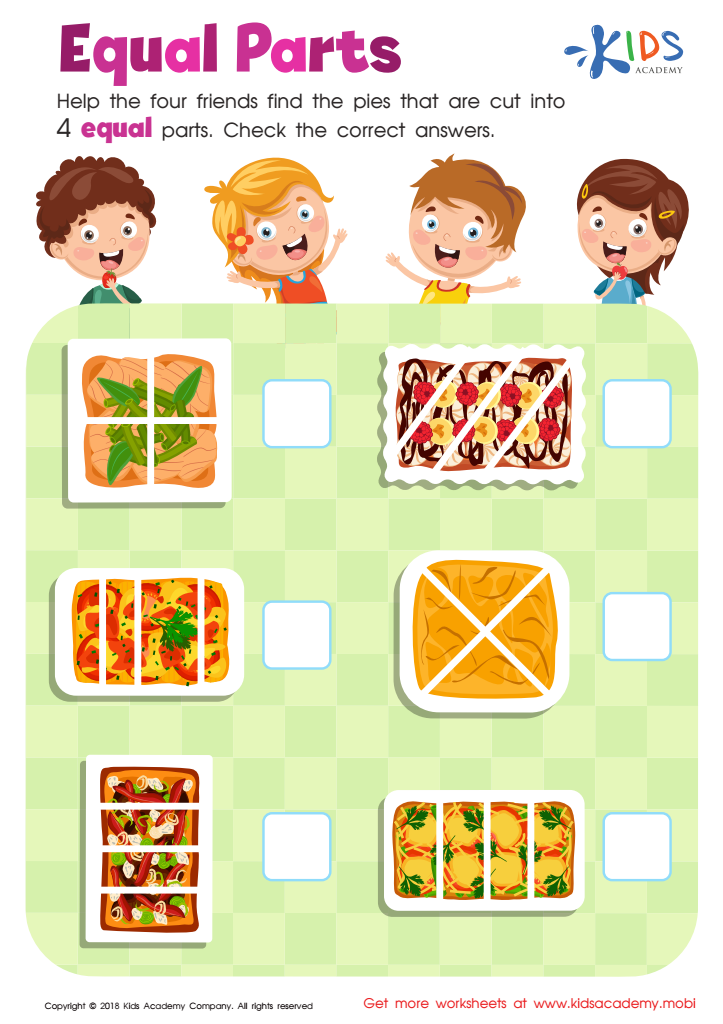
Equal Parts: Food Worksheet



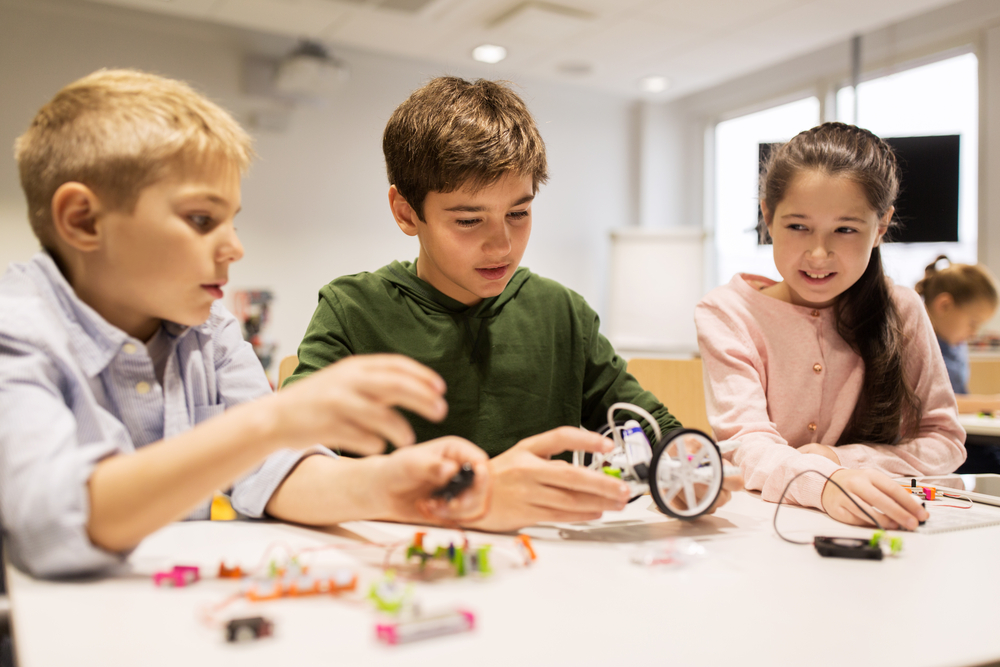


Recognizing equal parts is a fundamental mathematical concept that serves as the foundation for various advanced topics in mathematics and critical thinking. For seven-year-olds, this understanding becomes pivotal as they begin to explore fractions and division. Parents and teachers should care about this concept because it fosters an early appreciation of numbers and their relationships in real-world contexts, such as sharing food evenly or distributing items fairly.
Moreover, grasping equal parts encourages problem-solving skills. When children can identify and create equal pieces, they develop insights into fairness and balance, which are applicable beyond mathematics and into their everyday lives. This deep comprehension also builds a solid base for future mathematical concepts, such as measurement and geometry, making transitions to more complex topics smoother.
Finally, supporting children's understanding of equal parts engages them in discussions about equity and inclusion, valuable life skills that resonate well beyond the classroom. By recognizing and nurturing this foundational skill, parents and teachers play a critical role in shaping a child’s mathematical identity and confidence, fostering a lifelong love for learning while equipping them with essential cognitive skills.








