Check out this FREE Trial Lesson on Math for age 7!

Match Objects that Fit Together

Favorites
With answer key
Interactive
  • 7
  • Understanding fractions
  • Math
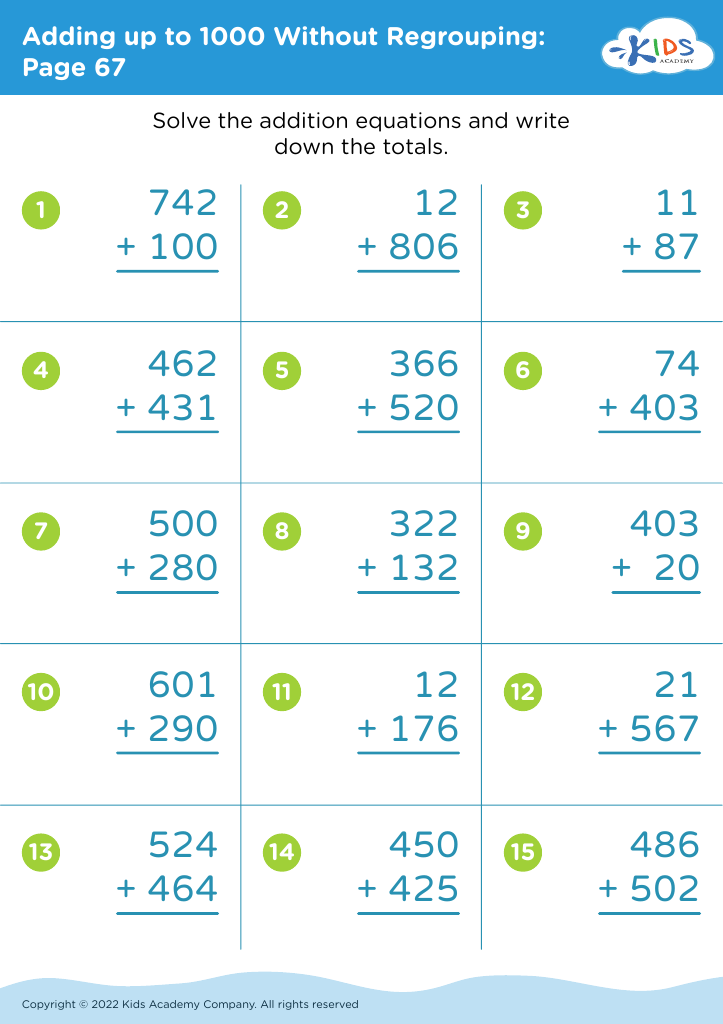
Adding up to 1000 Without Regrouping: Page 67
Worksheet
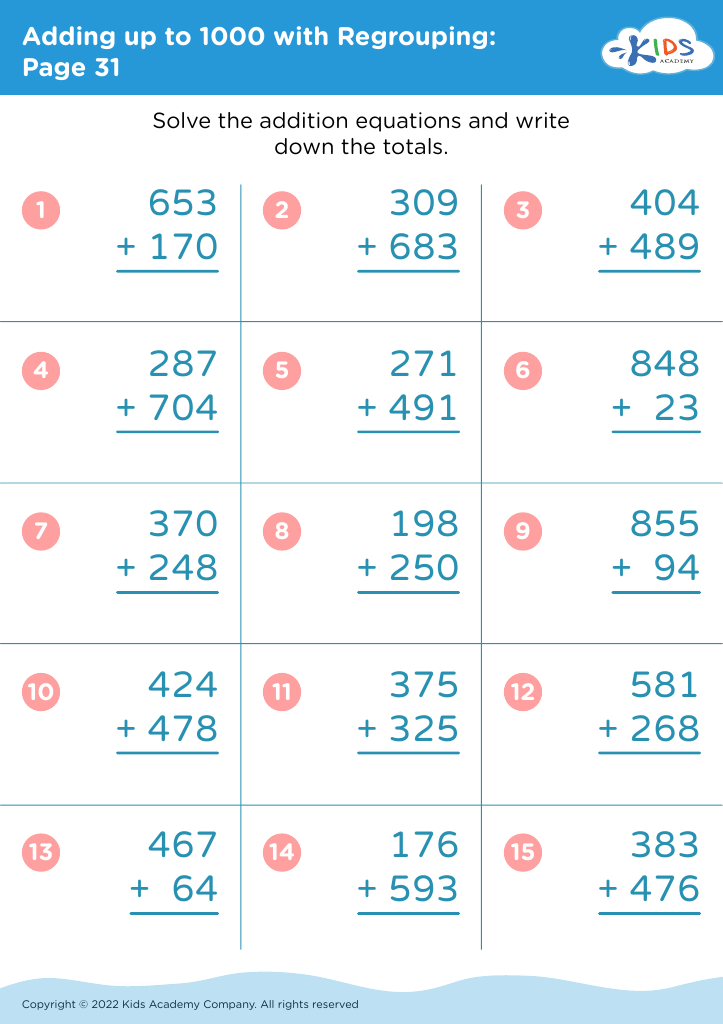
Adding up to 1000 with Regrouping: Page 31
Worksheet
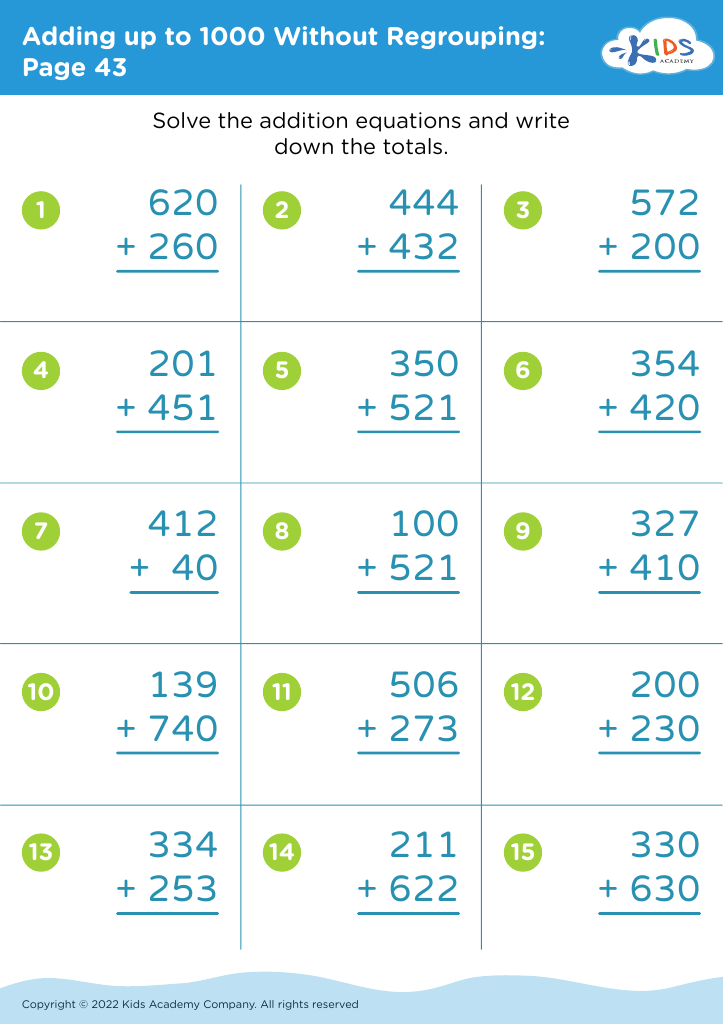
Adding up to 1000 Without Regrouping: Page 43
Worksheet
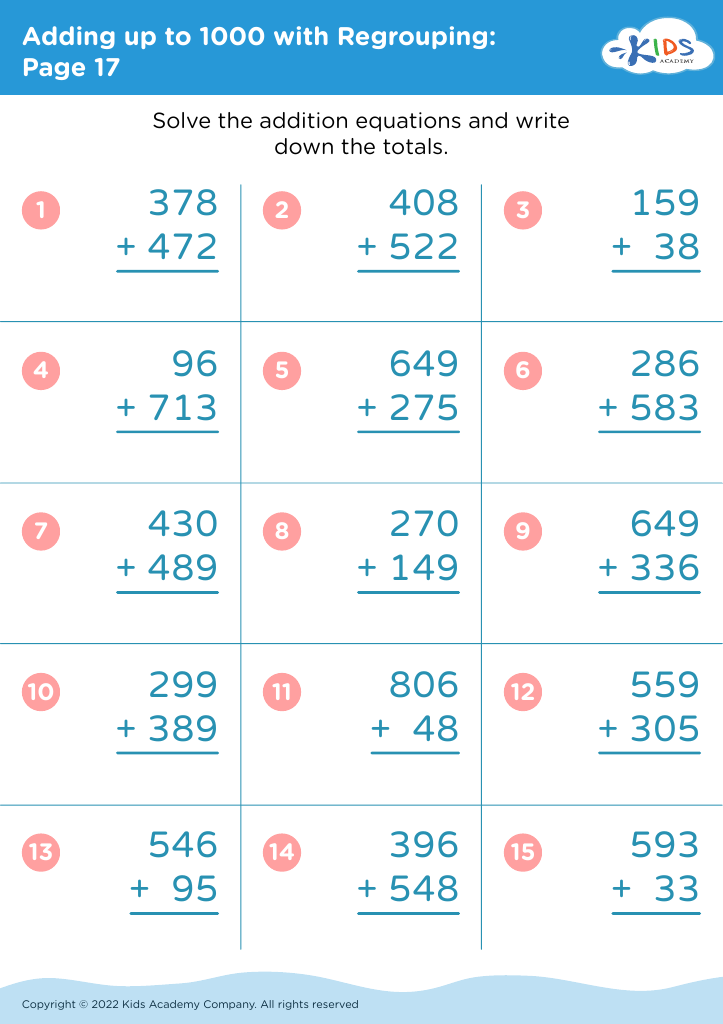
Adding up to 1000 with Regrouping: Page 17
Worksheet
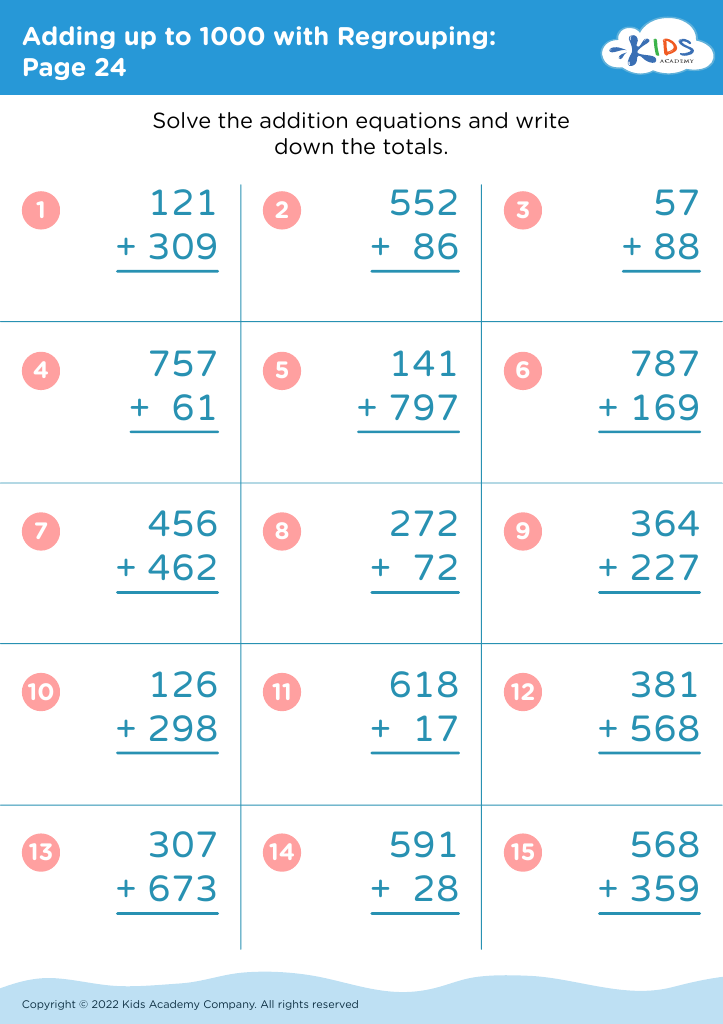
Adding up to 1000 with Regrouping: Page 24
Worksheet
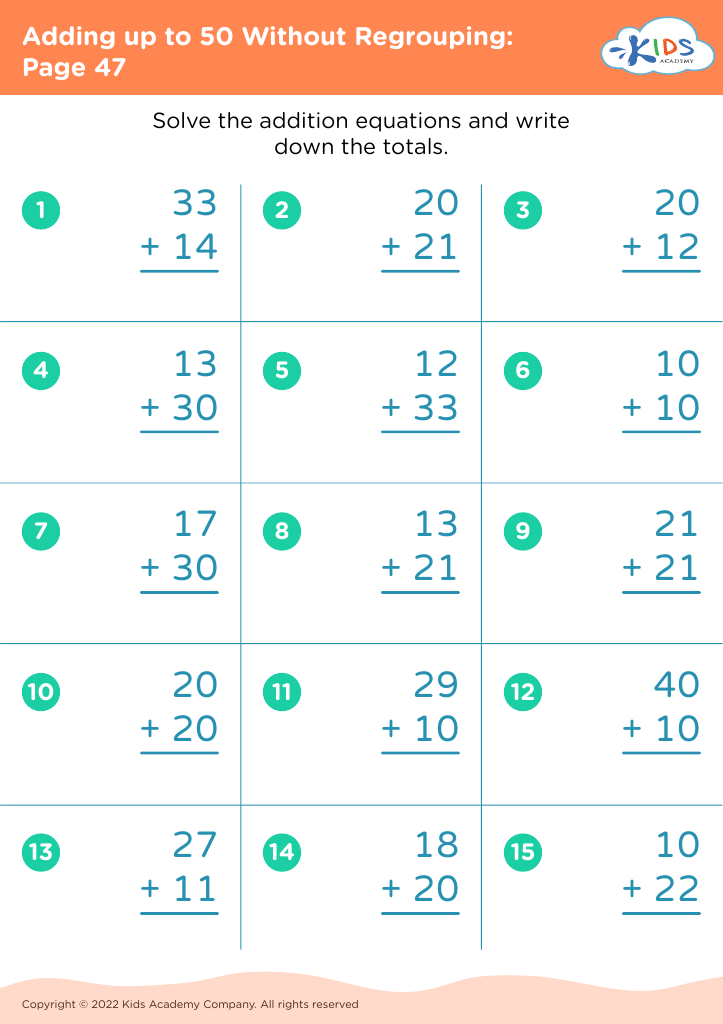
Adding up to 50 Without Regrouping: Page 47
Worksheet
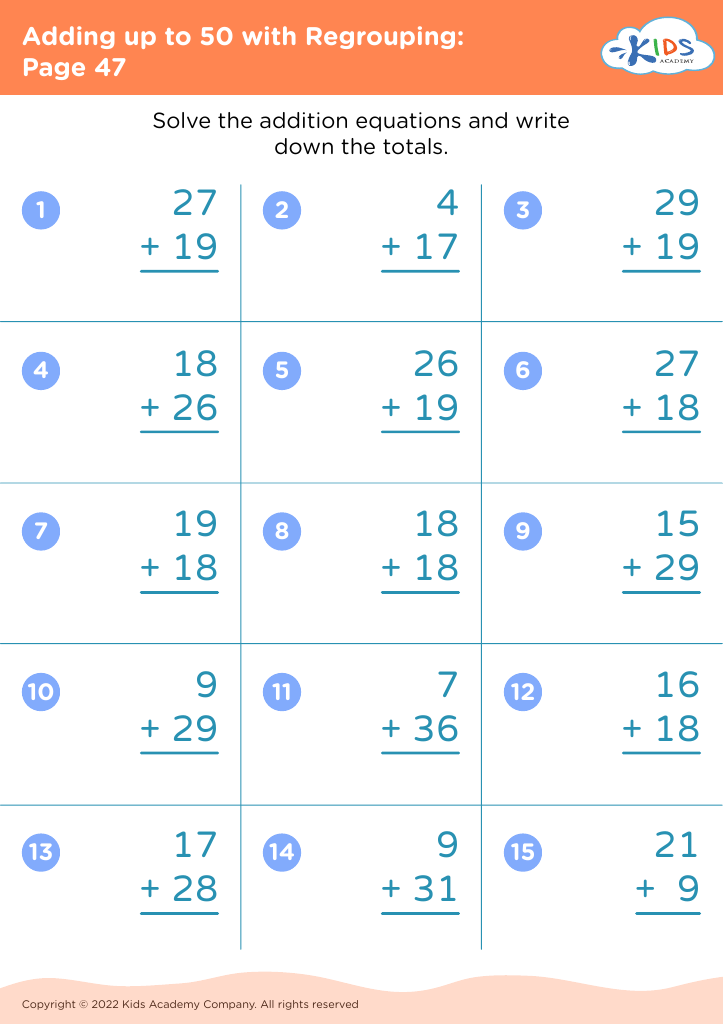
Adding up to 50 with Regrouping: Page 47
Worksheet
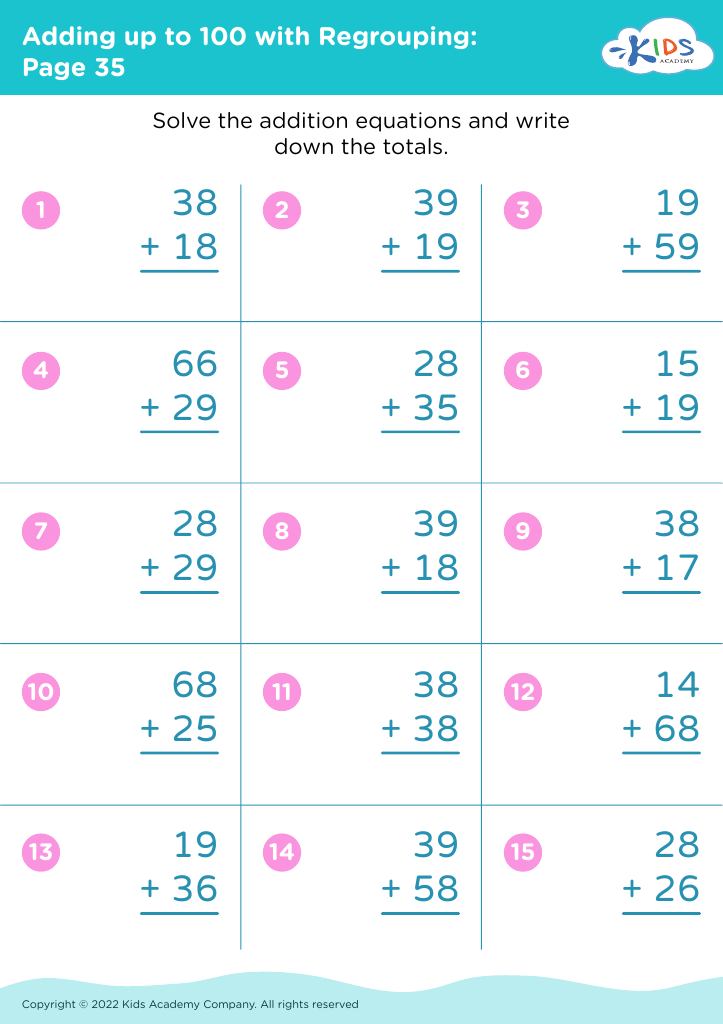
Adding up to 100 with Regrouping: Page 35
Worksheet
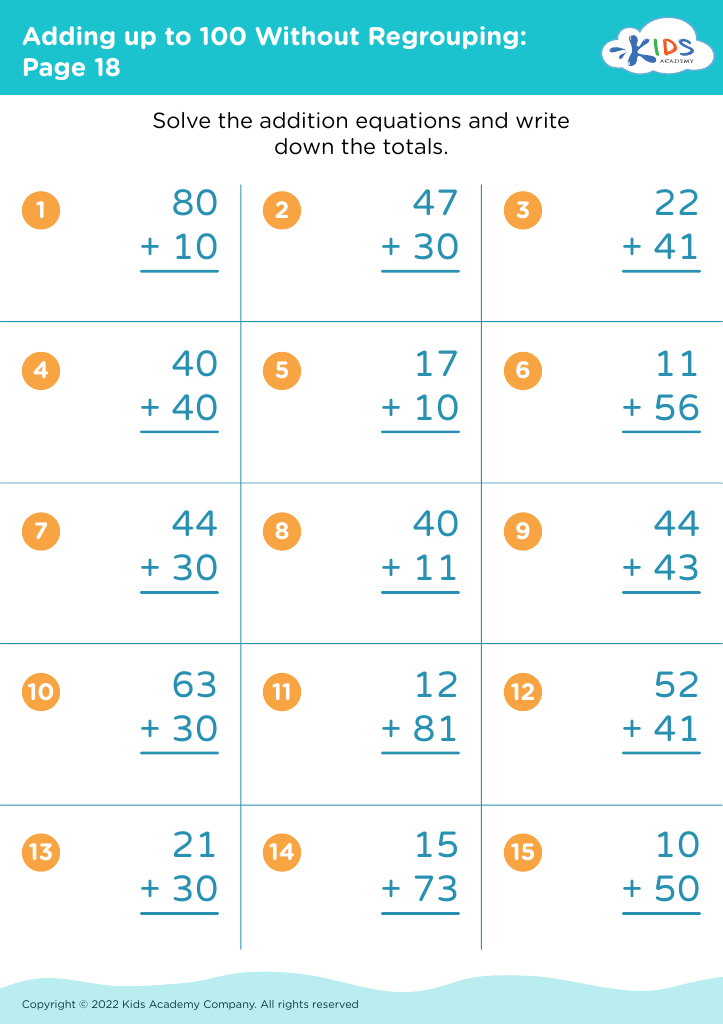
Adding up to 100 Without Regrouping: Page 18
Worksheet
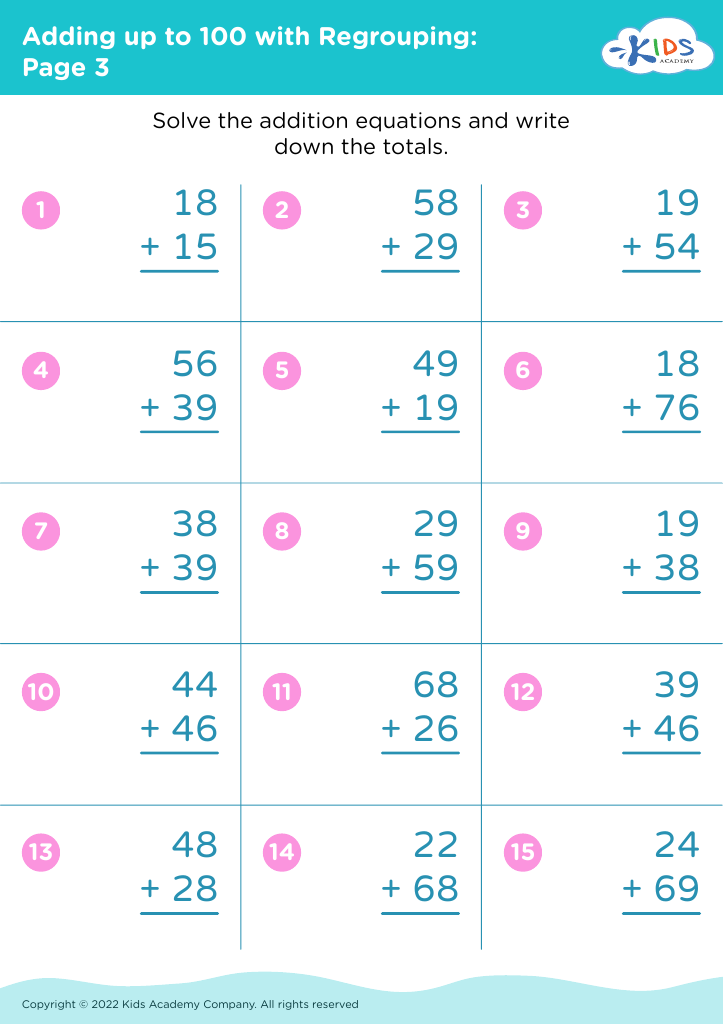
Adding up to 100 with Regrouping: Page 3
Worksheet
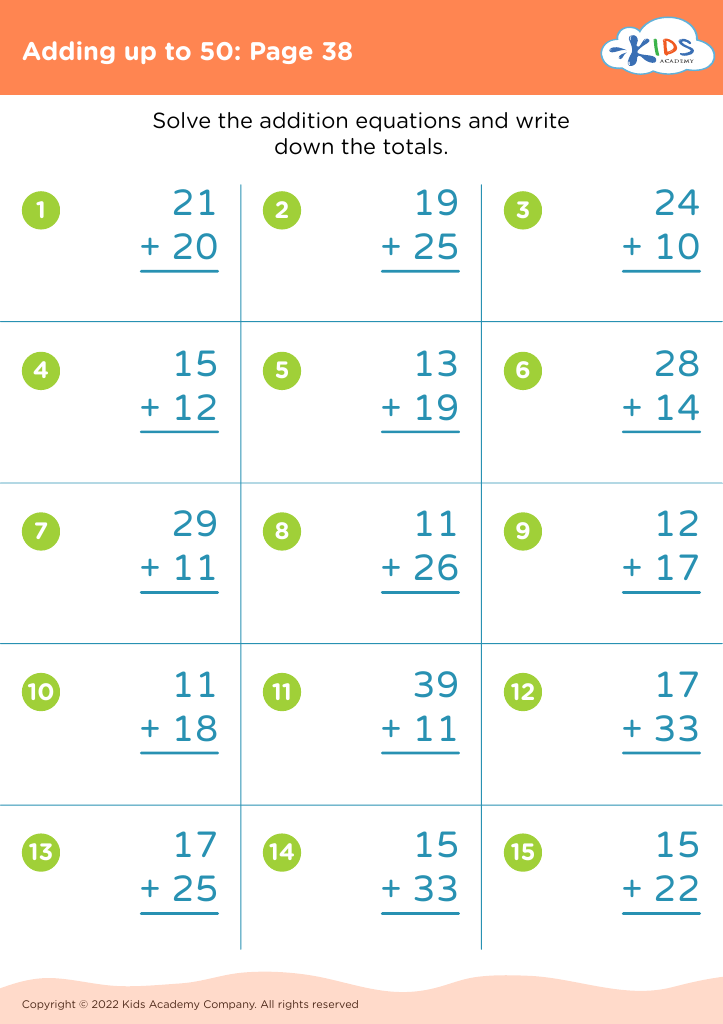
Adding up to 50: Page 38

Adding up to 50: Page 38

Adding up to 50: Page 38
Worksheet
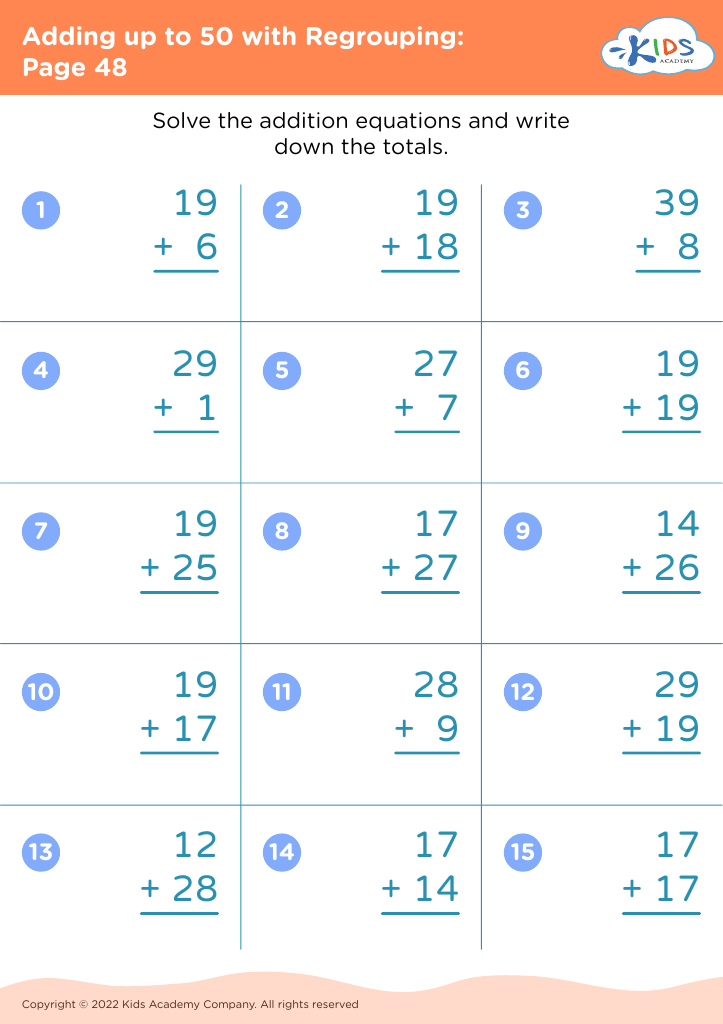
Adding up to 50 with Regrouping: Page 48
Worksheet
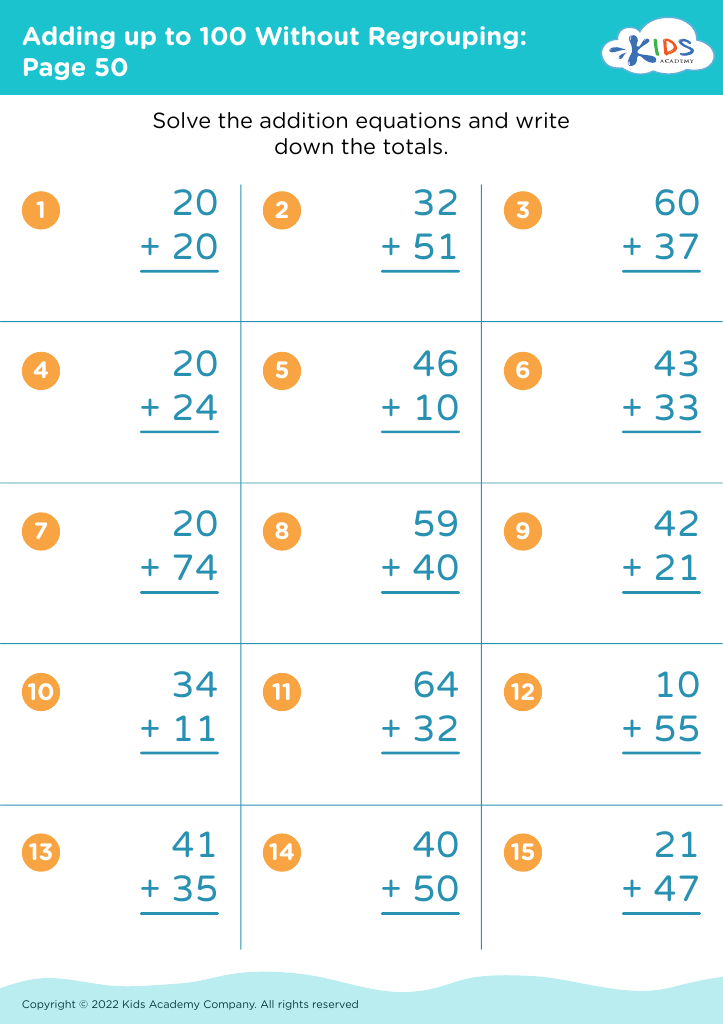
Adding up to 100 Without Regrouping: Page 50
Worksheet
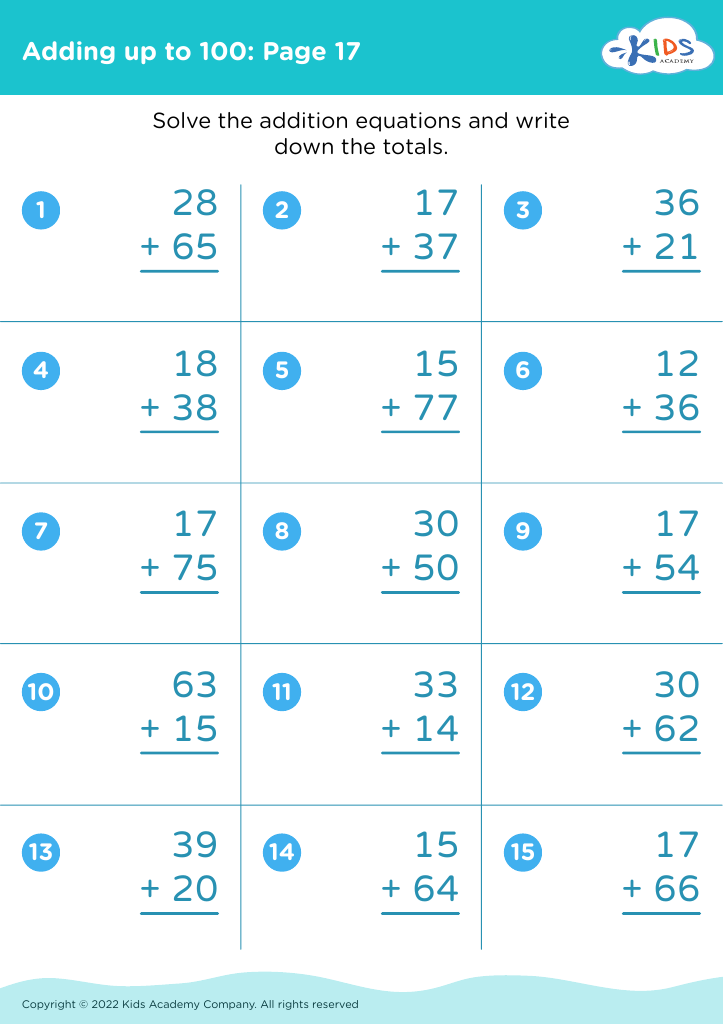
Adding up to 100: Page 17

Adding up to 100: Page 17

Adding up to 100: Page 17
Worksheet
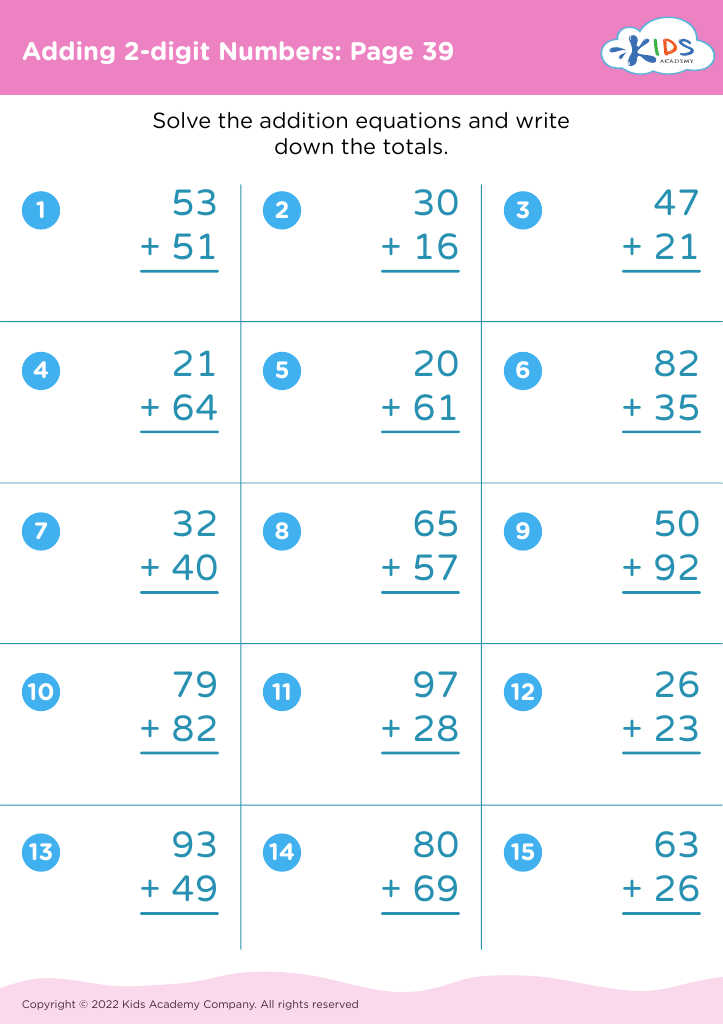
Adding 2-digit Numbers: Page 39

Adding 2-digit Numbers: Page 39

Adding 2-digit Numbers: Page 39
Worksheet
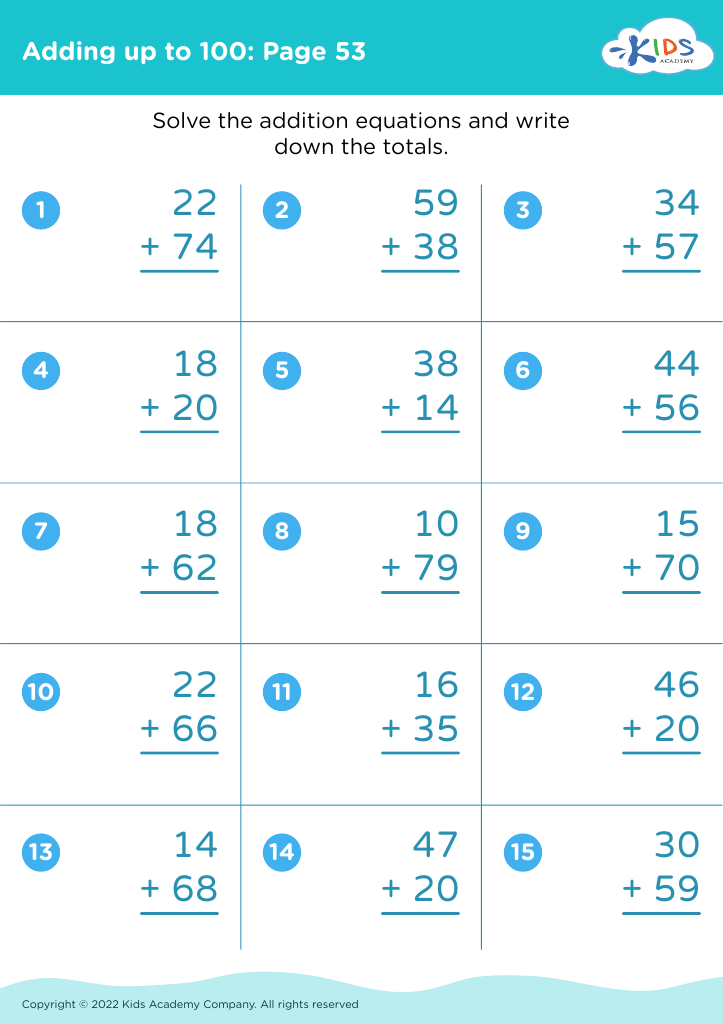
Adding up to 100: Page 53

Adding up to 100: Page 53

Adding up to 100: Page 53
Worksheet
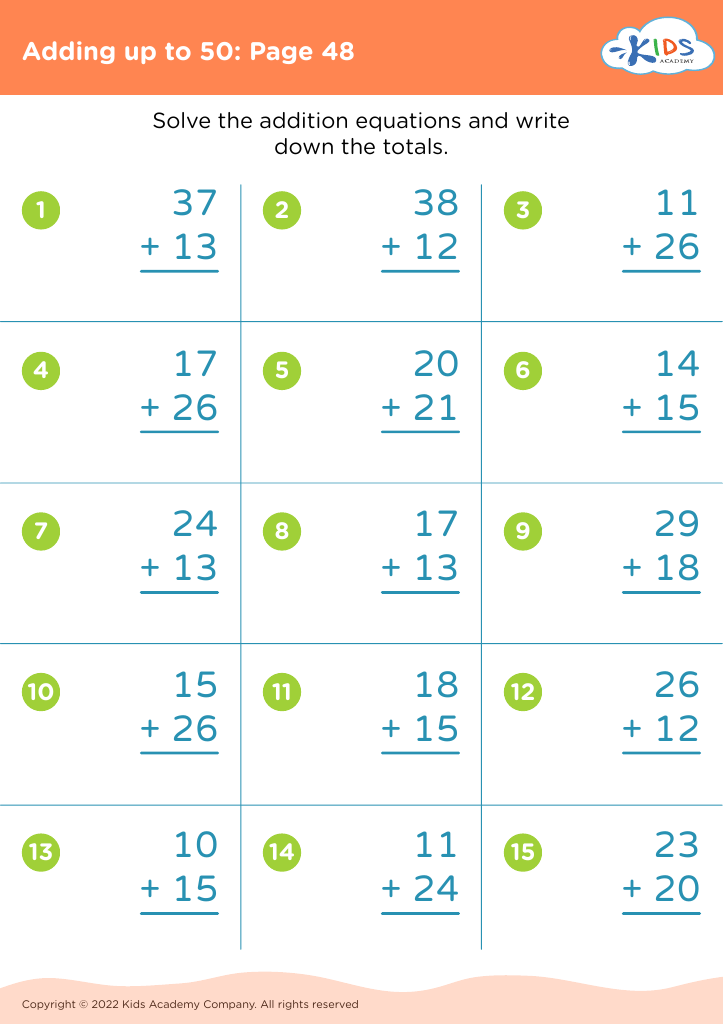
Adding up to 50: Page 48

Adding up to 50: Page 48

Adding up to 50: Page 48
Worksheet
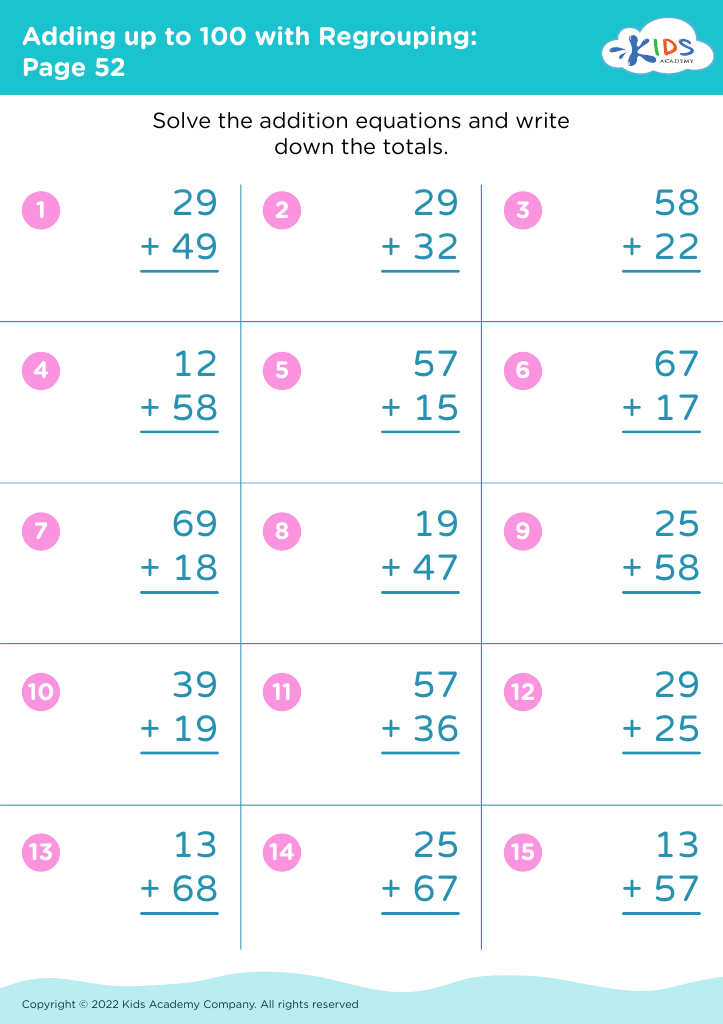
Adding up to 100 with Regrouping: Page 52
Worksheet
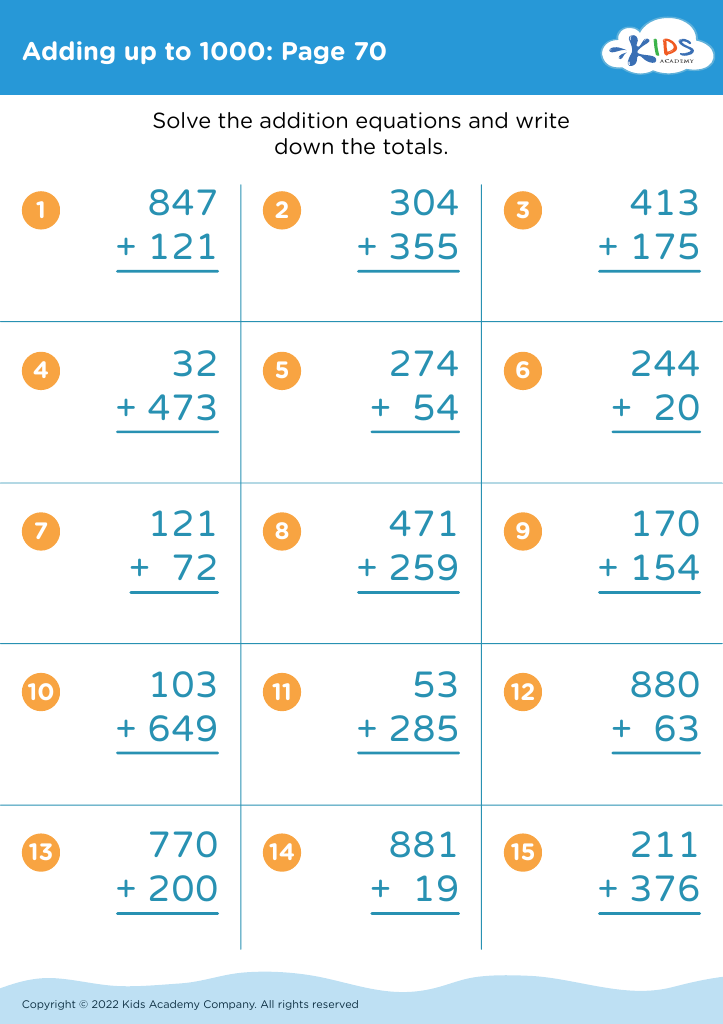
Adding up to 1000: Page 70

Adding up to 1000: Page 70

Adding up to 1000: Page 70
Worksheet
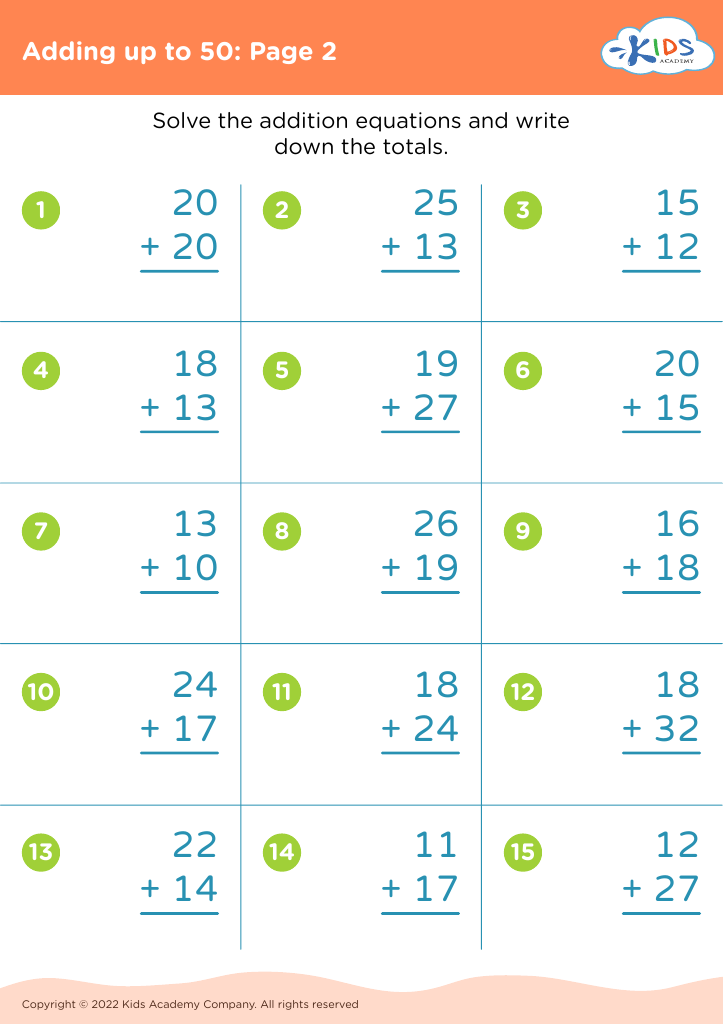
Adding up to 50: Page 2

Adding up to 50: Page 2

Adding up to 50: Page 2
Worksheet
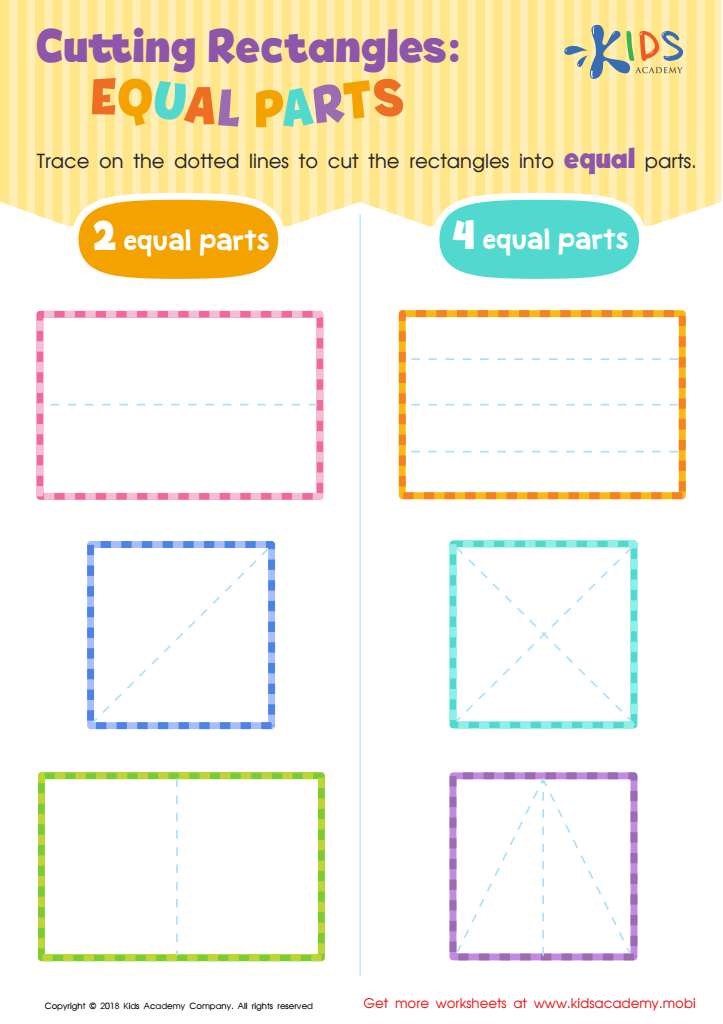
Cutting Rectangles: Equal Parts Worksheet

Cutting Rectangles: Equal Parts Worksheet

Help your child learn to divide shapes into two or four equal parts with this worksheet. It has six rectangles that need to be cut up as directed, following the dotted lines. Show it to your child and watch them gain confidence in mastering this skill.
Cutting Rectangles: Equal Parts Worksheet
Worksheet
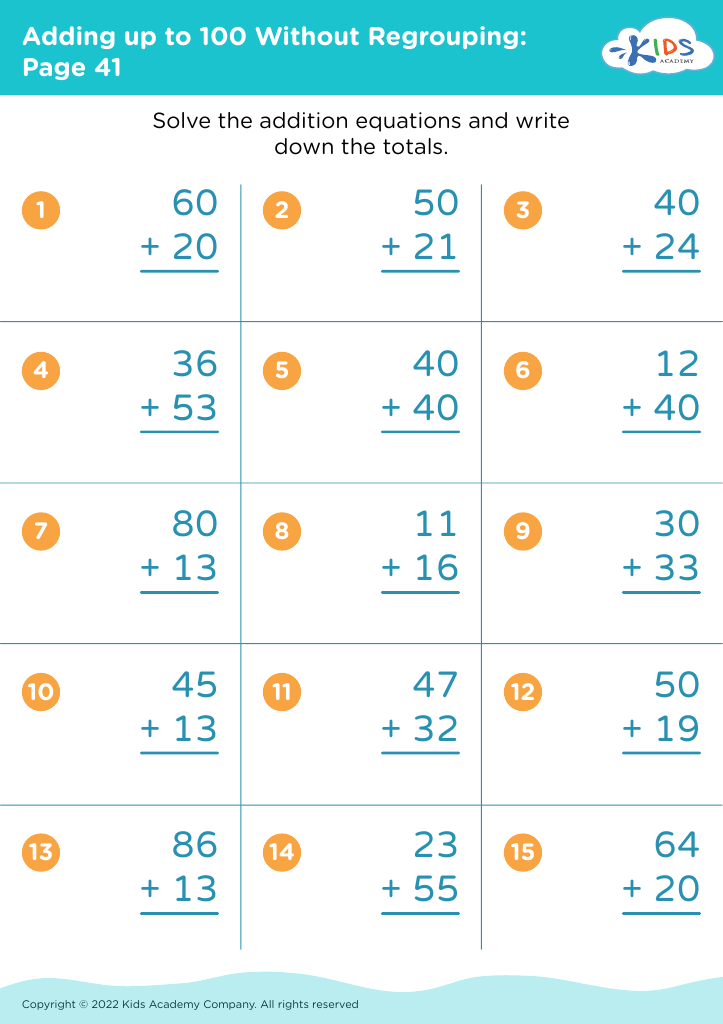
Adding up to 100 Without Regrouping: Page 41
Worksheet
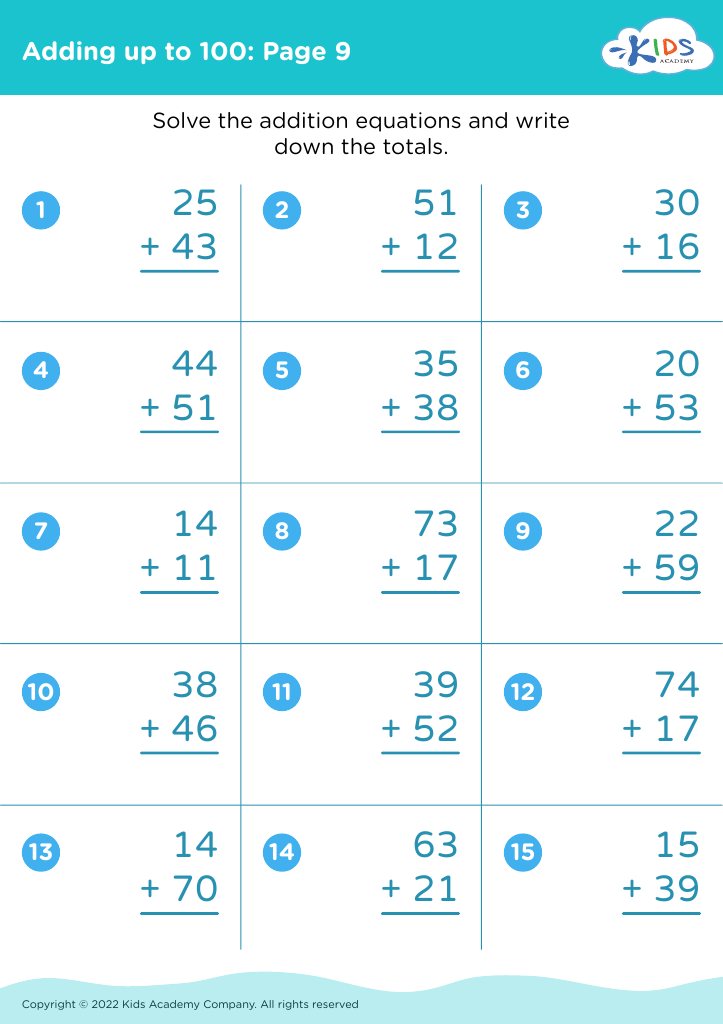
Adding up to 100: Page 9

Adding up to 100: Page 9

Adding up to 100: Page 9
Worksheet
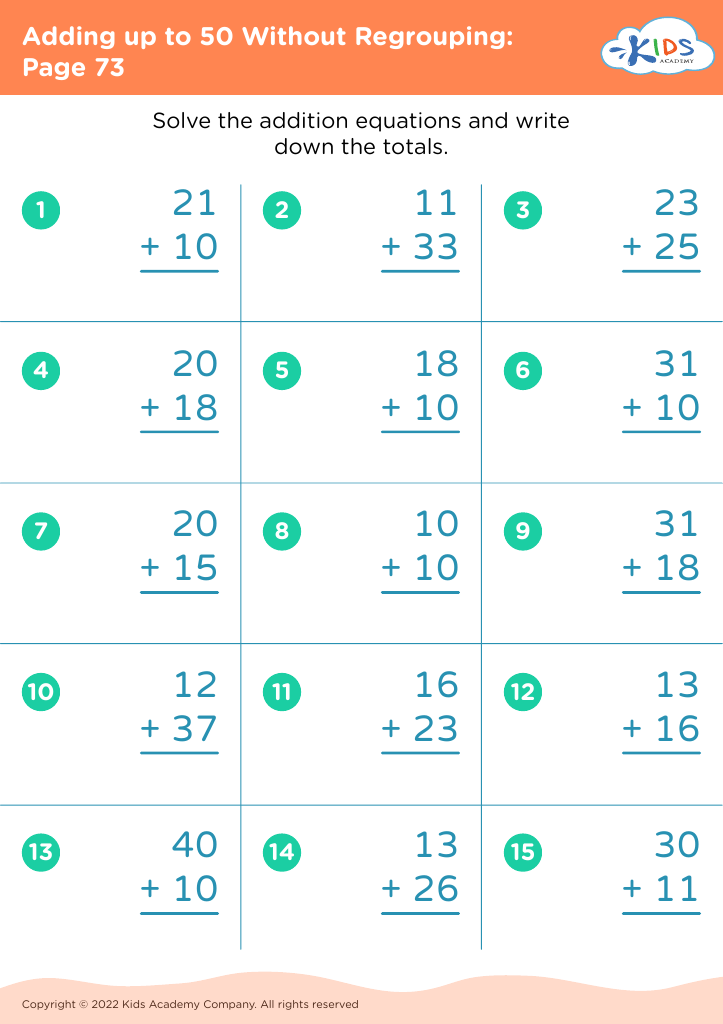
Adding up to 50 Without Regrouping: Page 73
Worksheet


Understanding fractions is a crucial milestone in a 7-year-olds math journey, and parents and teachers play an essential role in this development. At this age, children begin to grasp not only the concept of whole numbers but also the idea of parts of a whole. This understanding lays the foundation for more advanced mathematical concepts, including ratios, proportions, and even algebra later on.

Fractions help children make sense of their world by teaching them to recognize and compare quantities. Beyond academics, they serve practical purposes in everyday life, from cooking and sharing food to understanding money and timetables. When parents and teachers prioritize fractional comprehension, they offer children valuable skills that promote logical thinking and problem-solving.

Moreover, a solid grasp of fractions boosts children's confidence in math, reducing anxiety surrounding the subject. Engaging with fractions through interactive activities can make learning enjoyable, fostering a love for mathematics rather than fear. Finally, by working together to support understanding of fractions, parents and teachers create a collaborative learning environment, ensuring children feel supported in their educational journey and are better prepared for future success in school and life.