Visual discrimination Math Worksheets for 7-Year-Olds
9 filtered results
-
From - To
Discover an engaging collection of Visual Discrimination Math Worksheets specifically designed for 7-year-olds. These worksheets help young learners sharpen their visual recognition skills while enhancing their math understanding. By identifying patterns, distinguishing shapes, and focusing on crucial details, children build a strong foundation for critical thinking and problem-solving. Our printable materials are thoughtfully crafted to make learning both fun and effective, encouraging kids to explore math concepts in a visually stimulating way. Ideal for classroom use, homework, or extra practice, these worksheets support your child's educational growth and confidence as they progress in their arithmetic journey. Start enhancing skills today!
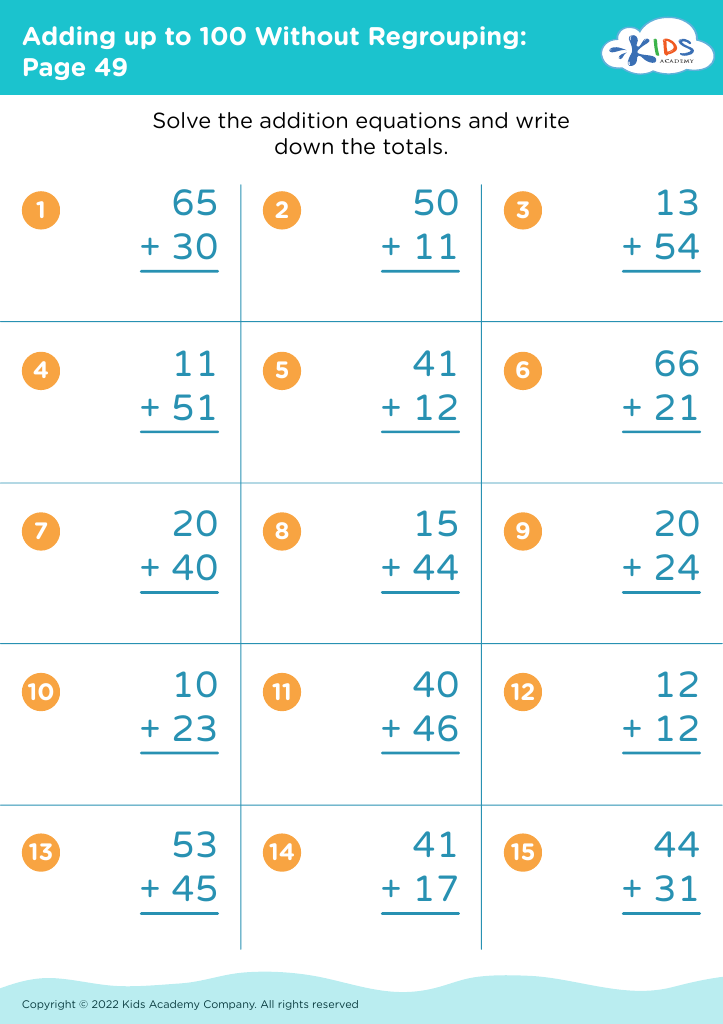
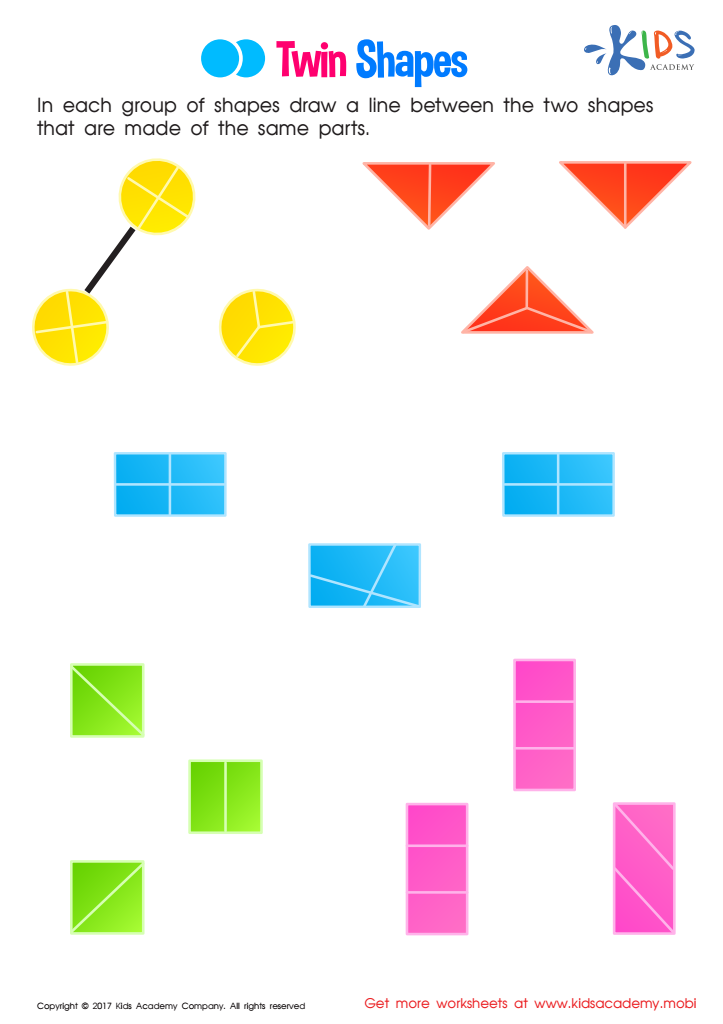
Twin Shapes Worksheet
 Assign to My Students
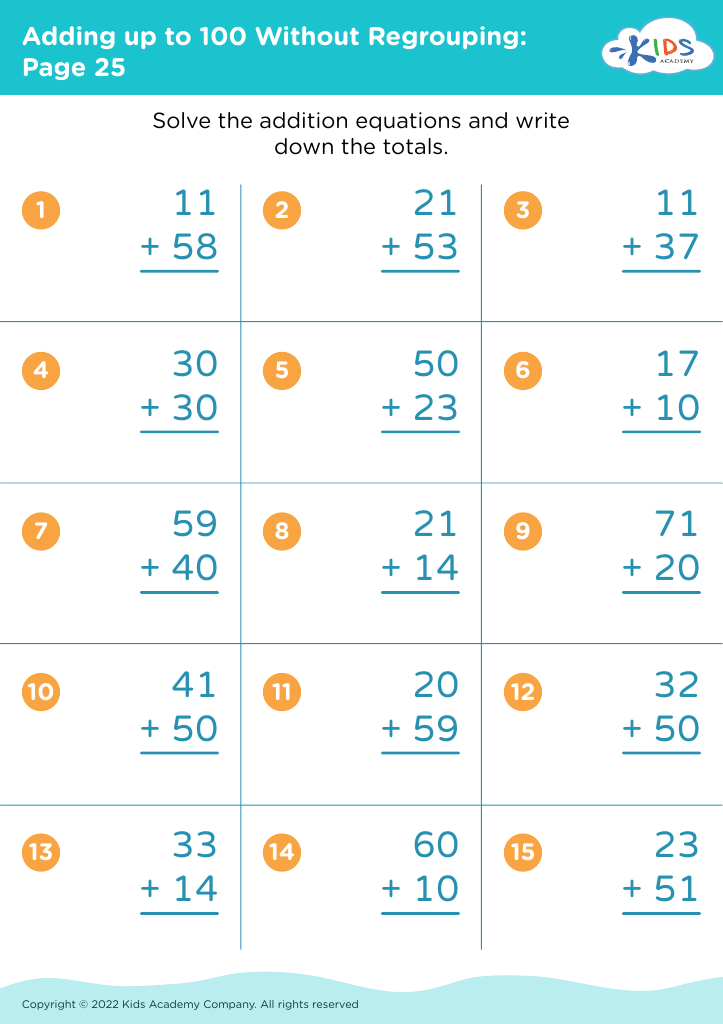
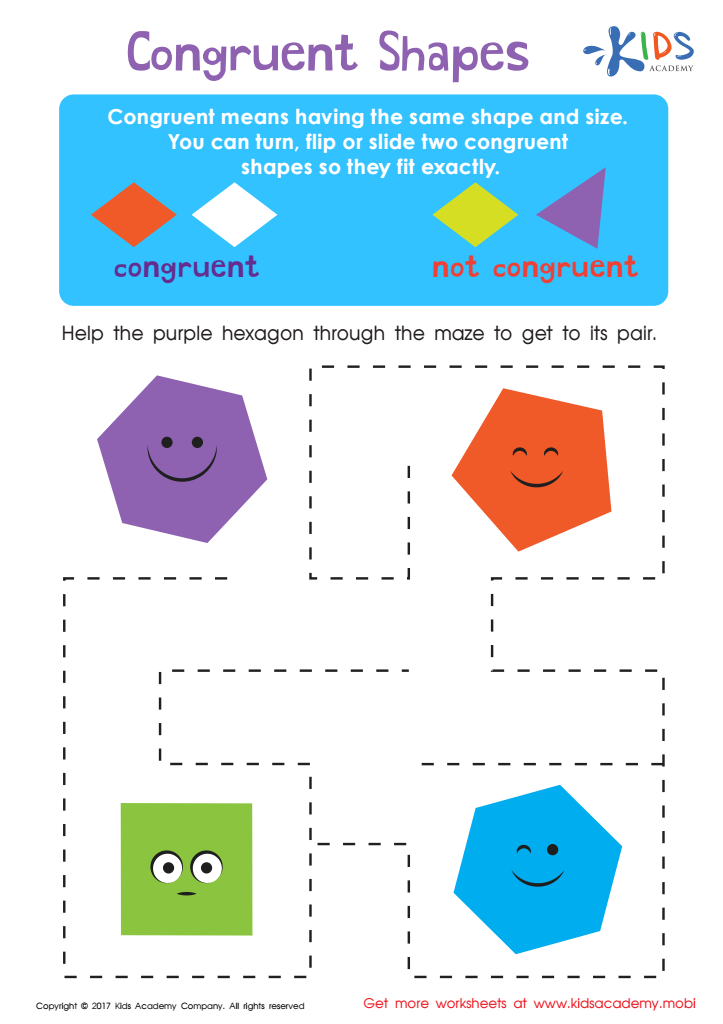
Congruent Shapes Worksheet
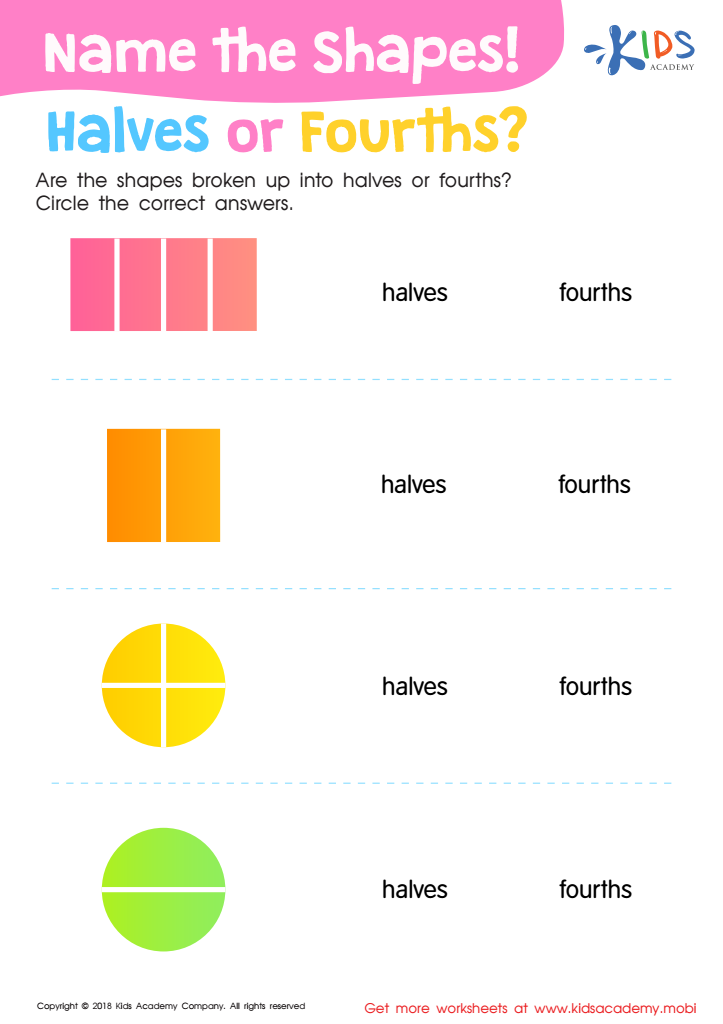
Name the Shapes Halves or Fourths? Worksheet
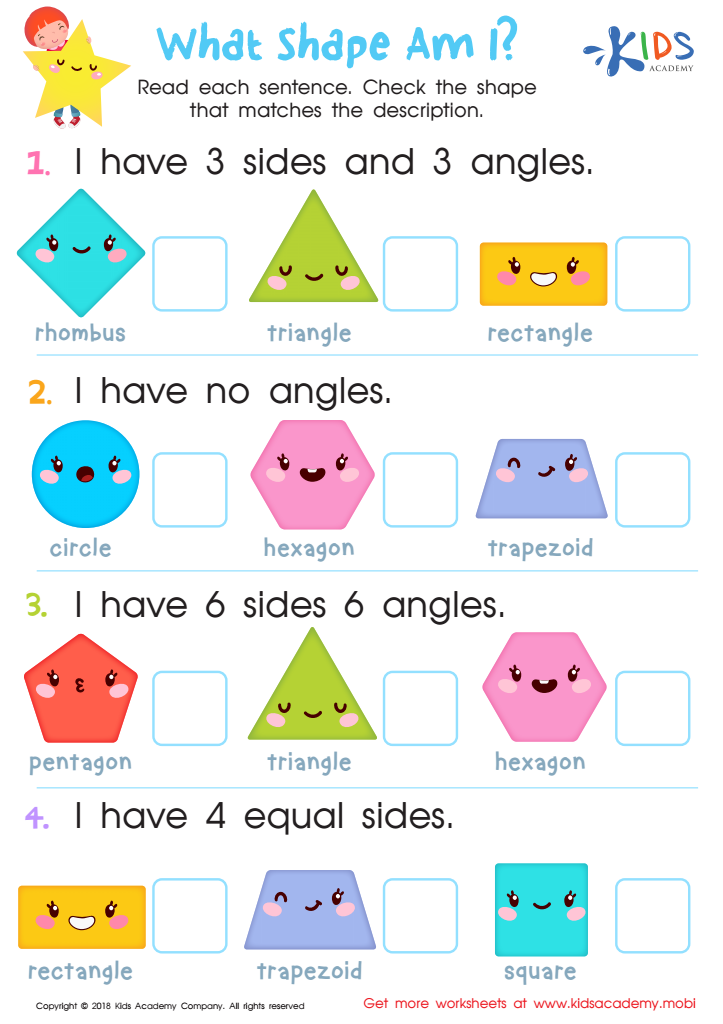
What Shape Am I? Worksheet
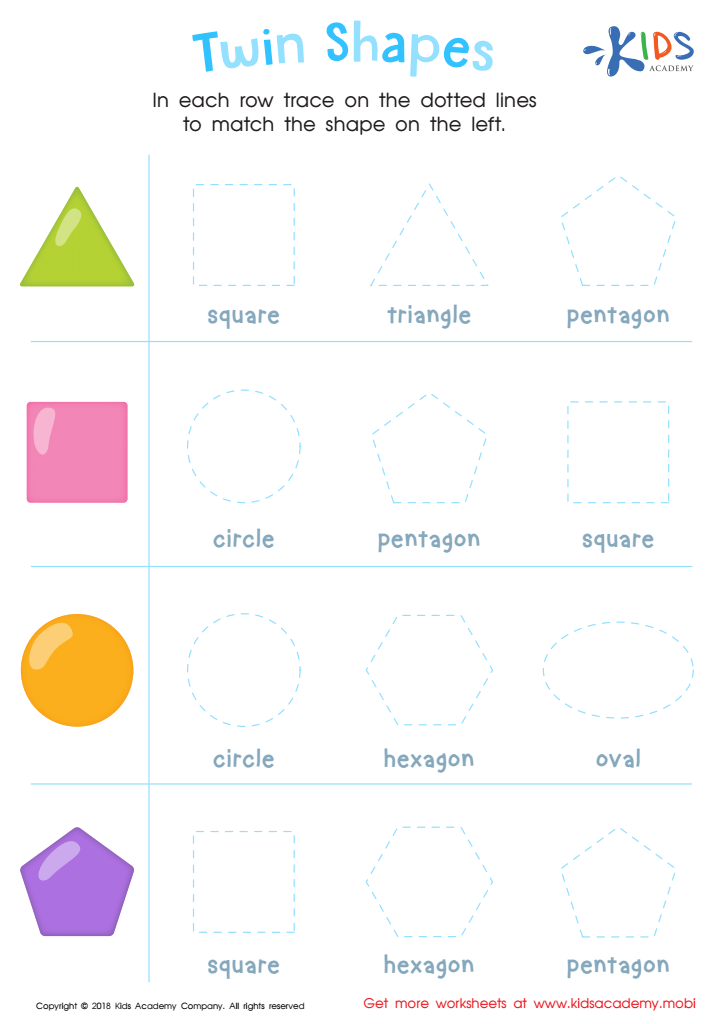
Twin Shapes Dot-to-Dot Worksheet








Visual discrimination is a crucial skill for 7-year-olds, particularly in math, as it directly impacts their ability to recognize numbers, patterns, and relationships. Parents and teachers should prioritize this skill for several reasons. First, effective visual discrimination aids in developing strong foundational math competencies. Children are often required to identify shapes, sizes, and quantities, and a robust ability to distinguish visual characteristics enables them to solve problems more efficiently.
Moreover, mastering visual discrimination fosters critical thinking and reasoning skills. As children learn to compare and organize visual information, they enhance their cognitive abilities, which are essential not only in mathematics but across all subjects. Also, acquiring this skill at a young age can boost a child's confidence and motivation in learning, making them more eager to engage with challenging material.
Finally, good visual discrimination skills can help children avoid mistakes that arise from misreading or misinterpreting numbers and symbols, leading to a more positive learning experience. Therefore, parents and teachers should emphasize visual discrimination as an integral part of math education to support children's overall development and academic success. By nurturing this skill early on, they set the stage for lifelong learning and problem-solving capabilities.








