Basic Math Skills Place Value Worksheets for 7-Year-Olds
5 filtered results
-
From - To
Our Basic Math Skills Place Value Worksheets for 7-Year-Olds are designed to help children master essential place value concepts. These engaging and interactive worksheets simplify number sense by breaking it down into fun, easy-to-understand activities. With colorful designs and age-appropriate challenges, your child will gain confidence in understanding ones, tens, and hundreds. Perfect for classroom or at-home learning, our worksheets support both foundational skills and confidence in math. Developed by educational experts, they ensure your child is equipped with the necessary skills for future math success. Discover a fun way to make math exciting and comprehensible for your young learner!
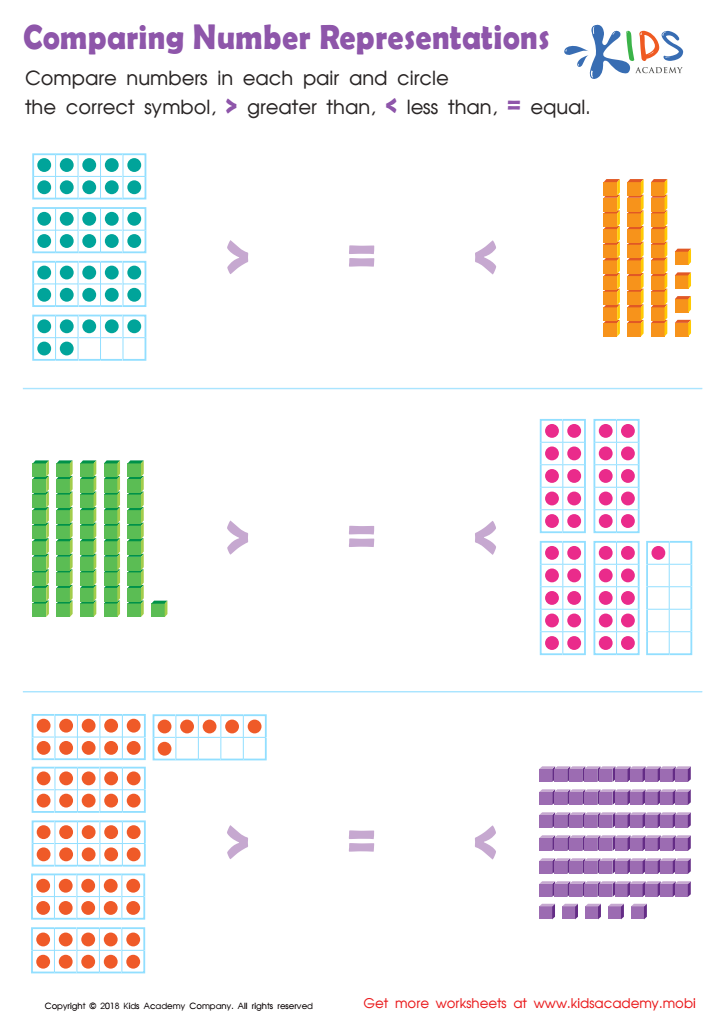
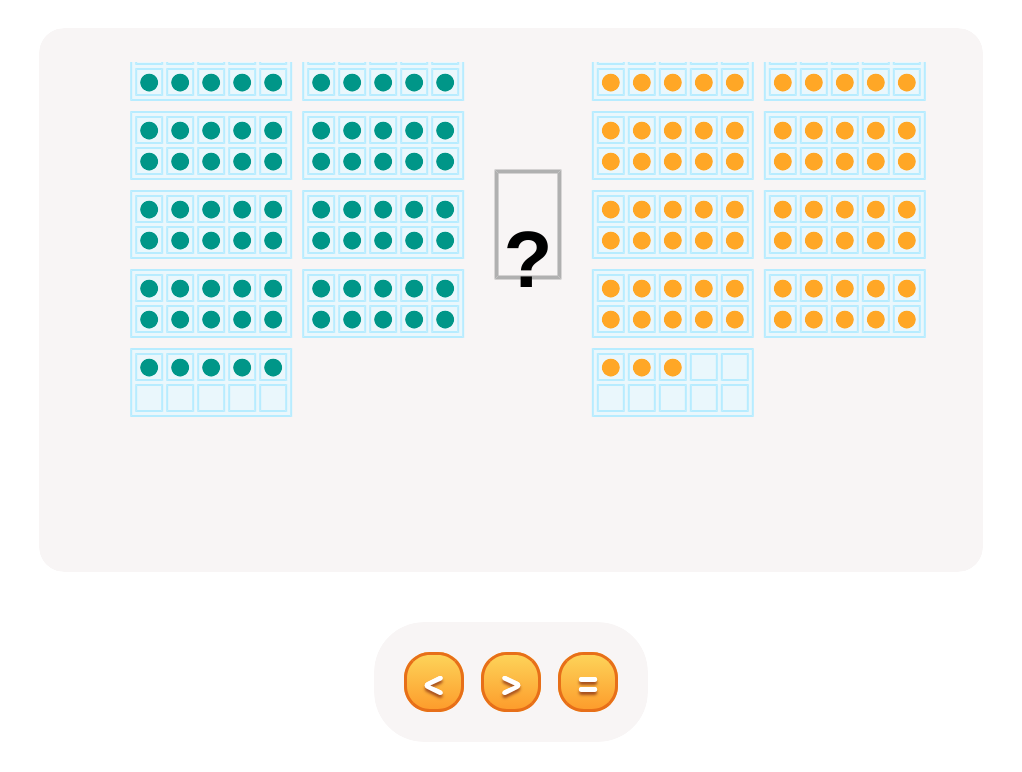
Comparing Number Representations Worksheet
 Assign to My Students
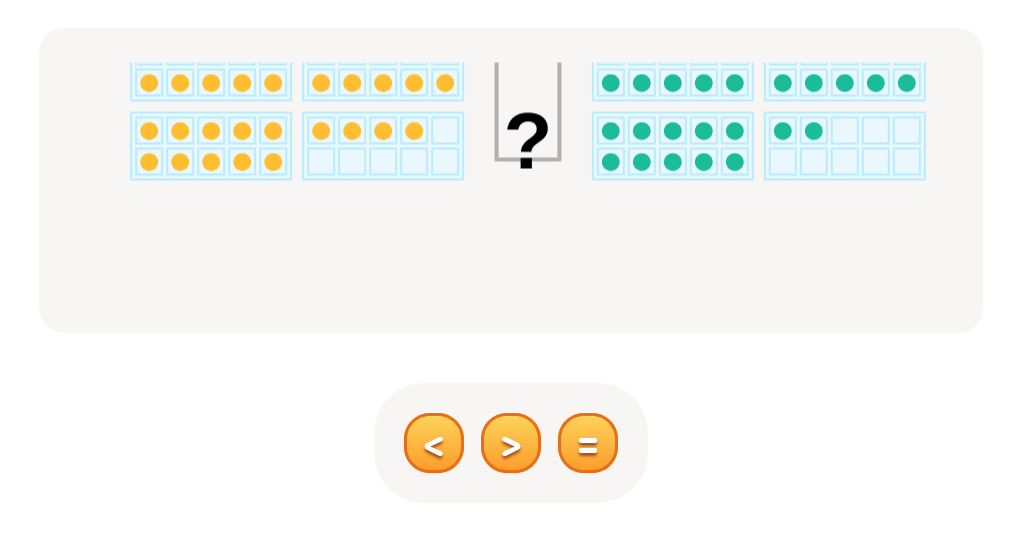

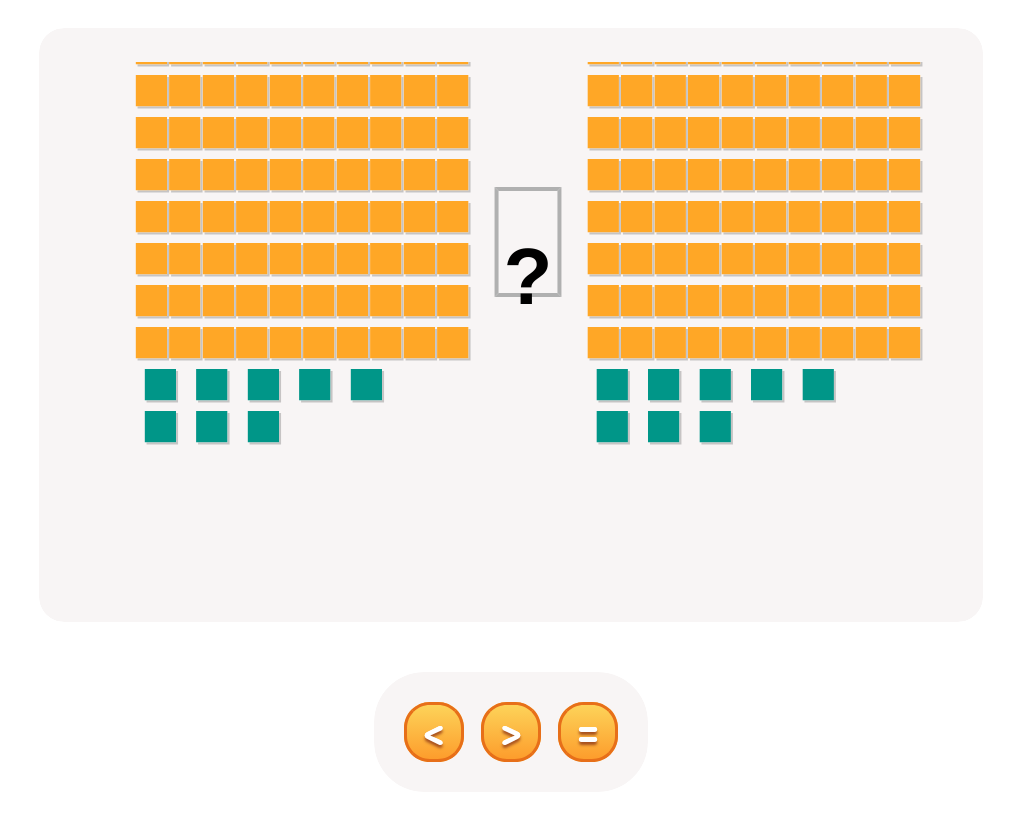
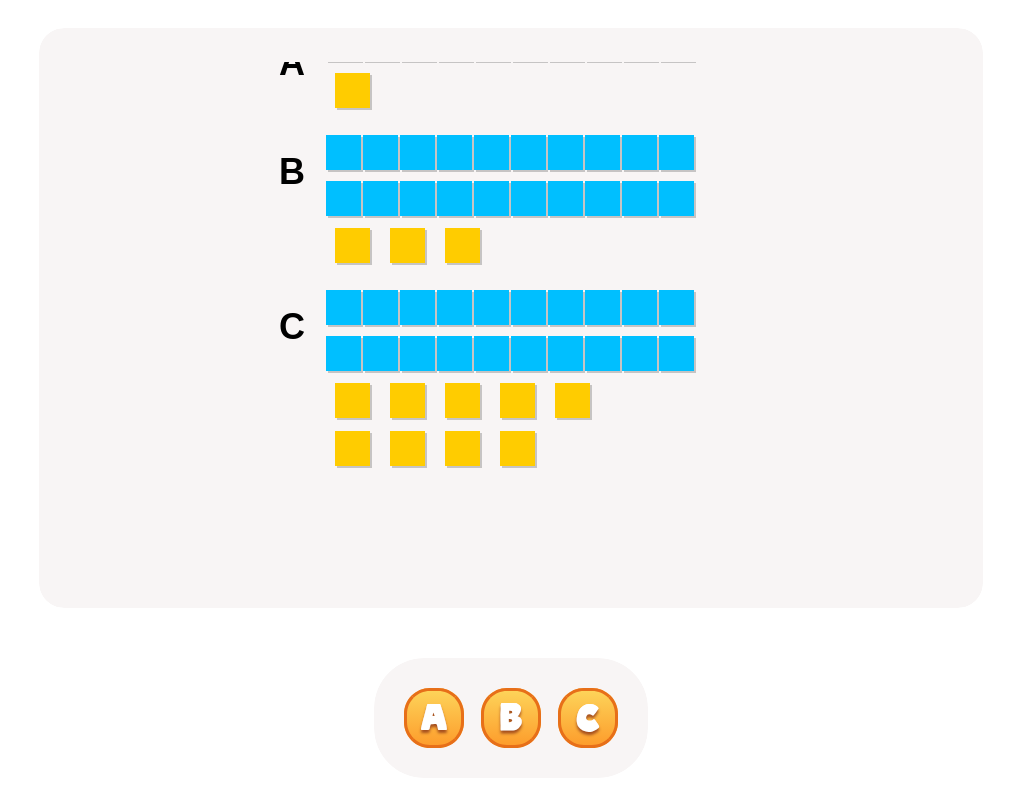
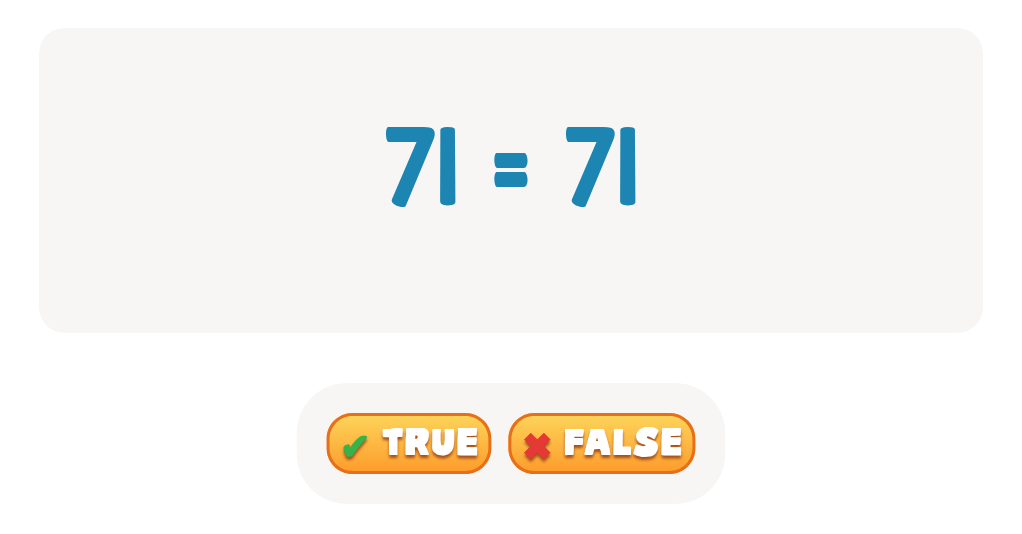
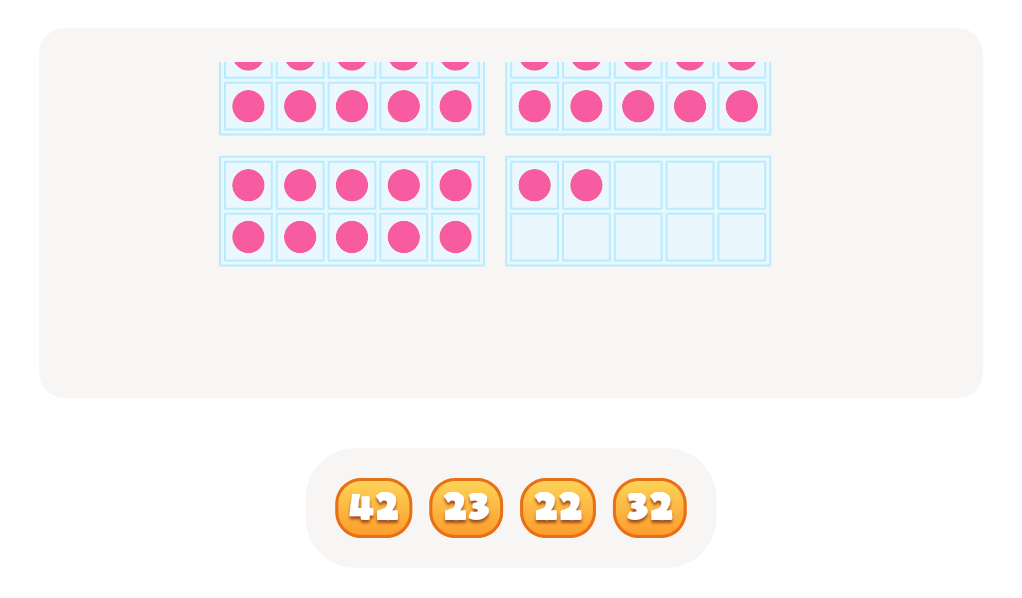
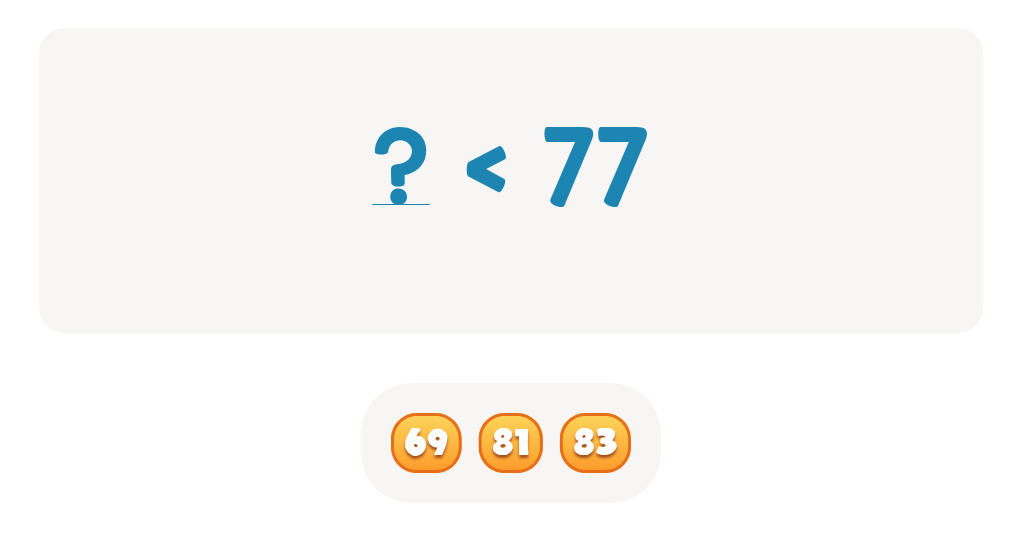
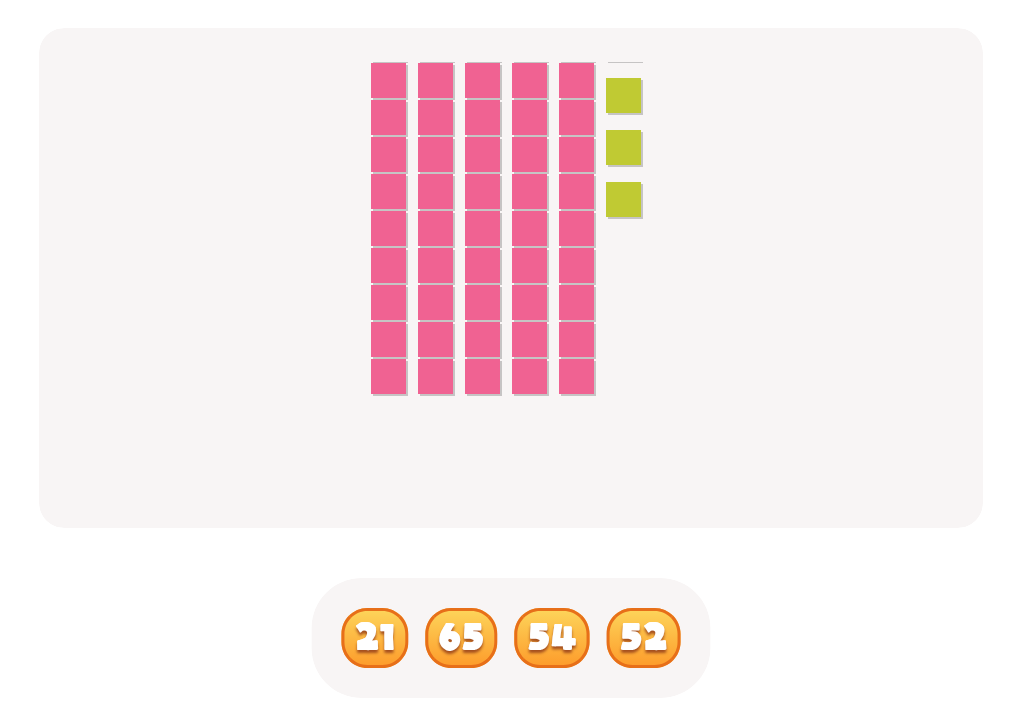
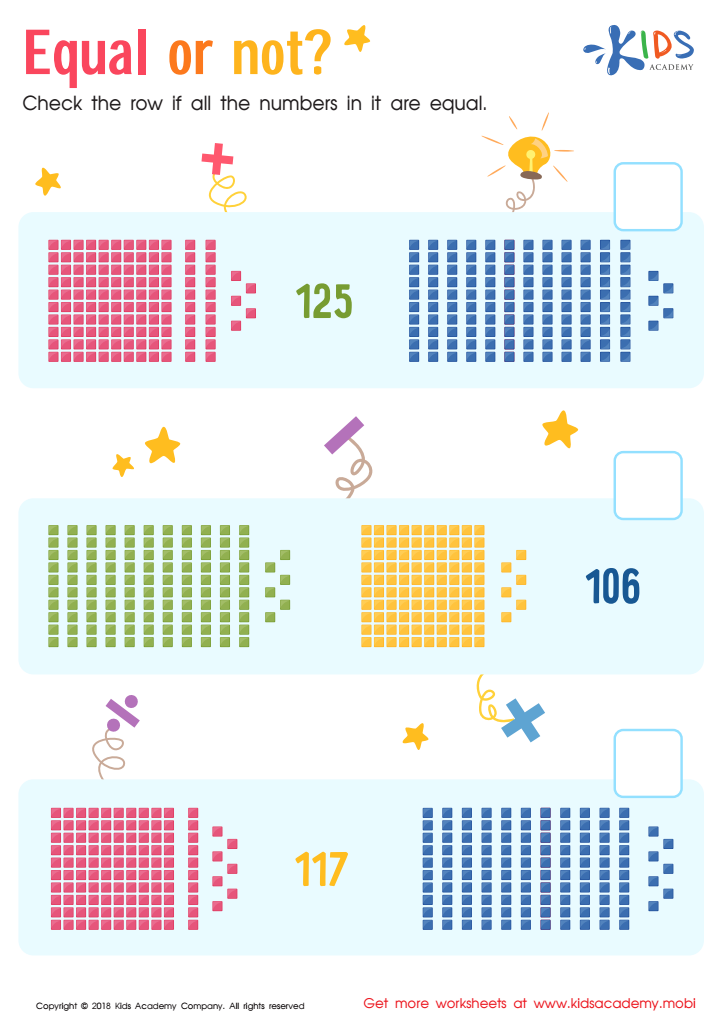
Equal or not Worksheet
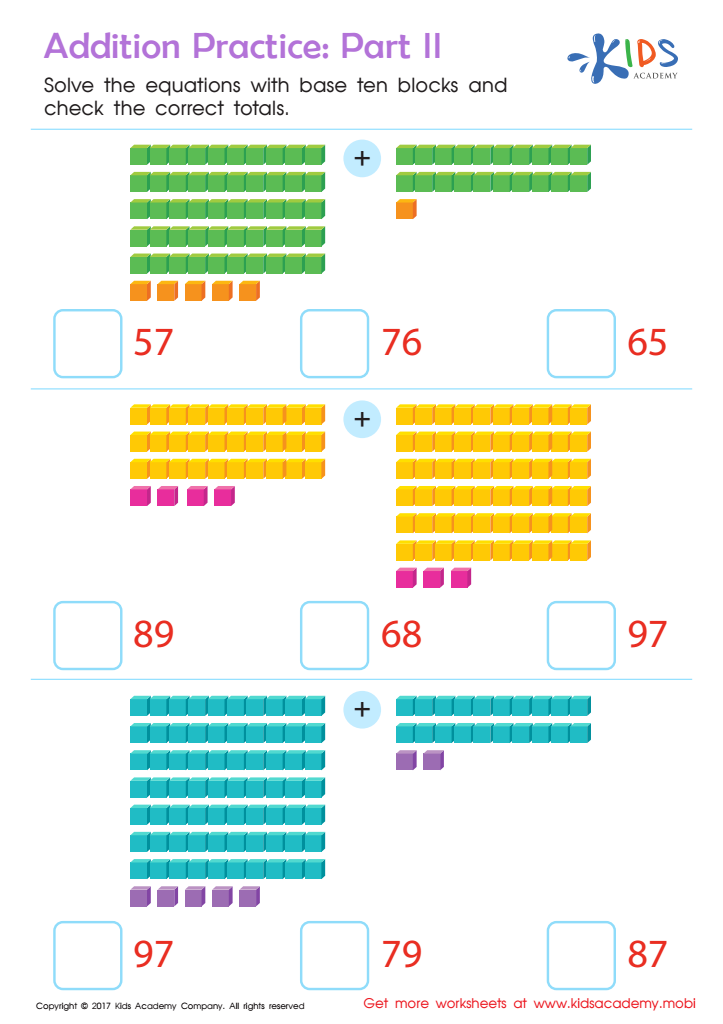
Addition Practice Sheet: Part 2
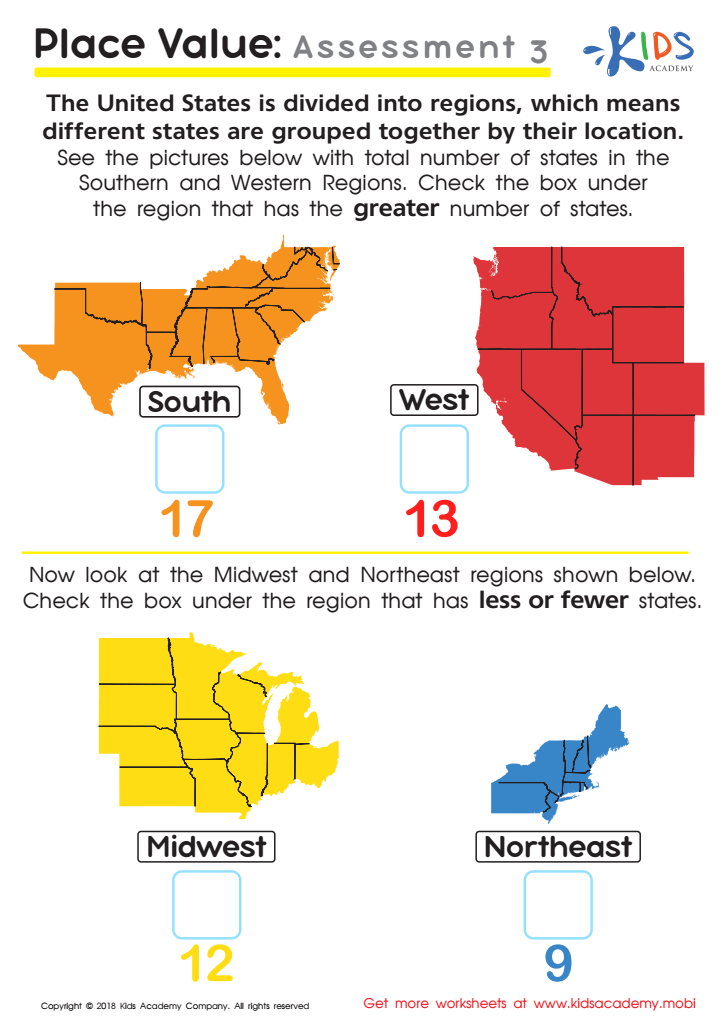
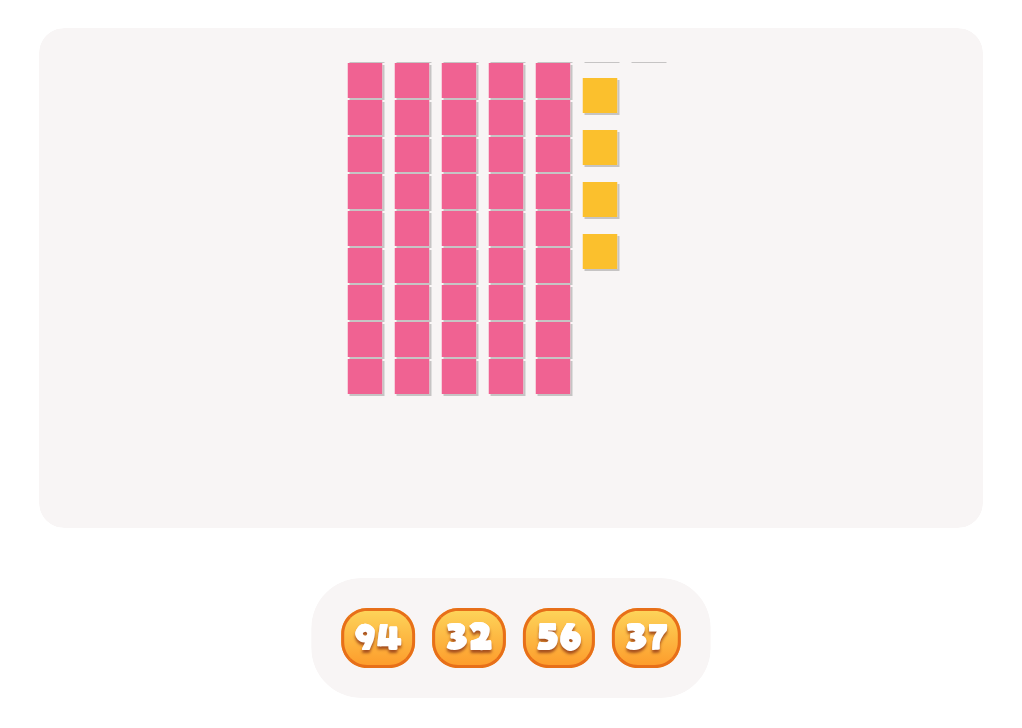
Place Value: Assessment 3 Worksheet
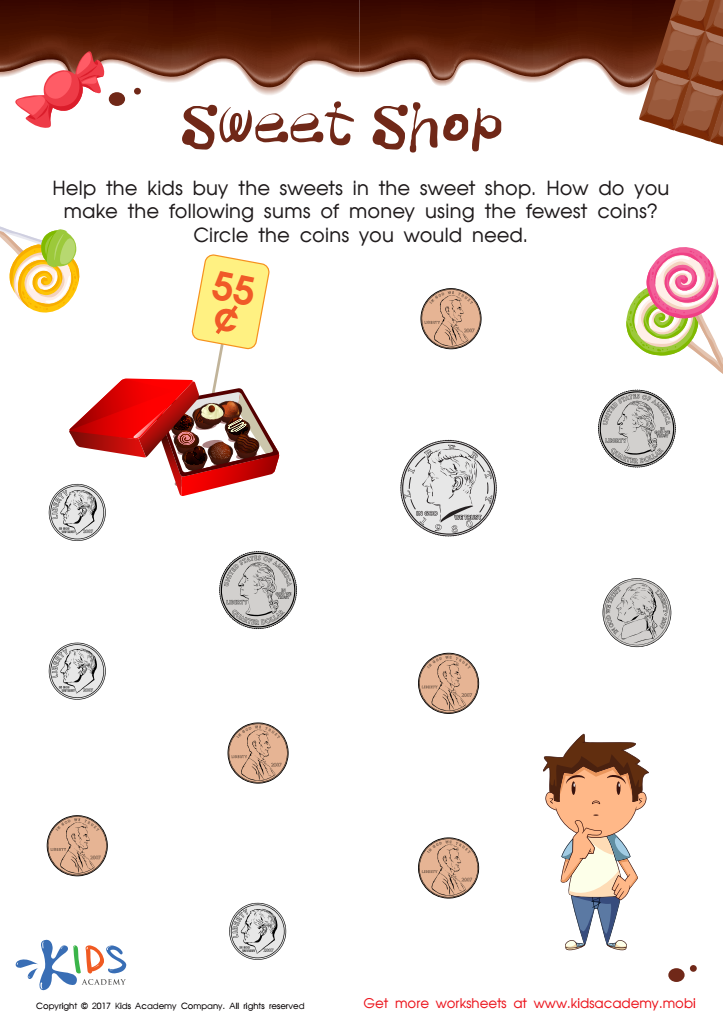
Sweet Shop – Counting Coins Worksheet








Understanding basic math skills is crucial for 7-year-olds, and place value forms the foundation of this learning. Place value helps children comprehend the value of each digit in a number based on its position. For instance, in the number 25, understanding that the '2' represents 20 and the '5' represents 5 is key. This fundamental concept aids in performing a variety of math operations such as addition, subtraction, and even multiplication.
Parents and teachers should actively emphasize place value because it develops numerical fluency. When 7-year-olds grasp place value, they are better equipped to move beyond rote memorization to a genuine understanding of math. This facilitates problem-solving and logical thinking, essential skills inside and outside the classroom.
Additionally, difficulties in understanding place value often lead to struggles in higher-level math concepts. Early support can prevent potential future frustrations and disengagement with math. Activities like using base-ten blocks, visual aids, and interactive games make learning place value fun and engaging for young minds.
Lastly, nurturing this foundational skill can boost confidence. When children successfully understand and use place value, they feel more competent in their ability to tackle math challenges, establishing a positive and resilient attitude toward learning.