Basic Math Skills Building Vocabulary Worksheets for 7-Year-Olds
8 filtered results
-
From - To
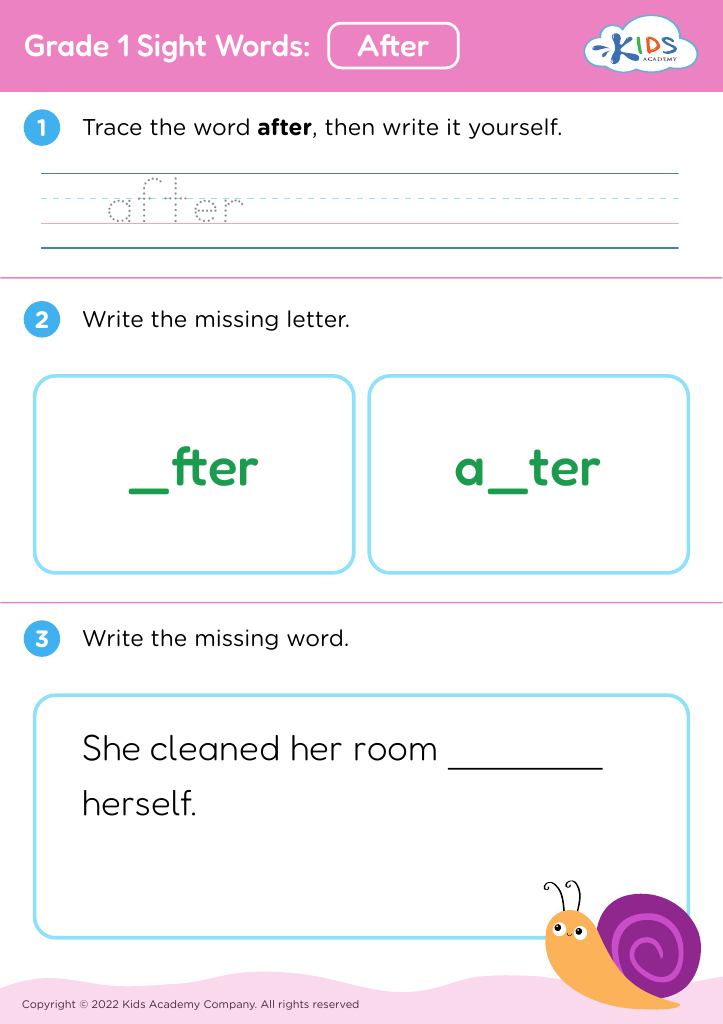
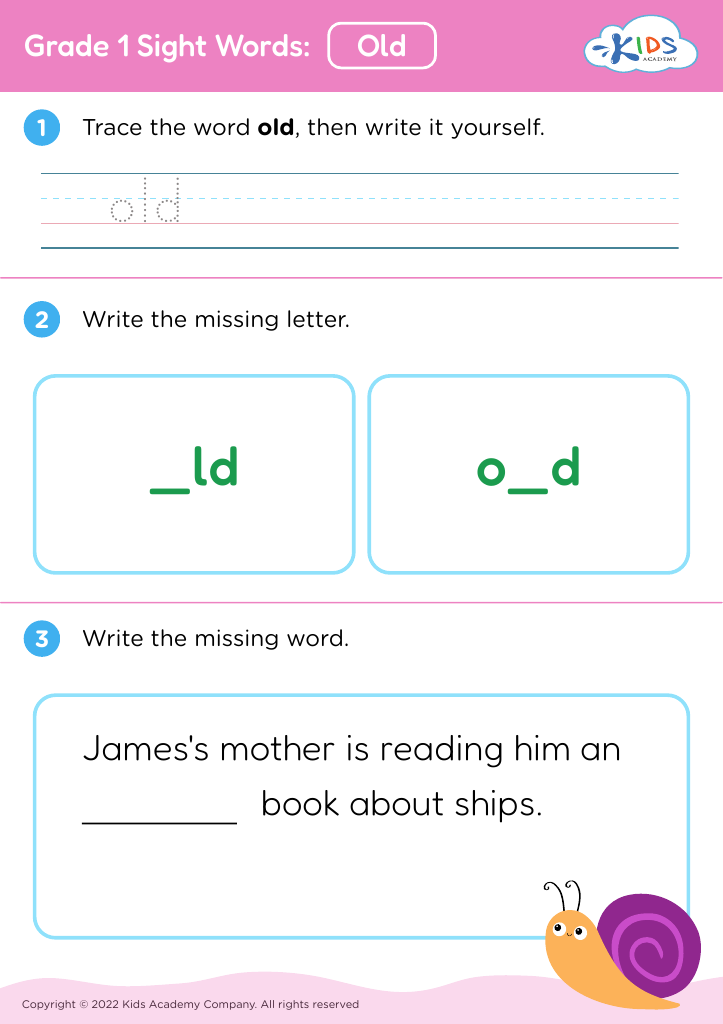
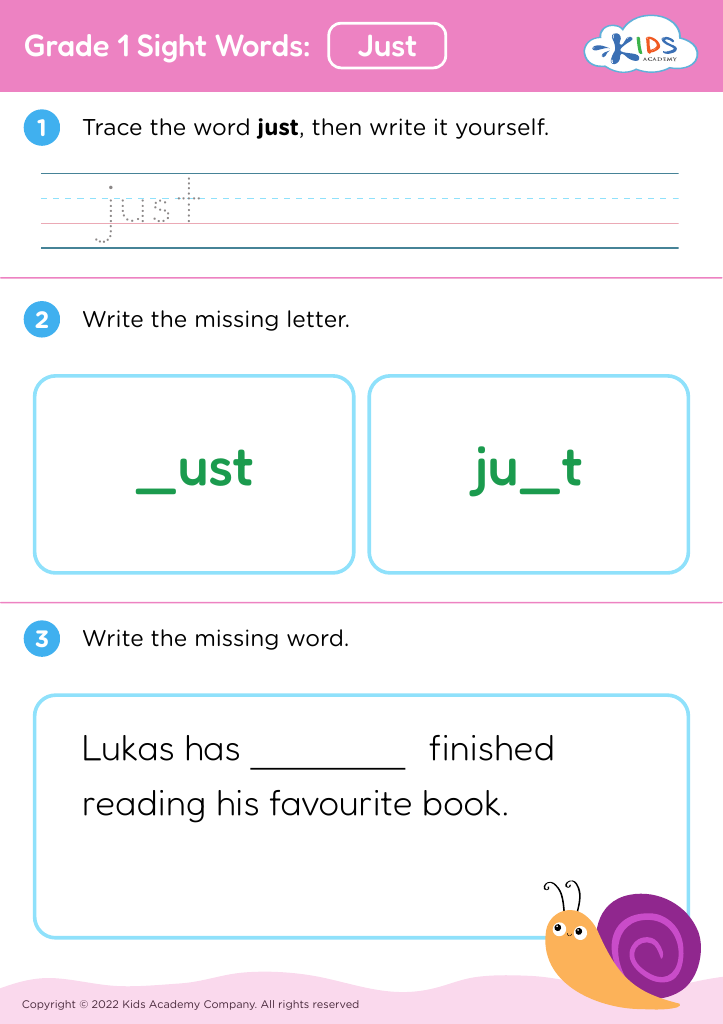
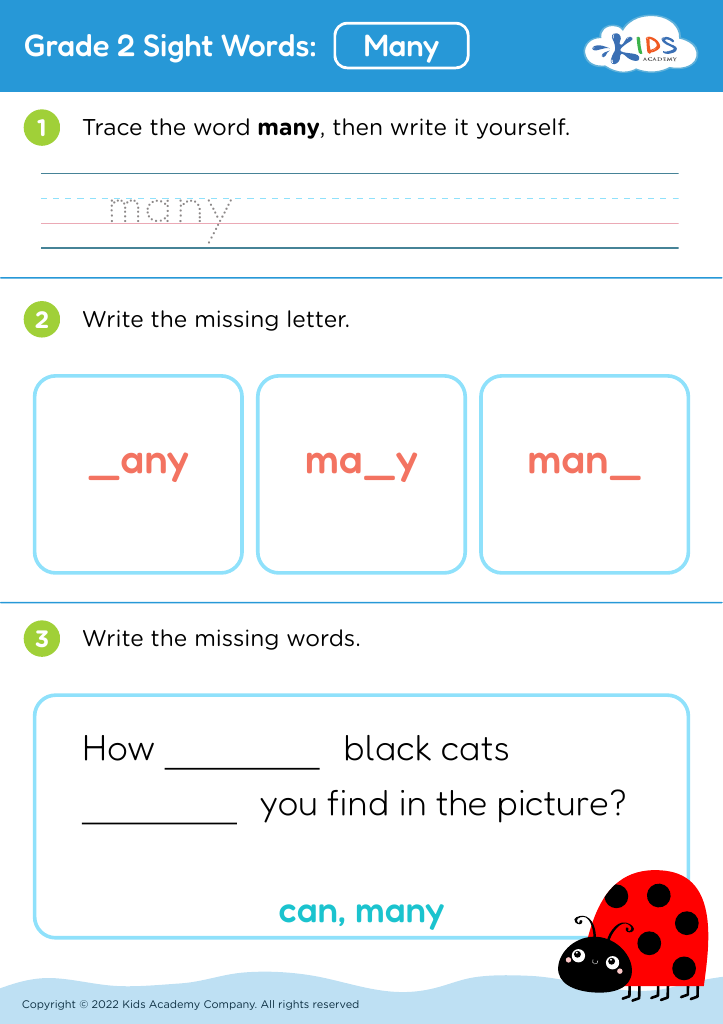
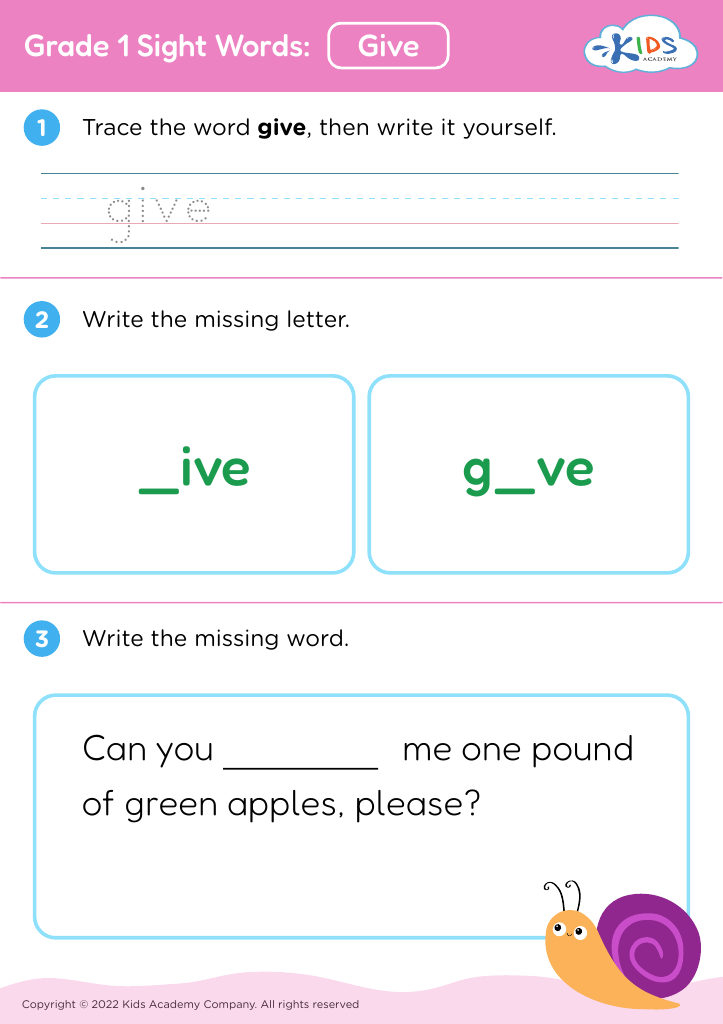
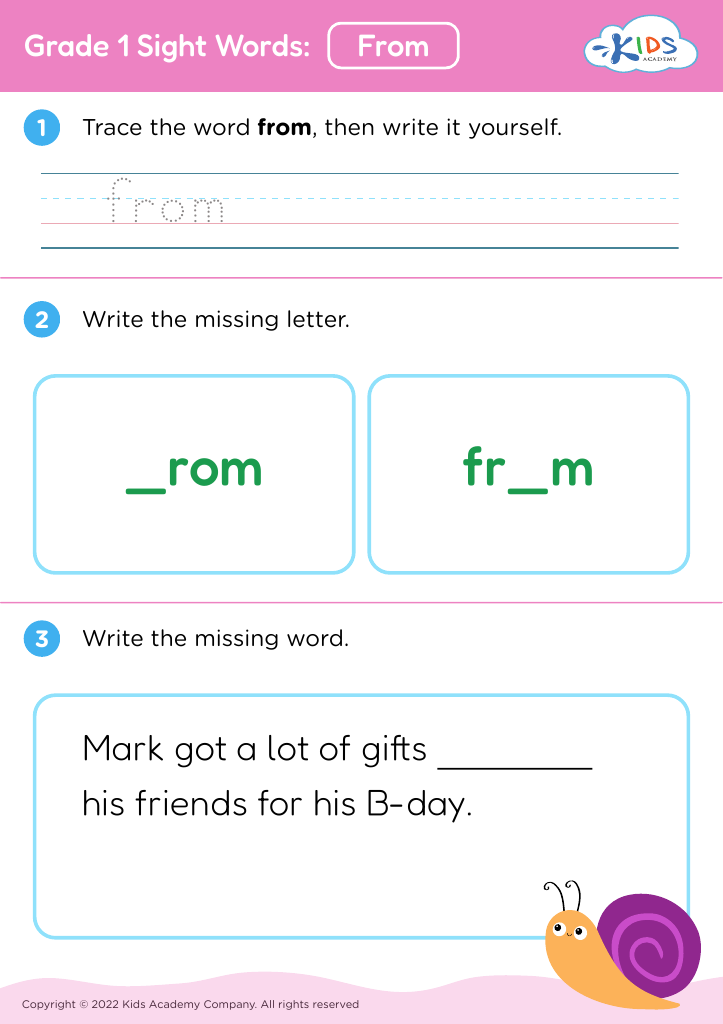
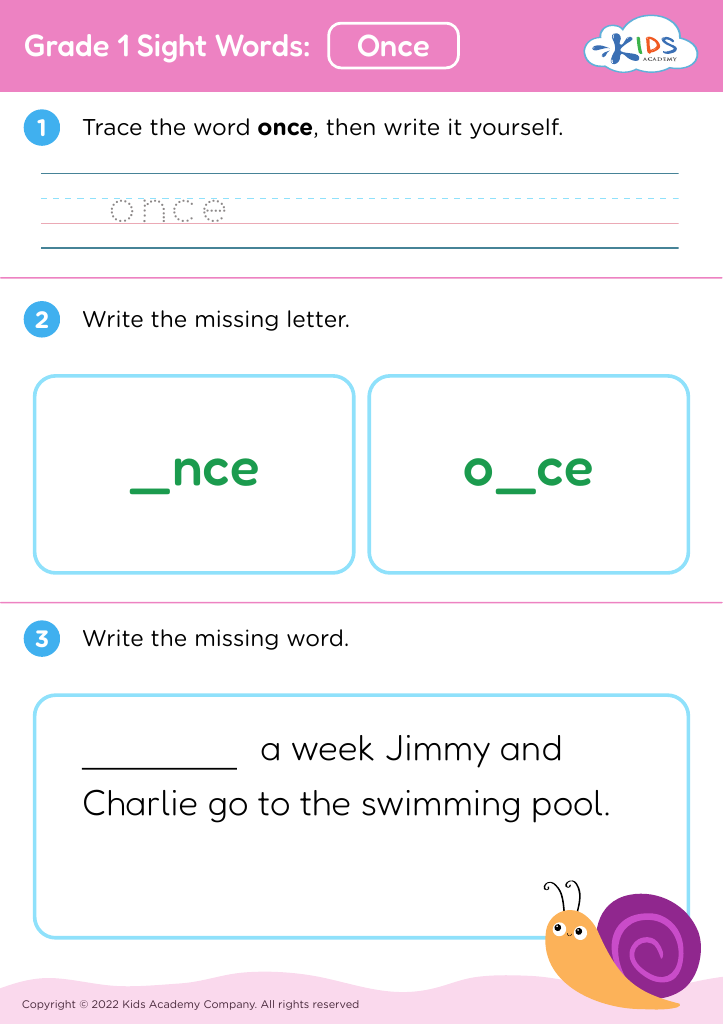
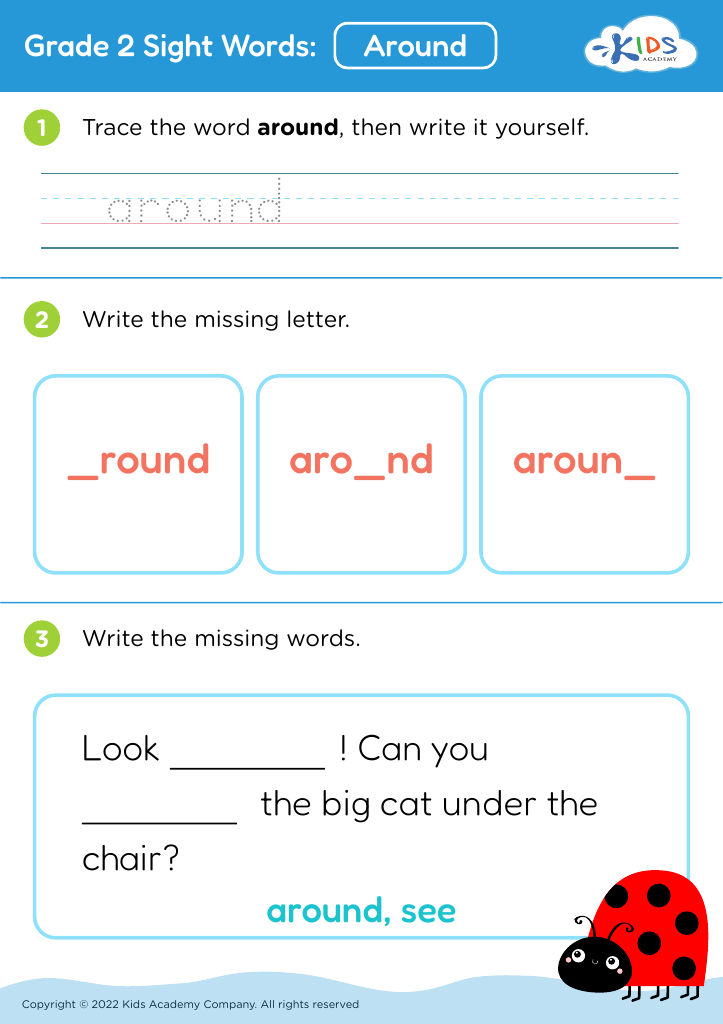
Enhance your 7-year-old's math proficiency with our engaging Basic Math Skills Building Vocabulary Worksheets. Designed to support young learners, these worksheets help children strengthen their understanding of essential math concepts while expanding their vocabulary. Students will explore fundamental terms associated with addition, subtraction, multiplication, and division through fun exercises and real-world applications. Each worksheet is carefully crafted to encourage critical thinking and improve problem-solving skills, making math exciting and accessible. Perfect for classroom use or home practice, these resources provide a solid foundation in mathematics, setting the stage for future academic success. Start your child’s math journey today!














.jpg)




Parents and teachers should prioritize building vocabulary in basic math skills for 7-year-olds because it serves as a foundational element for a child's academic success. At this age, children are transitioning from simple arithmetic to more complex problem-solving and reasoning. A robust math vocabulary empowers students by enabling them to understand and articulate mathematical concepts more clearly. For instance, recognizing terms like "sum," "difference," "equal," and "triangle" aids comprehension and enables effective communication of mathematical ideas.
Moreover, vocabulary development supports critical thinking. When children can describe their thought processes using precise language, they are better equipped to tackle challenges and collaborate with peers. Encouraging familiarity with math terms enhances confidence and reduces anxiety during assessments, fostering a positive attitude toward learning.
In addition, a solid math vocabulary lays the groundwork for more advanced concepts in later grades, making it essential for long-term academic growth. Parents and teachers should engage children in mathematical conversations, incorporate vocabulary into everyday activities, and provide resources that reinforce these skills. By doing so, they equip children with the tools necessary for both current learning and future educational pursuits, ensuring a well-rounded foundation in math and overall academic success.








