Critical Thinking Building Vocabulary Worksheets for 7-Year-Olds
8 filtered results
-
From - To
Boost your 7-year-old's language skills with our engaging "Critical Thinking Building Vocabulary Worksheets." Designed to stimulate young minds, these worksheets blend critical thinking exercises with vocabulary building. Each activity encourages children to explore new words, understand their meanings, and apply them in various contexts. By participating in interactive word games, puzzles, and matching exercises, kids will not only enhance their vocabulary but also develop essential analytical skills. Suitable for home or classroom use, these worksheets are perfect for nurturing a love for language and improving reading comprehension. Help your child become a confident communicator while having fun learning!
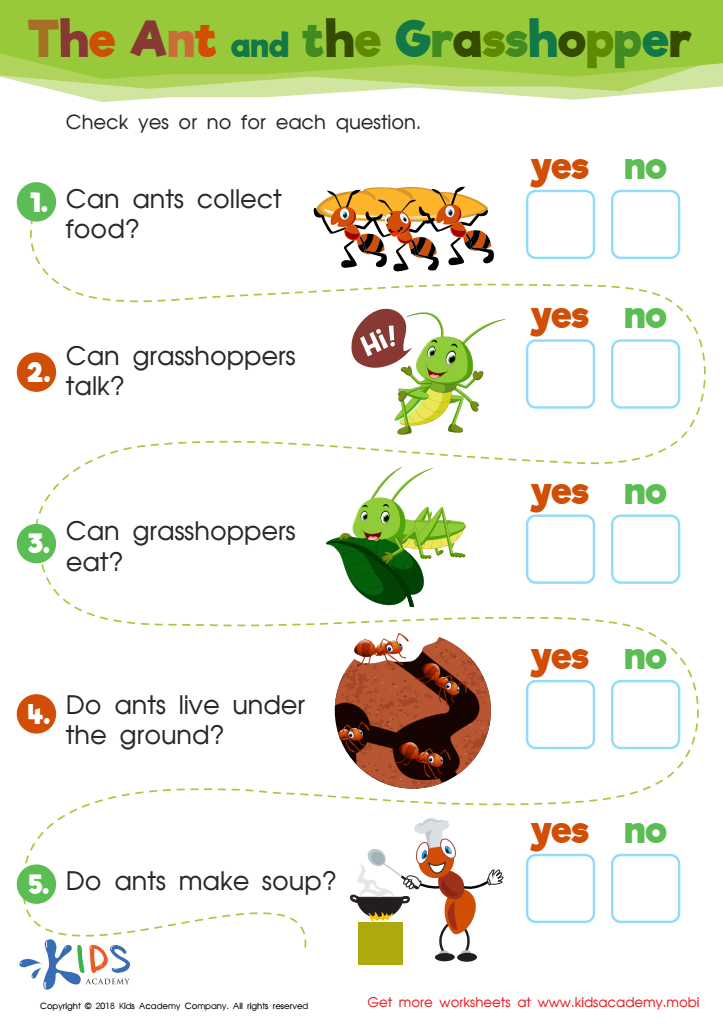
The Ant and The Grasshopper Worksheet
 Assign to My Students











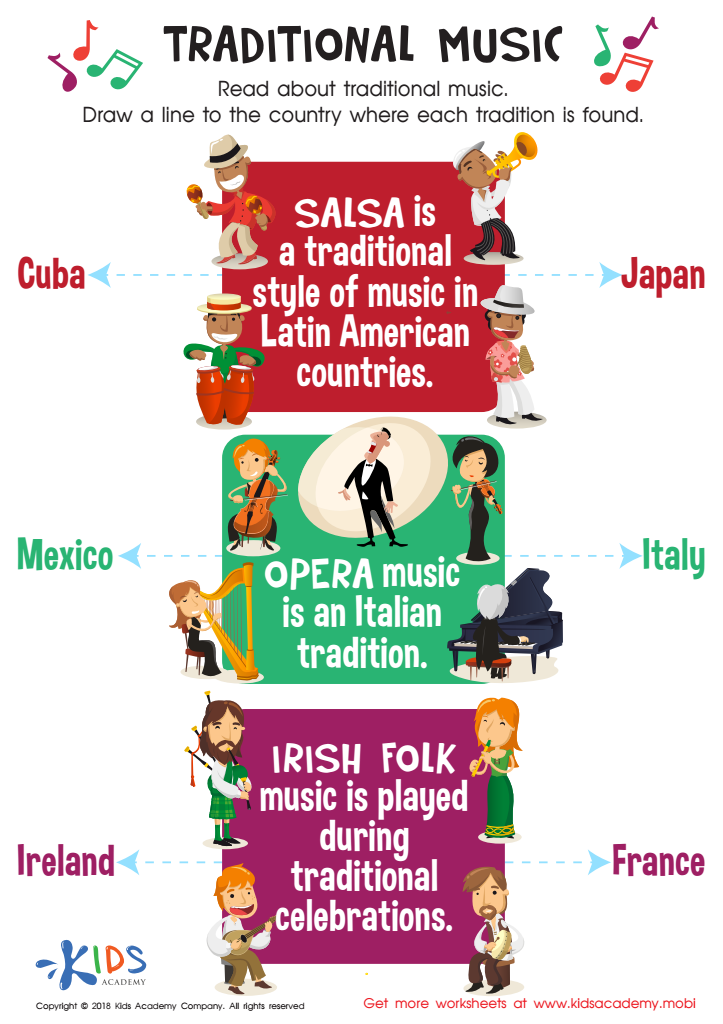
Traditional Music Worksheet
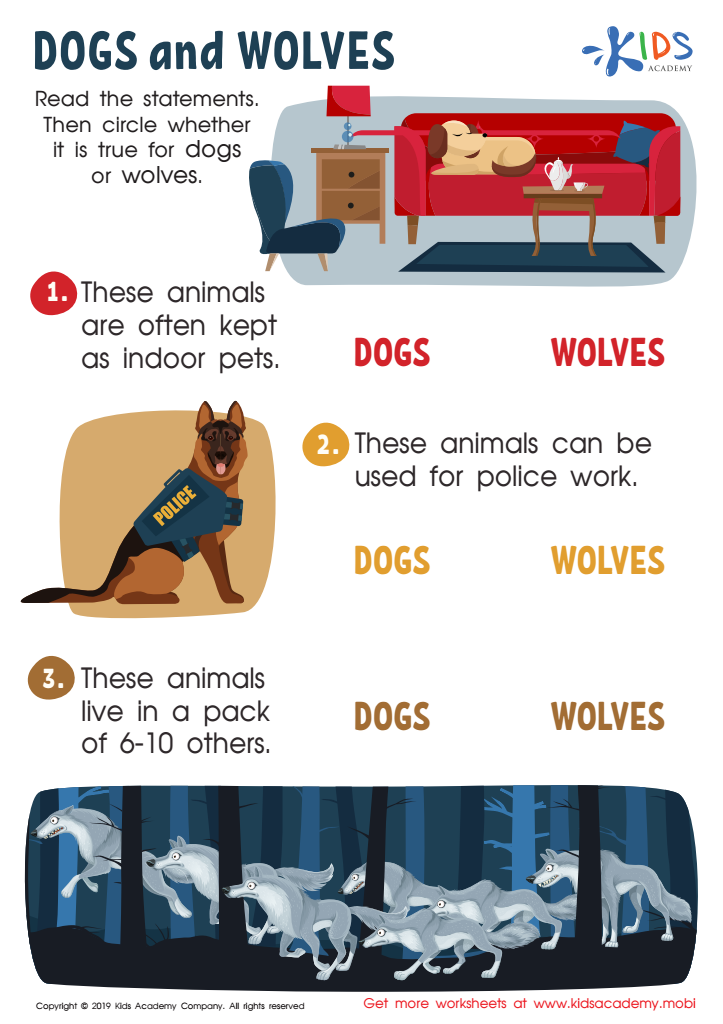
Dogs and Wolves Worksheet
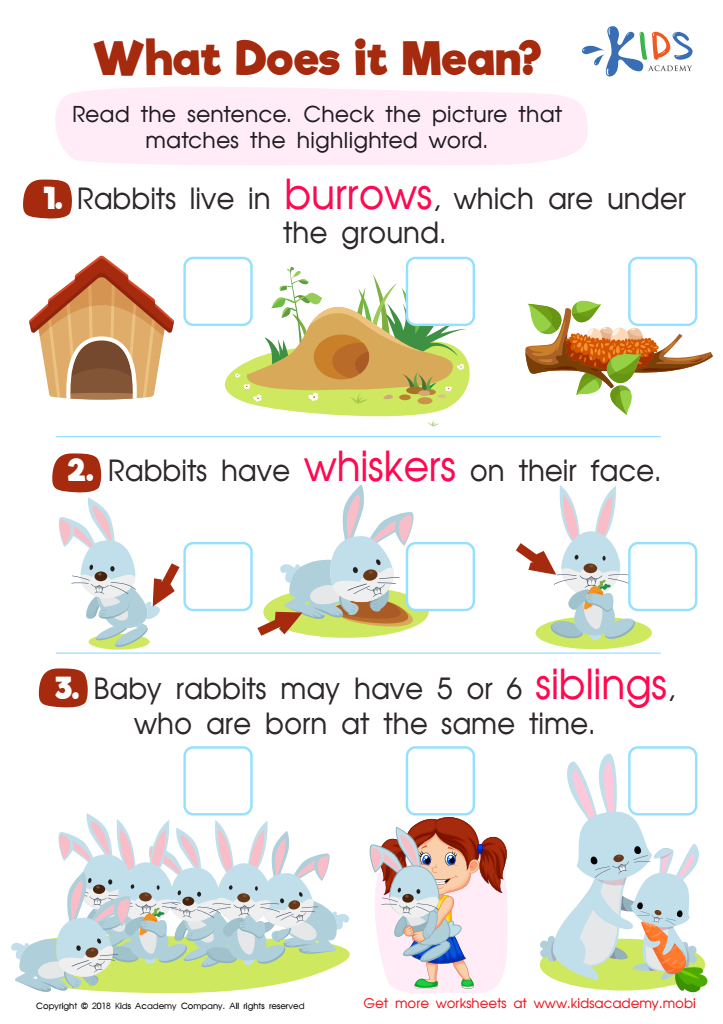
What Does It Mean? Worksheet
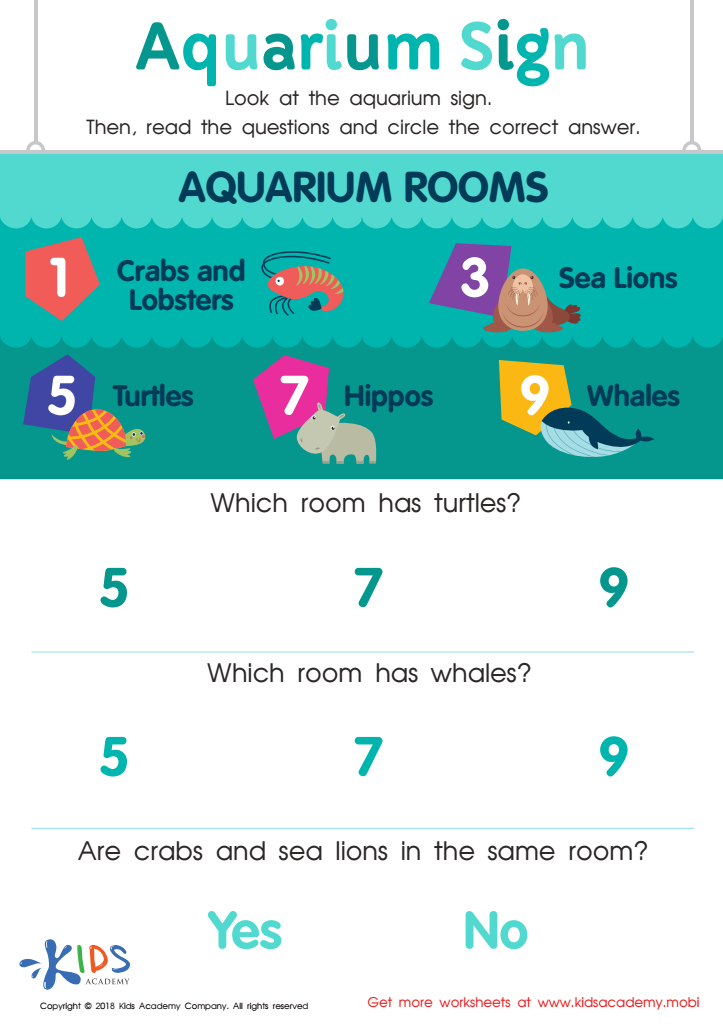
Assessment: Aquarium Sign Worksheet
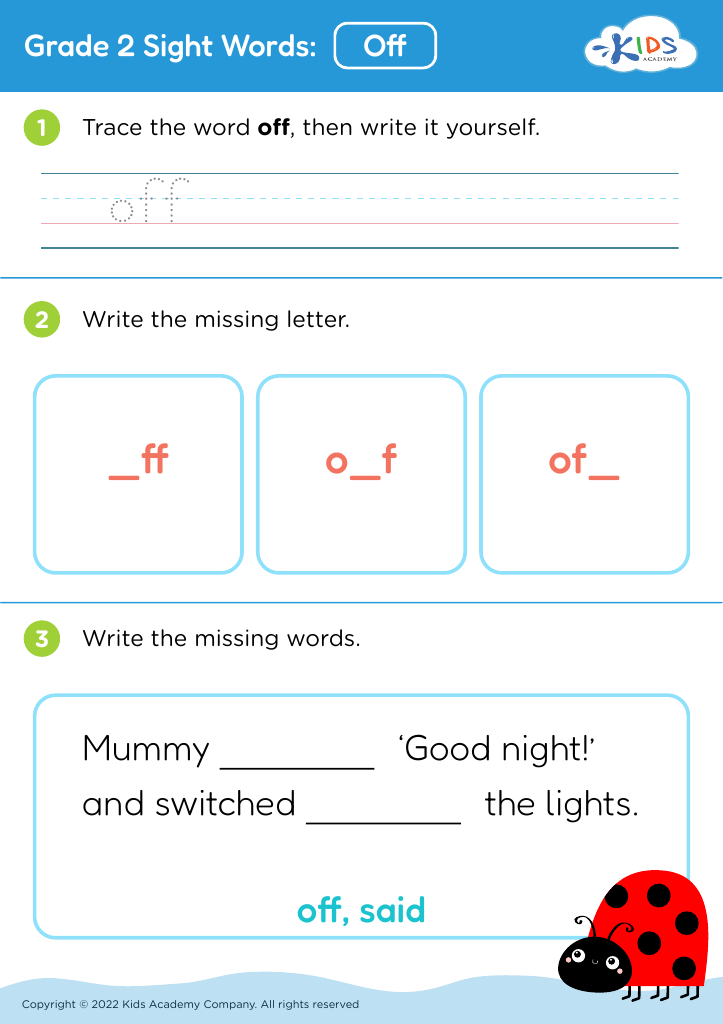
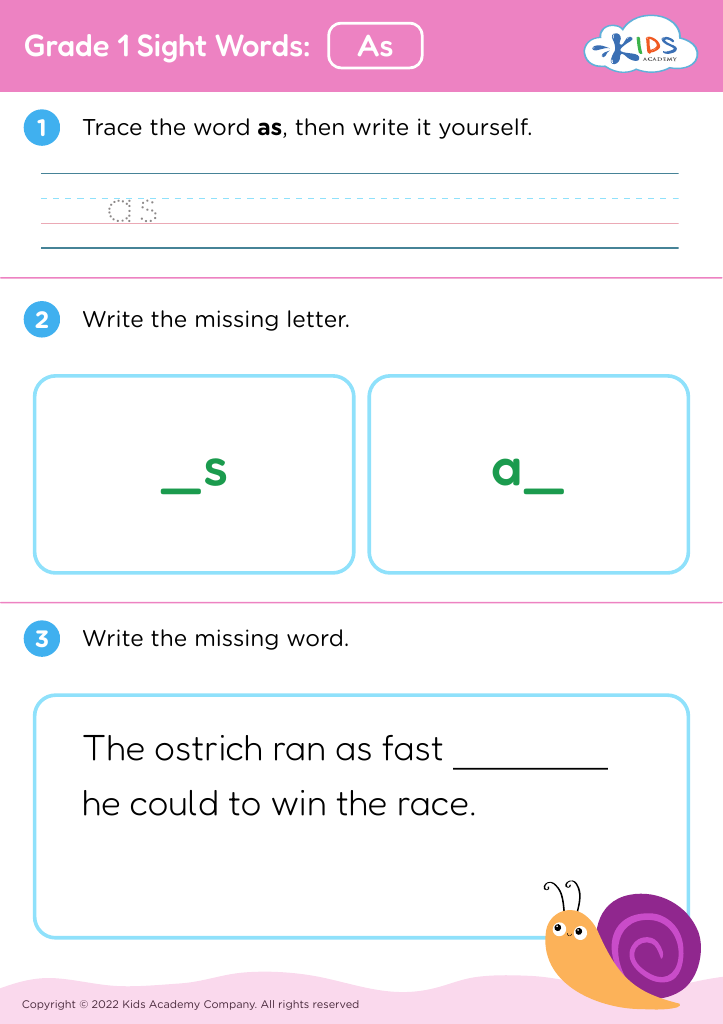
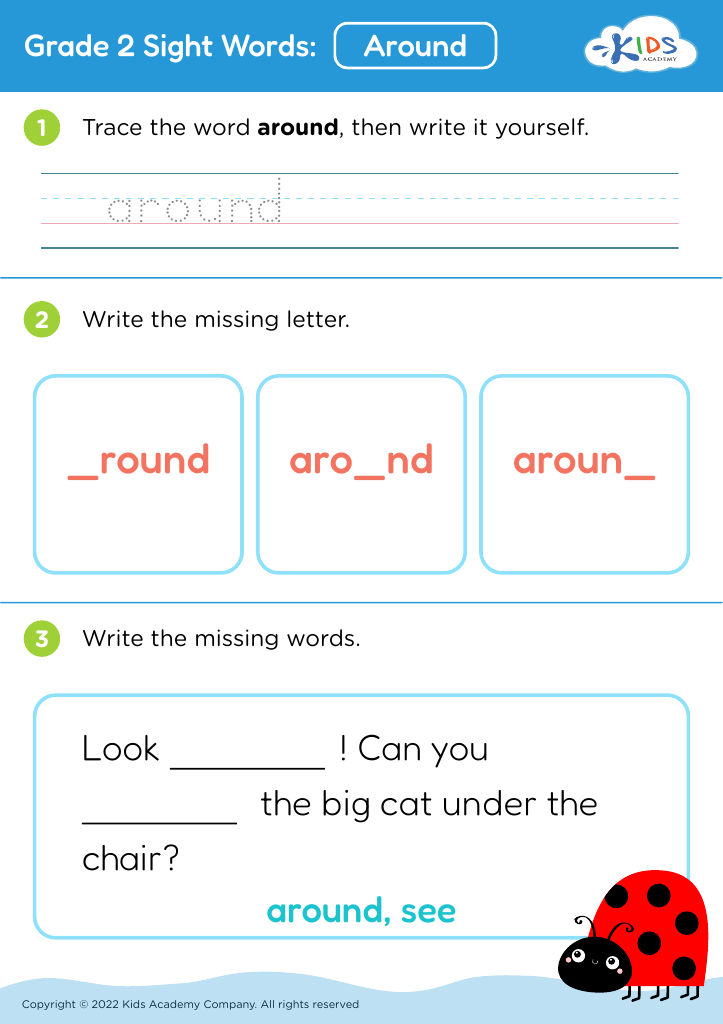








Critical thinking and vocabulary development are crucial for 7-year-olds as they lay the foundation for lifelong learning and communication skills. At this age, children begin to form their own opinions and engage in more complex conversations. Encouraging critical thinking enables them to analyze information, make informed decisions, and solve problems effectively. When children learn to question, evaluate, and reflect on ideas, they develop a deeper understanding of the world around them.
Simultaneously, a robust vocabulary is essential for expressing thoughts clearly and comprehensively. When children encounter new words, they enhance their ability to articulate their feelings and ideas, leading to increased confidence in their communication. A rich vocabulary also aids comprehension in reading and allows children to engage with diverse subjects more easily.
For parents and teachers, fostering critical thinking alongside vocabulary development creates a dynamic learning environment. This dual approach nurtures creativity, promotes curiosity, and encourages students to explore concepts independently. Together, these skills equip children with the tools to navigate academic challenges and social interactions effectively, fostering success in school and beyond. Prioritizing these areas proves to be a powerful investment in a child’s future abilities and self-expression.








