Fraction comparison Building Vocabulary Worksheets for 7-Year-Olds
4 filtered results
-
From - To
Discover our engaging "Fraction Comparison Building Vocabulary Worksheets" designed specifically for 7-year-olds! These worksheets combine the essential skills of vocabulary development and math to help young learners understand and compare fractions effectively. With colorful illustrations and interactive exercises, students will enhance their comprehension of fractional concepts while expanding their language skills. Perfect for at-home learning or classroom activities, these resources promote critical thinking and reinforce math vocabulary. Encourage your child to explore the world of fractions in a fun and engaging way. Start building a solid foundation in both literacy and numeracy today with our comprehensive worksheets!
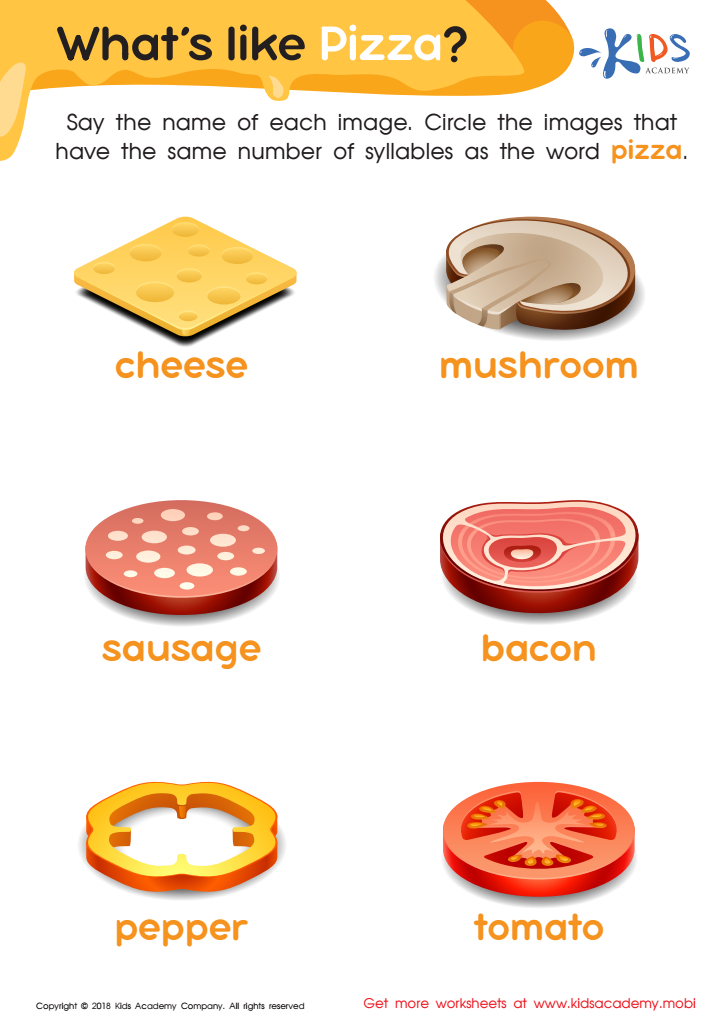
What's Like Pizza? Worksheet
 Assign to My Students











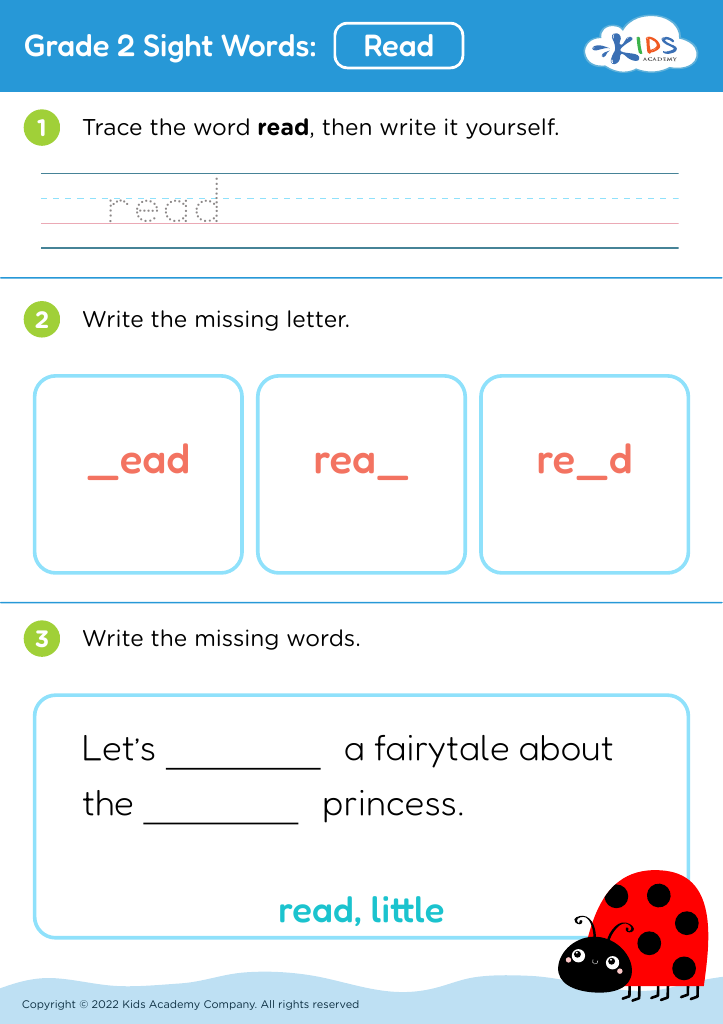
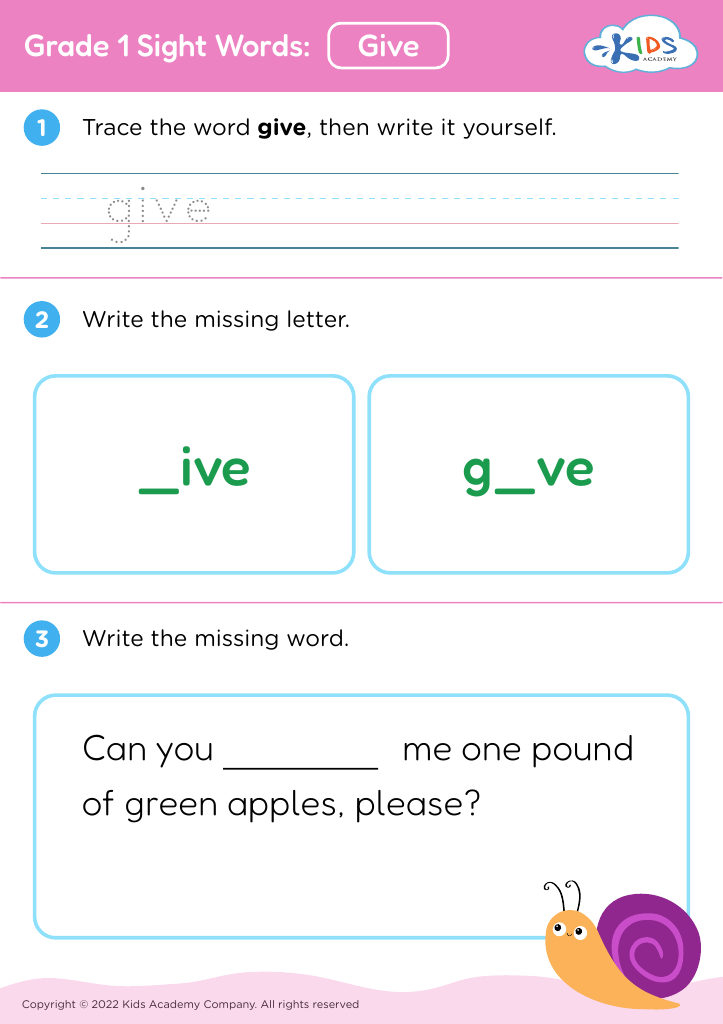
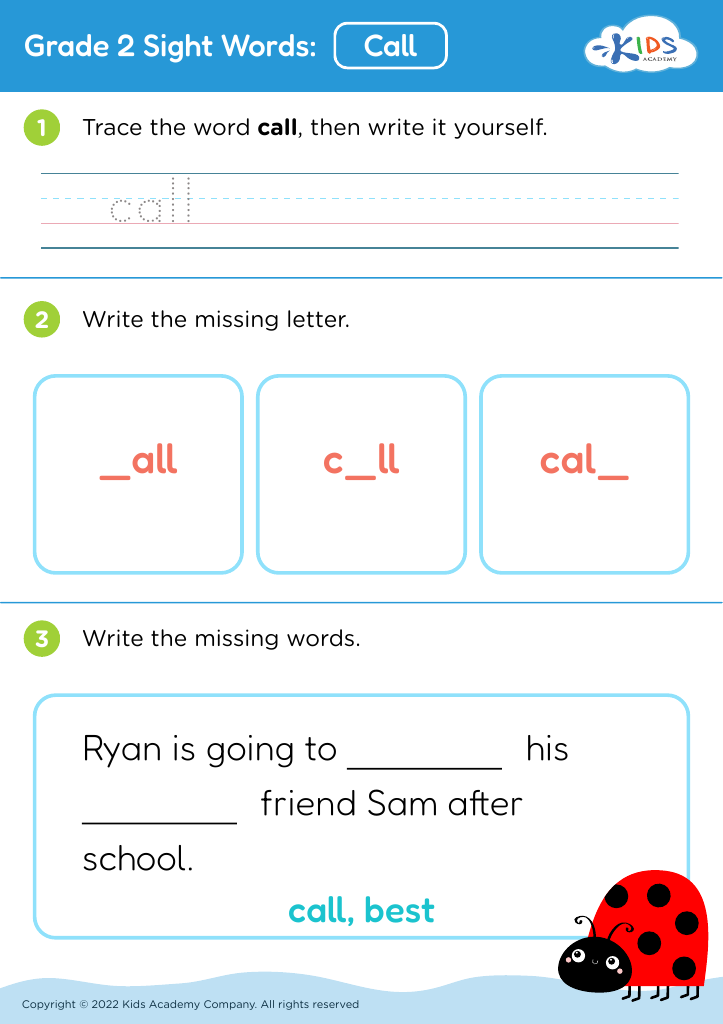






.jpg)

Teaching seven-year-olds to compare fractions is crucial for their mathematical development and overall comfort with numbers. At this age, students are beginning to build foundational skills that will support more advanced math concepts later on. Understanding how to compare fractions empowers them to tackle problems involving money, measurements, and everyday decisions.
Building vocabulary around fractions—terms like numerator, denominator, equal, greater than, and less than—equips children with the language they need to articulate their reasoning. This vocabulary not only enhances comprehension but also promotes critical thinking as students engage in discussions about their thought processes and solutions.
Furthermore, when parents and teachers emphasize fraction comparison, they promote a growth mindset. Children learn that struggling with challenging concepts is a part of learning, encouraging persistence and adaptability. This skill also lays the groundwork for collaborative problem-solving experiences, where sharing ideas and strategies becomes essential.
Ultimately, fostering a strong understanding of fractions readies young learners for future math concepts, nurtures confidence in their abilities, and enhances communication skills. Investing time and resources in this area yields long-term benefits in their academic journey and everyday life.








