Spelling practice Building Vocabulary Worksheets for 7-Year-Olds - Page 2
27 filtered results
-
From - To
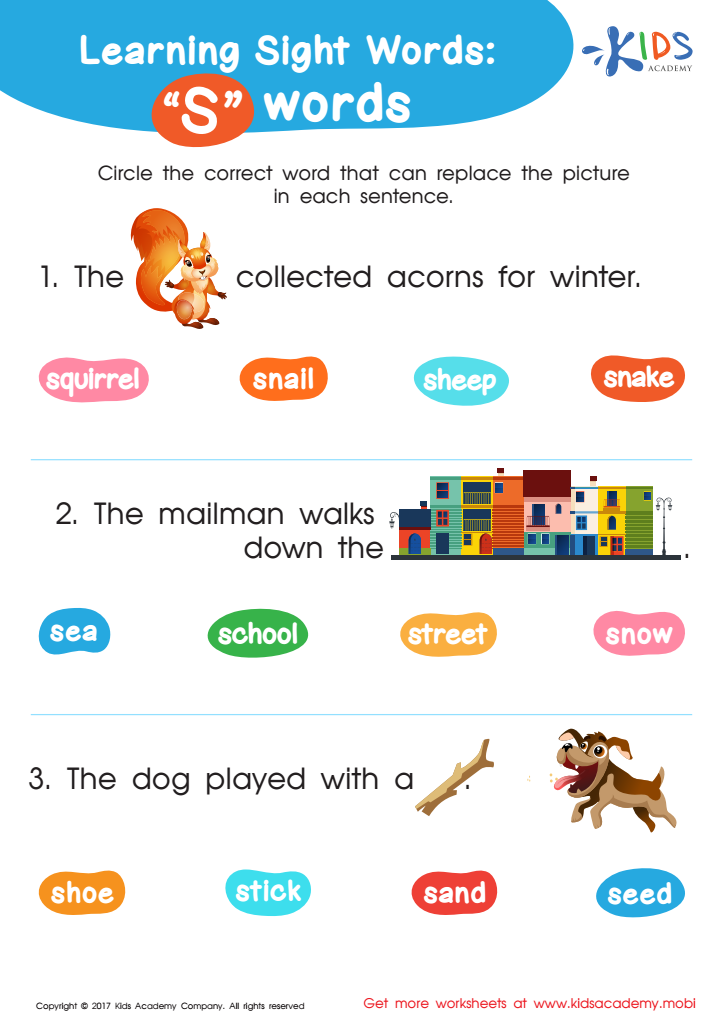
S Words Sight Words Worksheet
 Assign to My Students











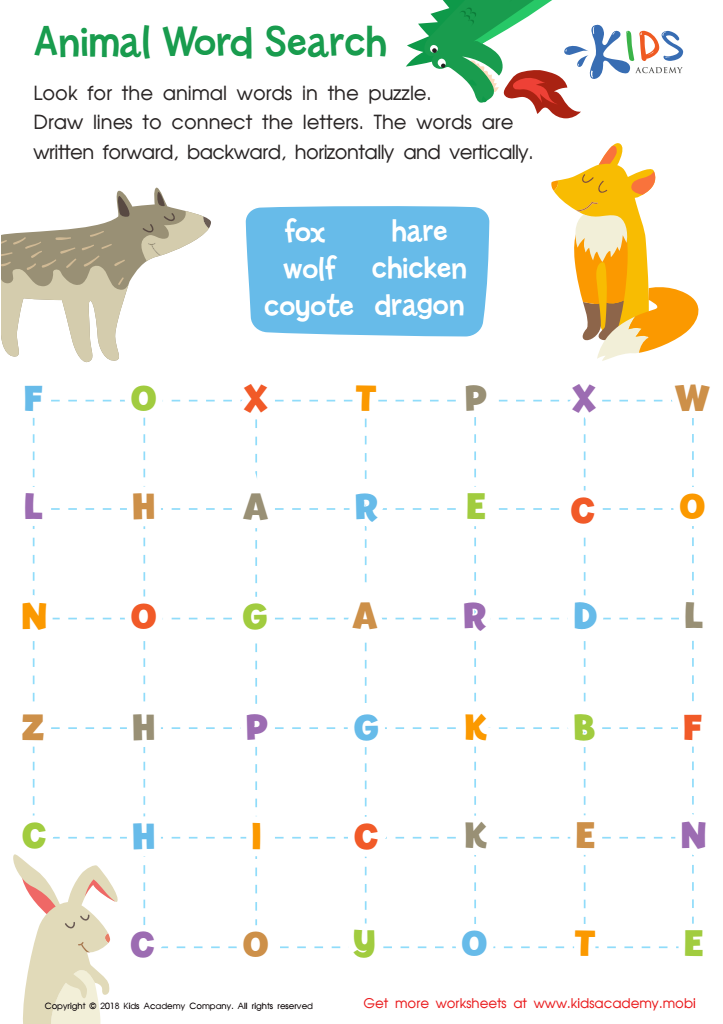
Animal Word Search Worksheet
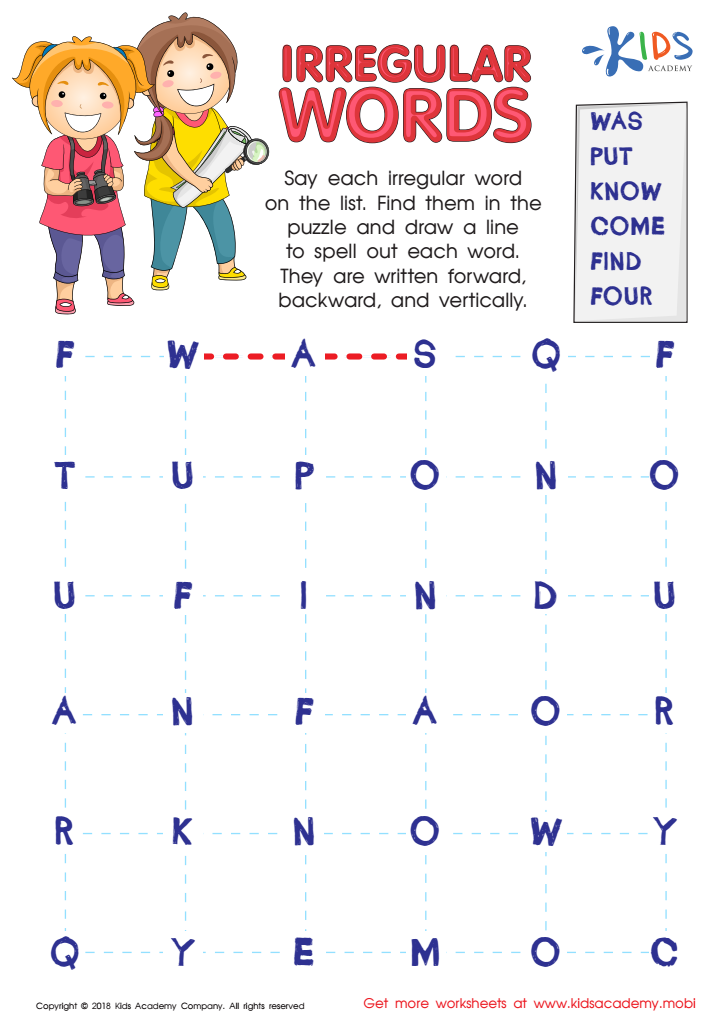
Irregular Words Worksheet






.jpg)

Spelling practice and vocabulary building are essential components of literacy development for 7-year-olds, making them crucial for parents and teachers to prioritize. At this stage, children are refining their reading and writing skills, and a robust vocabulary significantly enhances their comprehension and communication abilities. Understanding a diverse set of words allows them to express their thoughts more clearly and confidently.
Moreover, effective spelling practice contributes to the cognitive development of children. It helps improve phonemic awareness and reinforces the connection between sounds and letters, which is vital for decoding unfamiliar words while reading. Engaging in spelling activities also promotes attention to detail and fosters discipline, as children learn to review and refine their work.
Additionally, a rich vocabulary positively influences a child's academic performance across subjects. It enhances their ability to engage with more complex texts and encourages a love for reading. Equipped with a strong command of spelling and vocabulary, children can participate more actively in conversations, boosting their social skills and building relationships.
For these reasons, every effort made in spelling practice and vocabulary enrichment fosters not only literacy but also overall development, setting the foundation for lifelong learning and curiosity.








