Phonics Skills Grammar Worksheets for 7-Year-Olds
7 filtered results
-
From - To
Discover our engaging Phonics Skills Grammar Worksheets designed specifically for 7-year-olds! Tailored to enhance children's grasp of phonics while strengthening their grammar abilities, these worksheets provide a fun and interactive way to learn. Our carefully curated activities focus on phonemic awareness, letter-sound correspondence, and decoding skills, fostering a solid foundation in reading and writing. With colorful illustrations and age-appropriate exercises, kids will enjoy practicing essential phonics concepts in an enjoyable manner. Perfect for classroom use or homework, these printable resources help child unlock their full language potential, making learning both effective and enjoyable. Boost your child’s phonics skills today!
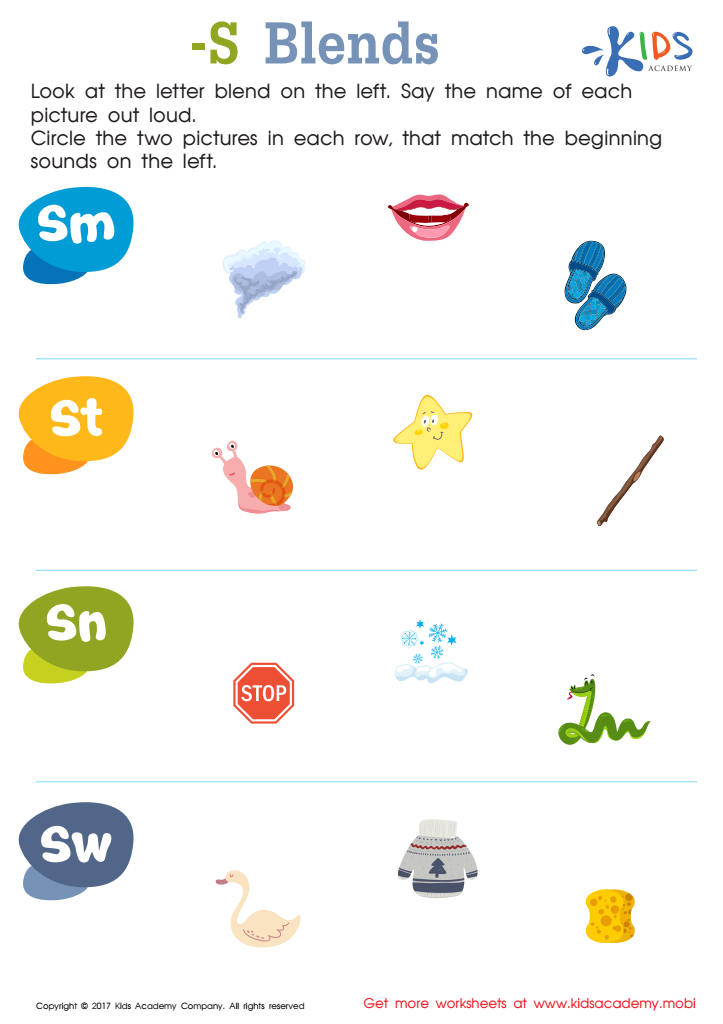
"s" Blends Spelling Printable
 Assign to My Students
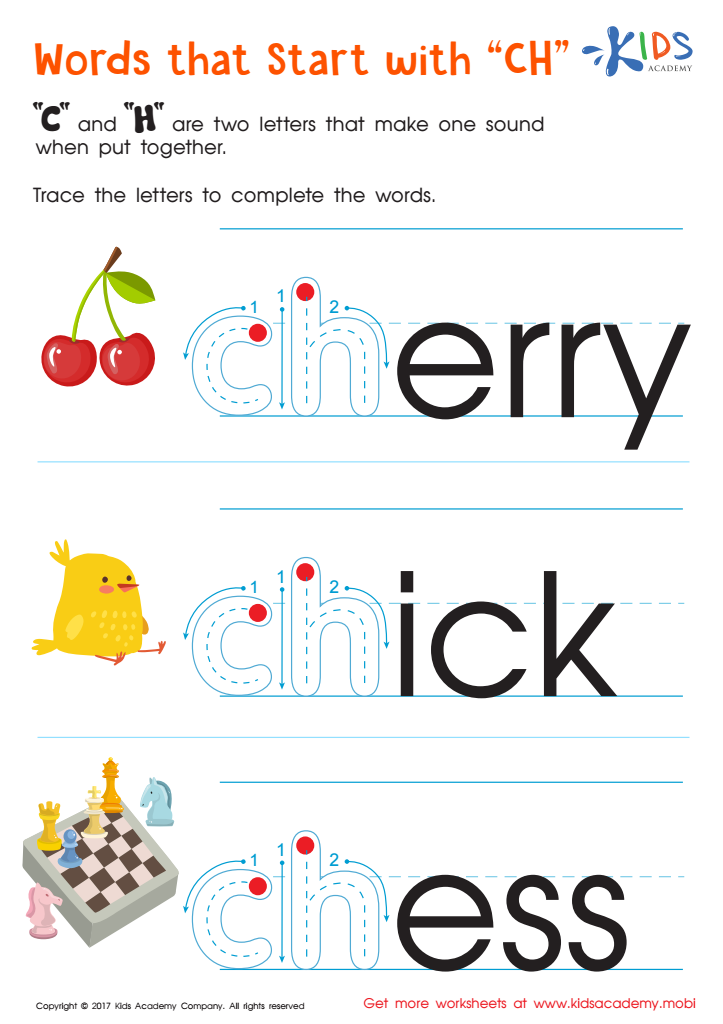
Words That Start with "ch" Spelling Worksheet
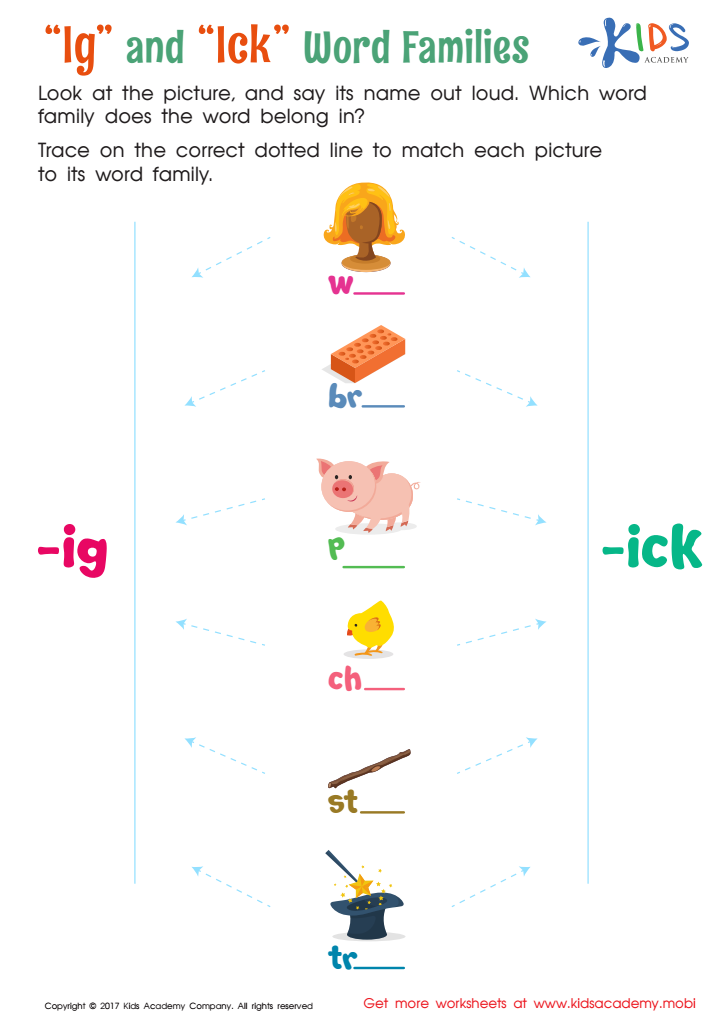
Words Families "ig" and "ick" Spelling Worksheet
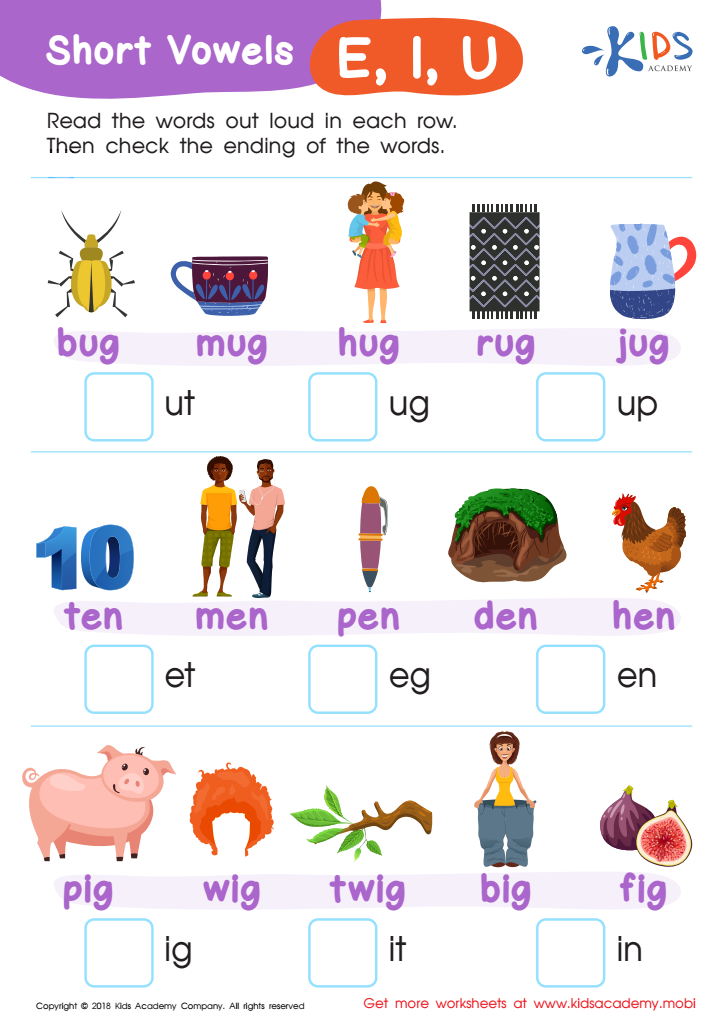
Short Vowels /e/, /i/, and /u/ Worksheet
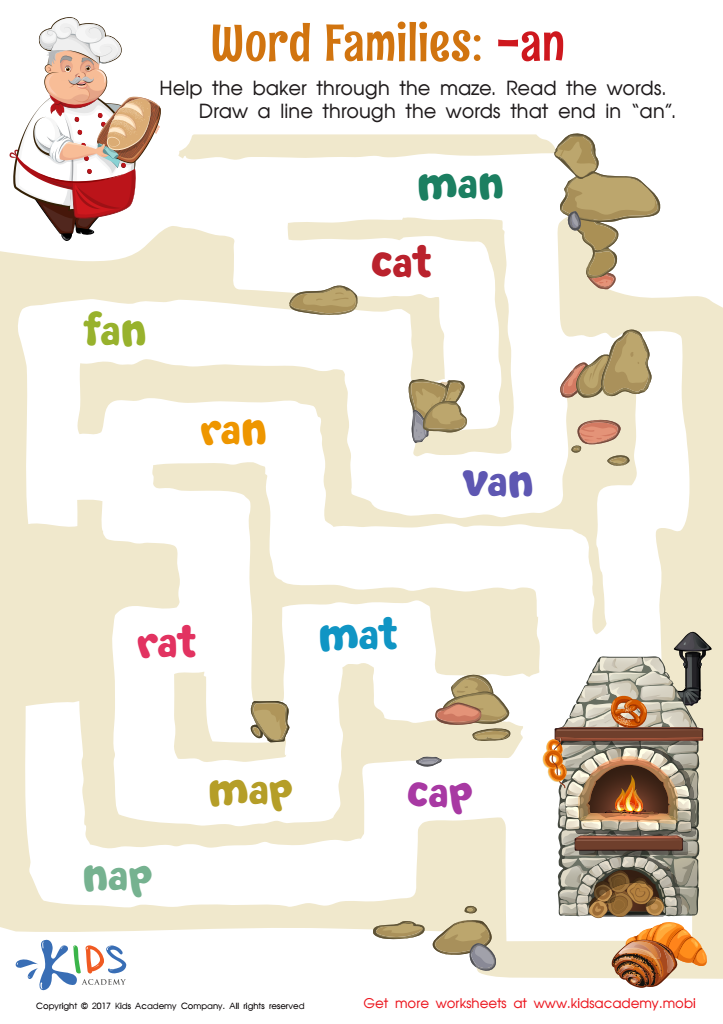
Words Families "an" Spelling Worksheet
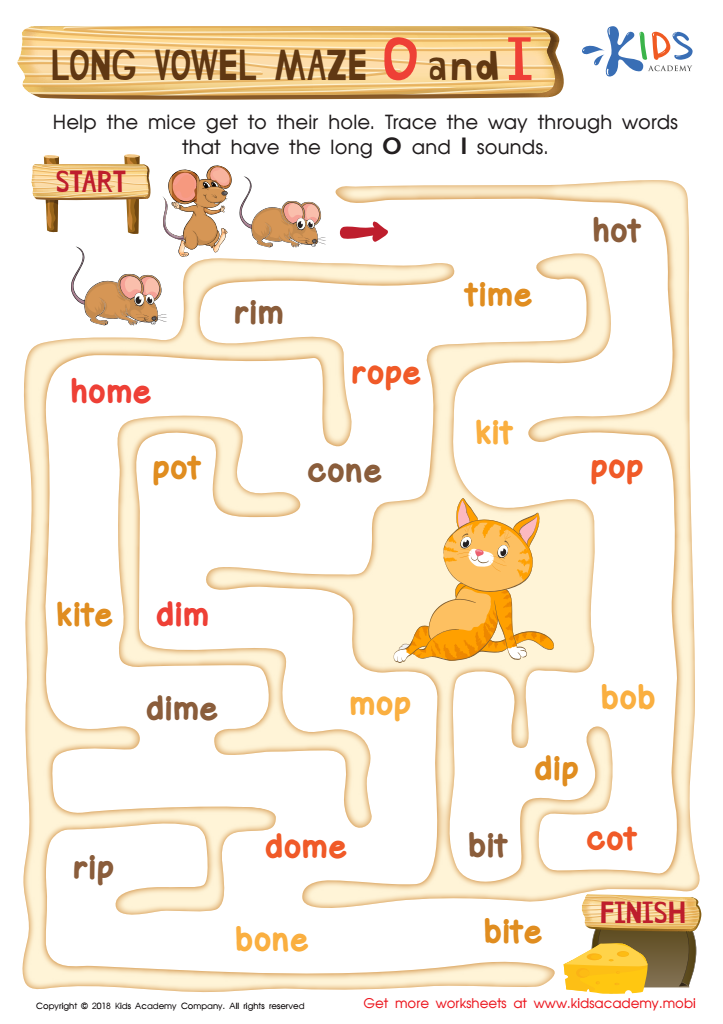
Long Vowel Maze /o/ and /i/ Worksheet
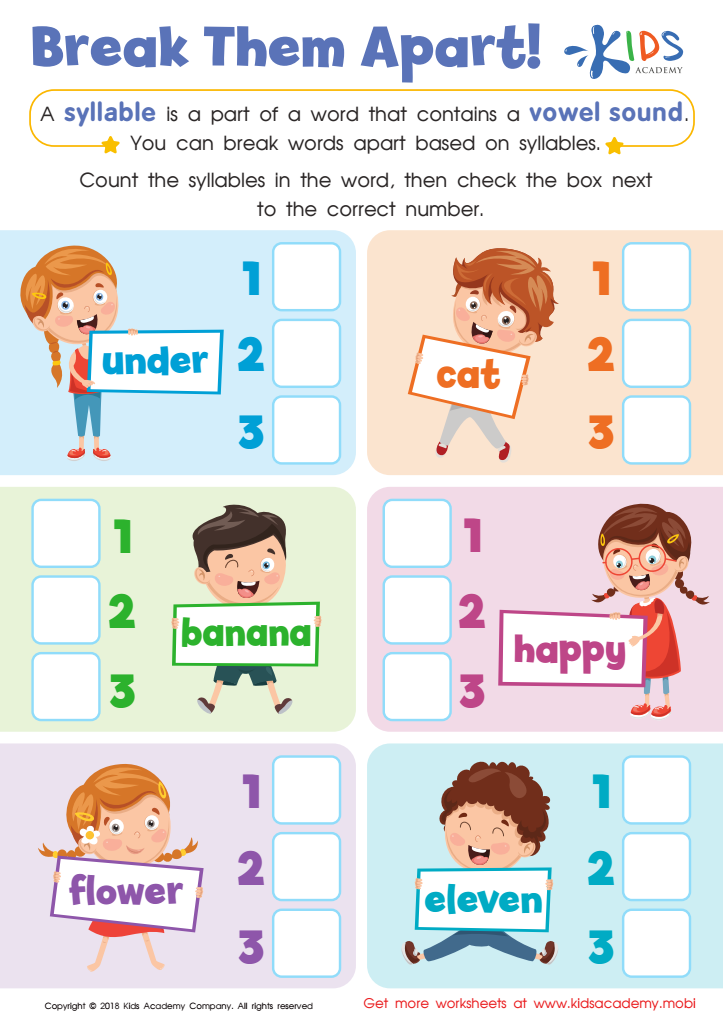
Reading: Break Them Apart Worksheet


.jpg)




Phonics skills and grammar are fundamental components of early literacy education and significantly impact a 7-year-old's reading and writing abilities. For parents and teachers, understanding the importance of these skills is crucial for ensuring a child's academic success and confidence in communication.
Phonics skills involve the relationship between letters and sounds, enabling children to decode words effectively. Mastery of phonics can lead to improved reading fluency, which is essential for comprehension. A strong foundation in phonics not only helps children tackle unfamiliar words but also fosters a love for reading—an essential lifelong skill.
Grammar, on the other hand, provides the structure needed for clear and effective communication. As children begin to form more complex sentences, understanding basic grammatical rules allows them to express their thoughts coherently and creatively. This skill is vital not only in academic settings but also in everyday interactions.
When parents and teachers emphasize phonics skills and grammar at this crucial age, they equip children with the tools for future learning. Monitoring and supporting their development fosters both academic achievement and self-esteem, ultimately helping children become confident readers and writers. By prioritizing these fundamental skills, adults play an essential role in setting the trajectory for lifelong literacy and learning.








