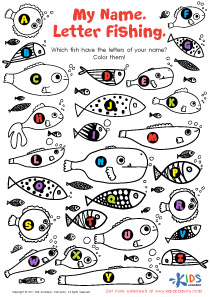
Alphabet tracing ABC Order Worksheets for Ages 8-9
6 filtered results
-
From - To
Enhance your child’s literacy skills with our Alphabet Tracing ABC Order Worksheets designed for ages 8-9. These engaging worksheets focus on teaching children how to recognize, write, and arrange letters in the correct order. Through tracing exercises, students will develop fine motor skills, letter formation, and a strong foundation in alphabets. Ideal for at-home practice or classroom use, these resources encourage independent learning while making language fun! Each worksheet is crafted to keep young learners motivated and boost their confidence in reading and writing. Learn more about the importance of alphabet mastery and make tracing a delightful experience for your child today!
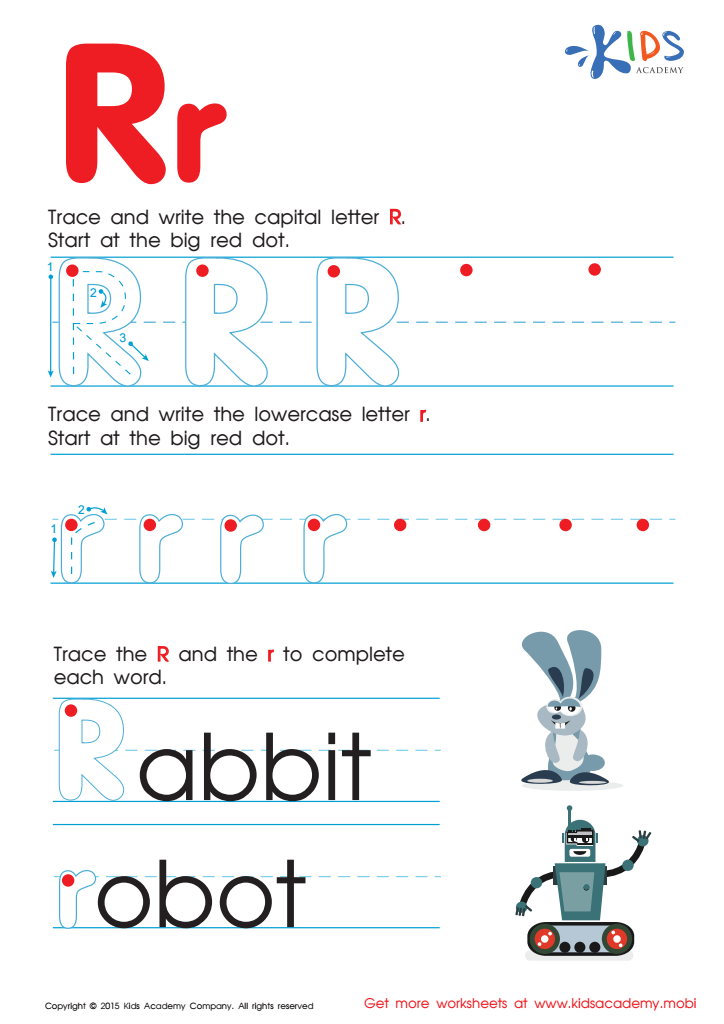
Letter R Tracing Page
 Assign to My Students











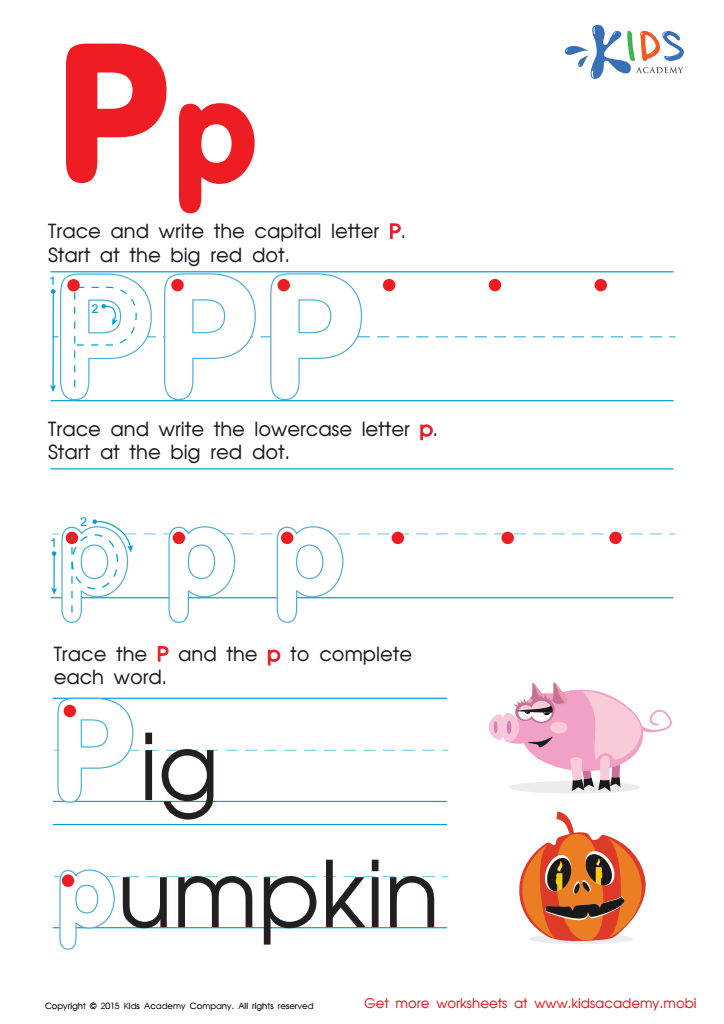
Letter P Tracing Page
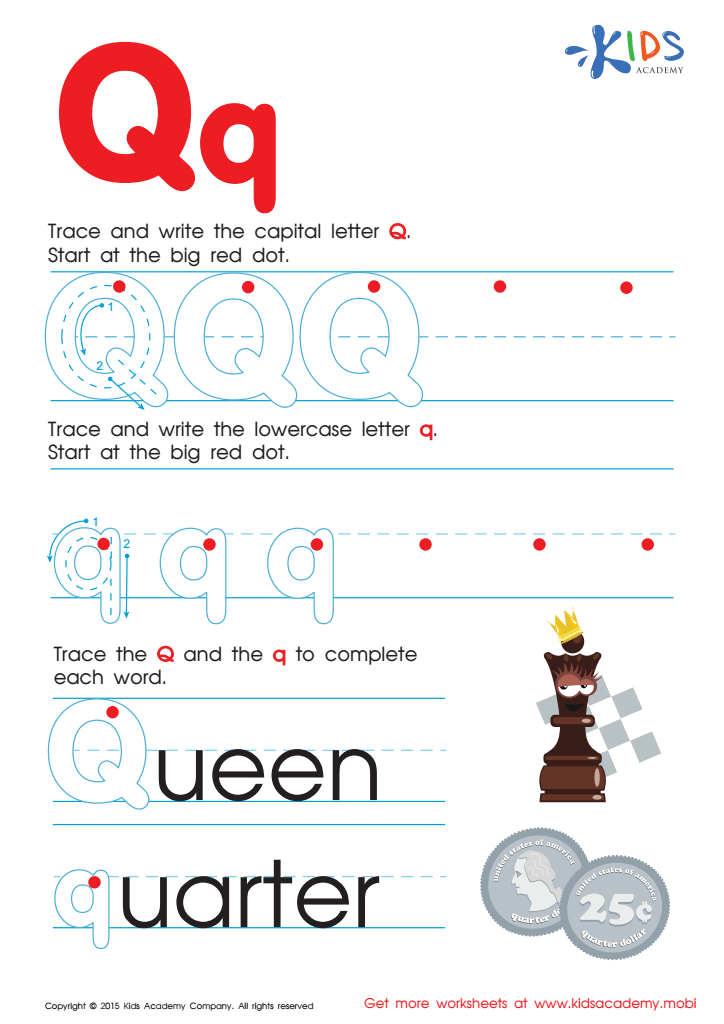
Letter Q Tracing Page

Letter H Tracing Page
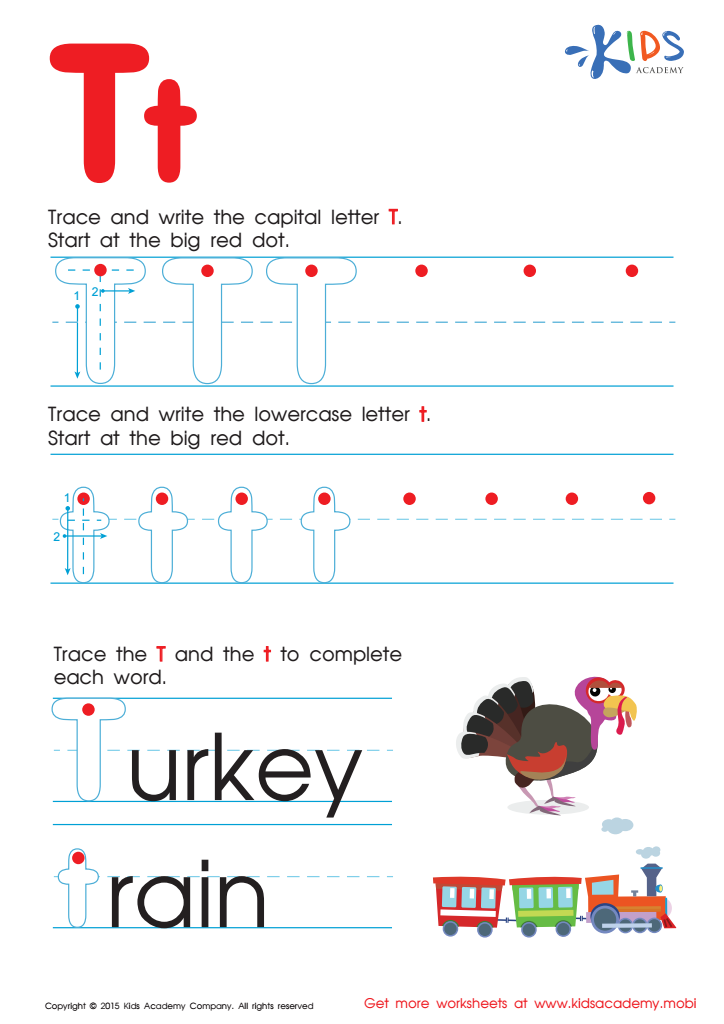
Letter T Tracing Page

Letter D Tracing Page








Parents and teachers should recognize the importance of alphabet tracing and understanding ABC order for children aged 8-9 as these skills lay the foundation for essential literacy development. By engaging in alphabet tracing activities, children enhance their fine motor skills and hand-eye coordination, crucial for writing proficiency. At this age, children are increasingly integrating writing into their learning processes, and being able to effectively form letters is vital.
Moreover, understanding ABC order fosters organizational skills and enhances reading capabilities. As children learn to arrange letters and words alphabetically, they better comprehend how language is structured, which aids in multiple areas such as dictionary skills, vocabulary building, and even later computer usage. Alphabetical order is commonly used in categorization, whether in libraries or index books—competence in this area streamlines research activities and promotes independence in learning.
Finally, incorporating these activities into educational routines fosters a joy of learning and empowers students. It challenges them to be engaged, excited, and confident in their writing and reading abilities. Parents and teachers play a crucial role in facilitating this skill development, ultimately benefiting the child's overall academic journey.