Letter recognition ABC Letters Worksheets for Ages 8-9 - Page 2
26 filtered results
-
From - To

Letter D Tracing Page





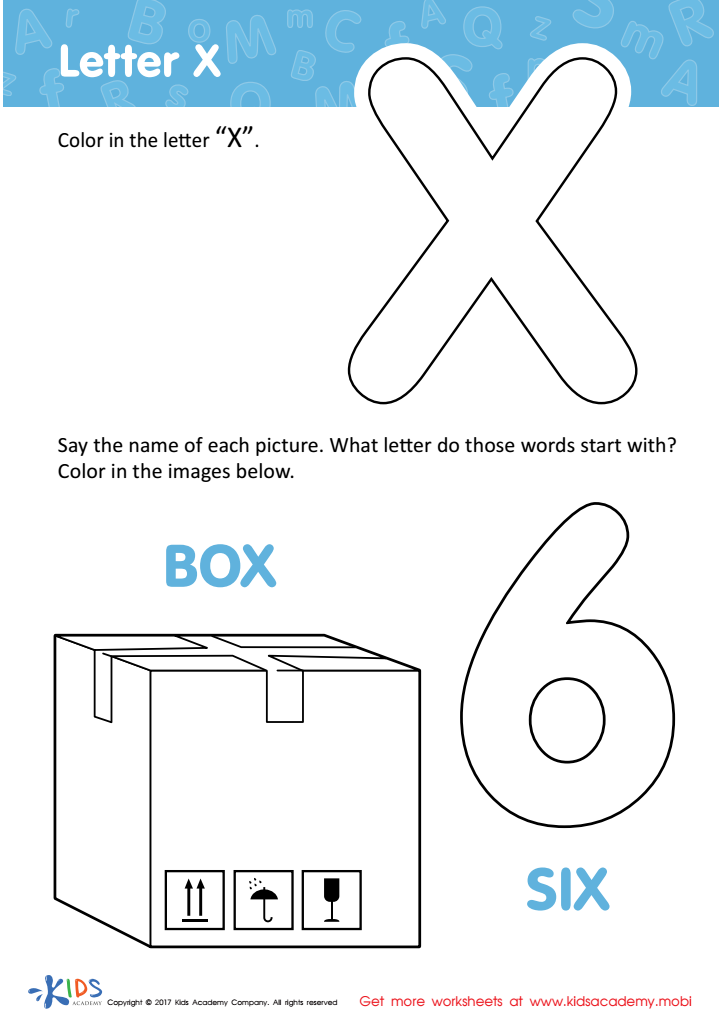
Letter X Coloring Sheet
 Assign to My Students








Letter recognition is a fundamental skill for children, particularly between the ages of 8 and 9, as they transition from learning to read to reading to learn. At this stage, being proficient with the ABC letters supports various academic areas, including vocabulary development, language comprehension, and communication skills.
Parents and teachers should care about letter recognition because it lays the groundwork for effective literacy. Mastery of the alphabet enhances phonemic awareness, enabling children to decode unfamiliar words independently, which boosts their confidence in reading. When children can recognize letters easily, they can appreciate more complex texts, fostering a lifelong love for reading and learning.
Moreover, strong letter recognition skills can impact a child’s performance in other subjects. For example, in mathematics, understanding word problems hinges on reading capabilities. This foundational knowledge translates into improved academic performance across various disciplines.
Additionally, focusing on letter recognition promotes cognitive development, attention span, and memory. Support from parents and educators can include fun, engaging activities that reinforce these skills, creating a positive and stimulating learning environment. Ultimately, recognizing the importance of letter recognition helps ensure that children are well-equipped to navigate their educational journey with confidence and ease.







