Letter tracing skills ABC Letters Worksheets for Ages 8-9
3 filtered results
-
From - To
Enhance your child's handwriting with our engaging Letter Tracing Skills ABC Worksheets, designed specifically for learners aged 8-9. These interactive worksheets provide a fun way for children to practice forming letters and improve their fine motor skills. Each worksheet features clear, traceable letters accompanied by captivating illustrations to keep young learners motivated. As children trace both uppercase and lowercase letters, they build confidence in their writing abilities and reinforce their understanding of the alphabet. Perfect for at-home practice or classroom activities, these worksheets are a valuable resource for fostering effective handwriting skills in an enjoyable manner. Download today and watch your child thrive!
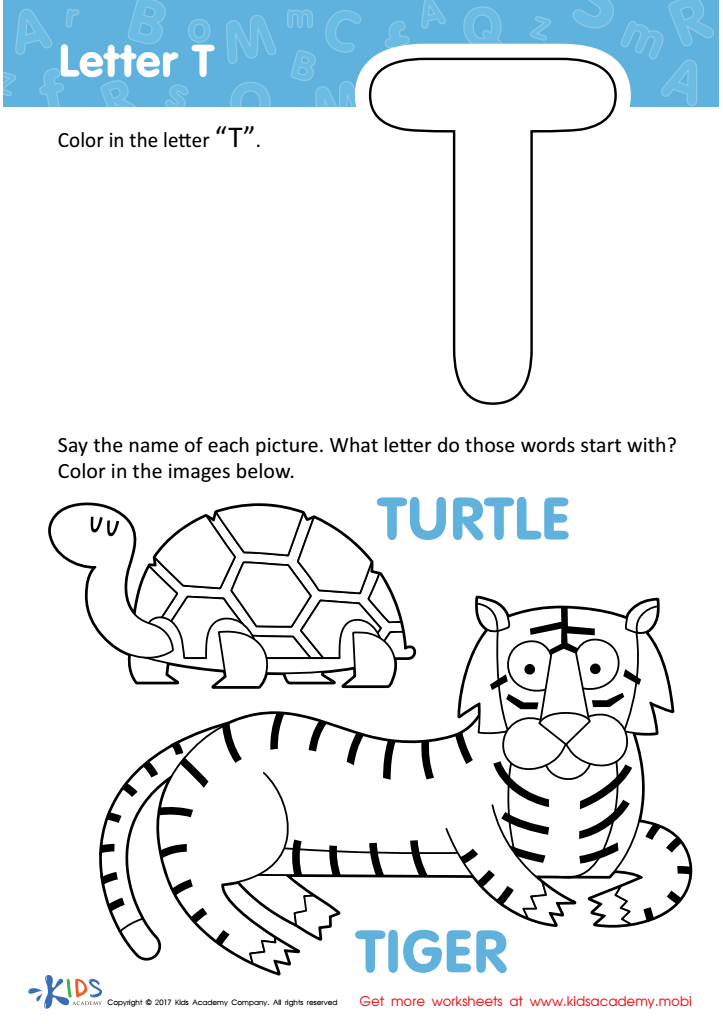
Letter T Coloring Sheet
 Assign to My Students







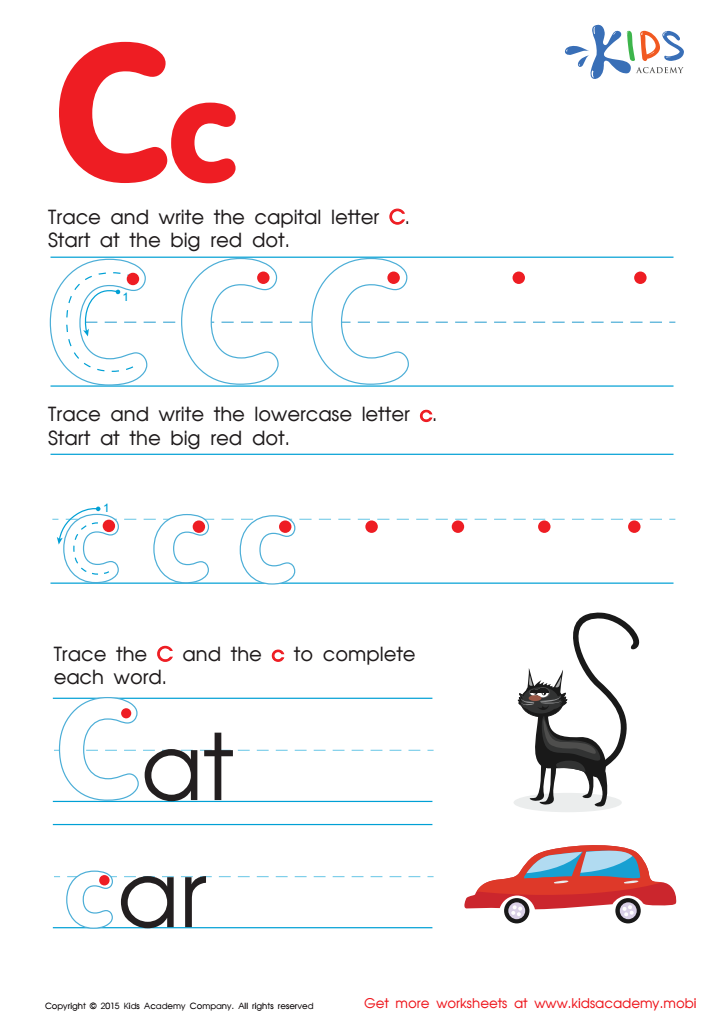
Letter C Tracing Page
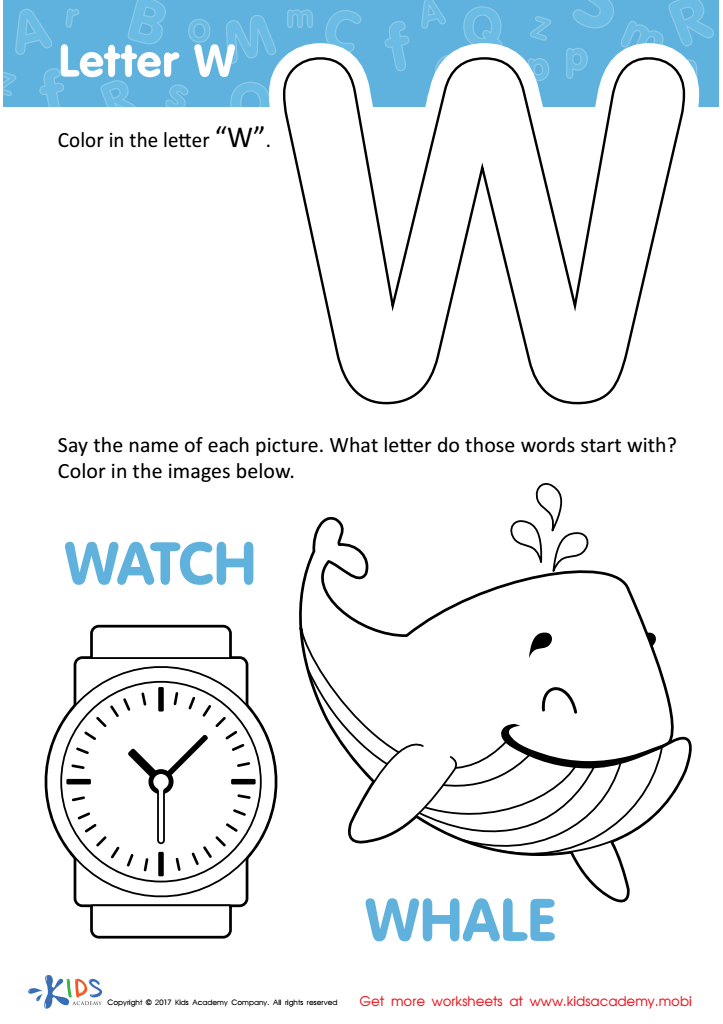
Letter W Coloring Sheet
Assign to My Students








Letter tracing skills are crucial for children aged 8-9 as they lay the foundation for effective writing and literacy development. At this age, students should already have basic letter recognition, but tracing helps enhance fine motor skills, hand-eye coordination, and muscle memory that are vital for writing fluently.
As children trace letters, they learn the correct formation and directionality, which can reduce frustration and enhance their confidence as they move towards independent writing. This stage also plays a significant role in literacy development; writing skills are inextricably linked to reading comprehension—children who develop strong writing skills are often better readers.
Additionally, letter tracing encourages cognitive development. Children can enhance their understanding of letters and their sounds while engaging in a hands-on learning activity. It makes learning fun and interactive, promoting greater engagement and enjoyment in education.
Furthermore, these skills are essential for everyday tasks such as filling out forms, writing notes, and completing homework. In today’s digital world, where efficient communication is key, handwriting remains an important skill. Thus, parents and teachers should actively encourage and incorporate letter tracing activities to support their children’s overall development and academic success.







