Vocabulary Building Alphabet Worksheets for Ages 8-9
9 filtered results
-
From - To
Enhance your child's vocabulary with our engaging "Vocabulary Building Alphabet Worksheets" designed specifically for ages 8-9. These worksheets provide fun and interactive activities that help young learners connect letters with words, enhancing their language skills and comprehension. Each worksheet promotes creativity while strengthening language acquisition through games, puzzles, and matching exercises. Perfect for both classroom and home learning, our resources cater to various learning styles, ensuring that every child can thrive. Foster a love for learning as your child discovers new words and expands their vocabulary in an enjoyable way. Start their vocabulary journey today!
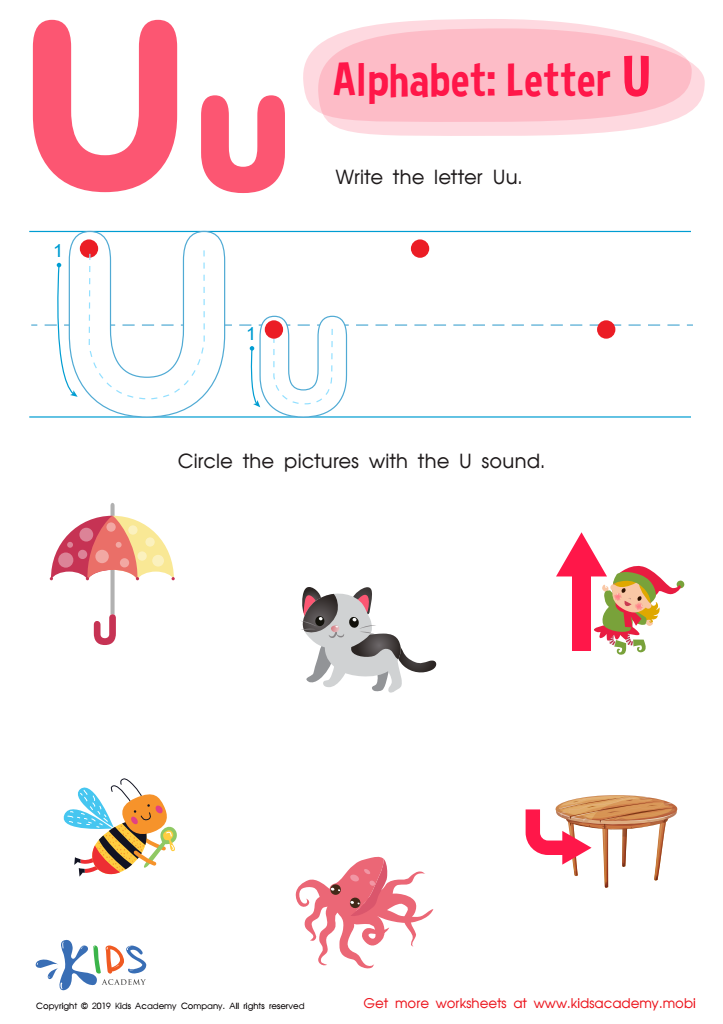
Letter U Tracing Worksheet
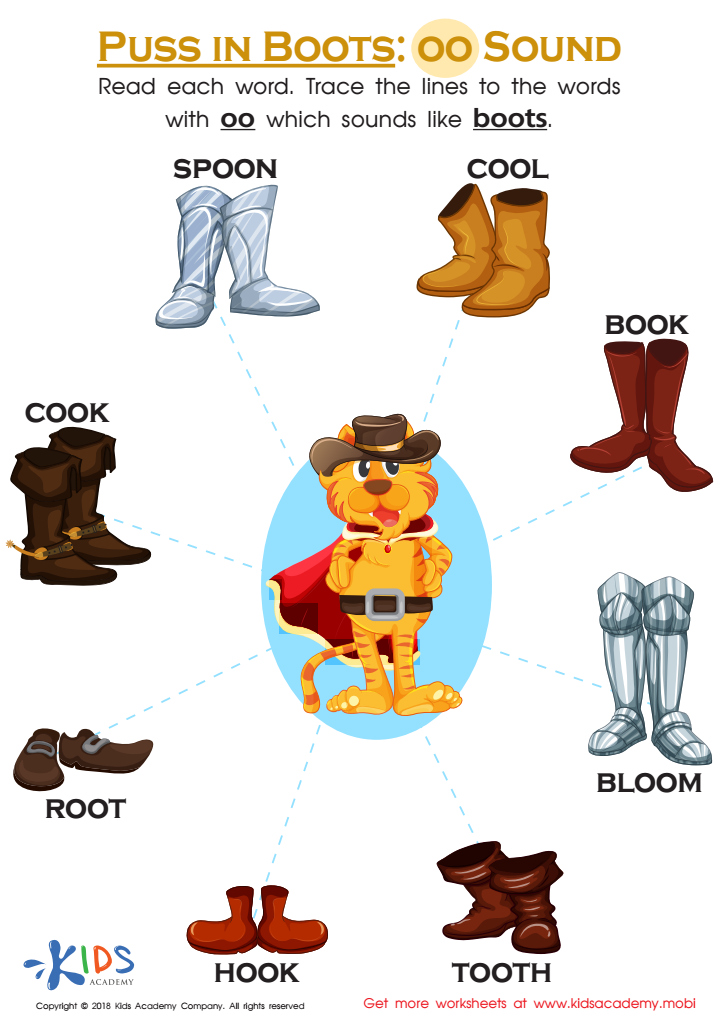
Puss in Boots: OO Sound Worksheet
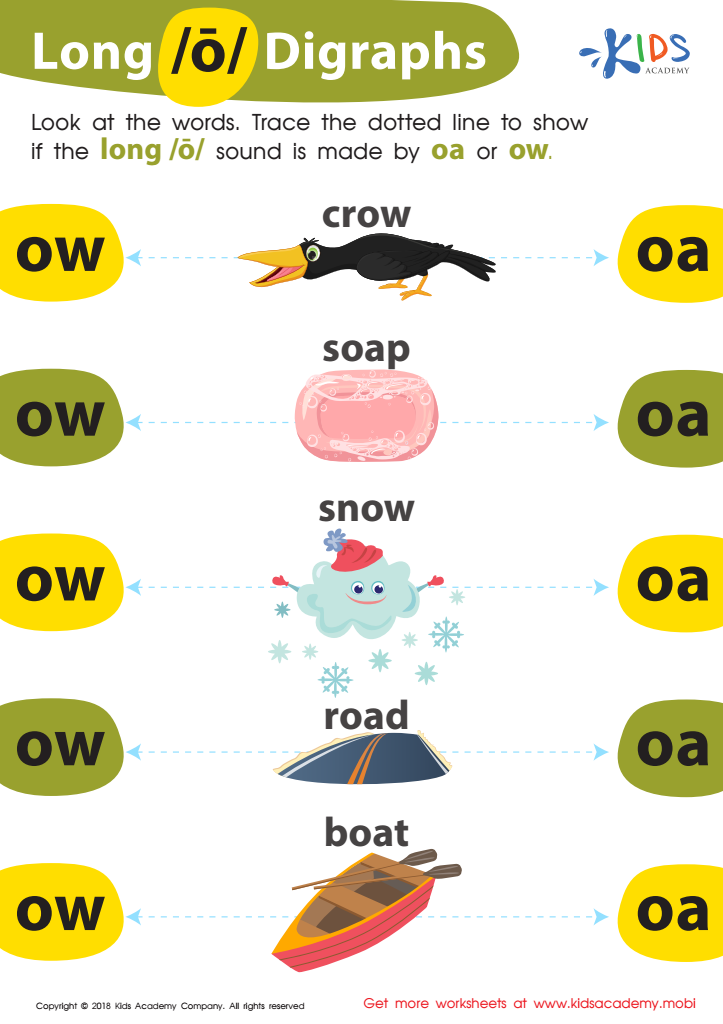
Reading: Long O Digraphs Worksheet
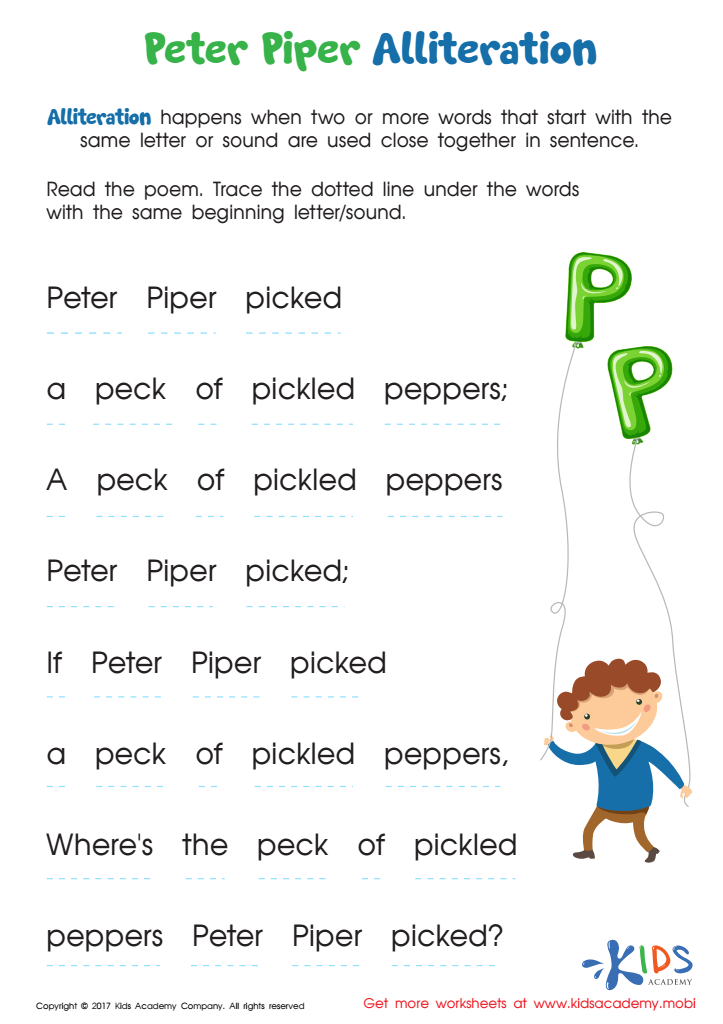
Peter Piper Alliteration Worksheet
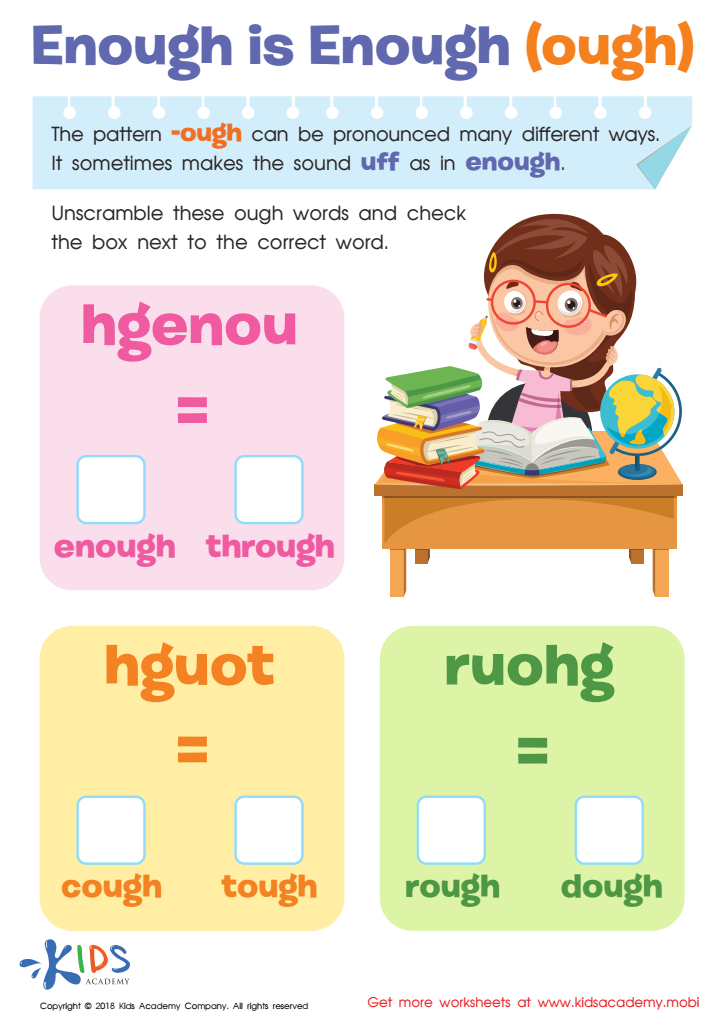
Enough Is Enough (ough) Worksheet
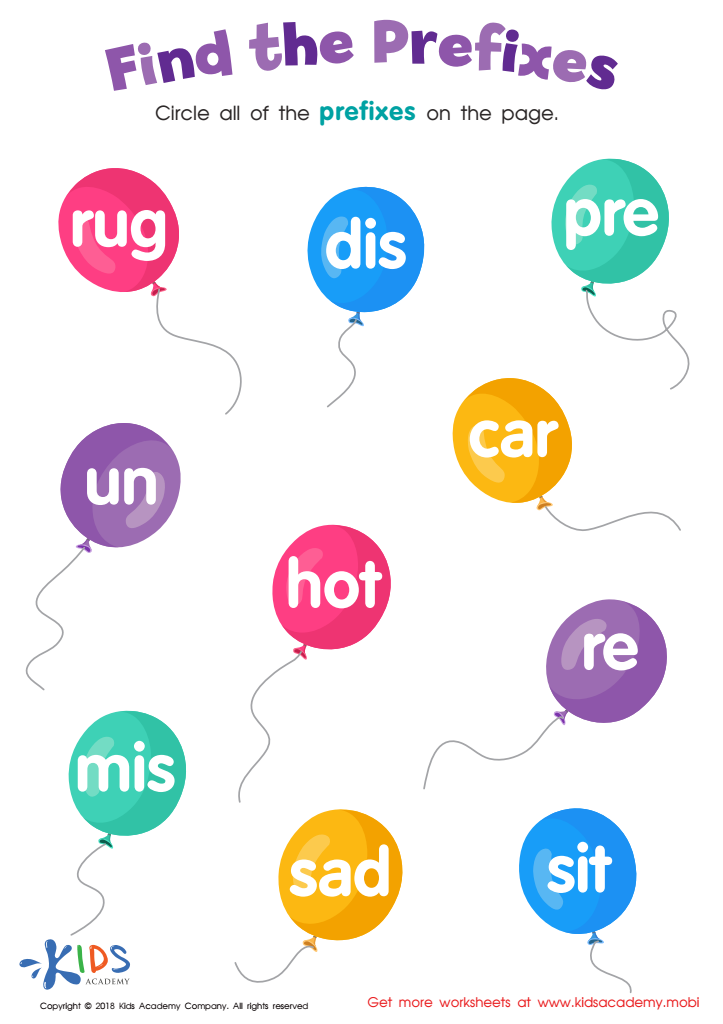
Reading: Find the Prefixes Worksheet
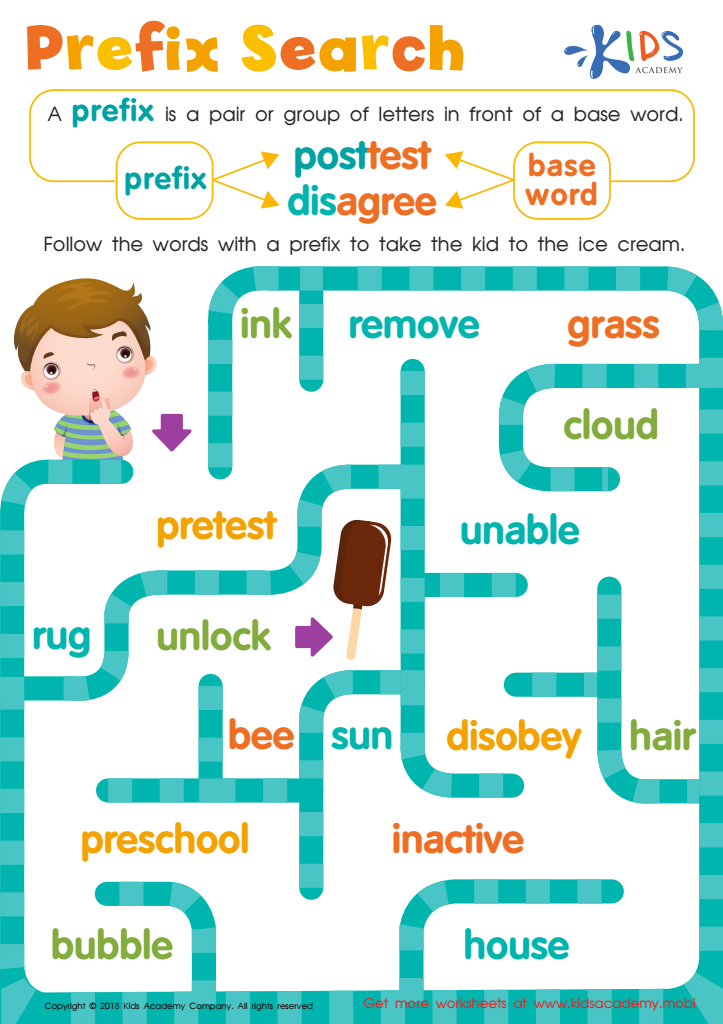
Reading: Prefix Search Worksheet
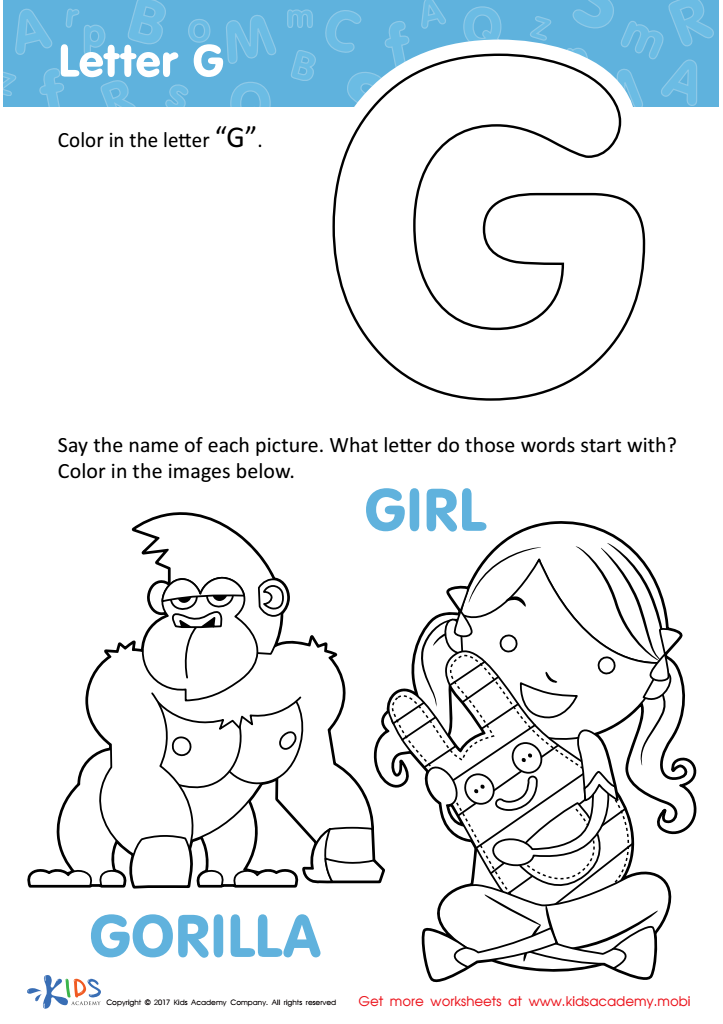
Letter G Coloring Sheet
 Assign to My Students
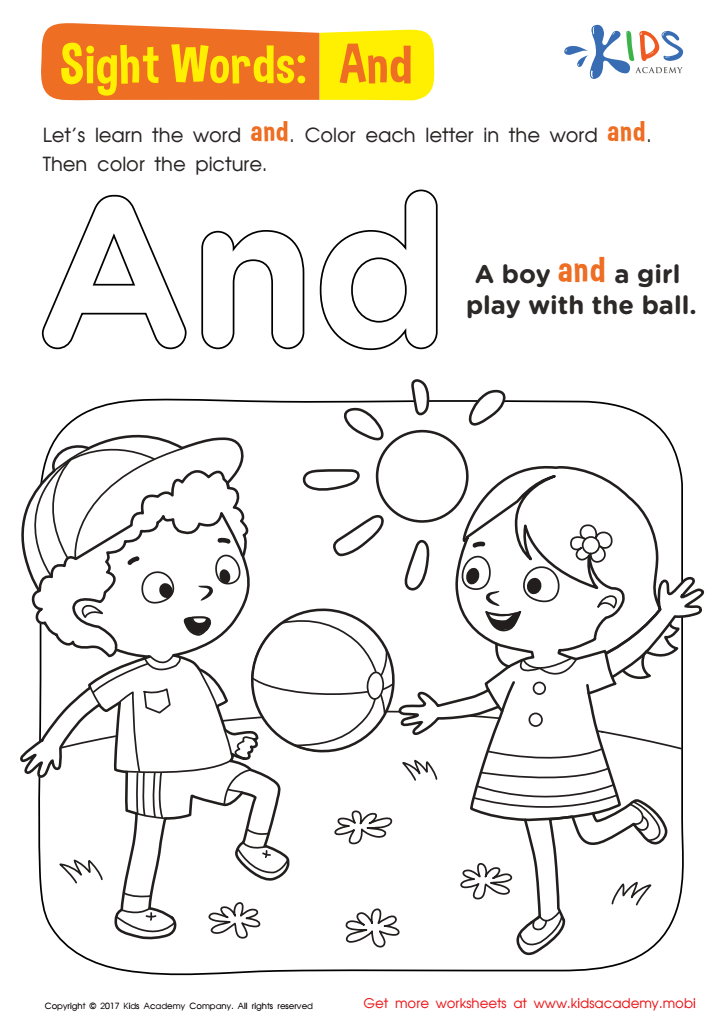
And Worksheet Sight Words Worksheet
Assign to My Students







Vocabulary building for children ages 8-9 is crucial for their cognitive and linguistic development, as this age marks a period of significant growth in reading and comprehension skills. At this stage, children are moving beyond basic words and beginning to explore more complex vocabulary. This is not just about learning more words, but understanding their meanings, context, and how to use them effectively in communication.
Parents and teachers should care about vocabulary building because it directly impacts a child's academic performance across subjects. A rich vocabulary enhances reading comprehension, which is essential for learning in all areas, from math word problems to scientific texts. Furthermore, strong vocabulary skills contribute to effective writing, allowing children to express their ideas clearly and creatively.
Engaging with vocabulary-building activities and resources, such as an Alphabet Framework, not only makes learning fun but also sets the foundation for lifelong language skills. This initiative fosters critical thinking and helps children articulate their thoughts and feelings, enhancing their overall confidence. As effective communicators, these children will navigate social interactions and future educational opportunities more successfully. Therefore, vocabulary building should be a shared priority for both parents and educators.







