
Letter Tracing Practice Letter Recognition Worksheets for Ages 8-9
3 filtered results
Difficulty Level
Grade
Age
-
From - To
Subject
Activity
Standards
Boost your child’s literacy skills with our Letter Tracing Practice Letter Recognition Worksheets designed for ages 8-9. Perfect for reinforcing alphabet knowledge, these engaging worksheets help kids build confidence in their handwriting and letter recognition abilities. Each worksheet offers clear, step-by-step tracing activities along with fun exercises that enhance letter formation and penmanship. Ideal for classroom use or at-home practice, our worksheets provide a valuable resource to support your child's reading and writing journey. Encourage learning through playful repetition and watch your child's skills grow with Kids Academy's expertly crafted letter tracing practice sheets.
Favorites
With answer key
Interactive
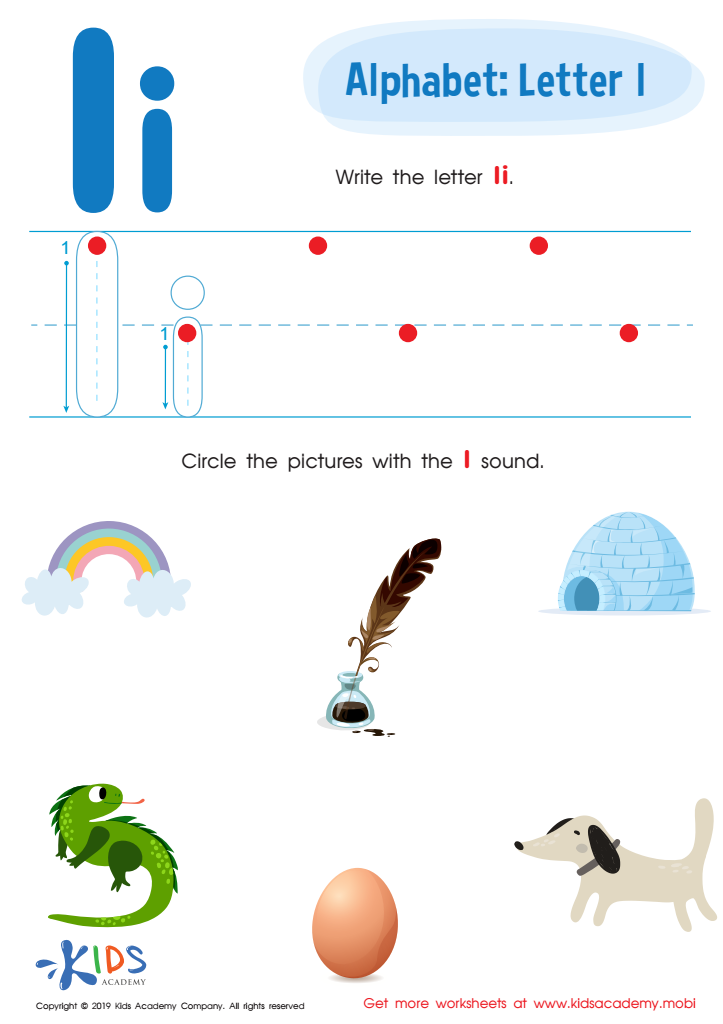
Letter I Tracing Worksheet
Kids can hone tracing, writing and identifying skills for the letter 'I' with this worksheet. Whether visual or reading/writing learners, every child can benefit from the tasks - tracing, writing and circling objects beginning with 'I'. This free sheet will soon get preschoolers confident with the 'I' letter!
Letter I Tracing Worksheet
Worksheet
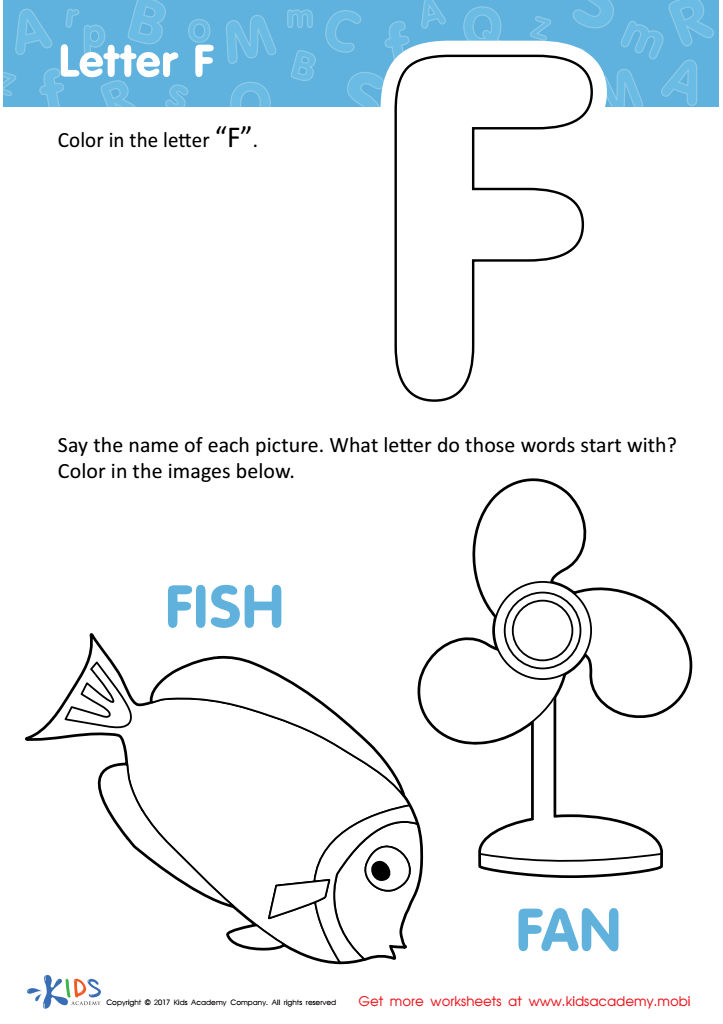
Letter F Coloring Sheet
Coloring pages help kids learn to recognize letters and sounds. Our "F" page has kids color a fish and a fan. It's a great way to introduce them to the letter "F" using words they already know.
Download (PDF)
 Assign to My Students
Assign to My Students
Letter F Coloring Sheet
Worksheet
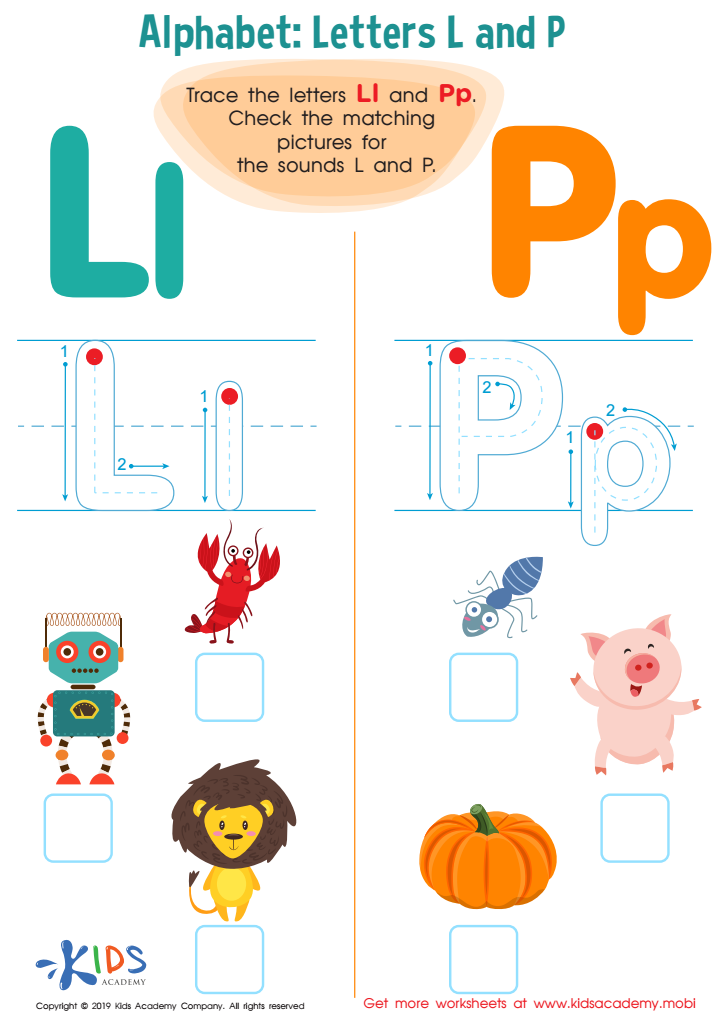
Letter L and P Tracing Worksheet
This traceable worksheet can motivate your students to learn and practice core skills. They'll trace the letters 'L' and 'P' and identify the pictures next to them. With this exercise, they'll unlock their learning abilities and excel in the subject!
Letter L and P Tracing Worksheet
Worksheet
Join Kids Academy for Free
Who is primarily going to use this learning content?








Letter tracing and recognition are crucial skills that extend beyond early childhood and remain relevant for children aged 8-9. At this developmental stage, many children strengthen their reading fluency, writing efficiency, and academic performance, making letter tracing practice beneficial for several reasons.
Firstly, tracing helps fortify fine motor skills, essential for handwriting legibility and speed. Even by ages 8-9, some children may need to refine these skills to ensure their writing is neat and consistent, which is pivotal for classroom assignments and standardized tests.
Secondly, letter recognition underpins reading proficiency. Solidifying the ability to identify letters rapidly contributes to smoother reading and, consequently, better comprehension and retention of information. This becomes increasingly important as academic demands grow and reading materials become more complex.
Furthermore, repetition and practice imbue children with a sense of confidence and discipline, key components for academic success and lifelong learning. Teachers and parents should consider that consistent practice in these skills lays a stronger foundation for more advanced literacy skills, supports overall academic performance, and boosts self-esteem by enabling children to excel in their schoolwork.
By focusing on letter tracing practice at ages 8-9, educators and parents are not just helping children keep up with classroom expectations but empowering them to fully engage and succeed in their academic journey.







