Motor skills development English for Beginners Worksheets for Ages 8-9
7 filtered results
-
From - To
Enhance your child's motor skills with our engaging "Motor Skills Development" worksheets designed for English beginners aged 8-9. These worksheets combine language learning with essential fine and gross motor skill activities to boost coordination and dexterity. Tailored for young learners, each exercise encourages creativity and critical thinking while building a strong foundation in English vocabulary and comprehension. From tracing letters to interactive shapes, these resources make learning fun and effective. Perfect for classroom or home use, our worksheets foster an enjoyable and supportive environment that nurtures both language acquisition and physical development. Explore our collection today to empower your child's growth!

Letter H Tracing Page
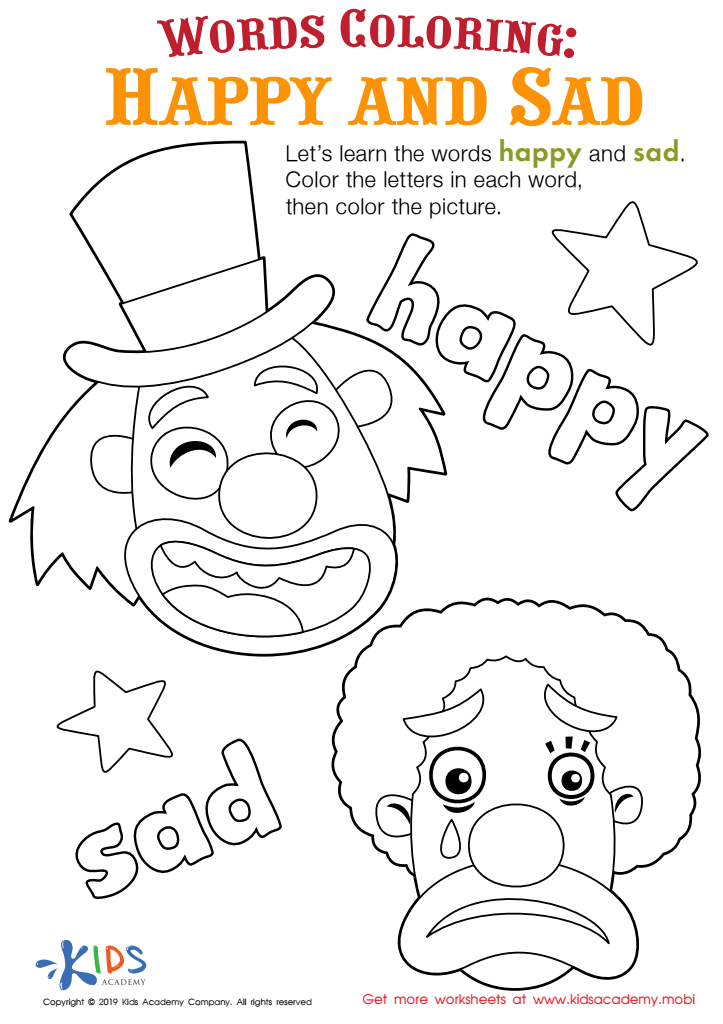
Happy and Sad Words Coloring Worksheet
 Assign to My Students
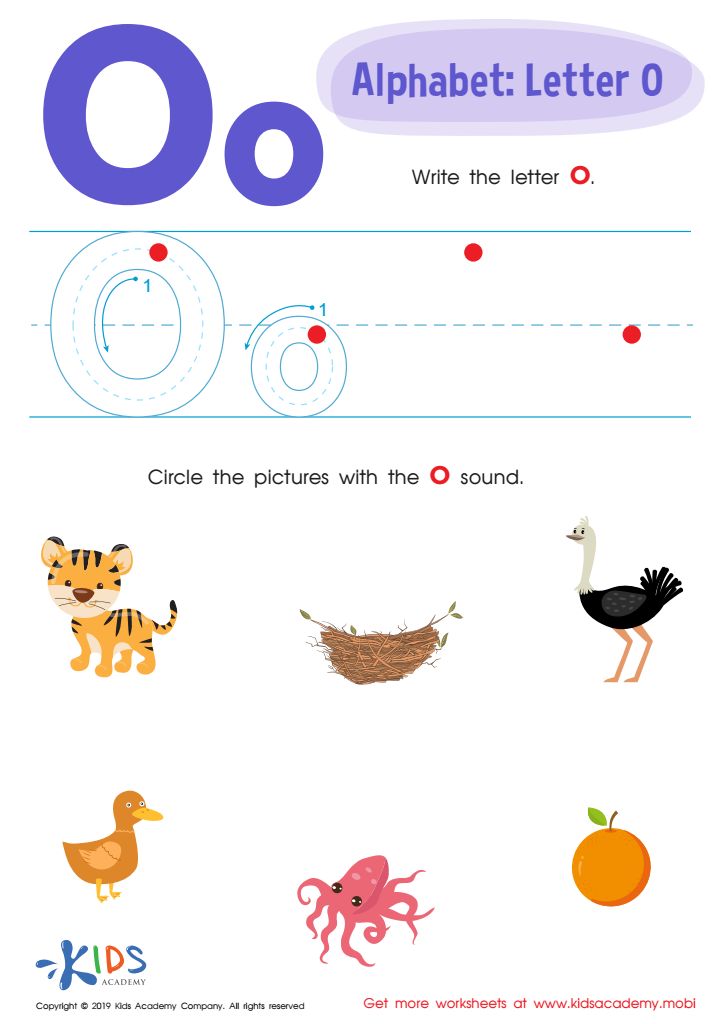
Letter O Tracing Worksheet
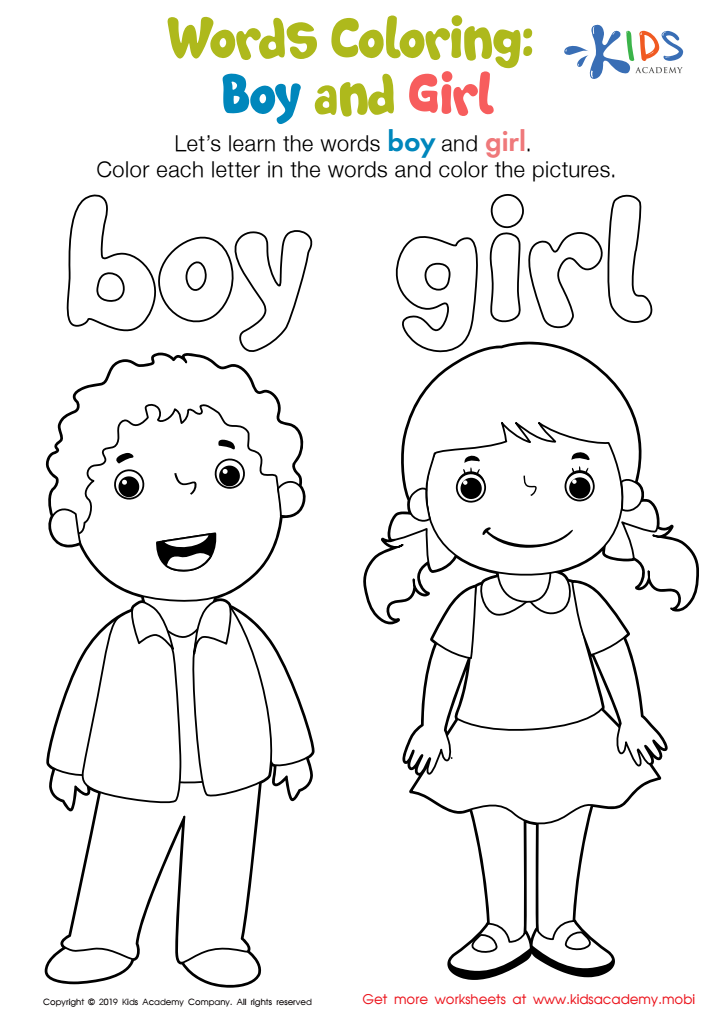
Boy and Girl Words Coloring Worksheet
Assign to My Students
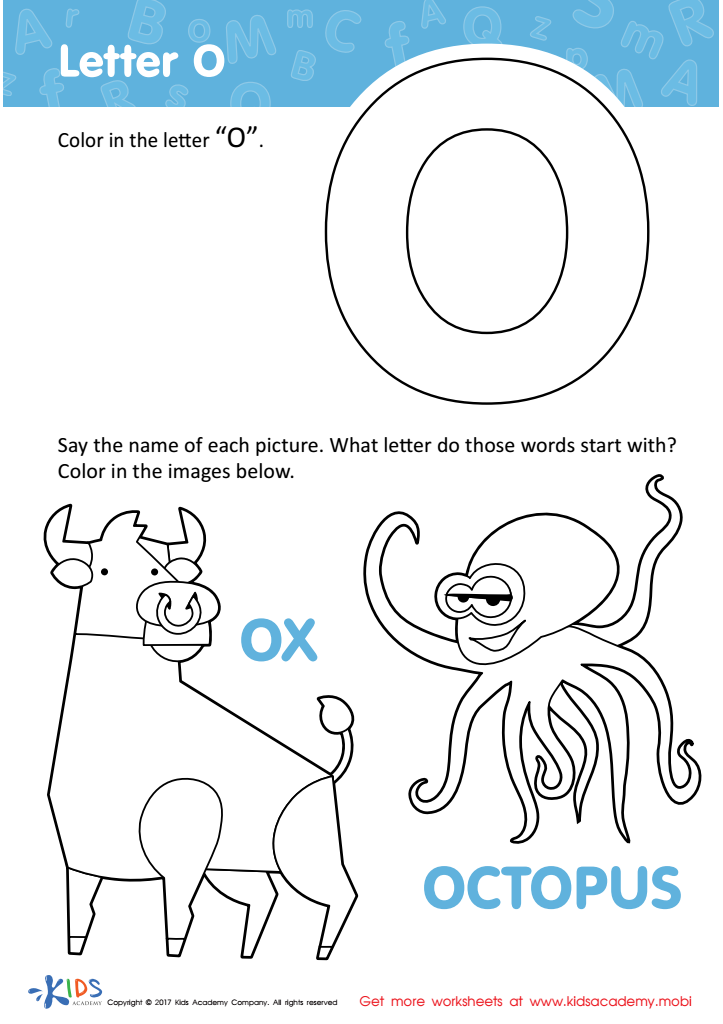
Letter O Coloring Sheet
Assign to My Students
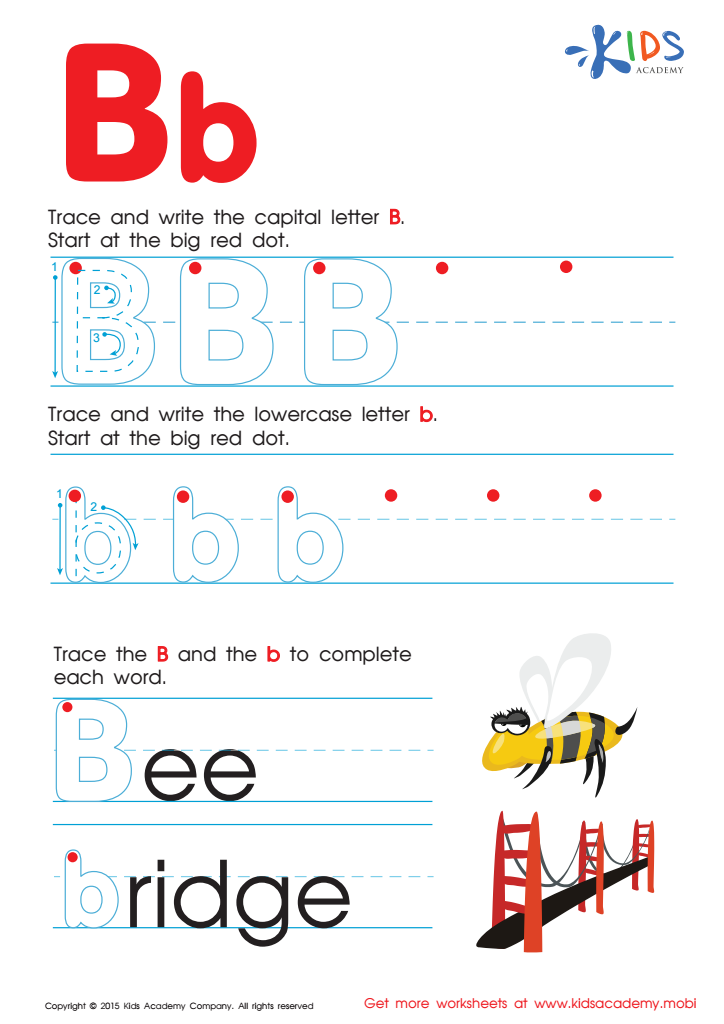
Letter B Tracing Page
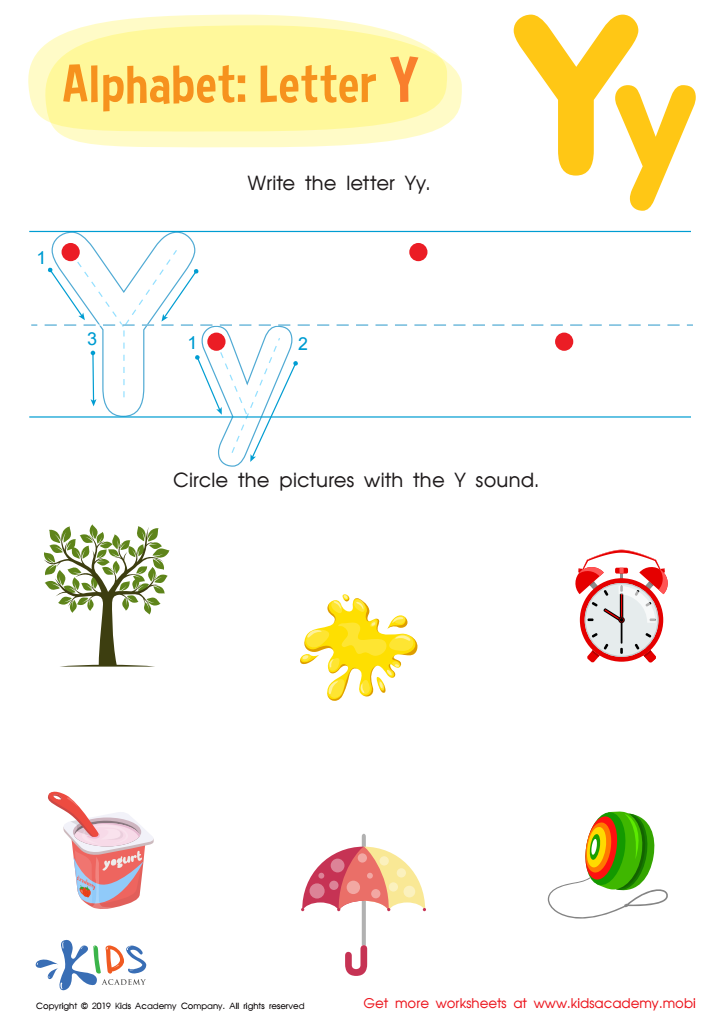
Letter Y Tracing Worksheet




Motor skills development is essential for children aged 8-9, as it significantly impacts their overall growth and learning. During this stage, children engage in various physical activities, which enhance both their fine and gross motor skills. Fine motor skills, such as writing, drawing, and manipulating small objects, are crucial for academic tasks. They improve hand-eye coordination and help children express their creativity.
Gross motor skills, involving larger movements like running, jumping, and climbing, support physical health and social interactions. Children develop confidence through sports and play, sparking lifelong enjoyment of physical activity. With strong motor skills, kids are better at cooperating with peers and handling challenging physical tasks, which can boost their self-esteem.
Moreover, motor skills are interconnected with cognitive skills. Tasks that require fine motor skills, like using scissors or fastening clothes, also enhance concentration and problem-solving abilities. By fostering this development, parents and teachers ensure that children are not only physically capable but also prepared for academic success.
Encouraging activities like crafts, sports, and interactive games can help sharpen these skills. Parents and teachers play a vital role in creating opportunities for practice, guiding children toward a well-rounded development that supports their overall well-being.