
Alphabet sequencing Worksheets for Ages 8-9
3 filtered results
Difficulty Level
Grade
Age
-
From - To
Subject
Activity
Standards
Boost your child's reading and writing skills with our engaging Alphabet Sequencing Worksheets for ages 8-9! These interactive resources are designed to help students learn the order of the alphabet while enhancing their cognitive abilities. Our worksheets provide a fun approach to mastering alphabet sequencing through a variety of exercises, such as matching letters, filling in blanks, and creating sequences. Each activity stimulates critical thinking and reinforces letter recognition, making learning enjoyable. Perfect for classroom use or at-home practice, these worksheets lay a solid foundation for their literacy development. Download today and watch your child excel in their reading journey!
Favorites
With answer key
Interactive
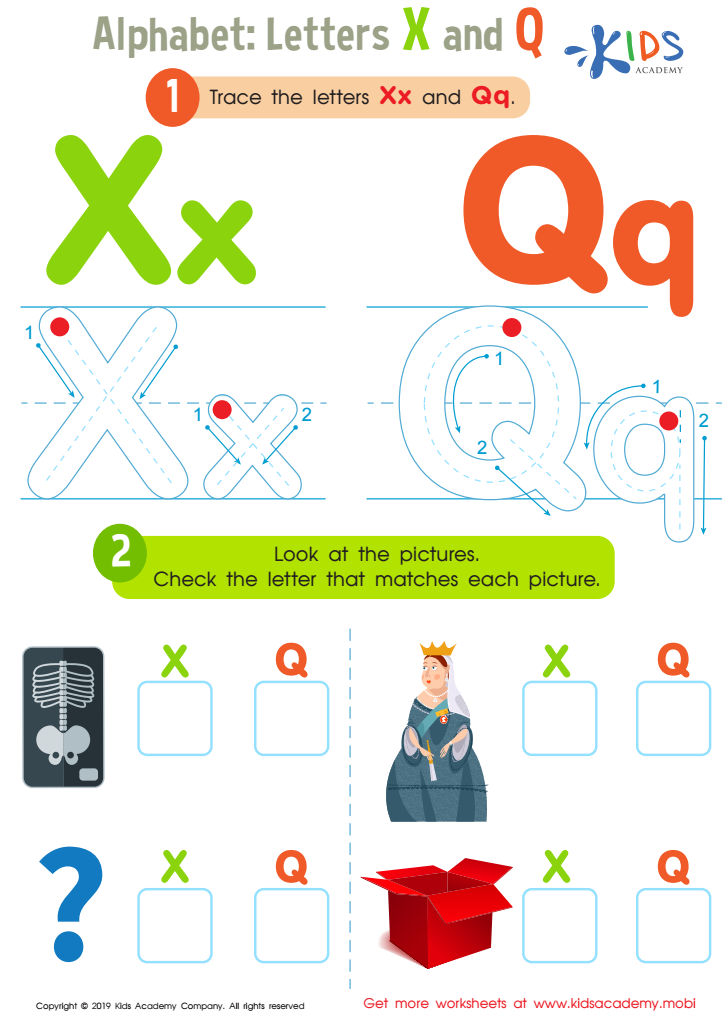
Letters X and Q Tracing Worksheet
Do you want your students to improve writing and letter recognition? This worksheet is a great place to start! Kids can trace the letters «X» and «Q» and identify pictures that match each letter. With a little encouragement, they'll do a great job!
 Assign to My Students
Letters X and Q Tracing Worksheet
Worksheet
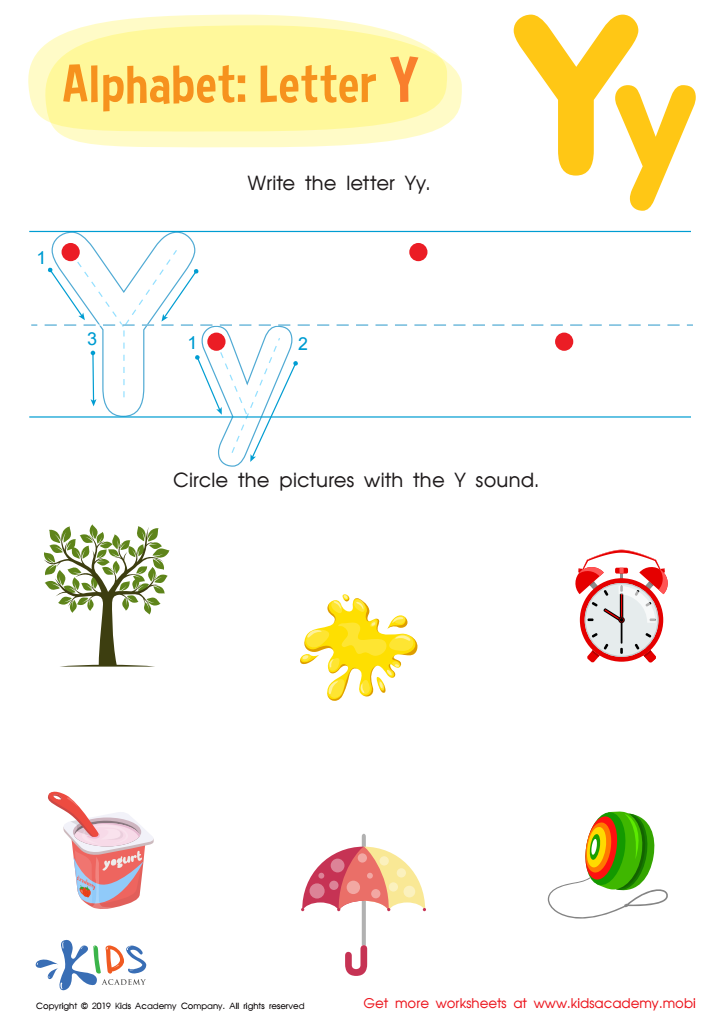
Letter Y Tracing Worksheet
Does your child need help with learning the final letters of the alphabet? This PDF worksheet is perfect then! Kids can practice tracing the letter «Y» and circle pictures that start with the same sound. Options include «yellow» and «yogurt». It's a great way of honing their letter-learning skills.
Letter Y Tracing Worksheet
Worksheet
Join Kids Academy for Free
Who is primarily going to use this learning content?







Alphabet sequencing is a critical foundational skill for children aged 8-9, as it underpins their reading, writing, and overall language development. At this age, children are transitioning into more complex literacy tasks, such as reading comprehension and creative writing, which require a solid grasp of letter order.
Understanding the sequence of the alphabet enhances phonemic awareness, aiding children in decoding unfamiliar words and improving their spelling skills. When kids can sequentially recognize letters, they become more confident readers and writers, allowing them to engage with age-appropriate texts and comprehend the content more effectively.
Moreover, via alphabet sequencing, children develop cognitive skills like memory and organization. This skill supports other areas of learning by promoting better categorization and recall. Teachers and parents can leverage fun activities and games that emphasize alphabetical order, fostering a love for learning while drilling essential skills.
Ultimately, prioritizing alphabet sequencing not only boosts literacy but lays the groundwork for future academic success, equipping children with the tools they need for lifelong learning. By nurturing these skills, parents and teachers create a supportive environment conducive to exploration and educational growth.








