Boost critical thinking Worksheets for Ages 8-9
3 filtered results
-
From - To
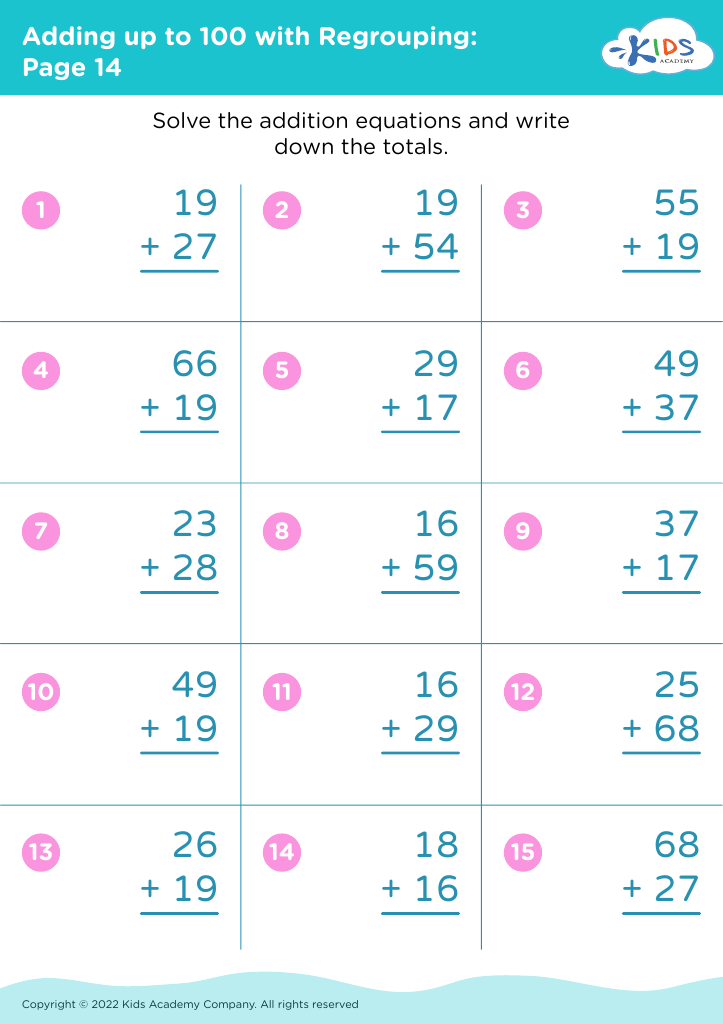
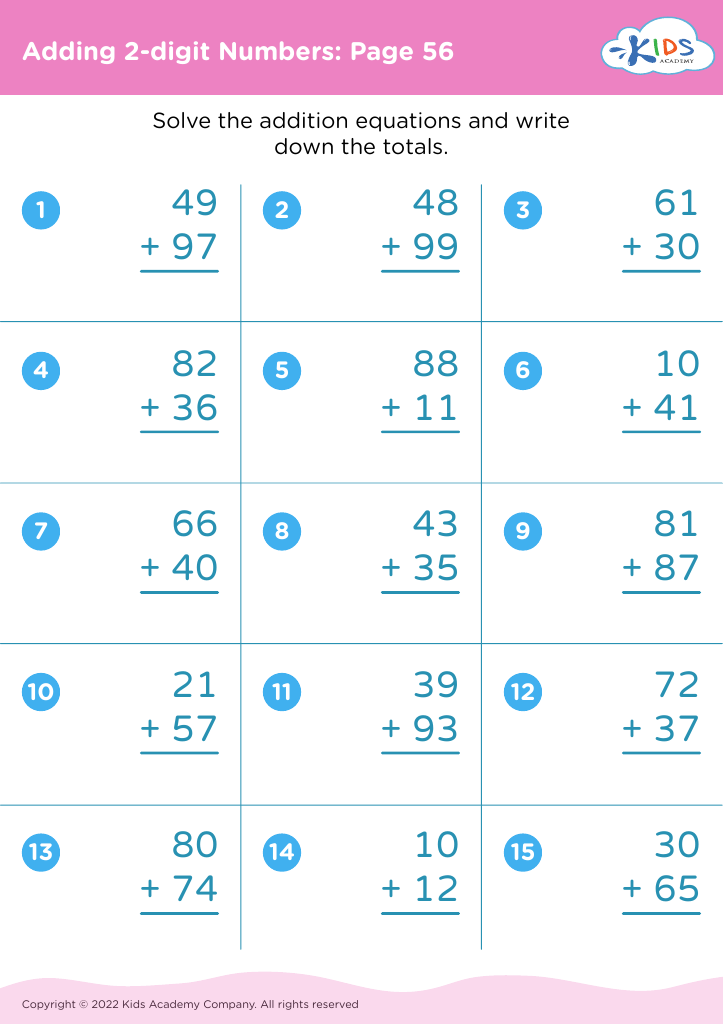
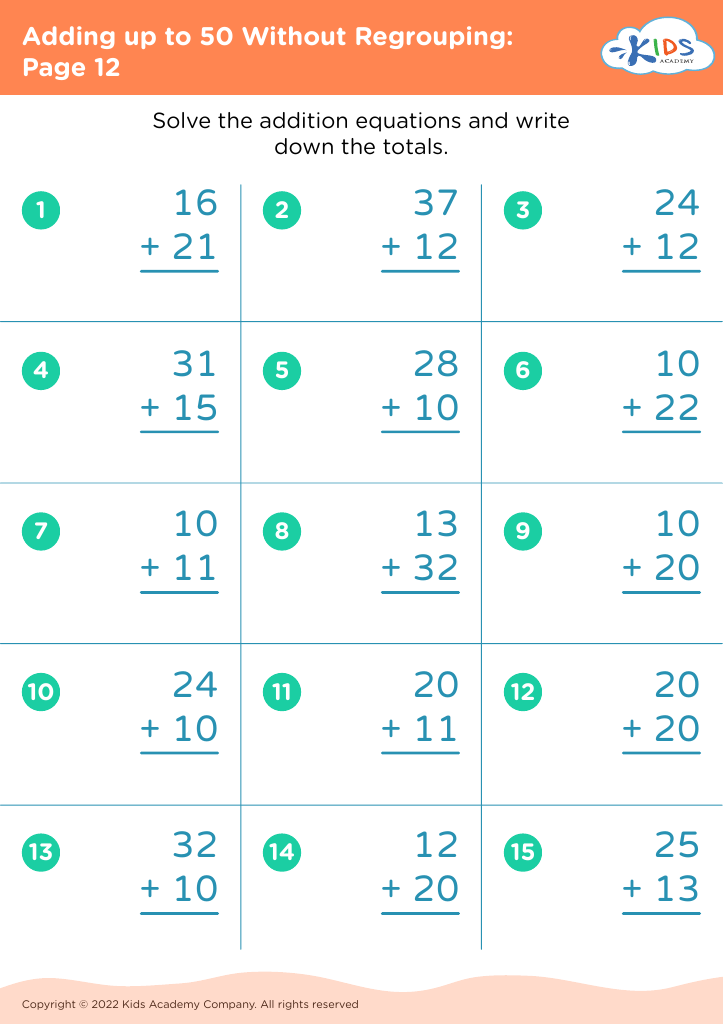
Unlock your child's potential with our "Boost Critical Thinking Worksheets for Ages 8-9"! Designed to challenge and engage young minds, these worksheets encourage kids to think deeply, ask questions, and solve problems. Our activities focus on enhancing reasoning skills, logical thinking, and creativity through fun and interactive exercises. Each worksheet provides age-appropriate challenges that stimulate curiosity and foster a love for learning. Perfect for use at home or in the classroom, these resources empower children to explore their ideas and develop essential critical thinking skills. Prepare your child for future academic success with our thoughtfully crafted worksheets today!







Boosting critical thinking skills for children aged 8-9 is essential for their cognitive development, as this is a crucial period when they begin to engage more deeply with complex concepts and ideas. During these years, children are transitioning from concrete thinking to a more abstract understanding of the world. By fostering critical thinking, parents and teachers can help children learn to analyze information, evaluate different perspectives, and make reasoned decisions.
Critical thinking not only enhances academic performance but also prepares children for everyday problem-solving in real-life situations. It encourages curiosity, creativity, and independence—traits crucial for lifelong learning. Moreover, children who develop strong critical thinking skills are better equipped to navigate challenges, build resilience, and communicate effectively with others.
Parents and teachers have a vital role in cultivating these skills by encouraging questions, promoting discussions, and helping children explore solutions rather than providing immediate answers. Activities such as puzzles, debates, and science experiments can further stimulate critical thinking. By prioritizing these skills, adults can empower children to become thoughtful, inquisitive individuals, capable of facing the complexities of adulthood with confidence and creativity. Nurturing critical thinking during this developmental stage sets a foundation for success both academically and personally.








