
Color matching Worksheets for Ages 8-9
3 filtered results
Difficulty Level
Grade
Age
-
From - To
Subject
Activity
Standards
Explore our engaging color matching worksheets designed for children aged 8-9! These fun and interactive printables enhance your child's ability to identify and match colors while developing their cognitive skills. Perfect for reinforcing lessons in art, science, and everyday life, our worksheets include a variety of creative activities that encourage critical thinking and problem-solving. Watch as your child masters color recognition and classification through hands-on practice. Ideal for home or classroom use, these worksheets provide valuable learning experiences that make color exploration enjoyable and educational. Dive into the vibrant world of colors and help your child thrive in their learning journey!
Favorites
With answer key
Interactive
Join Kids Academy for Free
Who is primarily going to use this learning content?


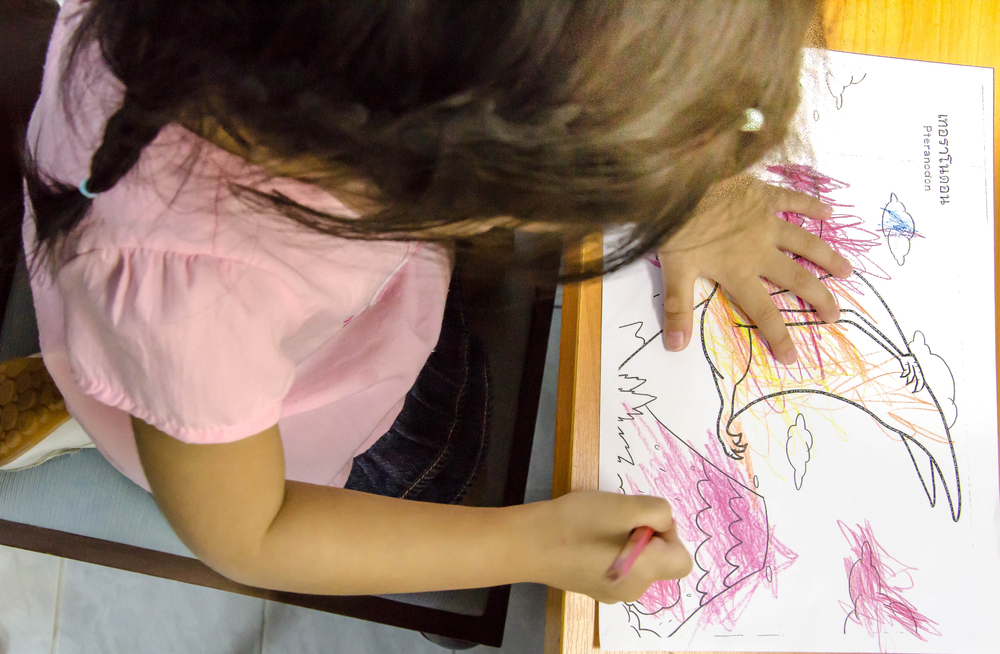





Color matching is a valuable skill for children aged 8-9, influencing their cognitive and emotional development. At this age, children are honing their observational and critical thinking abilities. Engaging in color matching activities enhances these skills by encouraging attention to detail and the ability to discern subtle differences in hues, shades, and patterns.
Parents and teachers should care about color matching because it fosters creativity and expression. When children learn to identify and match colors, they are empowered to create vibrant artwork and designs, which can boost their self-esteem and encourage experimentation. Additionally, color matching can improve fine motor skills through activities like coloring, cutting, and sorting, which further supports their physical development.
Moreover, color concepts are foundational to various subjects, especially in math and science, where categorization and classification are essential. Integrating color matching into learning helps make these subjects more engaging and relatable.
Ultimately, supporting color matching not only nurtures artistic talents but also combines play with learning, making it a holistic approach to development during these formative years. By prioritizing color matching, parents and teachers lay a strong foundation for children’s academic and social skills as they navigate the complexities of the world around them.








