Comparative analysis Worksheets for Ages 8-9
5 filtered results
-
From - To
Explore our engaging Comparative Analysis Worksheets designed specifically for children aged 8-9! These interactive materials encourage critical thinking as young learners compare and contrast various subjects, enhancing their analytical skills. Our worksheets incorporate fun illustrations and age-appropriate examples that make learning enjoyable and effective. By delving into similarities and differences, students develop not only cognitive skills but also improve their writing and comprehension. Perfect for classroom use or at-home practice, these worksheets offer diverse activities that align with educational standards. Empower your child’s learning journey with our comprehensive comparative analysis worksheets today!
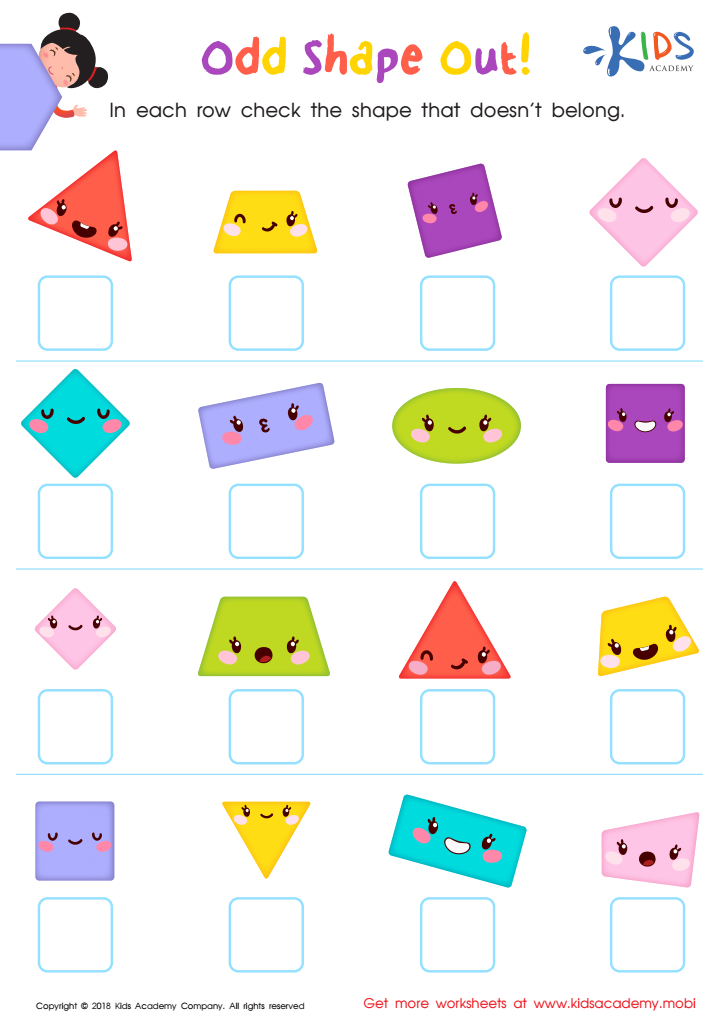
Odd Shape Out Worksheet for Grade 3
 Assign to My Students
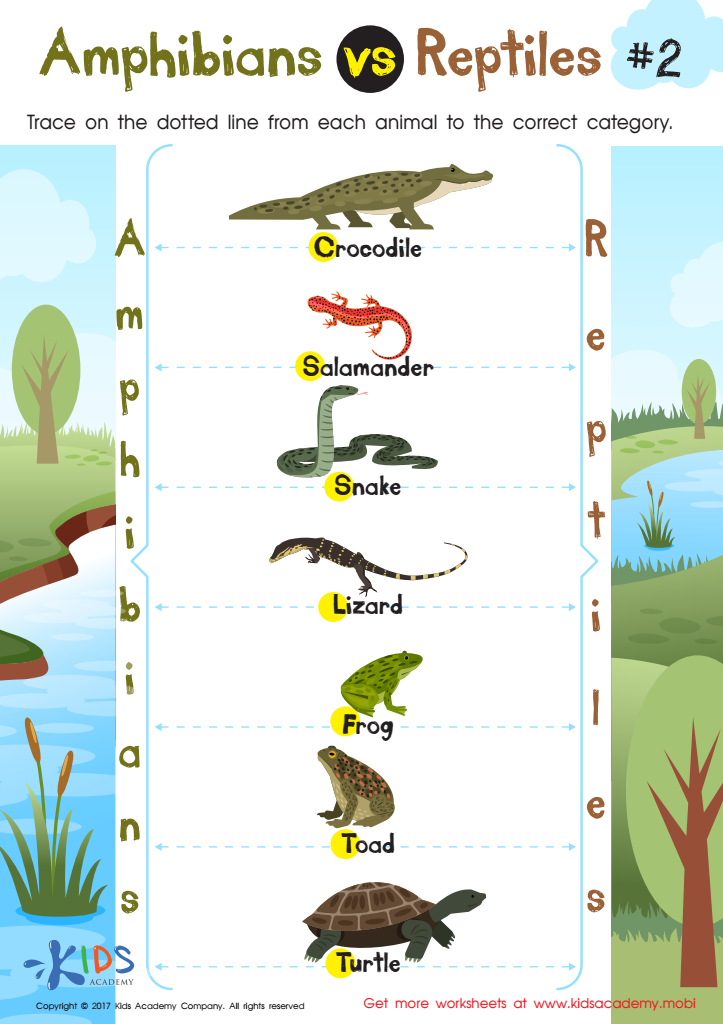
Amphibians vs Reptiles Worksheet for 3rd Grade
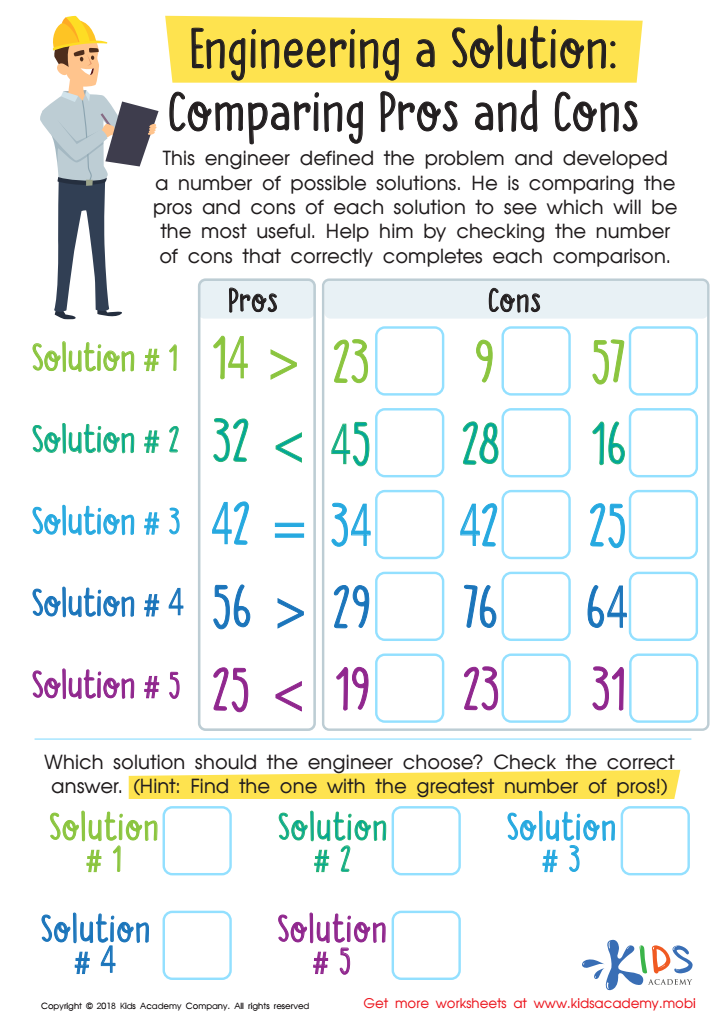
Engineering a Solution: Comparing Pros and Cons Worksheet
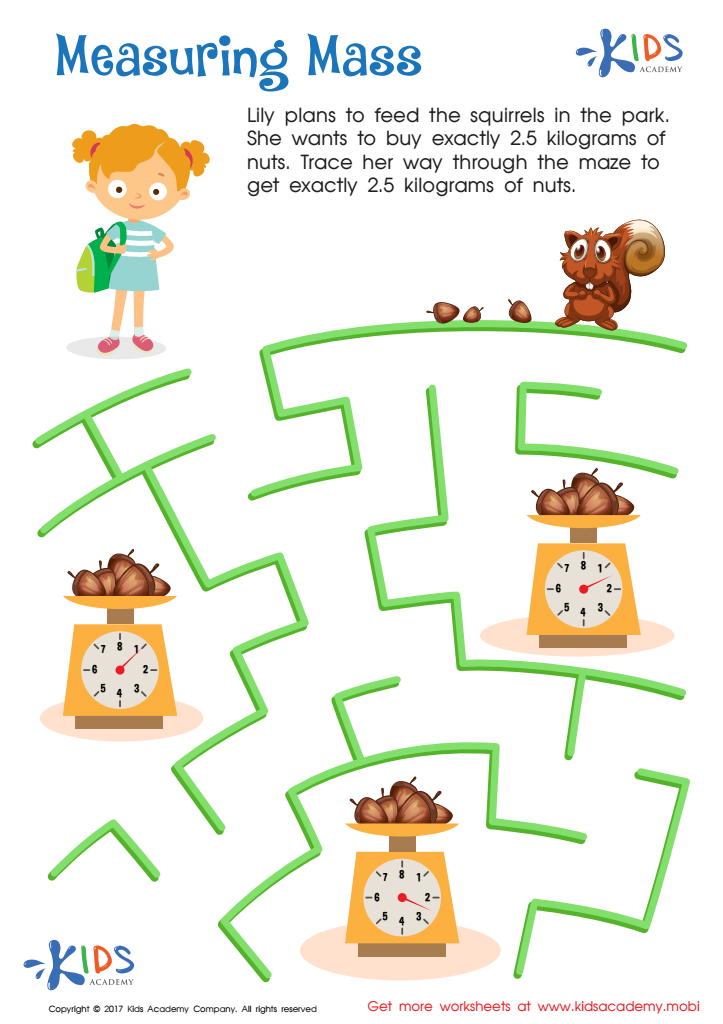
Measuring Mass Worksheet
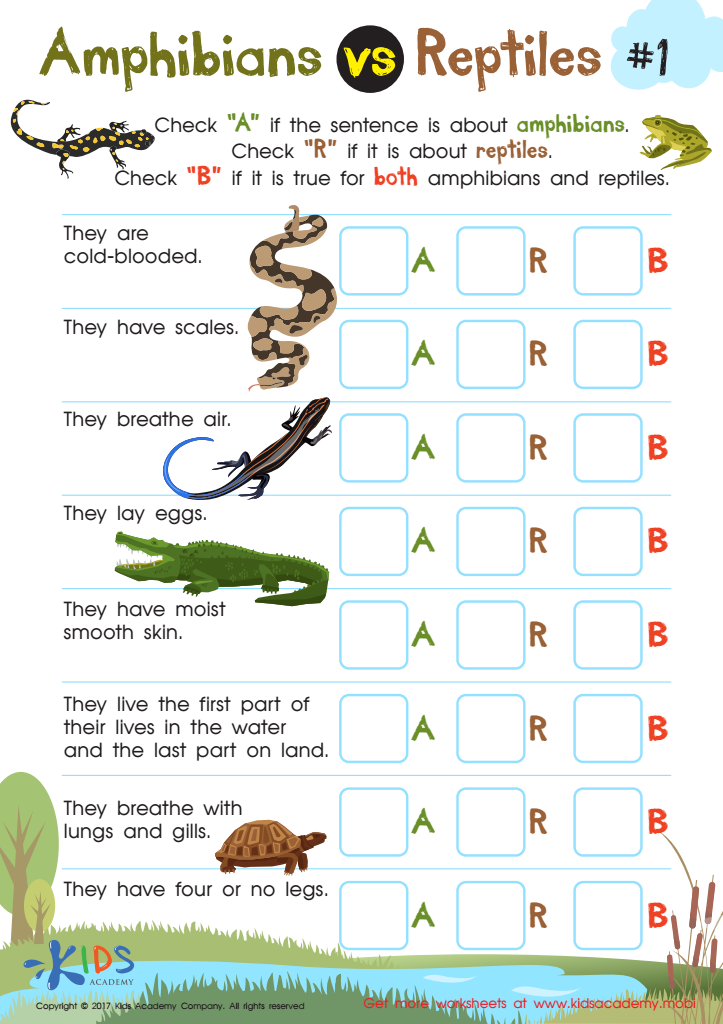
Amphibians vs Reptiles Worksheet








Comparative analysis for children aged 8-9 is crucial for both parents and teachers as it fosters critical thinking and enhances learning experiences. At this developmental stage, children are becoming increasingly capable of analyzing information and drawing conclusions. Engaging in comparative analysis promotes cognitive skills by encouraging students to explore differences and similarities between concepts, ideas, or objects.
For parents, understanding this skill helps imbue meaningful discussions about choices—be it in academics, friendships, or extracurricular activities. They can support their children by asking guiding questions that prompt reflection and deeper understanding, ultimately helping children navigate their environments with confidence.
Teachers will find comparative analysis essential in the classroom to enhance lesson plans and actively engage students. By integrating comparative tasks—like contrasting characters in a story or differing scientific processes—teachers cater to diverse learning styles and promote collaborative learning. This approach not only aligns with educational standards but also ignites curiosity, making learning enjoyable.
Incorporating comparative analysis nurtures a classroom and home environment where inquiry and exploration thrive, ultimately setting children up for future success in a complex world where analytical skills are paramount.








