
Counting objects Worksheets for Ages 8-9
10 filtered results
Difficulty Level
Grade
Age
-
From - To
Subject
Activity
Standards
Explore our engaging Counting Objects Worksheets designed specifically for children ages 8-9! These worksheets are perfect for helping young learners enhance their counting skills through fun and interactive activities. With a variety of exercises, children will identify, count, and compare objects, fostering both numerical proficiency and critical thinking. Our resources align with educational standards, making them ideal for classroom use or home learning. Each worksheet is crafted to keep students motivated and excited about math while developing their ability to accurately count and categorize objects. Dive into a world of learning with our counting exercises and watch your child's confidence grow!
Favorites
With answer key
Interactive
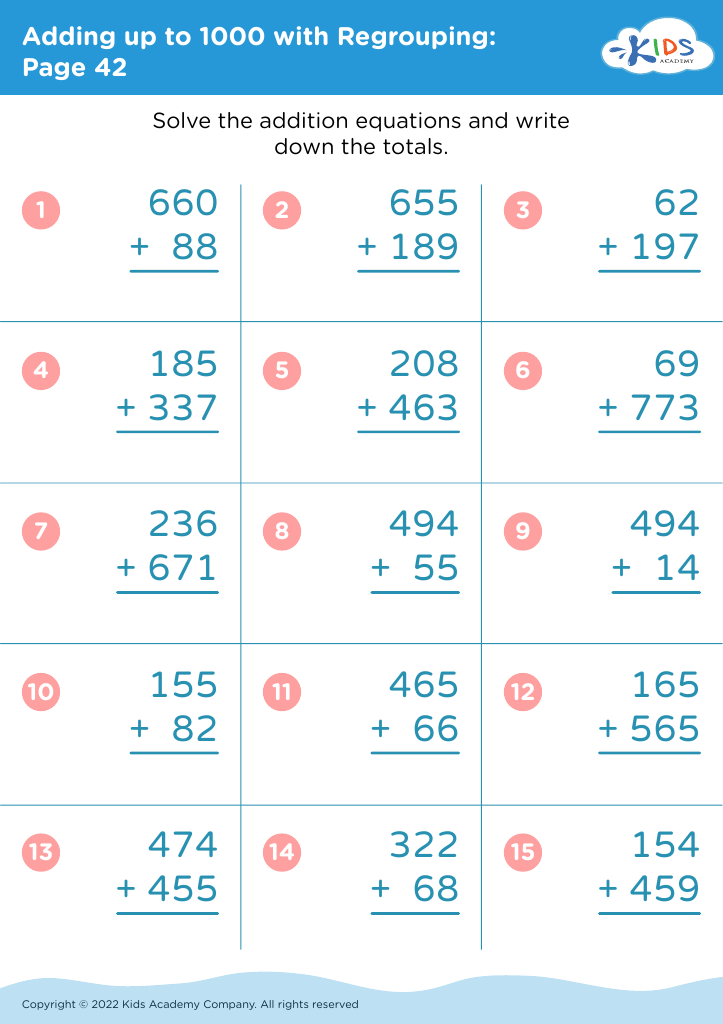
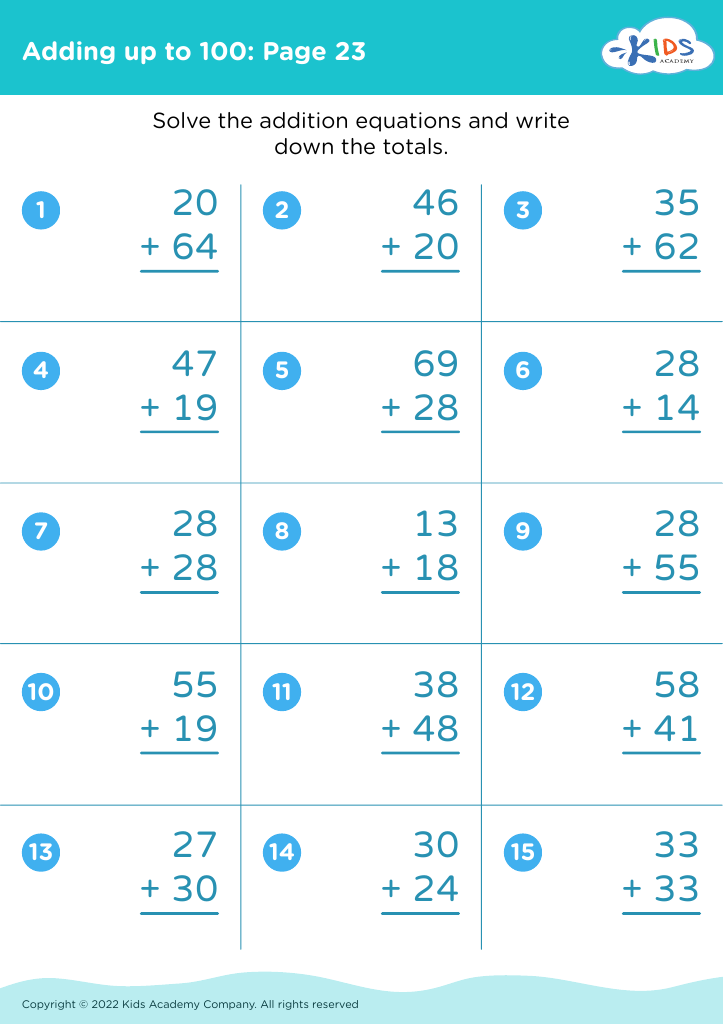
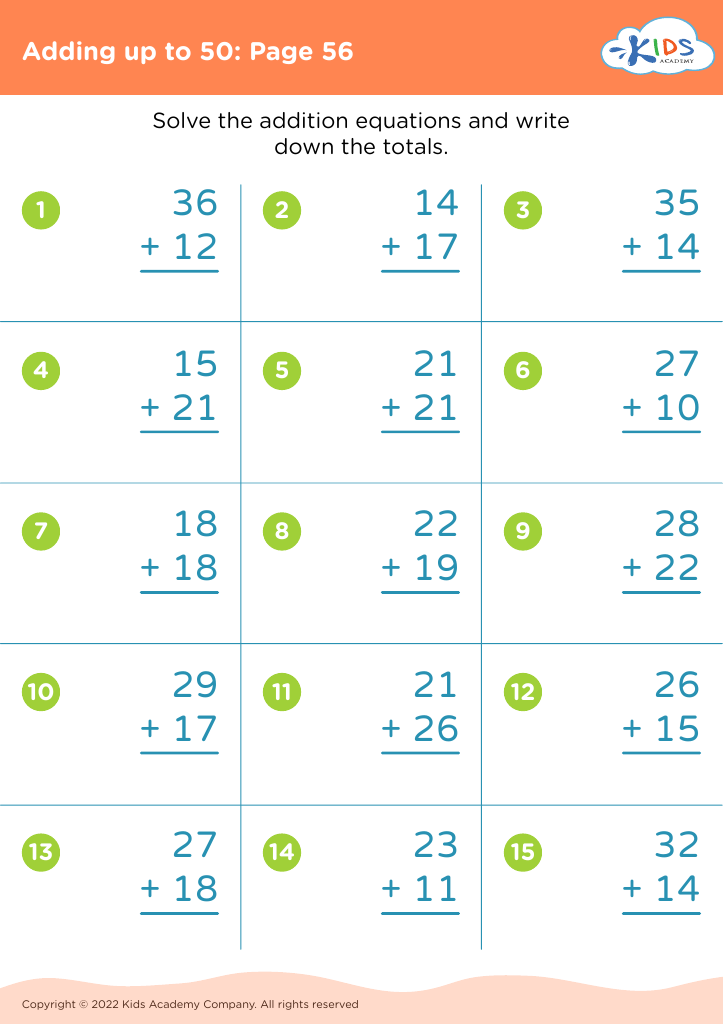
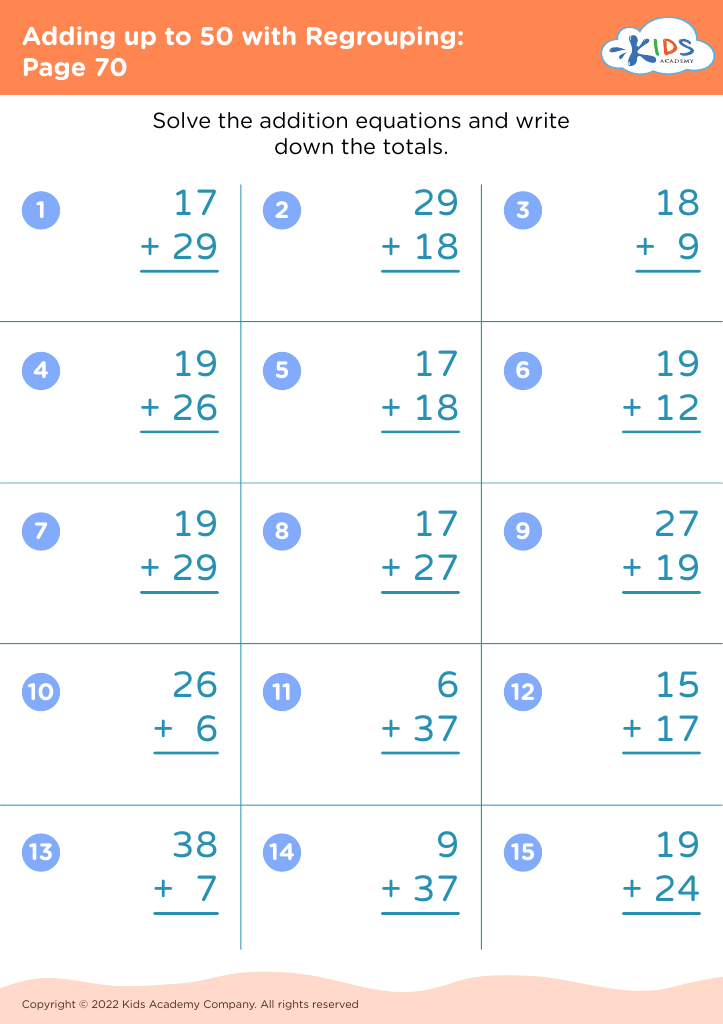
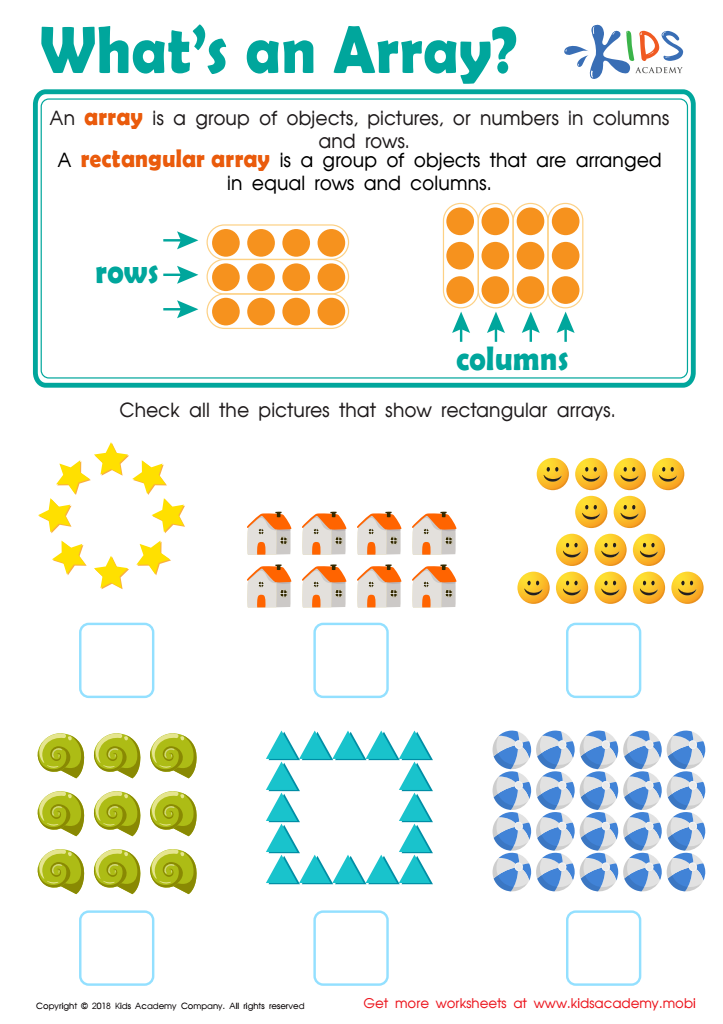
What's an Array? Worksheet
Explain to your child that an array is a group of objects, pictures, or numbers in columns and rows. Show them a rectangular array is a group of objects in equal rows and columns. Guide them to check the pictures in the worksheet to spot any rectangular arrays. Help them remember this concept.
 Assign to My Students
What's an Array? Worksheet
Worksheet
Join Kids Academy for Free
Who is primarily going to use this learning content?


.jpg)




Counting objects is a fundamental skill for children aged 8-9, forming the foundation for more advanced mathematical concepts. At this age, children are still developing their numerical literacy, and counting helps solidify their understanding of quantities, addition, subtraction, and even early multiplication.
For teachers and parents, encouraging counting can support cognitive development by improving children's problem-solving abilities and logical thinking. Engaging in counting activities reinforces math vocabulary and concepts, making abstract numbers more tangible and relatable. When children count real objects—like toys, fruits, or art supplies—they can visualize and comprehend numbers, promoting a deeper understanding of their practical application.
Additionally, counting can enhance fine motor skills and hand-eye coordination, especially when done through physical activities or manipulatives. It also fosters a sense of accomplishment and boosts confidence when children successfully count or categorize objects.
Support from adults is crucial, as they can introduce various counting games and challenges that not only make learning engaging but also emphasize the importance of practice in mastering these skills. Overall, fostering counting skills makes a significant impact on a child's ability to navigate everyday math situations and lays crucial groundwork for future learning.








