Develop problem-solving skills Worksheets for Ages 8-9
9 filtered results
-
From - To
Discover an exciting collection of "Develop Problem-Solving Skills Worksheets for Ages 8-9" at Kids Academy! These engaging and thoughtfully designed worksheets help children enhance critical thinking and analytical abilities through fun activities. Perfect for 3rd graders, our printable resources cover math puzzles, logic problems, and real-world scenarios, providing a stimulating and challenging environment. Each worksheet aims to build confidence and foster independent thinking, ensuring young learners are well-prepared for future academic success. With Kids Academy, make problem-solving an adventure and watch your child’s skills flourish! Download now and start the journey to effective problem-solving today.
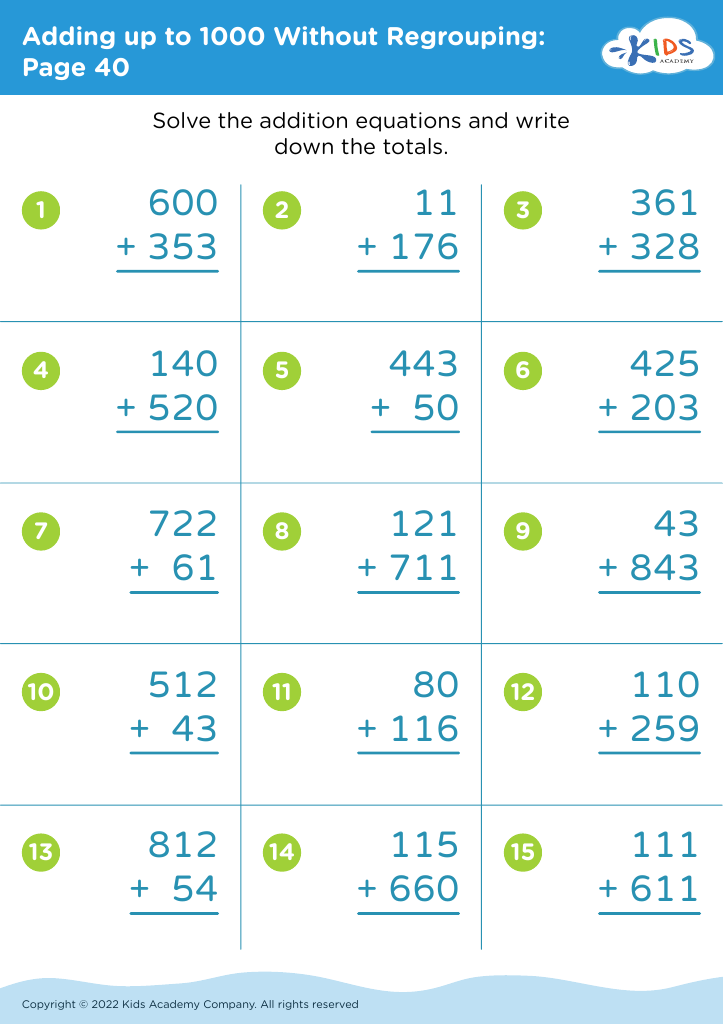
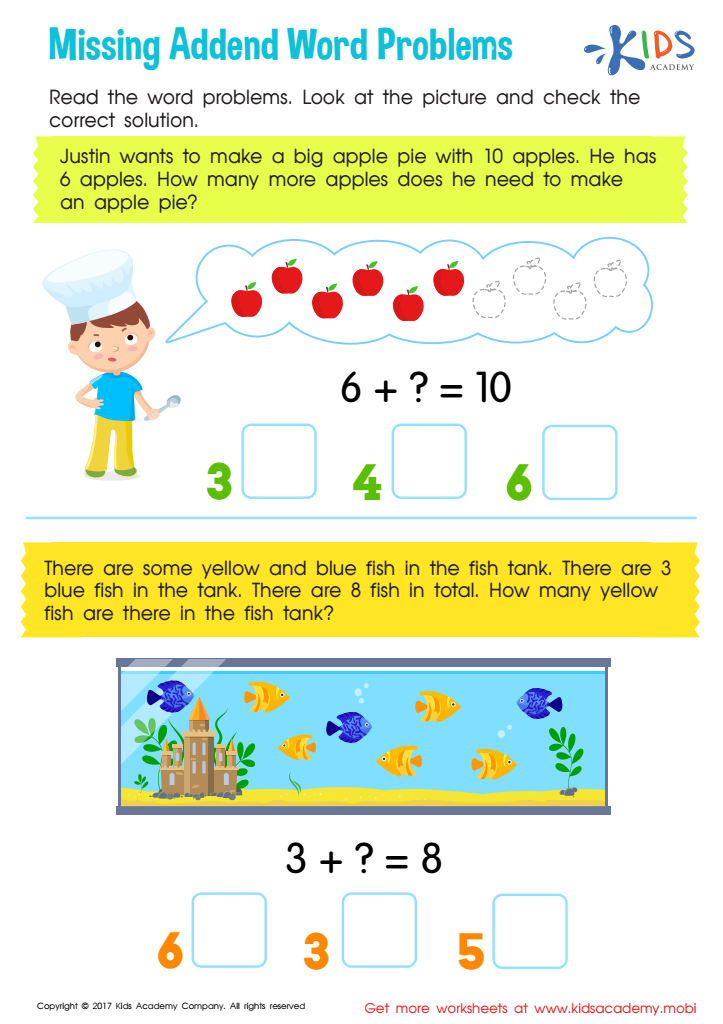
Missing Addend Word Problems Worksheet
 Assign to My Students
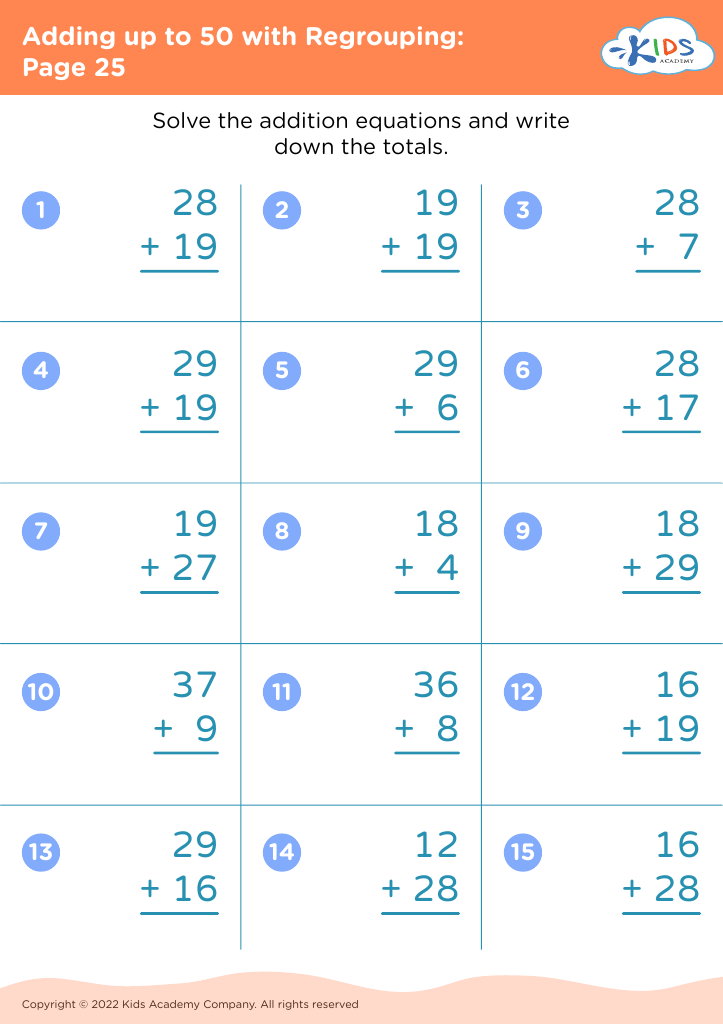
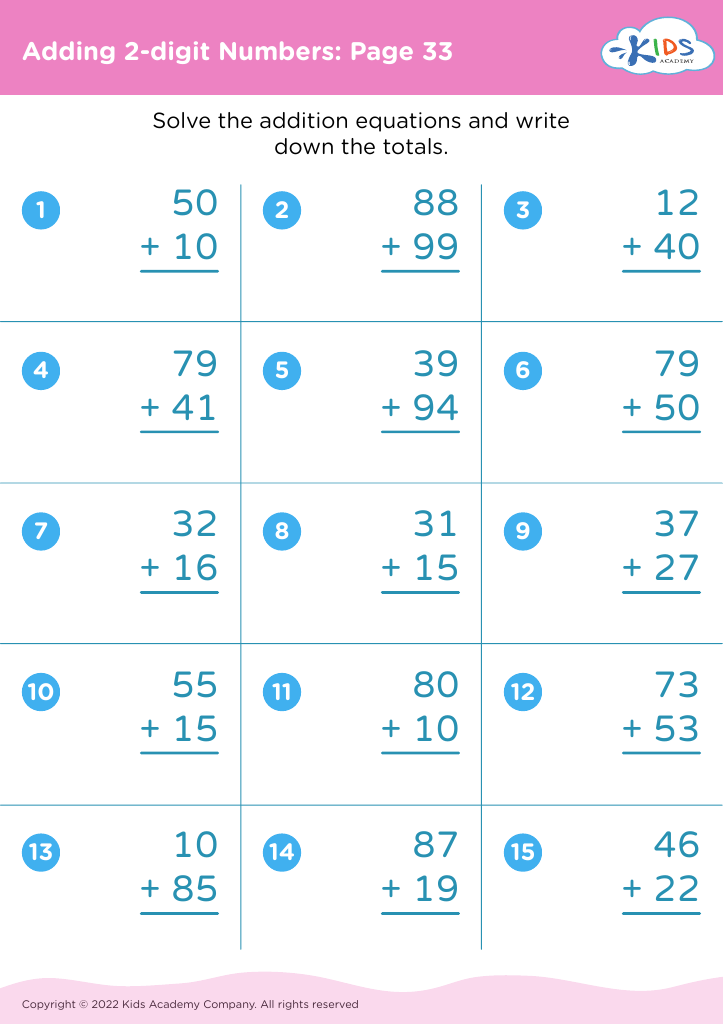
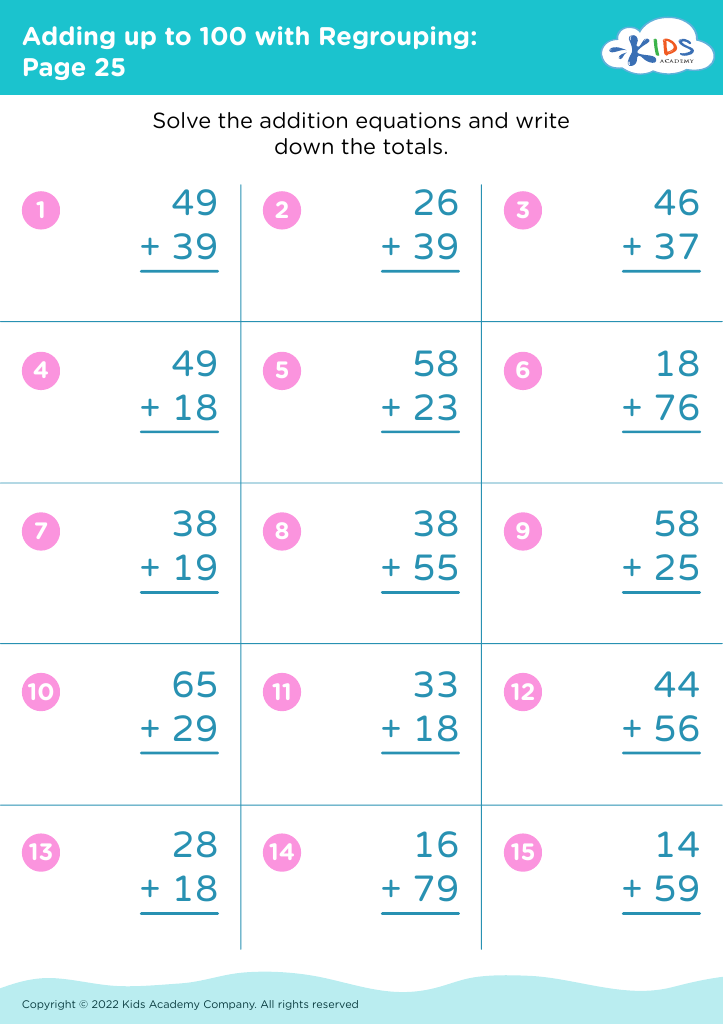
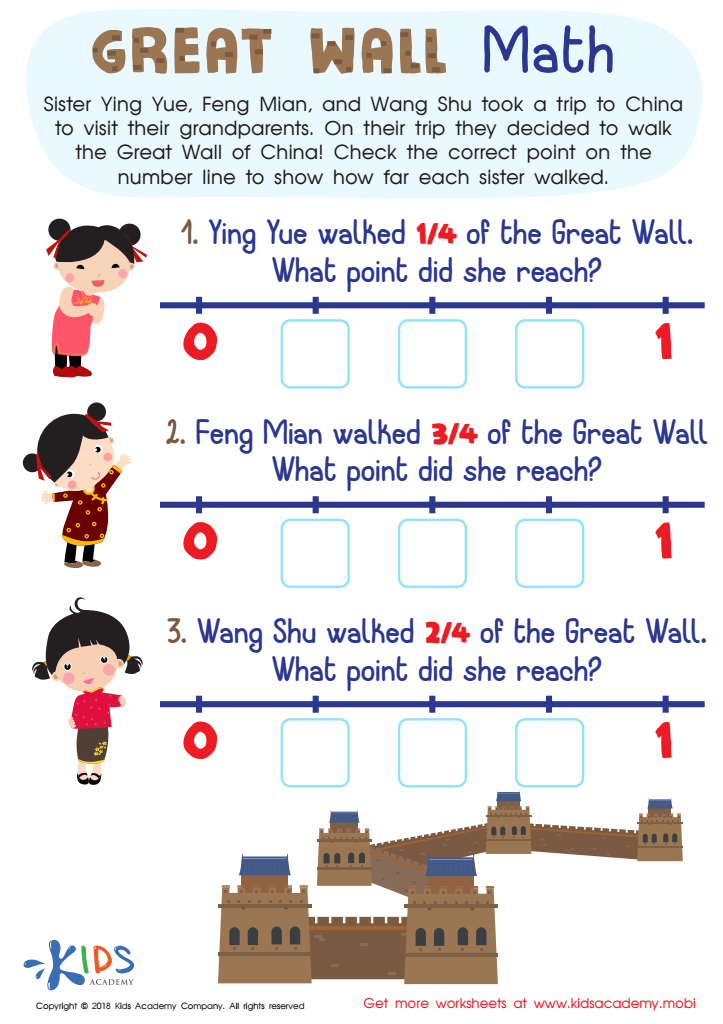
Great Wall Math Worksheet
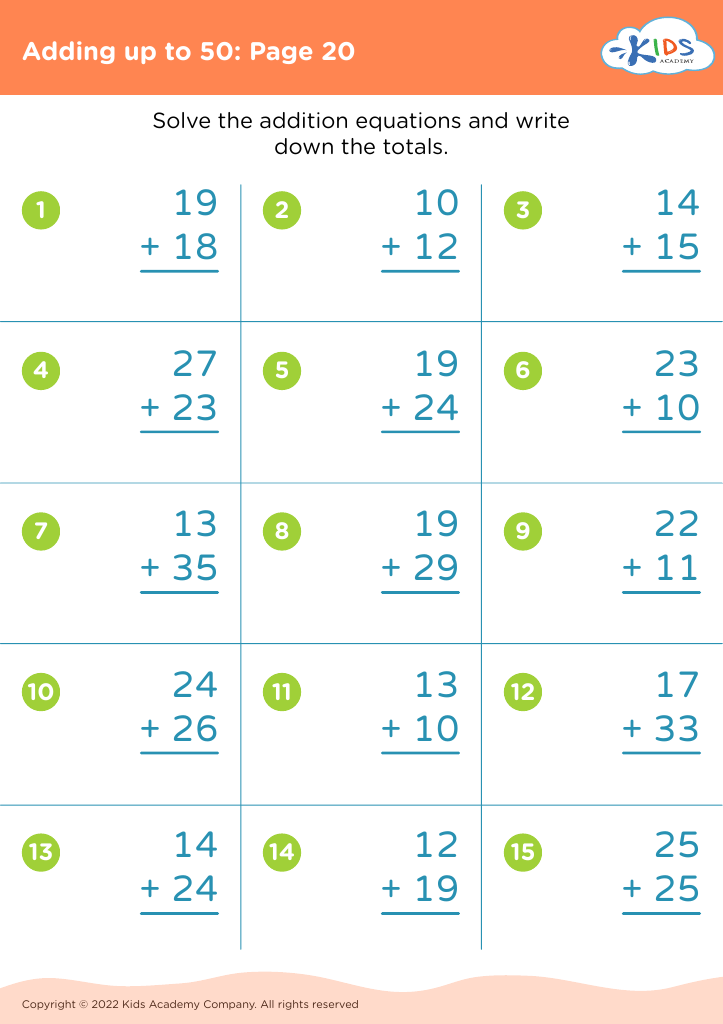
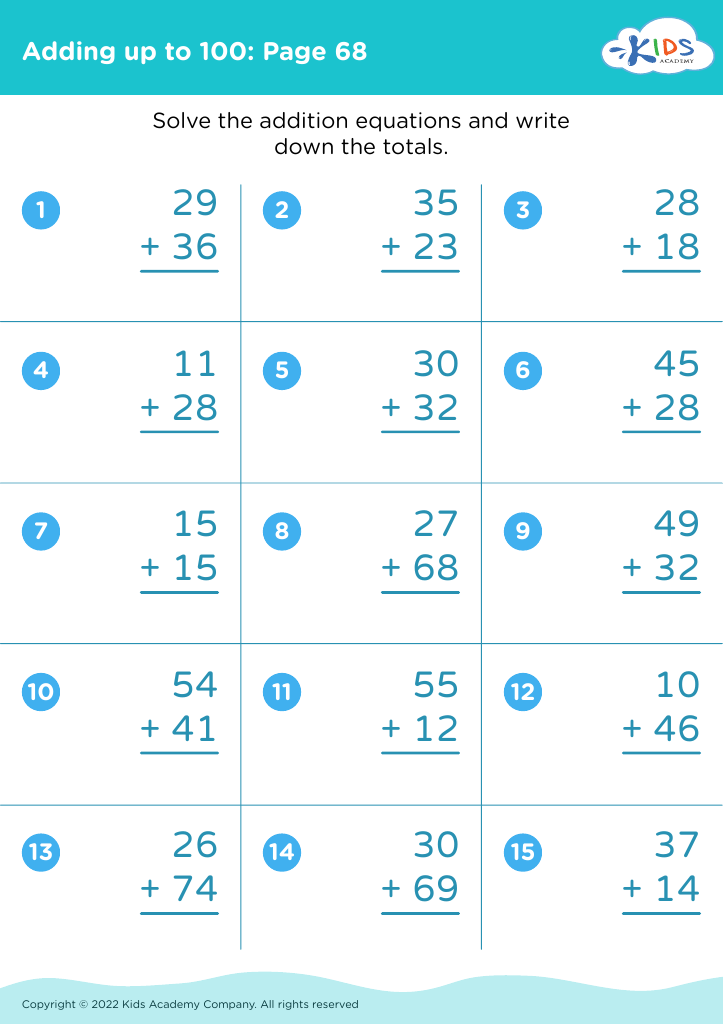


.jpg)




Problem-solving skills are essential for children aged 8-9 as these skills lay a foundation for lifelong learning and resilience. At this age, children are starting to engage with more complex subjects in school and face various social challenges. Parents and teachers should be particularly attentive to nurturing these skills to equip children with the abilities required for academic and personal success.
Firstly, problem-solving promotes critical thinking and cognitive development. Students learn to analyze situations, weigh options, and predict outcomes, which are crucial abilities in both math and reading comprehension. Secondly, effective problem-solving fosters independence and confidence. When children successfully solve a problem, it boosts their self-esteem and encourages a growth mindset, contrasting with the despairing fixed mindset that could develop from excessive parental intervention.
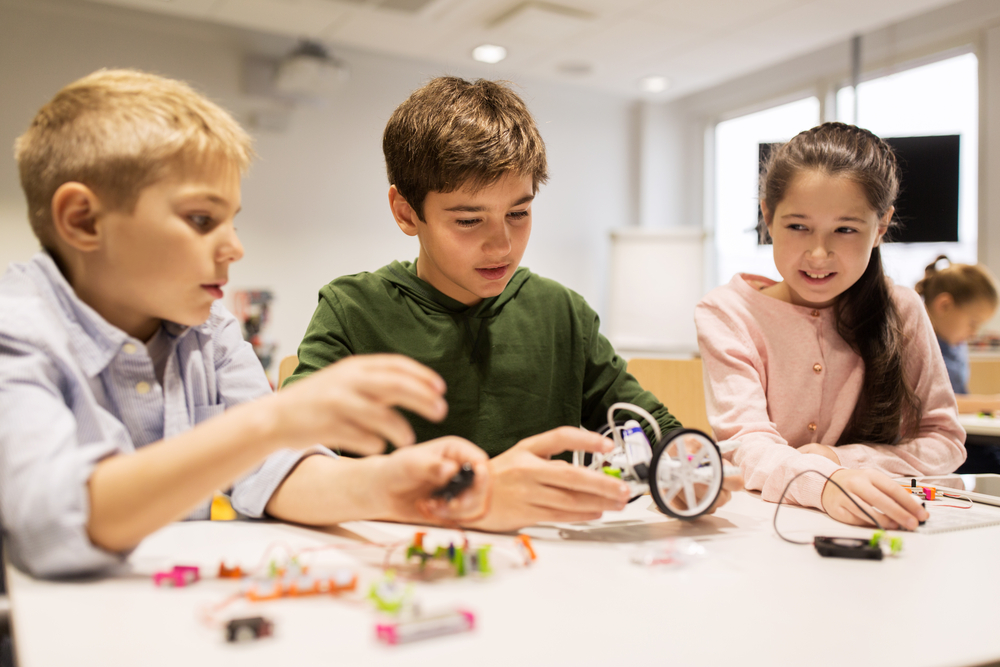
Thirdly, collaborative problem-solving enhances social skills. Working in groups to solve problems teaches cooperation, communication, and empathy, important attributes in both peer relationships and future workplaces. Moreover, problem-solving encourages creativity, as children often have to think outside the box to find solutions.
In conclusion, prioritizing problem-solving skills at 8-9 years old cultivates stronger intellectual abilities, nurtures emotional health, and develops interpersonal competencies, all of which collectively prepare children for the numerous challenges and opportunities they might encounter throughout their education and later life.








