Enhance number recognition Worksheets for Ages 8-9
18 filtered results
-
From - To
Enhance number recognition with our expertly crafted worksheets designed specifically for children ages 8-9. These engaging resources help young learners master number identification, sequence comprehension, and counting skills through a variety of fun and challenging activities. Our printable worksheets are perfect for both classroom and home use, offering parents and educators a valuable tool to reinforce essential math foundations. Rich with colorful visuals and interactive exercises, these worksheets not only make learning exciting but also build confidence and accuracy in number recognition. Empower your child to excel in math with our innovative and effective learning materials.
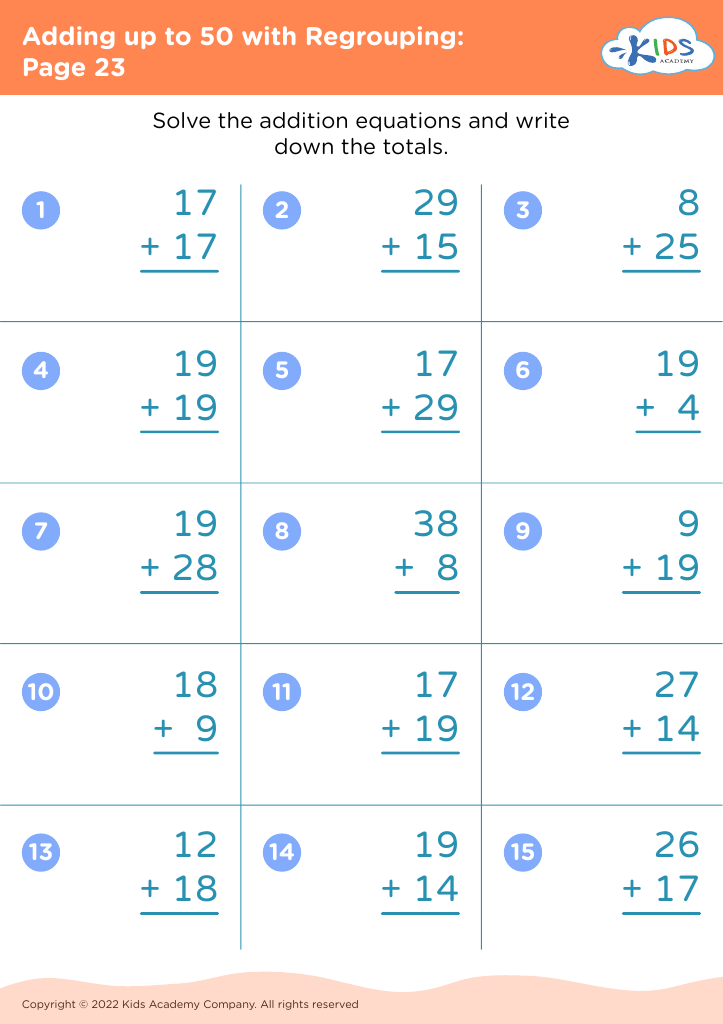
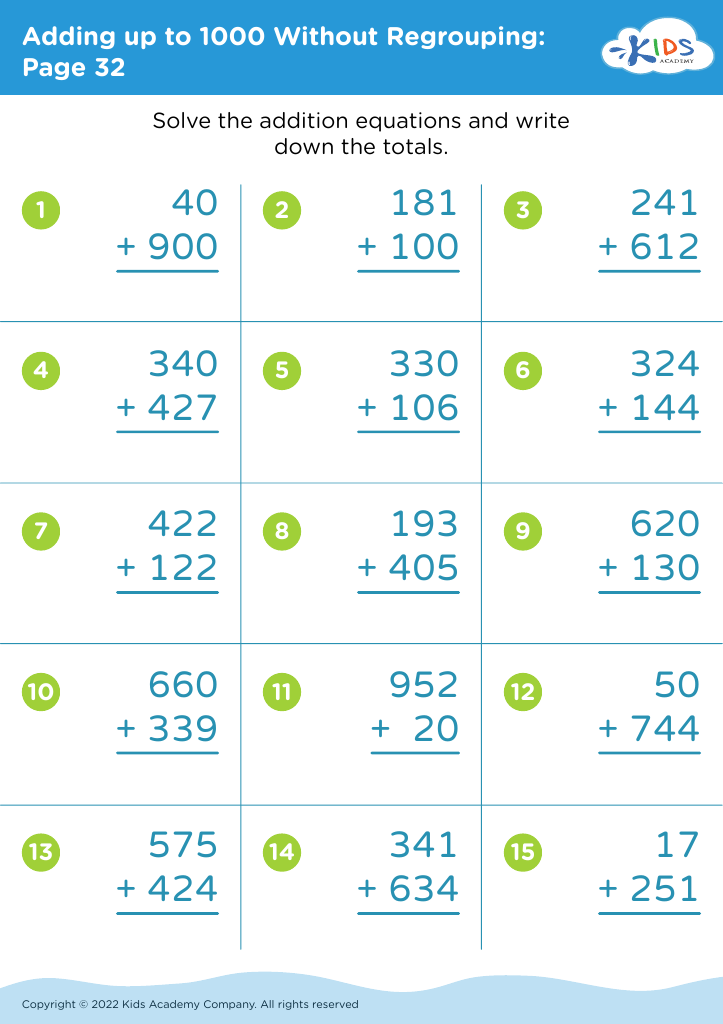
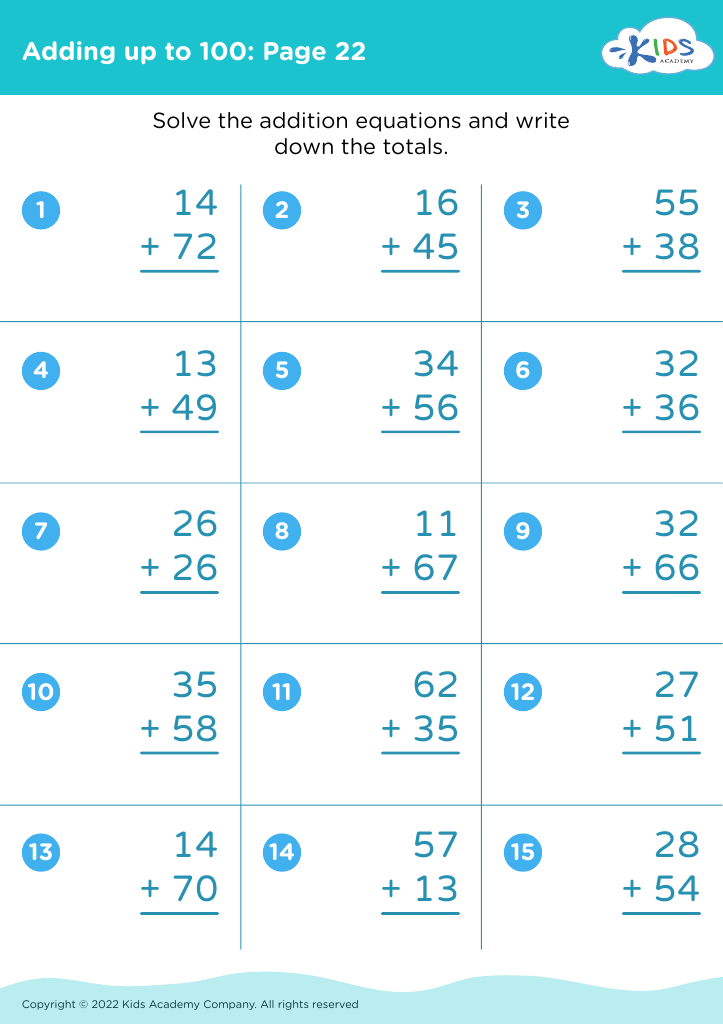
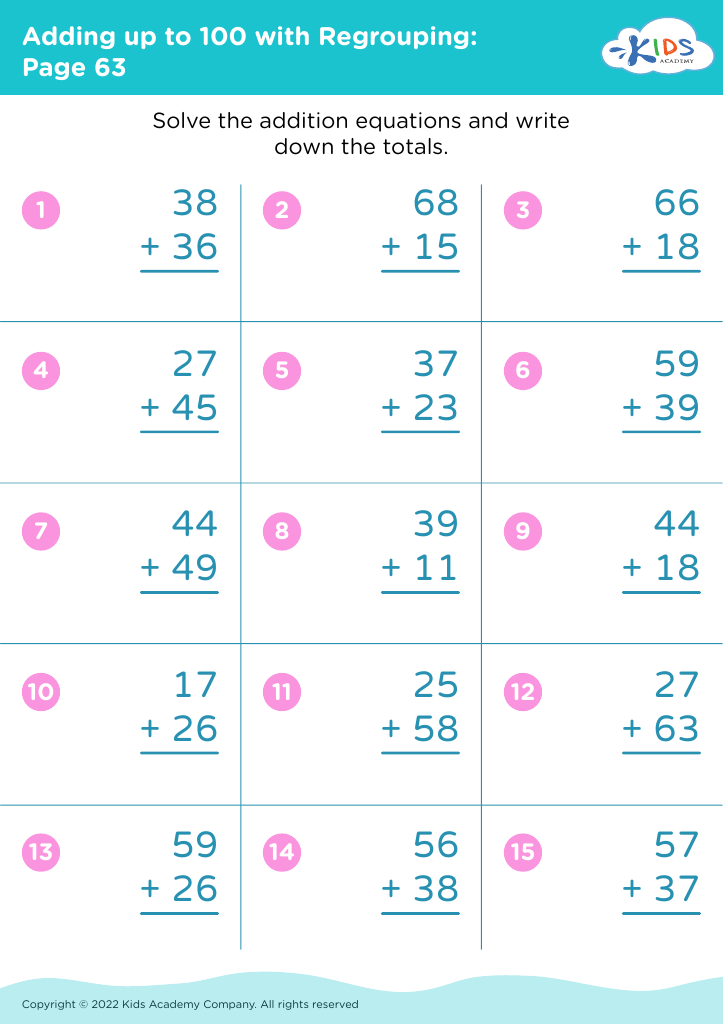
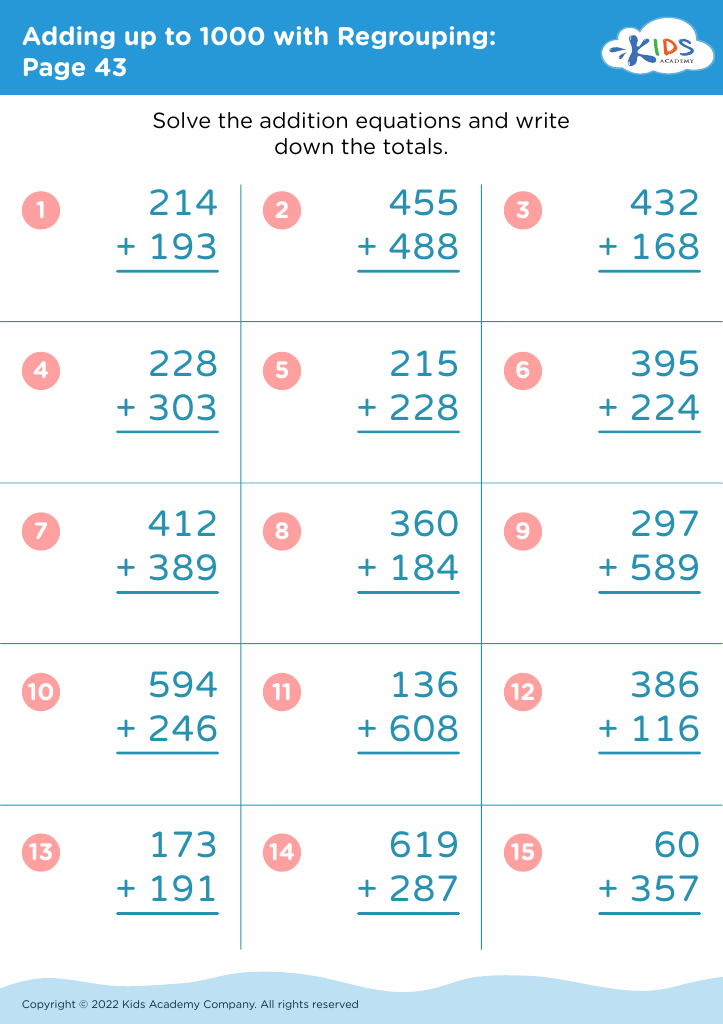
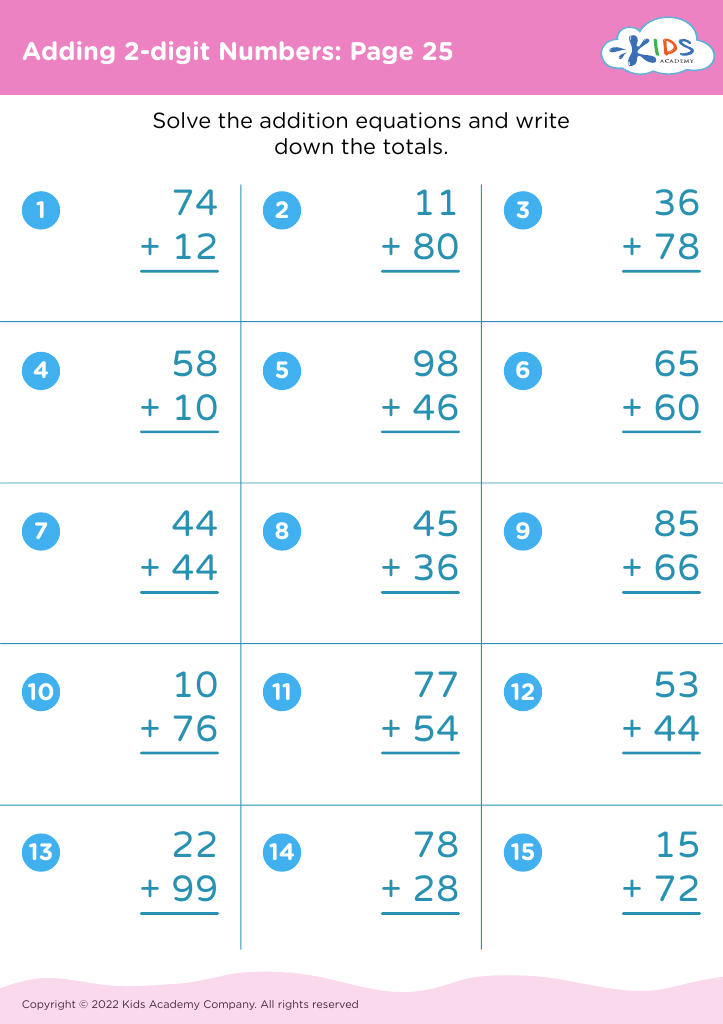
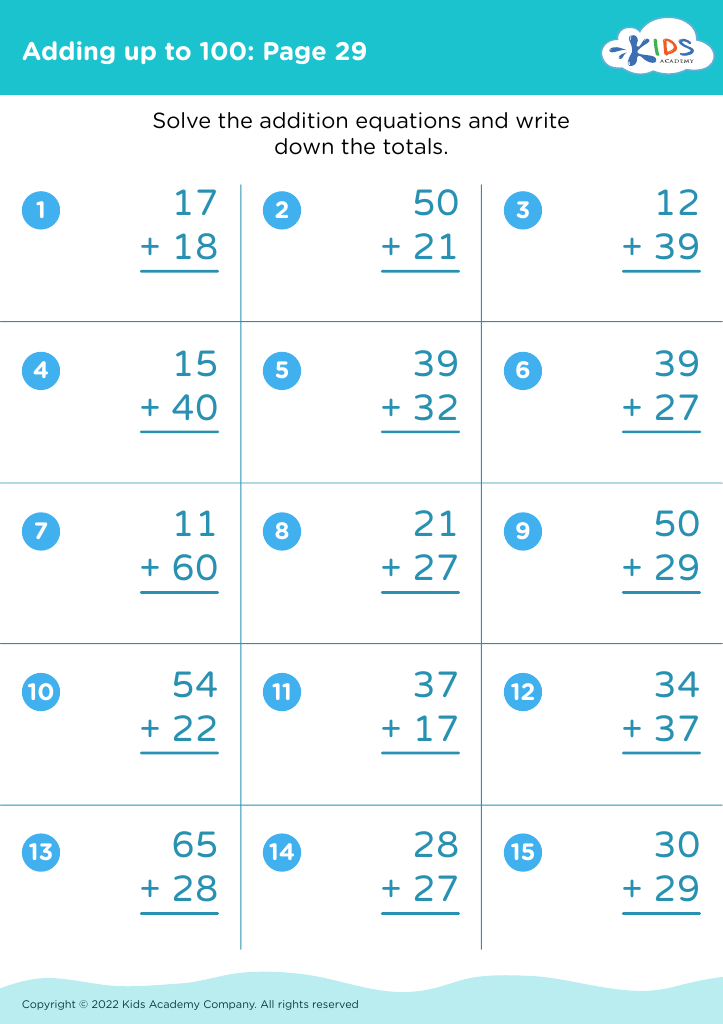
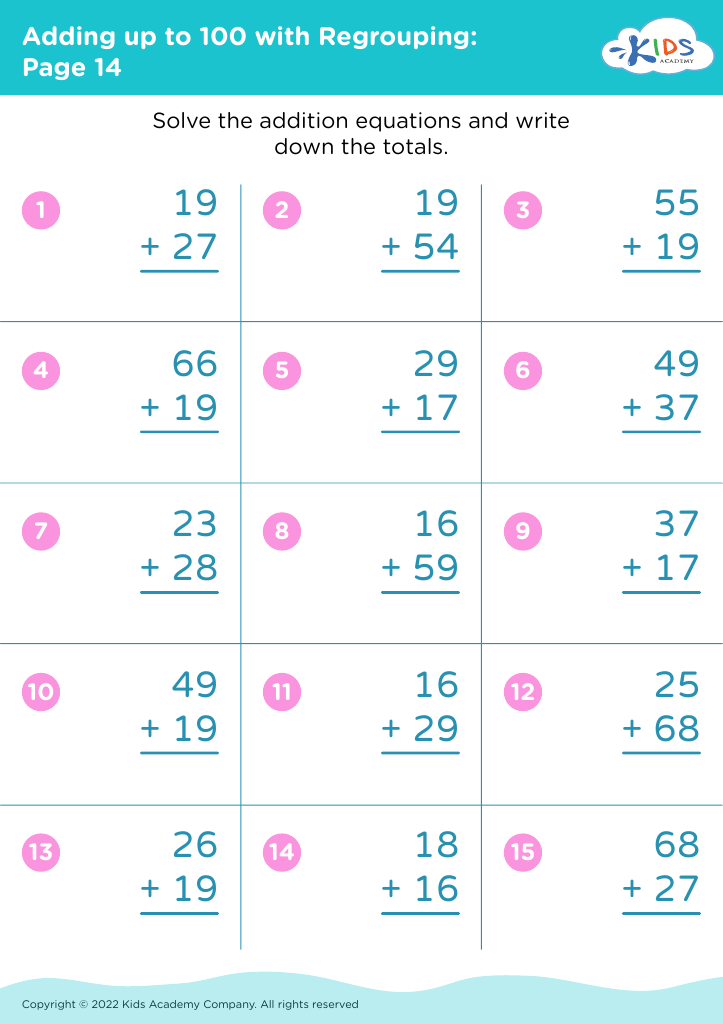
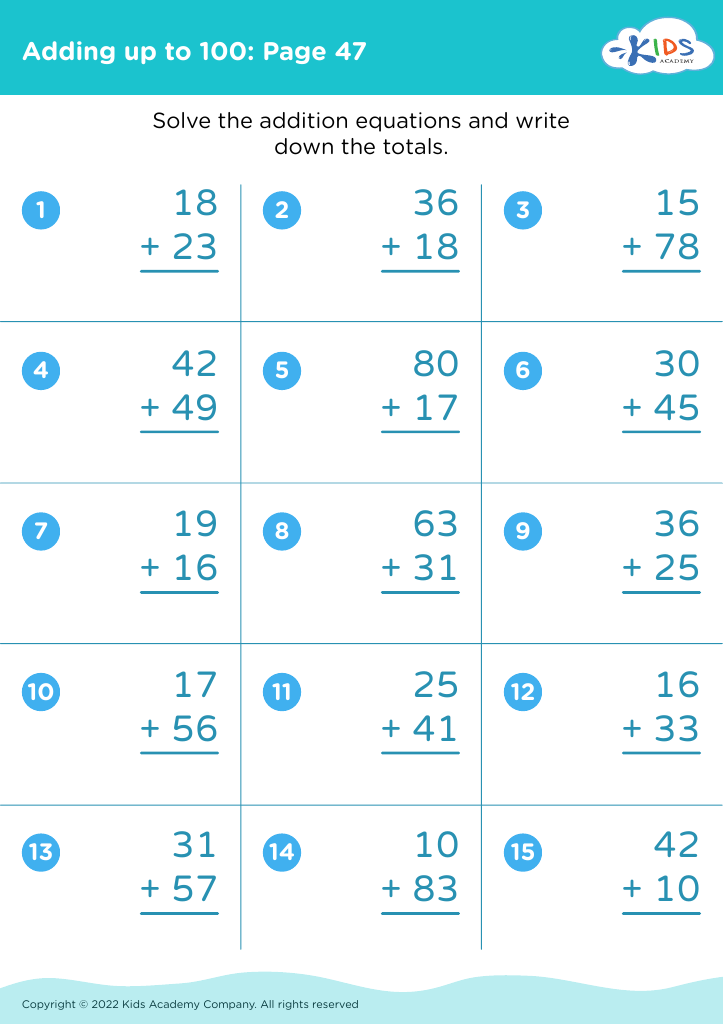
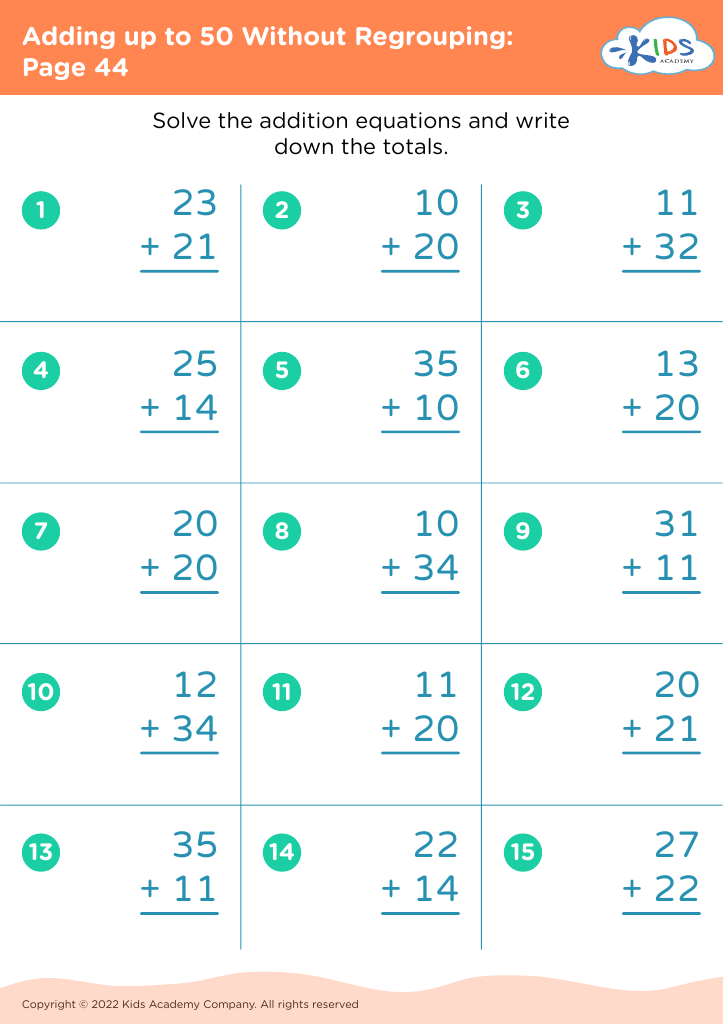
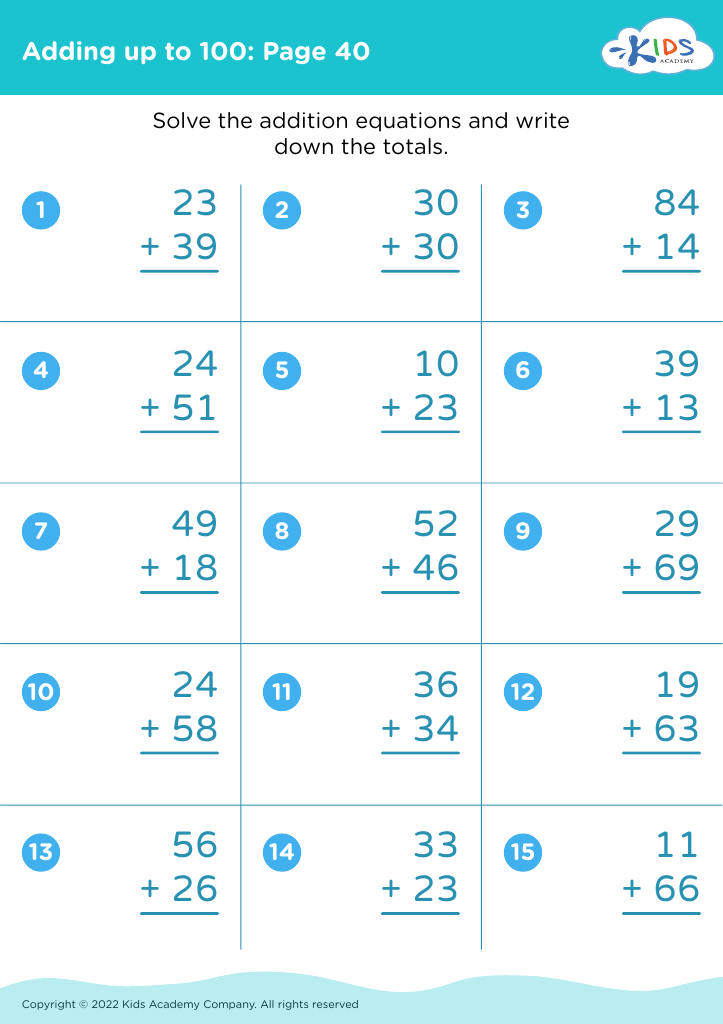
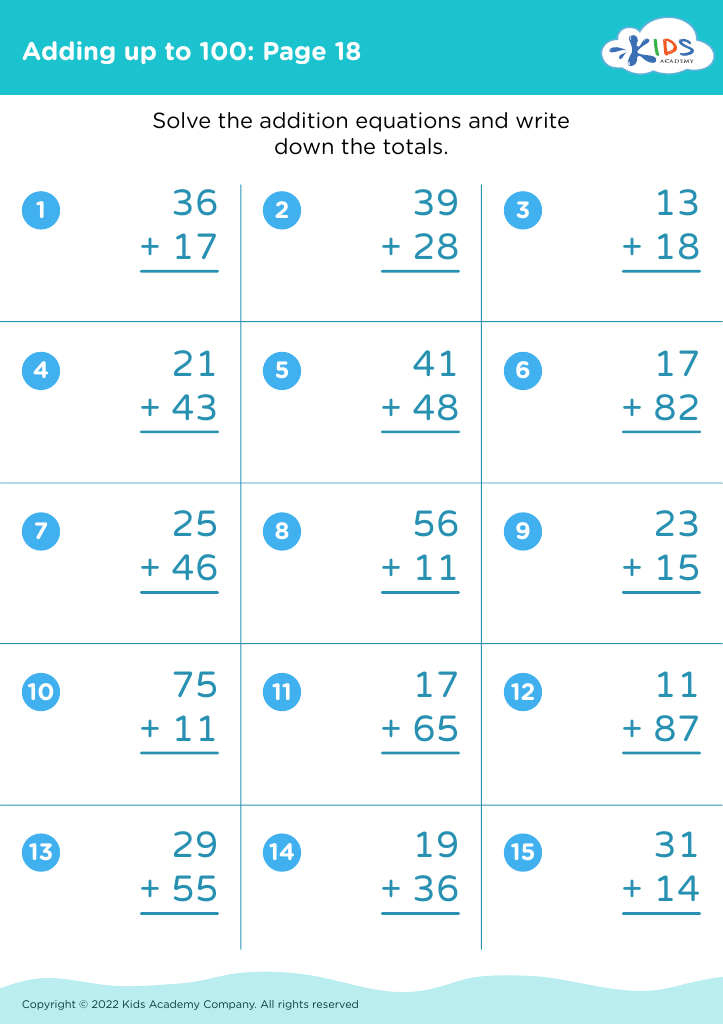
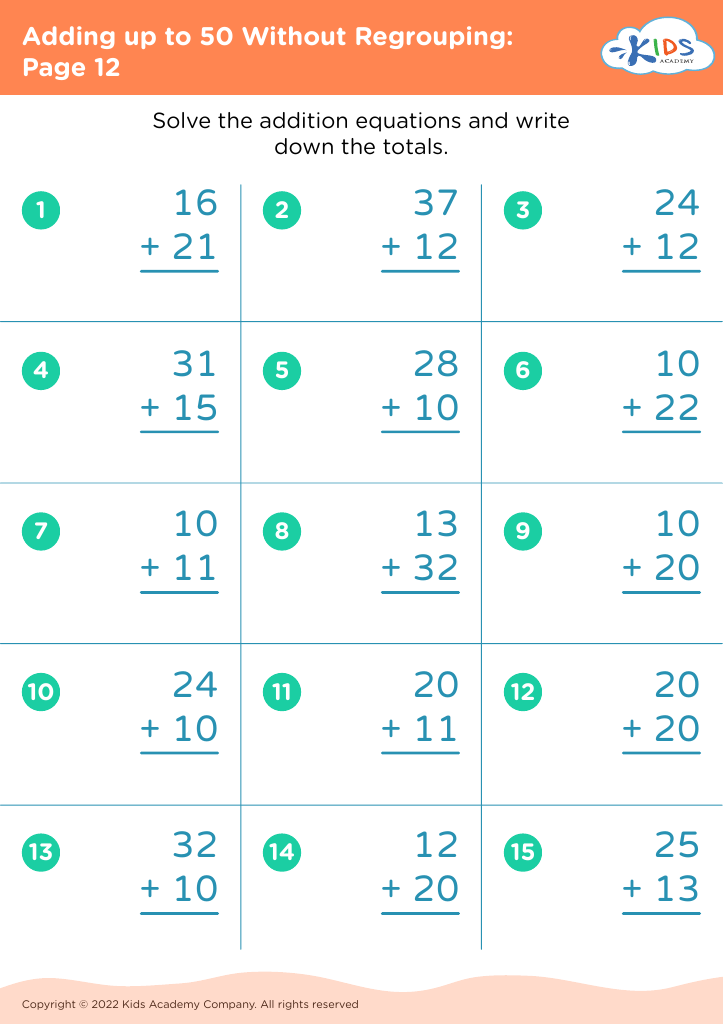
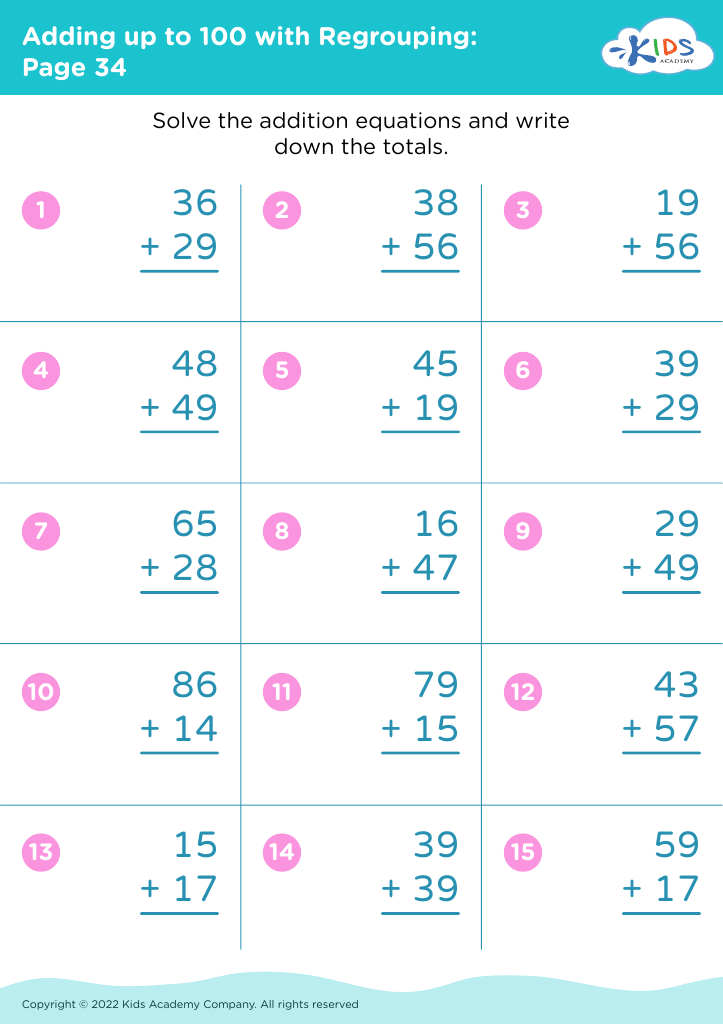
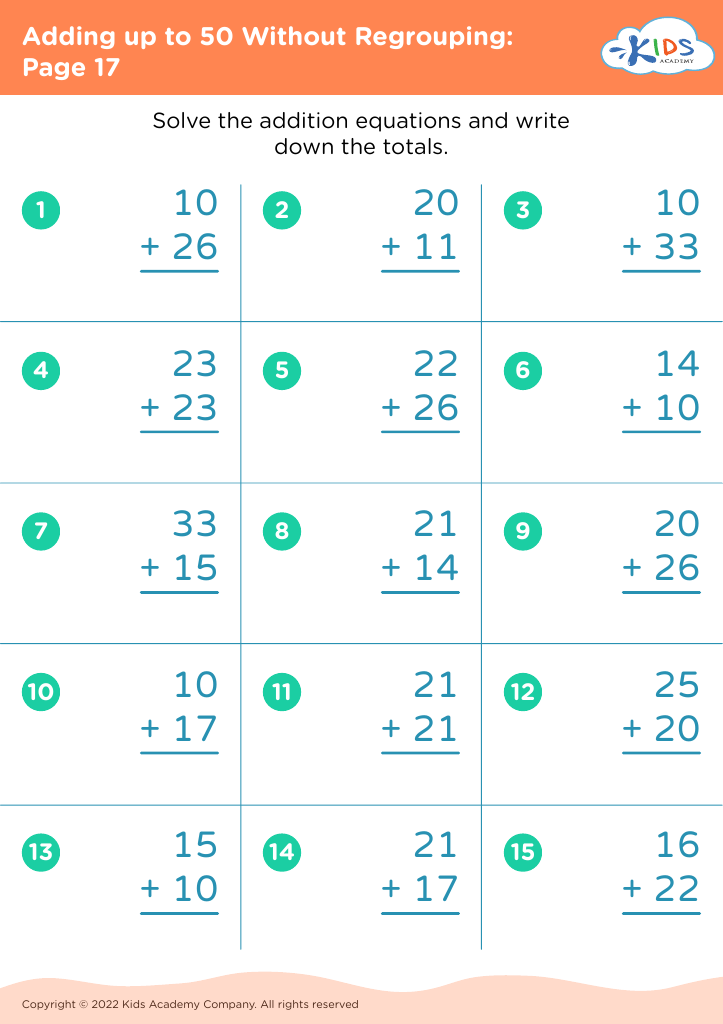
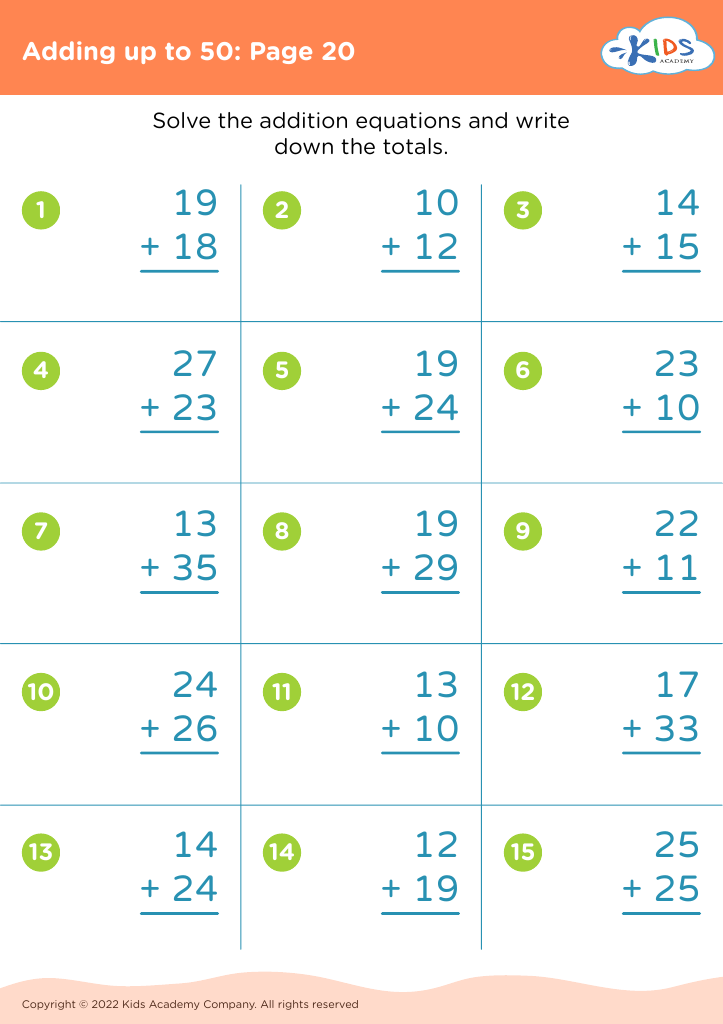
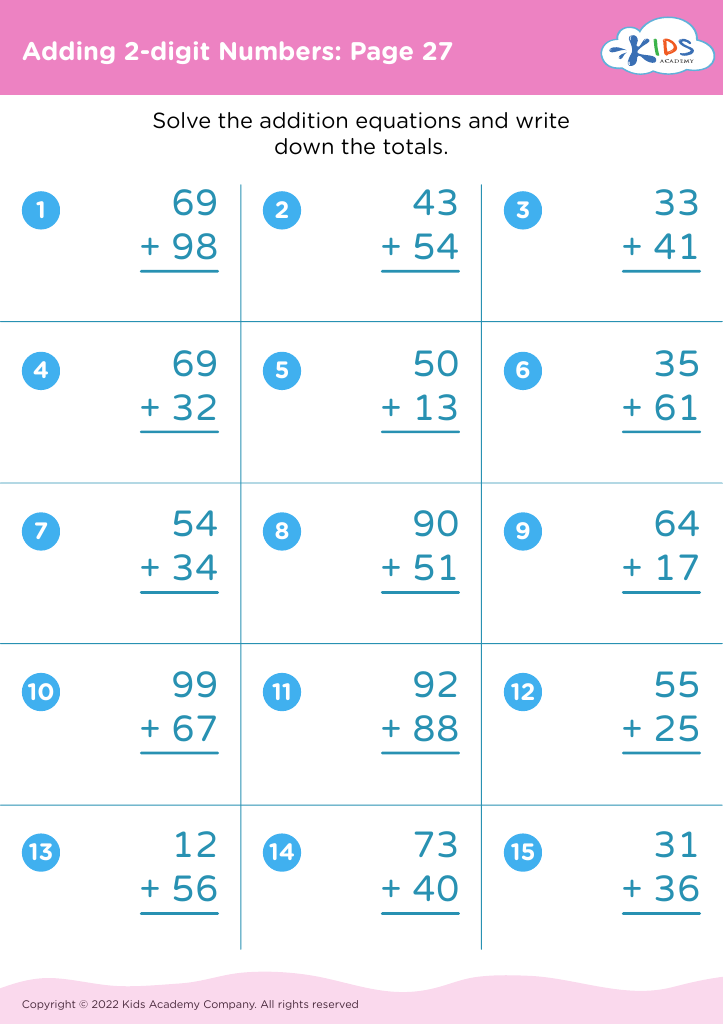
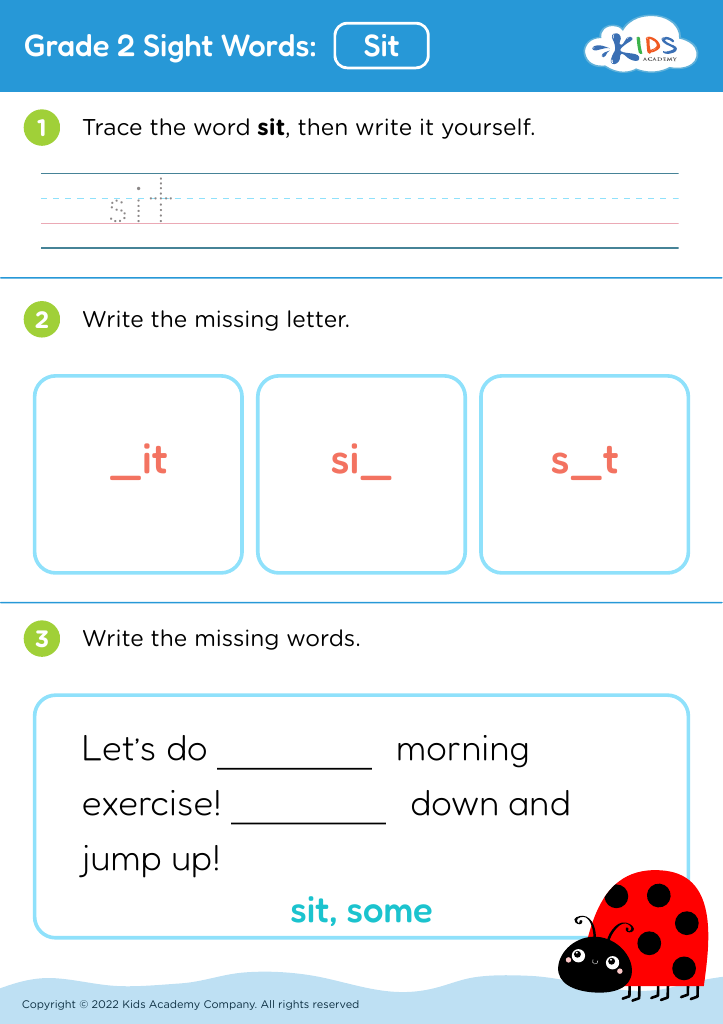







Enhancing number recognition for children aged 8-9 is pivotal as it forms the bedrock of their mathematical journey and daily life skills. At this developmental stage, children transition from simple counting to more complex arithmetic operations such as adding, subtracting, and even introducing multiplication and division. Strong number recognition enables them to effortlessly identify and comprehend numbers, consequently boosting their confidence and efficiency in solving mathematical problems.
Moreover, children with a solid grasp of number recognition are better equipped to understand place value concepts, which are crucial for more advanced mathematical learning. This foundation aids not just in academic settings but also in real-life scenarios such as telling time, handling money, and measuring ingredients for cooking.
For teachers, focusing on number recognition can streamline classroom instruction and foster a positive learning environment. It can enable them to identify students who may struggle early on and provide targeted support, thus preventing potential academic delays.
For parents, encouraging number recognition nurtures a supportive home learning environment, creating fun, interactive activities like counting games and number-based puzzles that reinforce classroom teachings. Additionally, it promotes quality time with their children, turning everyday occurrences into spontaneous learning opportunities. Aligned efforts between parents and teachers can significantly aid in building a child's confidence, creating a robust platform for future academic achievements and lifelong numerical literacy.








