Enhancing logical thinking Worksheets for Ages 8-9
7 filtered results
-
From - To
Discover our "Enhancing Logical Thinking Worksheets" designed specifically for children ages 8-9. These engaging and interactive worksheets aim to sharpen critical reasoning, problem-solving skills, and analytical thinking in young learners. Each worksheet is crafted to challenge students through fun puzzles, patterns, and brain teasers, promoting intellectual growth and confidence. Ideal for classroom use or at-home learning, our resources support foundational skills necessary for academic success. Encourage logical reasoning and boost your child’s cognitive development with our easy-to-access printable worksheets, ensuring learning is both effective and enjoyable. Explore the power of logical thinking and watch your child's abilities flourish!
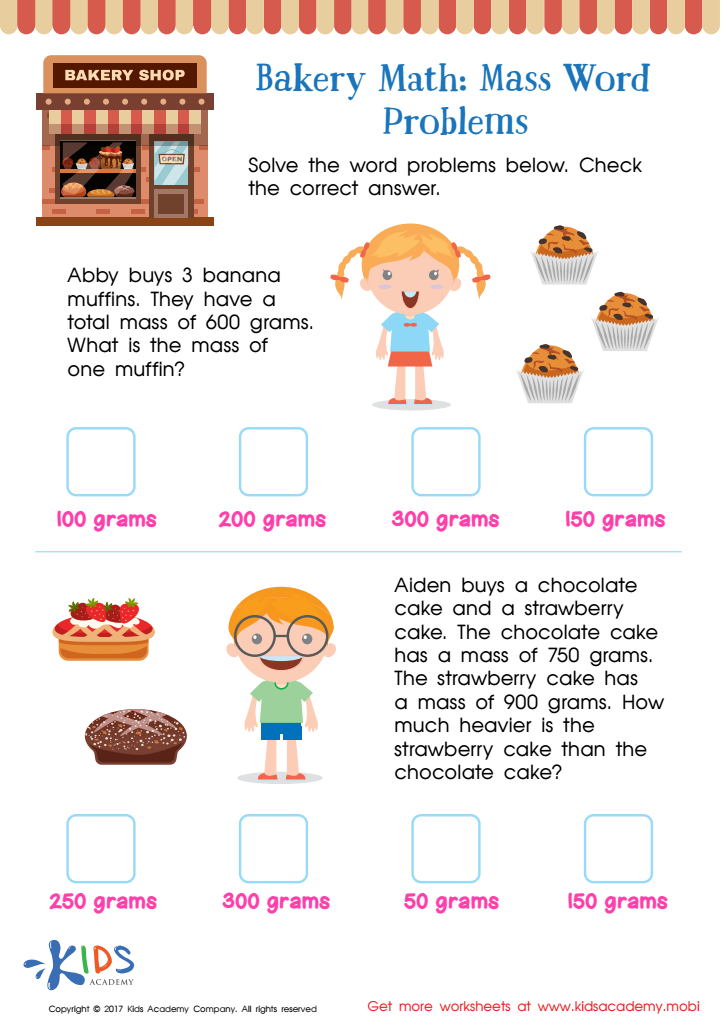
Mass Word Problems Worksheet
 Assign to My Students

How Bishops Capture Worksheet
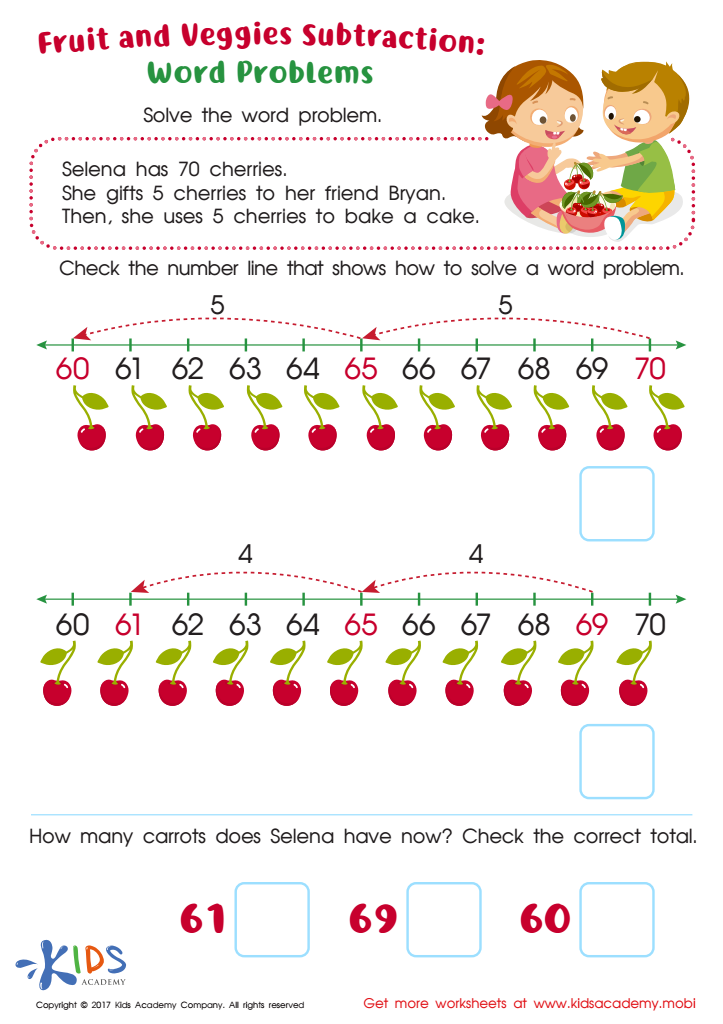
Subtraction Word Problems Free Printable
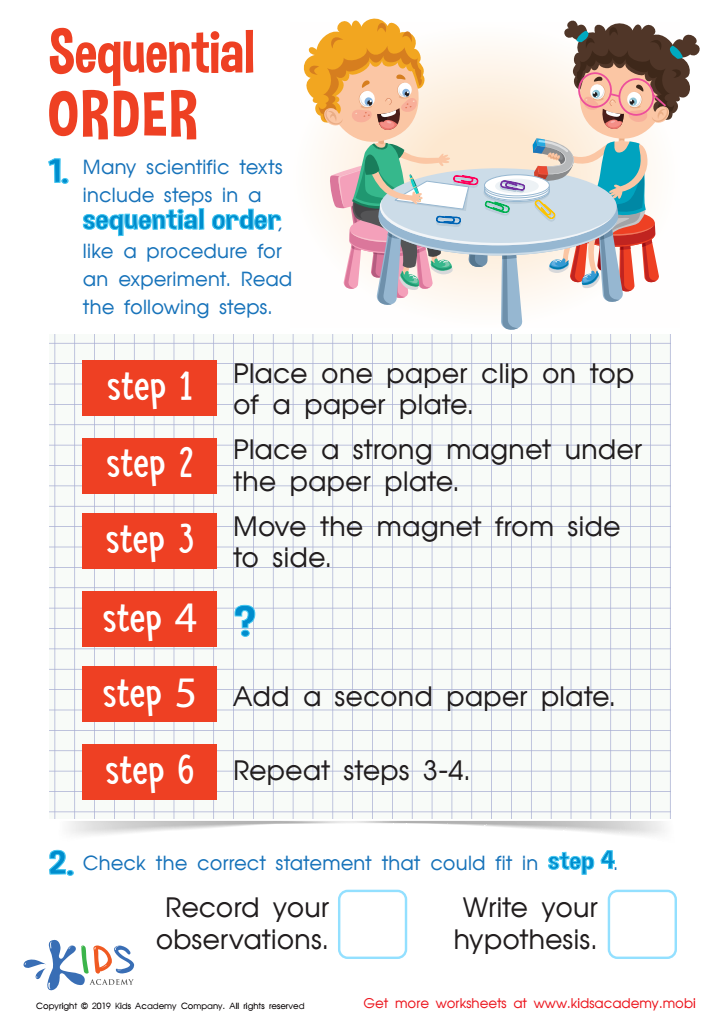
Sequencential Order Worksheet
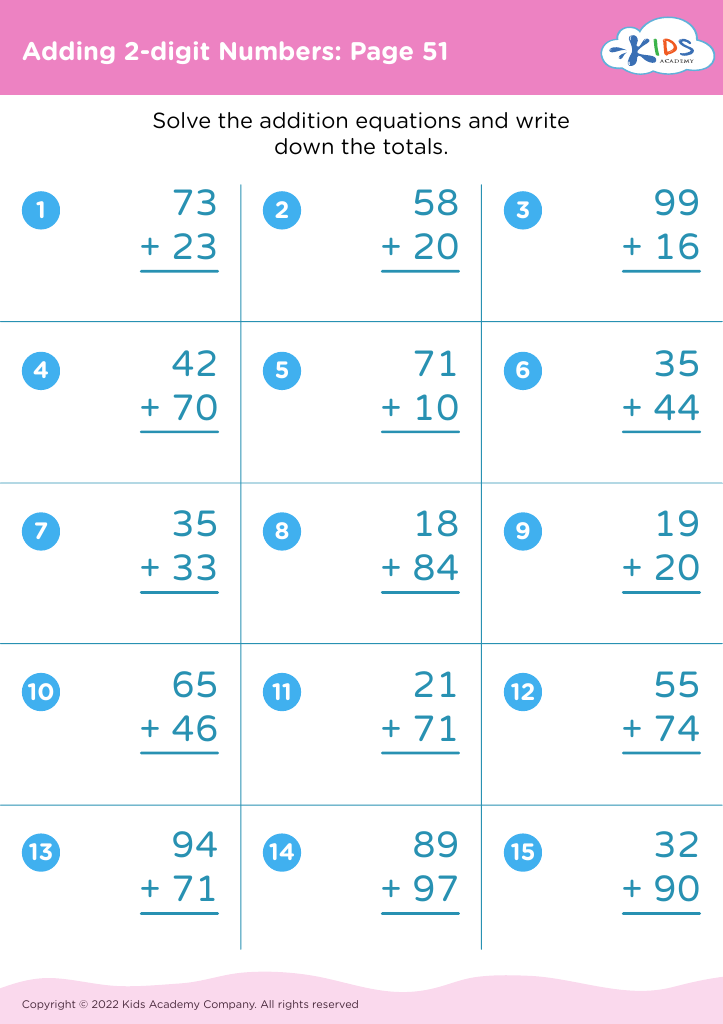
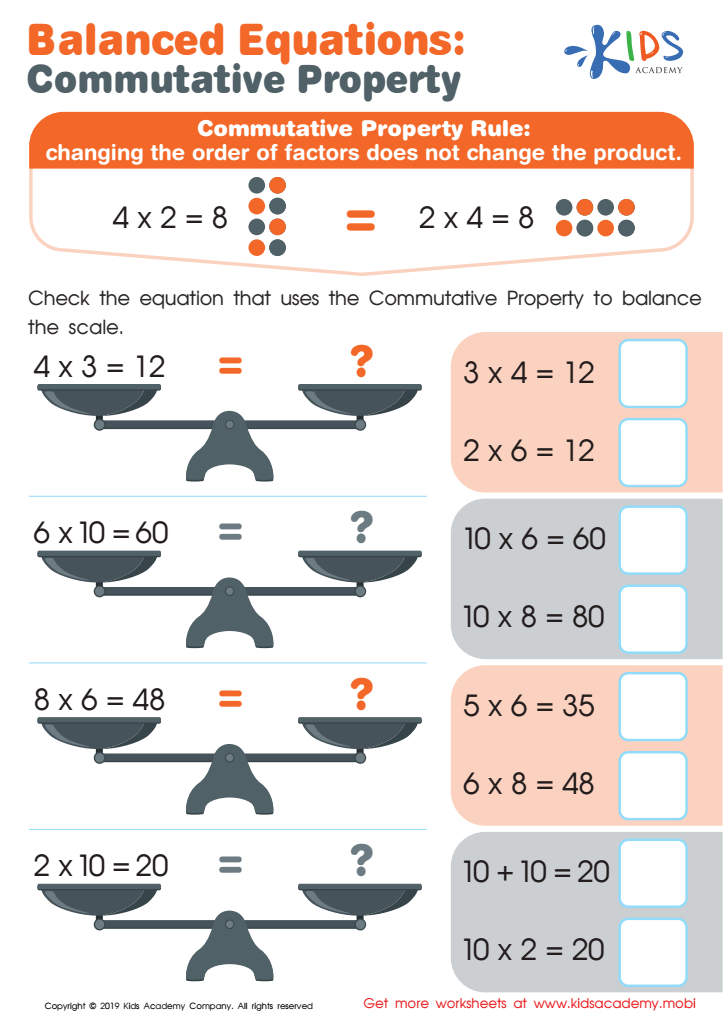
Balanced Equations: Commutative Property Worksheet
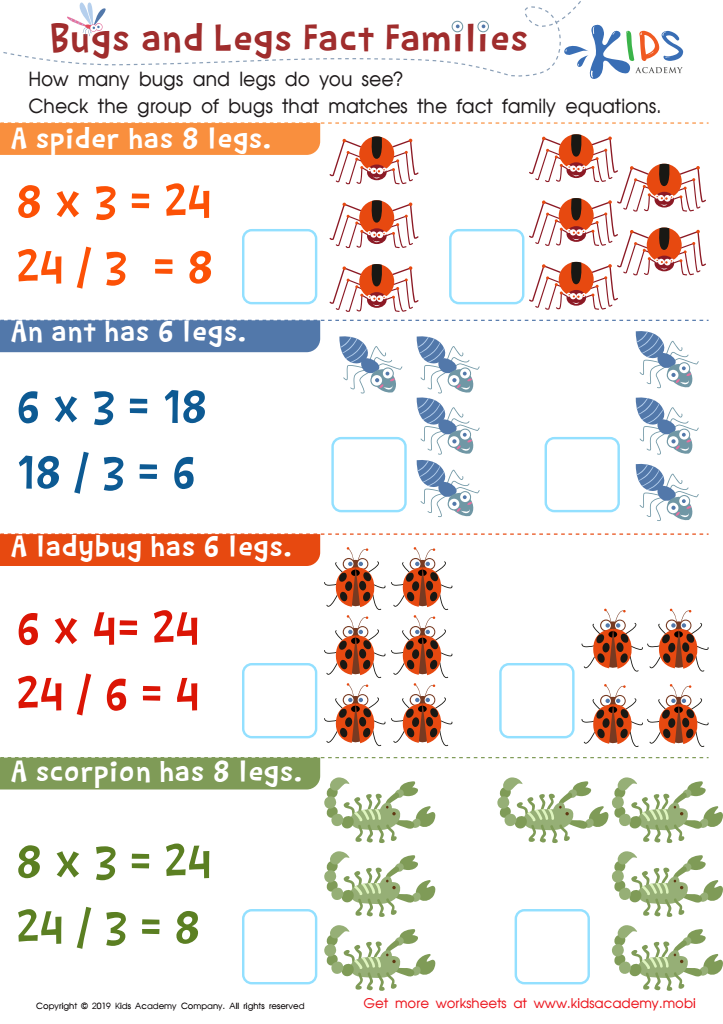
Bugs and Legs Fact Families Worksheet








Enhancing logical thinking in children aged 8-9 is crucial for several reasons that impact their cognitive development and lifelong learning. At this age, children begin to transition from concrete thinking to more abstract thought processes, making it an ideal time to foster critical reasoning skills. Logical thinking helps them understand cause-and-effect relationships, recognize patterns, and develop problem-solving abilities, which are foundational for success in academics, particularly in subjects like math and science.
Moreover, strong logical thinking skills empower children to make informed decisions in daily life, enhancing their independence and boosting their confidence. Engaging in activities that promote logical reasoning—such as puzzles, games, and collaborative projects—also fosters collaboration and communication skills, which are essential for social interactions.
Teachers and parents play a pivotal role in modeling and encouraging these skills through constructive discourse and interactive learning experiences. By nurturing logical thinking, caregivers can prepare children not just for academic achievements, but for navigating life’s challenges, promoting resilience, and fostering a growth mindset. Ultimately, enhancing logical thinking at this formative stage lays a solid foundation for critical thinking, ensuring children are equipped to thrive in an increasingly complex world.








