
Fraction conversion Worksheets for Ages 8-9
4 filtered results
Difficulty Level
Grade
Age
-
From - To
Subject
Activity
Standards
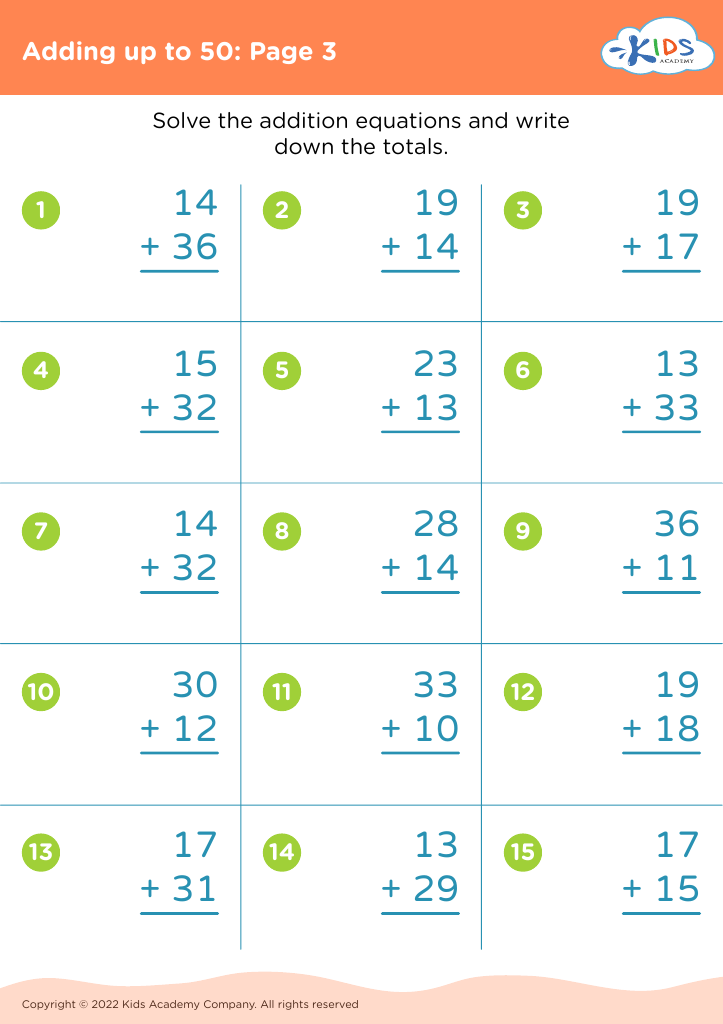
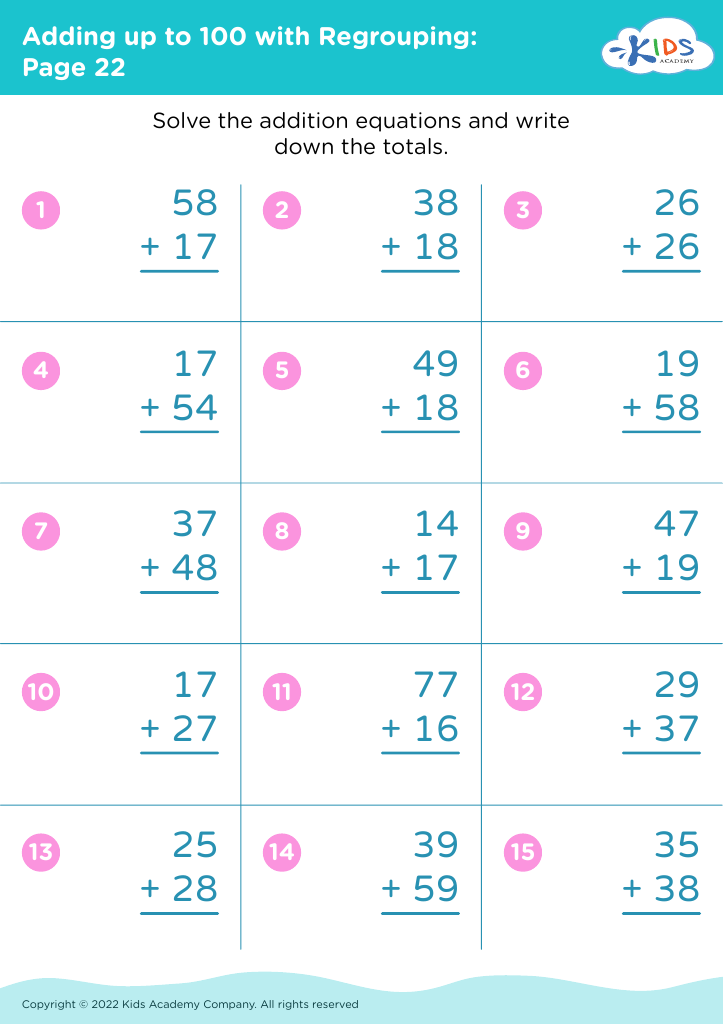
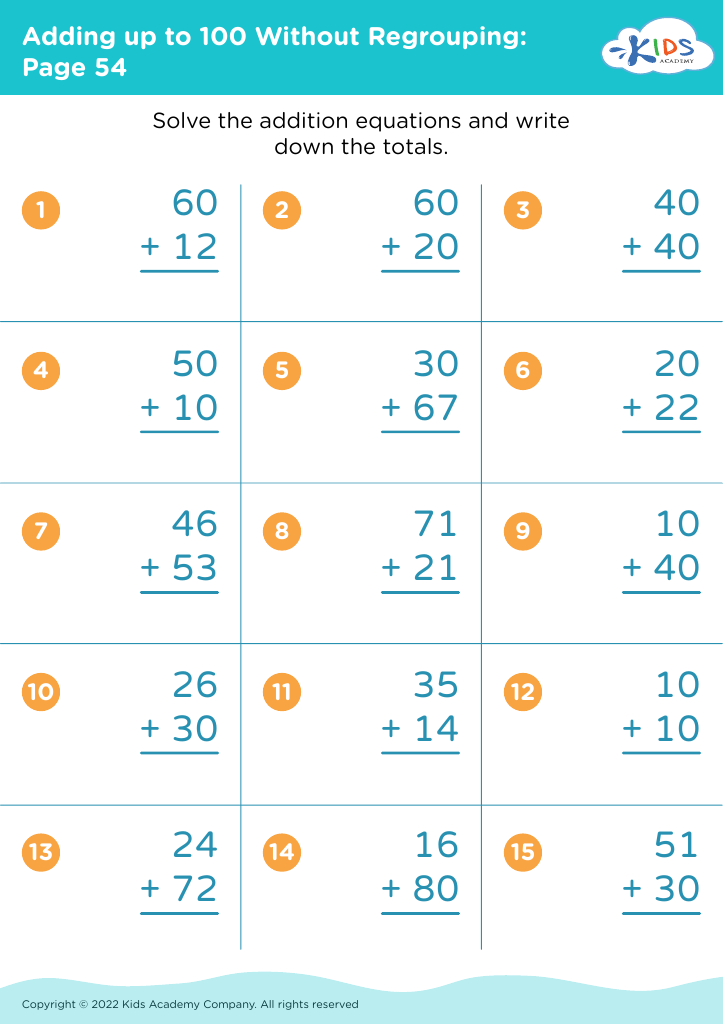
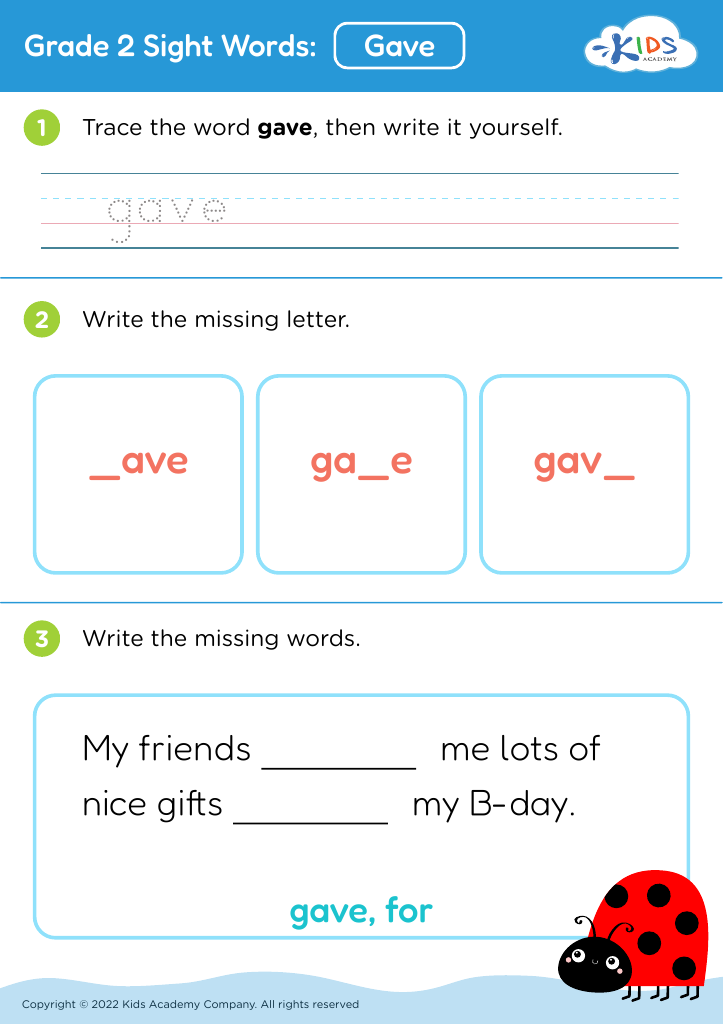
Enhance your child’s math skills with our Fraction Conversion Worksheets for Ages 8-9. These expertly designed worksheets aim to make learning fractions engaging and straightforward. Each sheet offers a variety of fun and educational activities, helping kids master converting fractions into simple decimal numbers and back. Perfect for both classroom and home use, they support Common Core standards and gradually advance in difficulty, making concepts clear and tangible. Boost your child's confidence and proficiency in math today with these valuable resources from Kids Academy!
Favorites
With answer key
Interactive
Join Kids Academy for Free
Who is primarily going to use this learning content?





.jpg)


Understanding fraction conversion is crucial for children aged 8-9 because it forms a fundamental building block for future math skills and real-world applications. At this age, children are typically introduced to fractions, an essential concept in various mathematical problems they'll encounter in later grades, including algebra and geometry. By grasping how to convert fractions—such as recognizing equivalent fractions or converting fractions to decimals—kids develop a deeper comprehension of numerical relationships and build a strong mathematical foundation.
Parents and teachers should emphasize fraction conversion because it enhances critical thinking and problem-solving skills. When children understand how to manipulate and convert fractions, they become more proficient in comparing proportions, solving measurement problems, and balancing equations, which are invaluable in both academic and everyday settings.
Furthermore, mastering fraction conversions can boost a child's confidence in math, fostering a positive attitude towards learning. Struggling with fundamental concepts early on could lead to math anxiety or disenchantment with the subject, impeding their academic progress. Therefore, giving young learners ample practice and support in converting fractions not only equips them with necessary math skills but also encourages perseverance, logical reasoning, and a lifelong appreciation for learning.








