Historical Knowledge Worksheets for Ages 8-9 - Page 2
32 filtered results
-
From - To
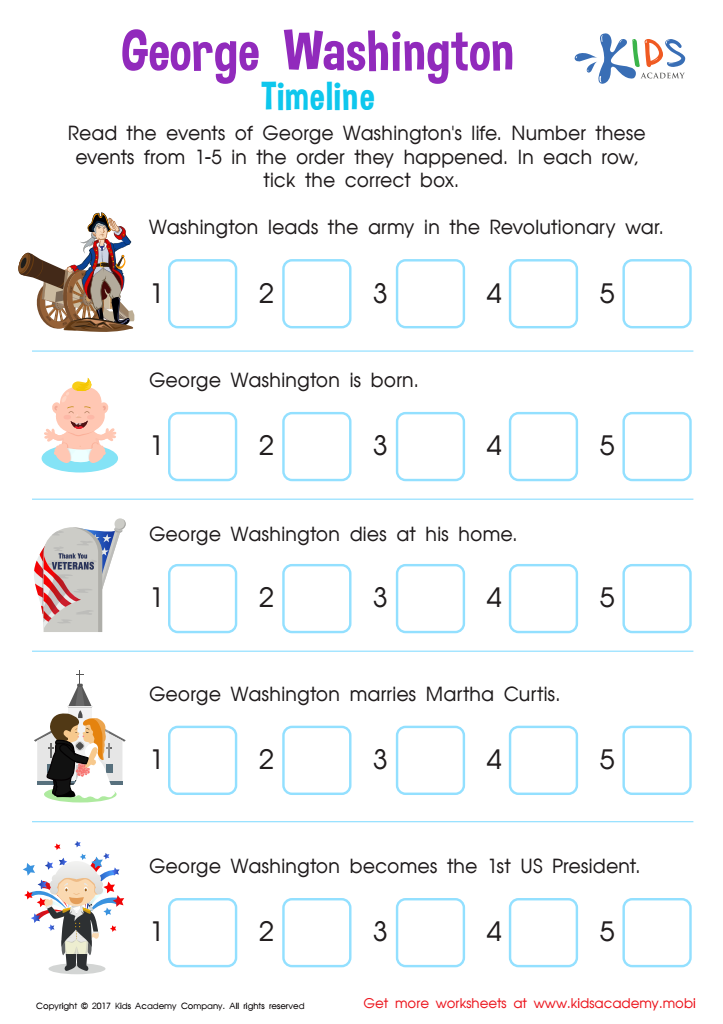
George Washington Timeline Worksheet
 Assign to My Students
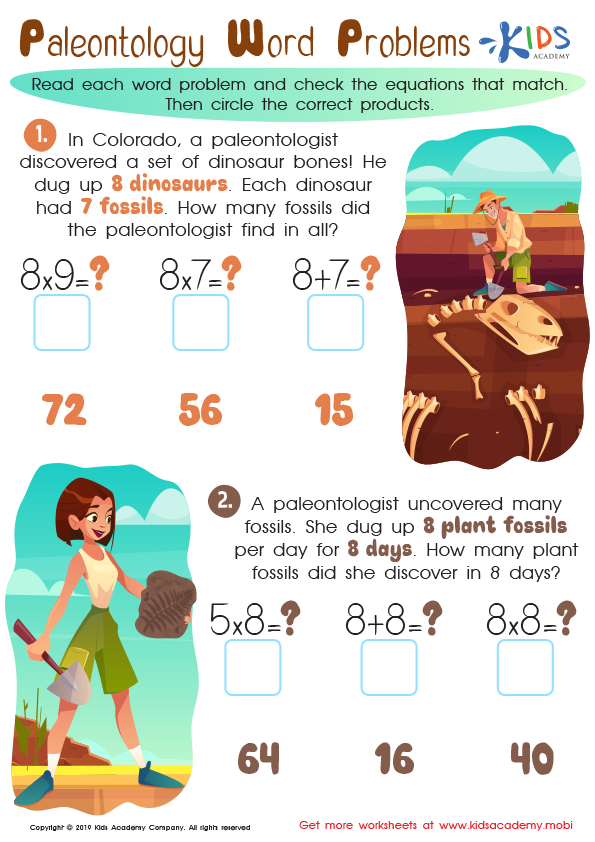
Archeology Word Problems Worksheet
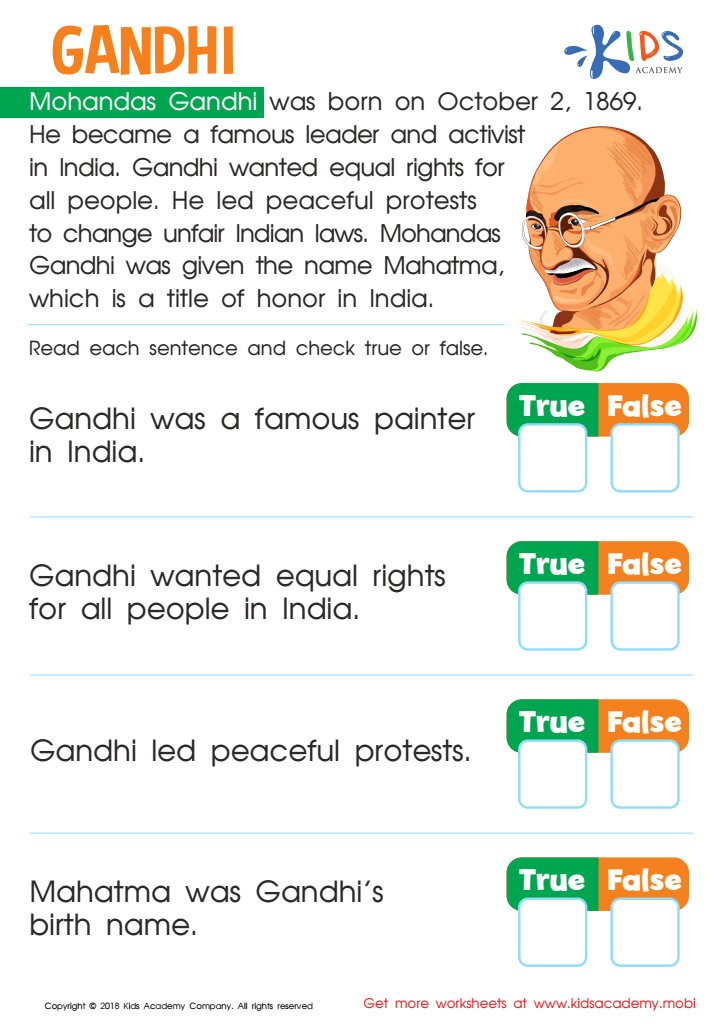
Gandhi Worksheet
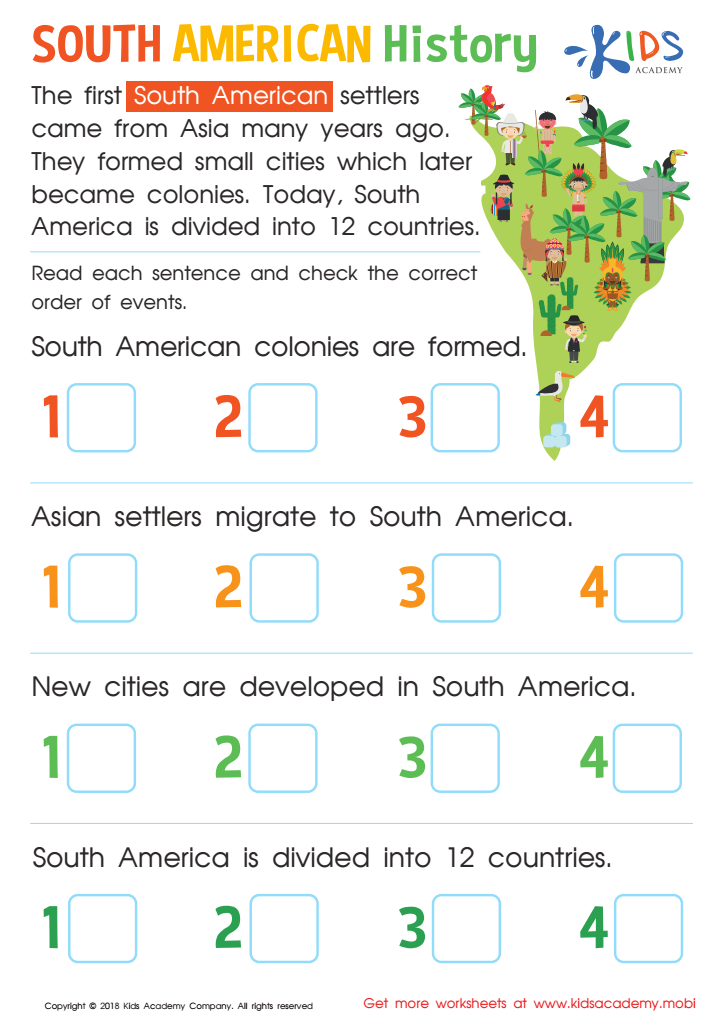
South American History Worksheet







Understanding historical knowledge is crucial for children aged 8-9 as it forms the foundation for their critical thinking, empathy, and cultural awareness. At this formative age, kids are naturally curious and start to ask questions about the world around them. Learning history helps satisfy this curiosity by giving them insights into how societies have evolved, the reasons behind specific traditions, and the events that have shaped our current world.
Historical knowledge also equips children with the skills to think analytically about cause and effect. When they learn about significant events and figures from history, they begin to understand the complexities of human behavior and decision-making. This understanding promotes better problem-solving skills and enriches their ability to distinguish right from wrong.
Moreover, history fosters empathy by enabling children to step into the shoes of people from different times and places. This can help them appreciate diversity and develop a deeper understanding of different cultures and perspectives, reducing prejudices and promoting inclusivity.
In a classroom setting, integrating fun, age-appropriate historical stories and activities can make learning enjoyable and memorable. This engagement can also instill a lifelong love for learning and an appreciation of history, encouraging them to be informed, responsible citizens. Therefore, parents and teachers must prioritize historical education for young learners.








