Identifying shapes Worksheets for Ages 8-9
29 filtered results
-
From - To
Explore our engaging "Identifying Shapes Worksheets for Ages 8-9" designed to enhance young learners' geometric skills! These meticulously crafted worksheets introduce various shapes, helping children understand their properties and differences. Through fun activities, kids will practice recognizing, drawing, and naming shapes, reinforcing vital concepts in a playful manner. Perfect for home or classroom use, our resources aim to foster critical thinking and creativity while building a strong foundation in geometry. Let your child embark on a colorful journey of discovery as they master shape identification! Download now to support your child's educational growth and encourage a love for learning through shapes!
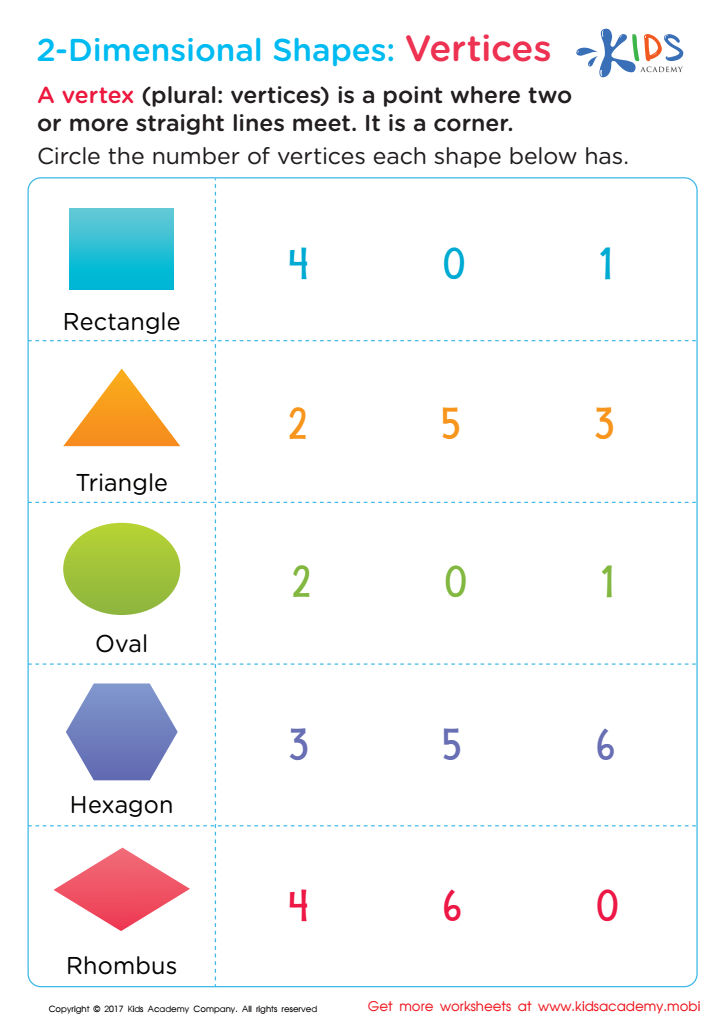
Two–Dimensional Shapes: Vertices Printable
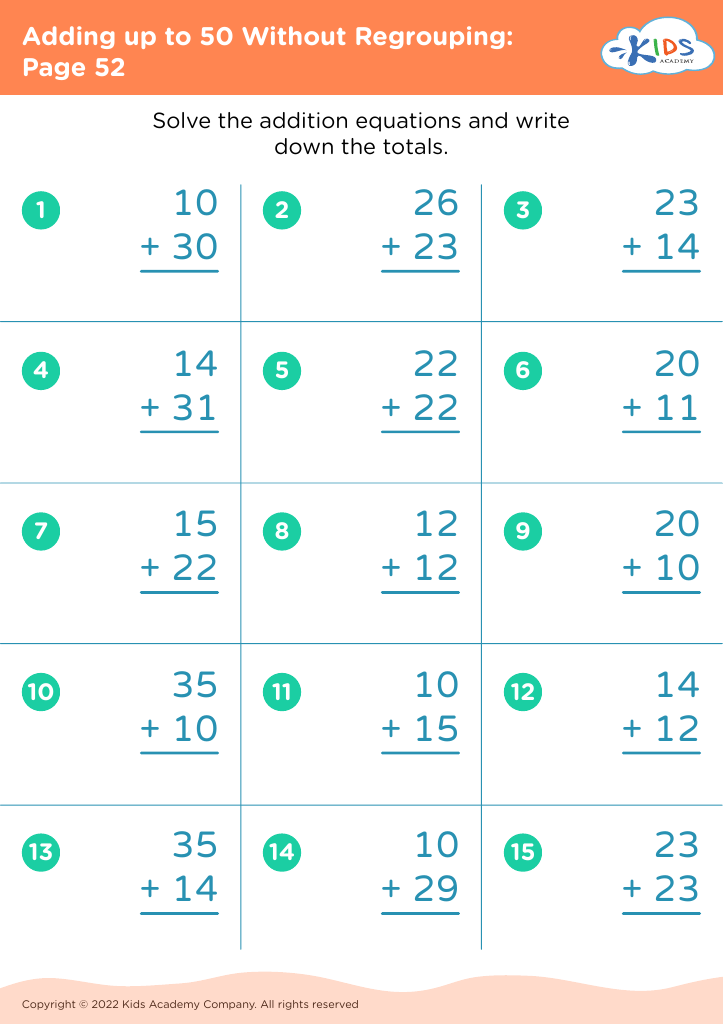
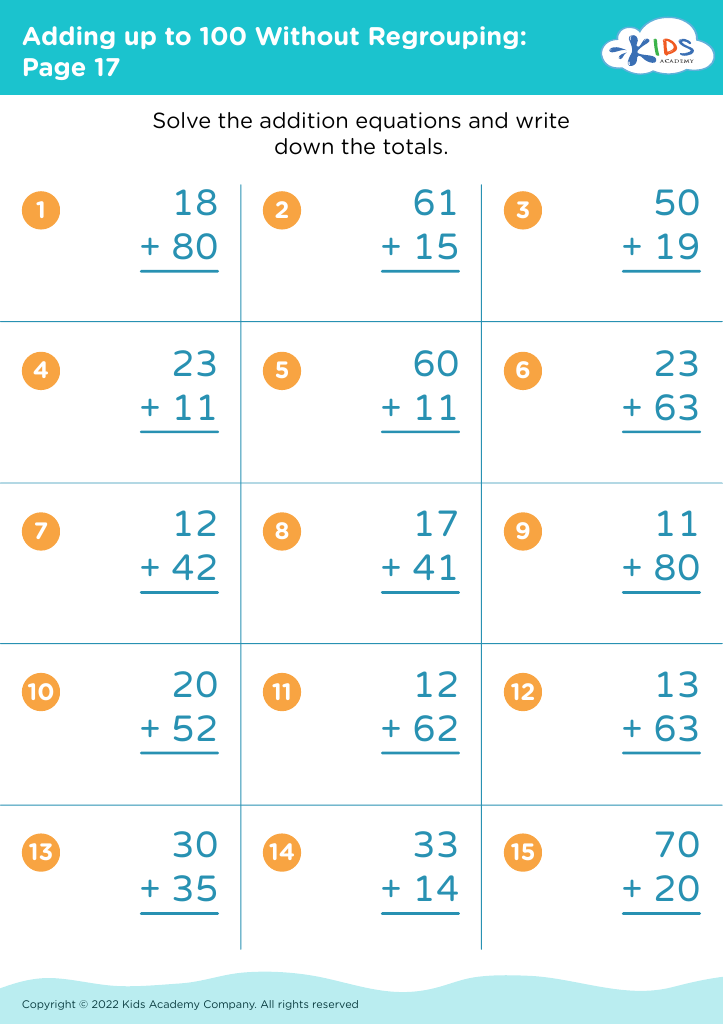
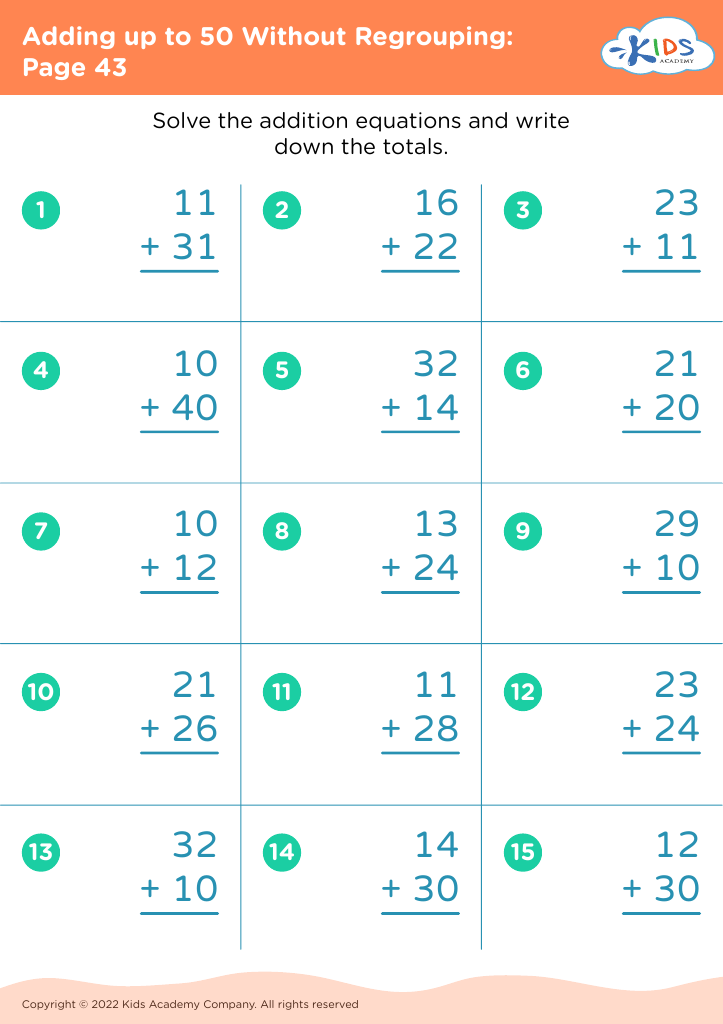
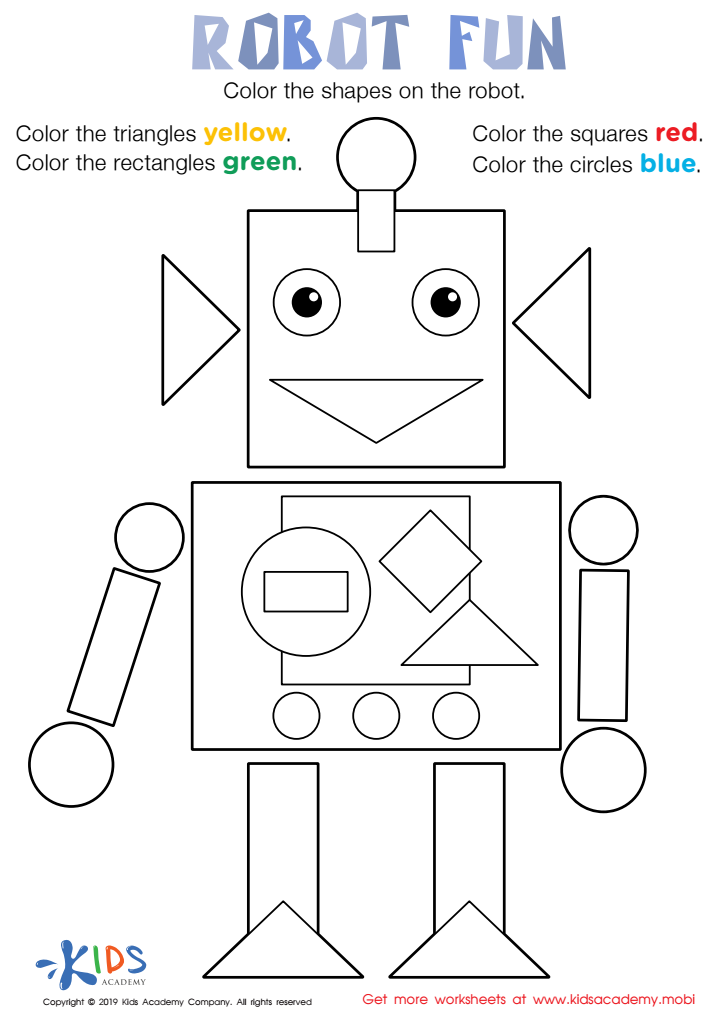
Robot Fun Worksheet
 Assign to My Students


.jpg)
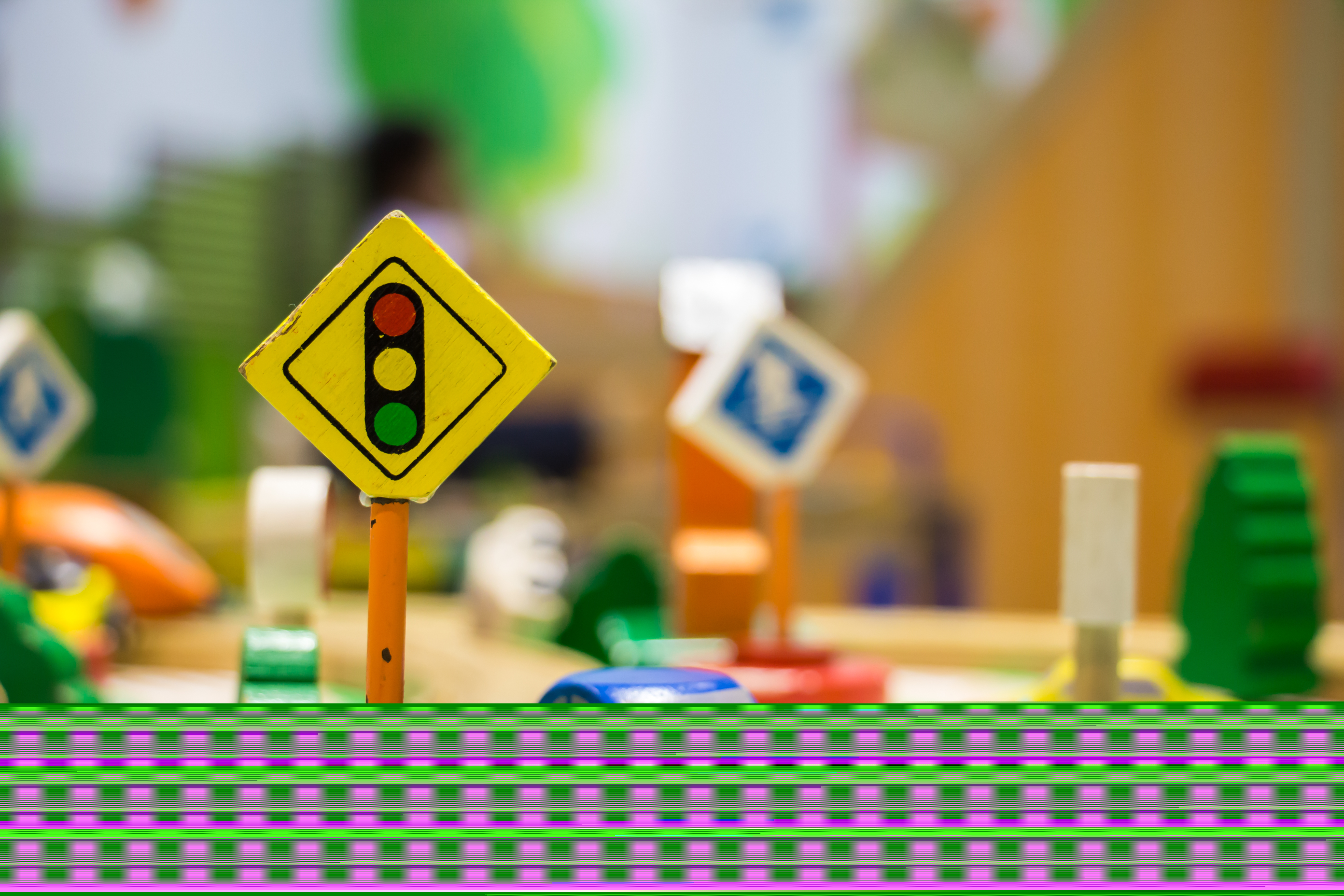




Identifying shapes is a fundamental skill for children aged 8-9, fostering essential cognitive and spatial reasoning abilities. At this age, children are transitioning from concrete operations to more abstract thinking, and understanding shapes plays a critical role in this development. For parents and teachers, there's a compelling reason to emphasize shape identification: it lays the groundwork for various academic subjects including mathematics, science, and art.
Mathematically, shape recognition enhances geometry comprehension, helping children grasp concepts such as area, perimeter, and symmetry. It encourages problem-solving and critical thinking as students learn to classify and compare shapes. These skills are vital in real-life scenarios, such as recognizing patterns in nature, architecture, and everyday objects.
In science, understanding shapes can help students explore topics like angles, movement, and the structures of different organisms, strengthening their observational skills. On an artistic level, recognizing and manipulating shapes encourages creativity and expression.
Moreover, fostering an interest in shapes can boost students' confidence and engagement in their learning. Consequently, parents and teachers who prioritize this skill not only enhance academic performance but also help children develop a holistic understanding of the world around them.








