Improving analytical skills Worksheets for Ages 8-9
4 filtered results
-
From - To
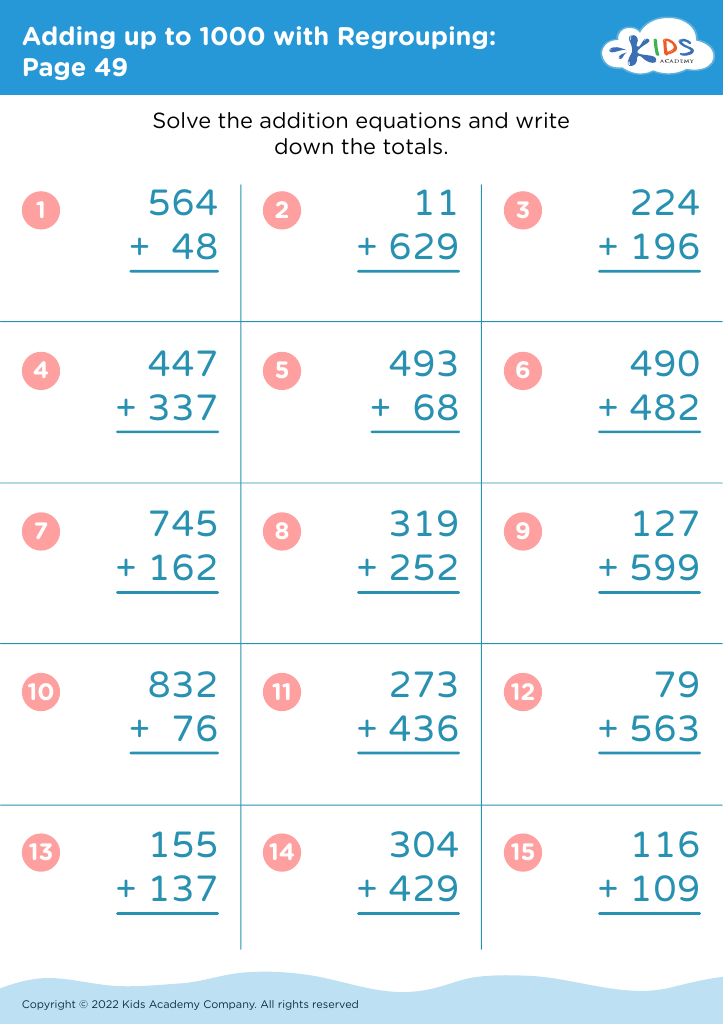
Discover our specialized worksheets designed to enhance analytical skills for children aged 8-9. These engaging resources foster critical thinking and problem-solving abilities through a variety of intriguing activities. Kids will enjoy puzzles, pattern recognition tasks, and logical reasoning challenges, all aimed at boosting their analytical prowess. Each worksheet promotes independent thinking while aligning with educational standards. Perfect for classroom use or at-home learning, our worksheets provide an exciting way for young learners to develop essential skills and confidence. Help your child thrive academically by integrating these fun and effective analytical skill-building activities into their daily routine!
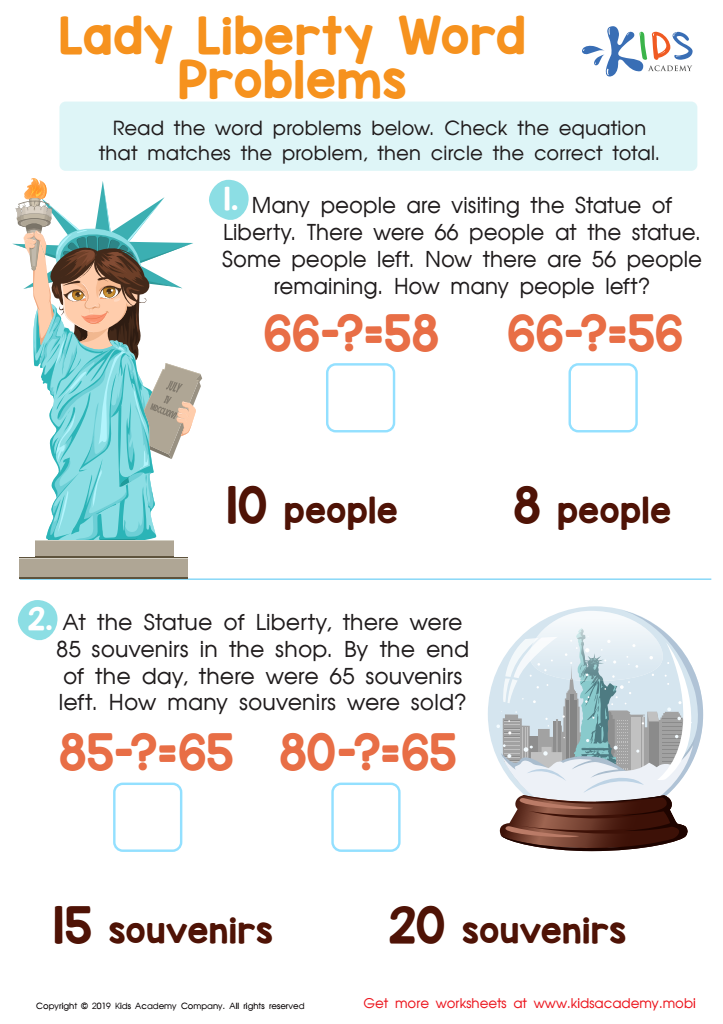
Lady Liberty Worksheet
 Assign to My Students
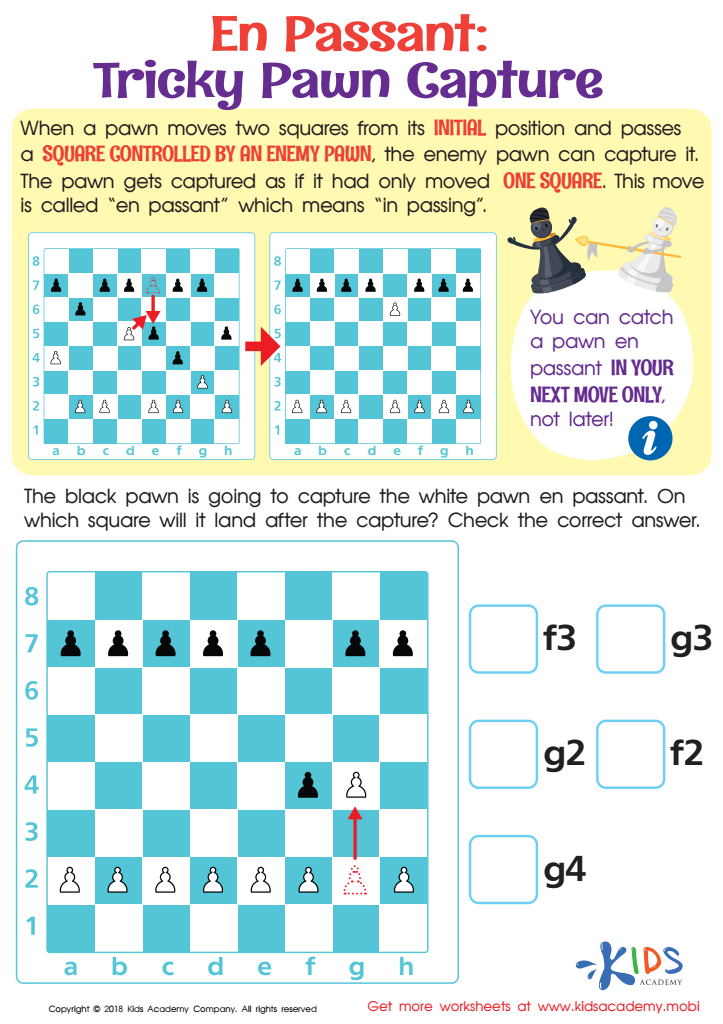
En Passant: Tricky Pawn Capture Worksheet

Horse Race Worksheet








Improving analytical skills for children aged 8-9 is crucial for several reasons. During this developmental stage, children are transitioning from concrete to more abstract thinking, which allows them to process information more deeply. Enhancing their analytical skills helps them develop critical thinking, enabling them to assess situations, solve problems, and make informed decisions. This holistic approach fosters a greater understanding of the world around them, empowering them to question, evaluate, and draw conclusions from the information they encounter.
Furthermore, cultivating these skills prepares children for future academic challenges, as analytical thinking is essential in subjects like math, science, and reading comprehension. It enhances their ability to break down complex problems, understand cause-and-effect relationships, and draw parallels between different concepts. This foundational skill set not only boosts their academic performance but also strengthens their confidence and independence.
Finally, these skills are vital for social interactions. Analytical thinking helps children navigate relationships, resolve conflicts, and understand diverse perspectives, fostering empathy and collaboration. By prioritizing analytical skill development, parents and teachers contribute to a well-rounded education, ensuring children are equipped to thrive in school and beyond, ultimately becoming active, informed members of society.








