Improving observational skills Worksheets for Ages 8-9
4 filtered results
-
From - To
Enhance your child's observational skills with our engaging worksheets designed for ages 8-9! These printable activities encourage young learners to sharpen their attention to detail, critical thinking, and visual recognition. Each worksheet provides fun challenges that promote purposeful observation, helping children to better understand their surroundings and develop essential skills necessary for learning and problem-solving. Perfect for the classroom or at home, our materials support various learning styles and can be easily integrated into your educational routine. Join us in fostering curiosity and creativity—download our "Improving Observational Skills" worksheets today for an enriching learning experience!
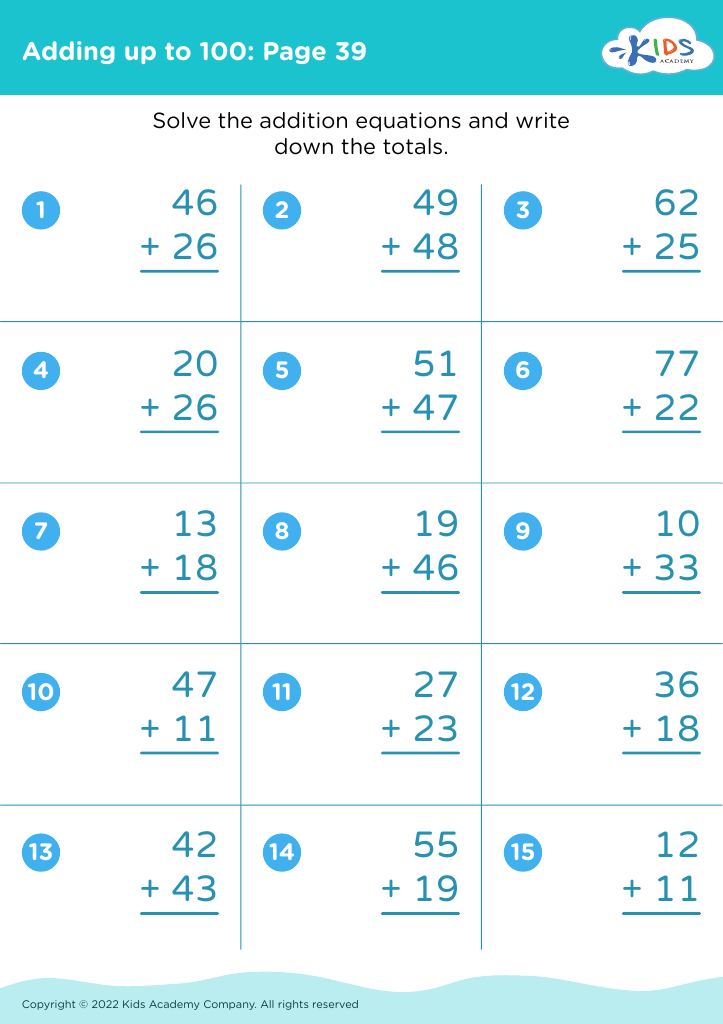
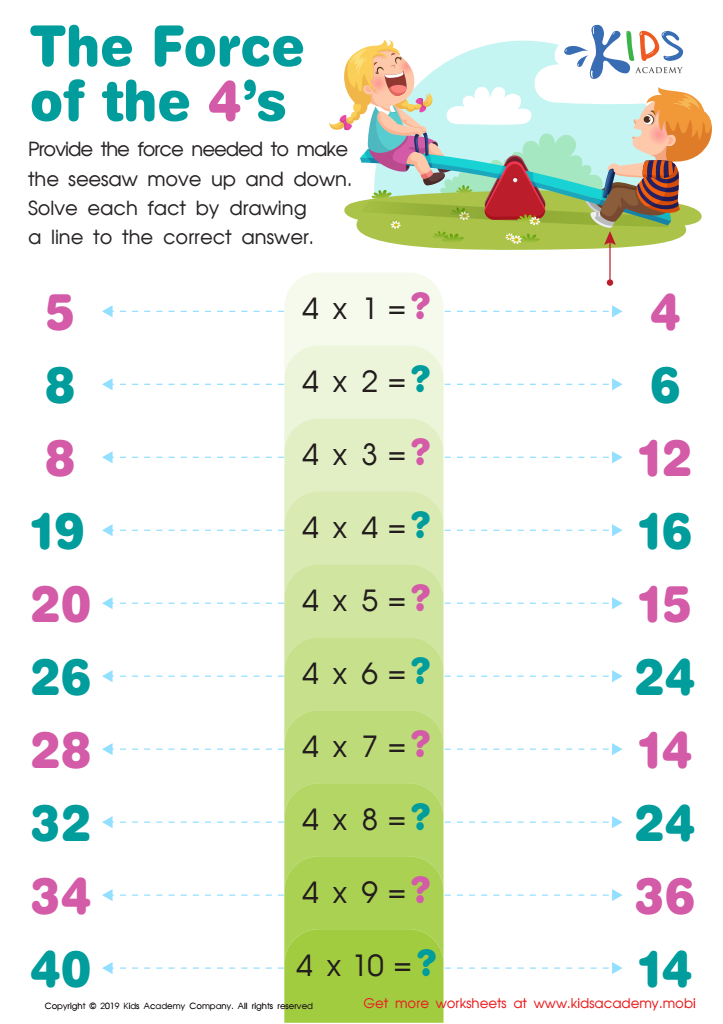
The Force of the 4's Worksheet
 Assign to My Students
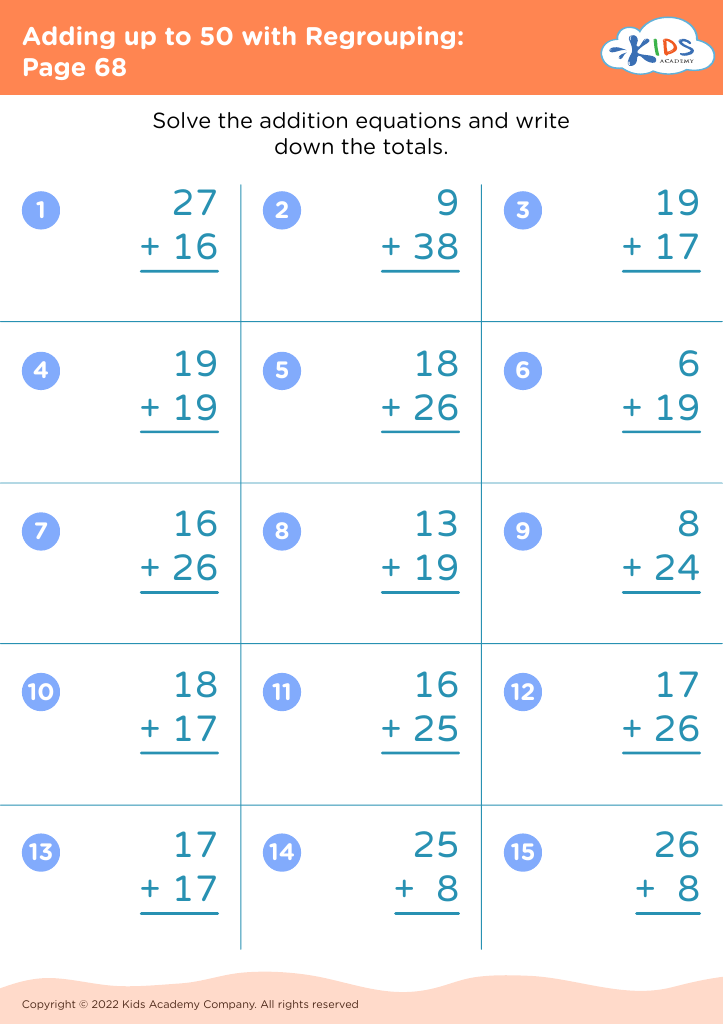
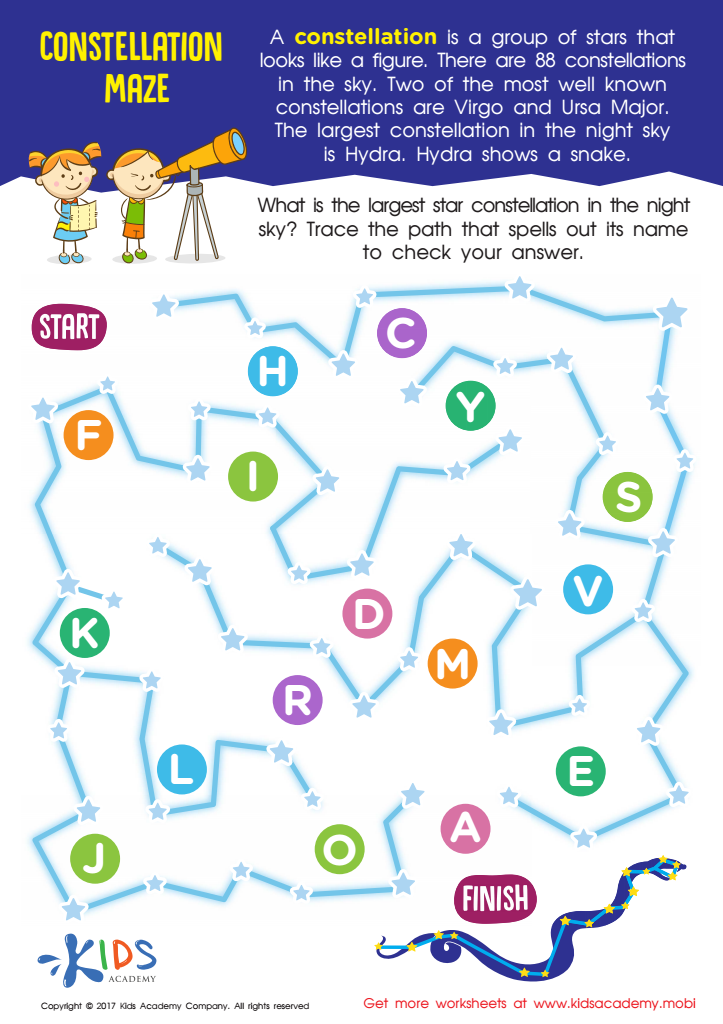
Constellations Worksheet






Improving observational skills in children aged 8-9 is essential for fostering their cognitive development and enhancing their learning experiences. At this age, children are becoming more aware of their surroundings and developing the ability to analyze and interpret information. Strong observational skills enable them to notice details, make connections, and form predictions, which are critical for subjects like science, art, and literature.
Parents and teachers play a crucial role in nurturing these skills, as they help children become more engaged and curious learners. For example, by encouraging children to observe changes in nature or detail in stories, adults can enhance their critical thinking and analytical abilities. Additionally, improved observational skills can lead to better social interactions, as children learn to recognize non-verbal cues and emotions in others, fostering empathy and cooperation.
Furthermore, these skills support problem-solving abilities, allowing children to tackle challenges more effectively in both academic and real-world situations. Ultimately, by prioritizing the development of observational skills, parents and teachers can not only enrich children's educational journeys but also prepare them for lifelong learning and meaningful relationships.








