
Learning number patterns Worksheets for Ages 8-9
3 filtered results
Difficulty Level
Grade
Age
-
From - To
Subject
Activity
Standards
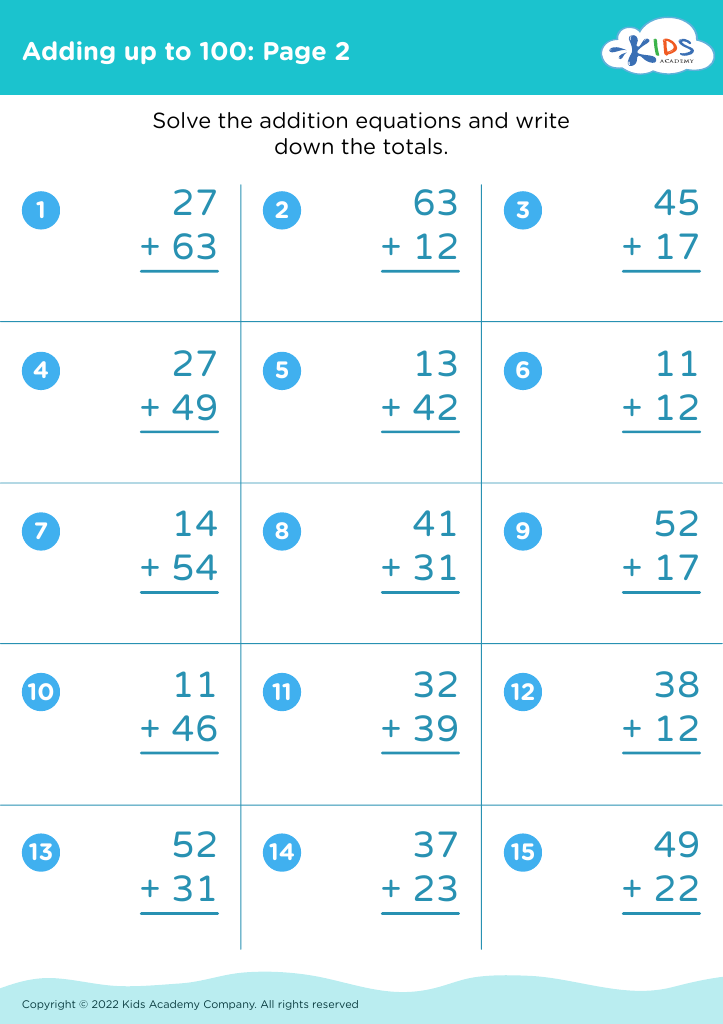
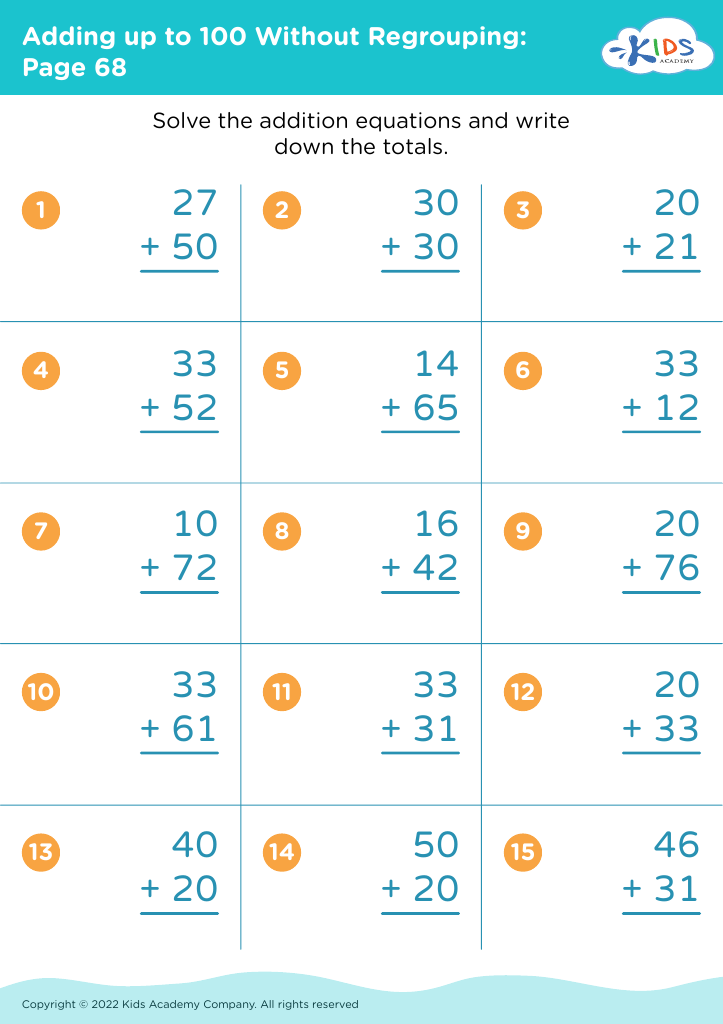
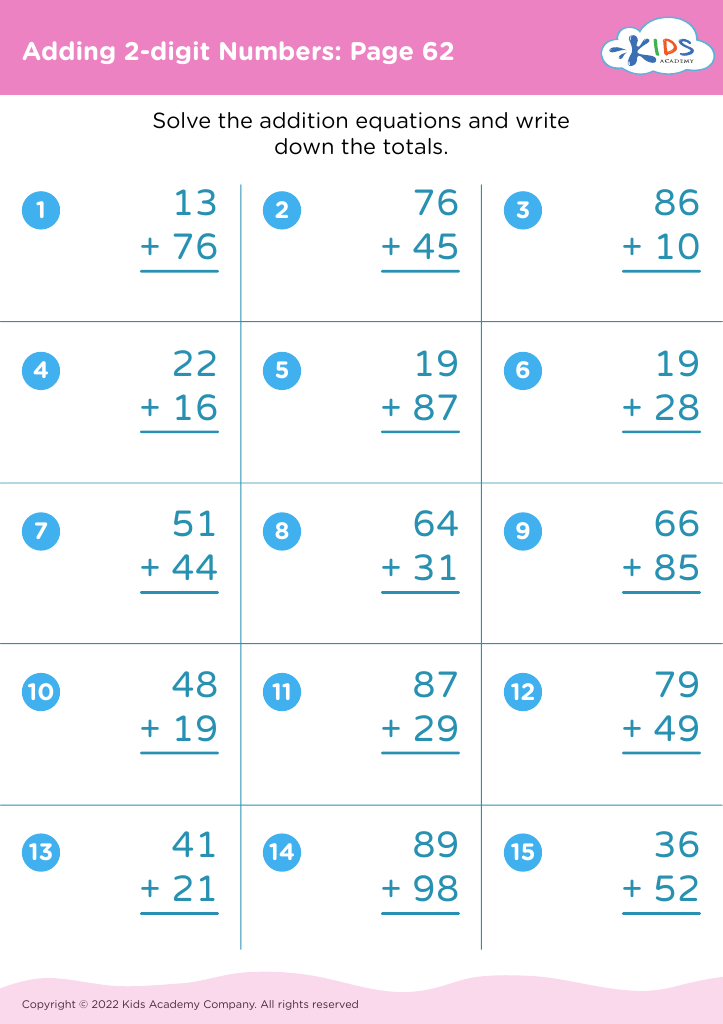
Discover our engaging Learning Number Patterns Worksheets designed specifically for ages 8-9! These interactive resources help young learners master essential math skills through fun and challenging exercises. By exploring various number sequences, kids will enhance their problem-solving and critical thinking abilities while building confidence in their numerical understanding. Our worksheets are designed to align with educational standards, making them perfect for classroom use or at-home practice. With a variety of formats and levels of difficulty, these worksheets will inspire creativity as students recognize patterns and relationships in numbers. Get started today to make math an enjoyable experience for your child!
Favorites
With answer key
Interactive
Join Kids Academy for Free
Who is primarily going to use this learning content?







Learning number patterns is critical for children aged 8-9 as they form the foundation for higher-level mathematical concepts. During this developmental stage, kids enhance their critical thinking and problem-solving skills, which are essential for future academic success. Number patterns help children recognize relationships between numbers, paving the way for understanding multiplication, division, and even algebra later on.
Moreover, engaging with patterns fosters logical reasoning and enhances their ability to think abstractly. It allows children to make predictions and understand the concept of sequential thinking, which is applicable in mathematics and real-life situations. Patterns also promote number fluency, making math less daunting and more enjoyable.
By encouraging exploration of number patterns, parents and teachers can help students develop a positive attitude toward math, leading to increased confidence and enthusiasm for learning. Recognizing and appreciating patterns can transform students into lifelong learners and thinkers, equipped to approach complex problems in various fields beyond just mathematics.
In summary, caring about number patterns today means investing in children’s cognitive development, ensuring they have a strong mathematical foundation for their academic journeys.








