Letter-sound association Worksheets for Ages 8-9
7 filtered results
-
From - To
Boost your child's reading abilities with our engaging Letter-Sound Association Worksheets designed specifically for ages 8-9! These worksheets offer a fun and interactive way for kids to connect letters with their corresponding sounds, enhancing phonemic awareness and vocabulary. Our carefully crafted exercises include matching letters with pictures, filling in missing sounds, and identifying beginning and ending sounds in words. Perfect for home or classroom use, these worksheets help build a strong foundation in literacy and pave the way for reading success. Download our printable resources today and make learning enjoyable as your child develops essential reading skills!
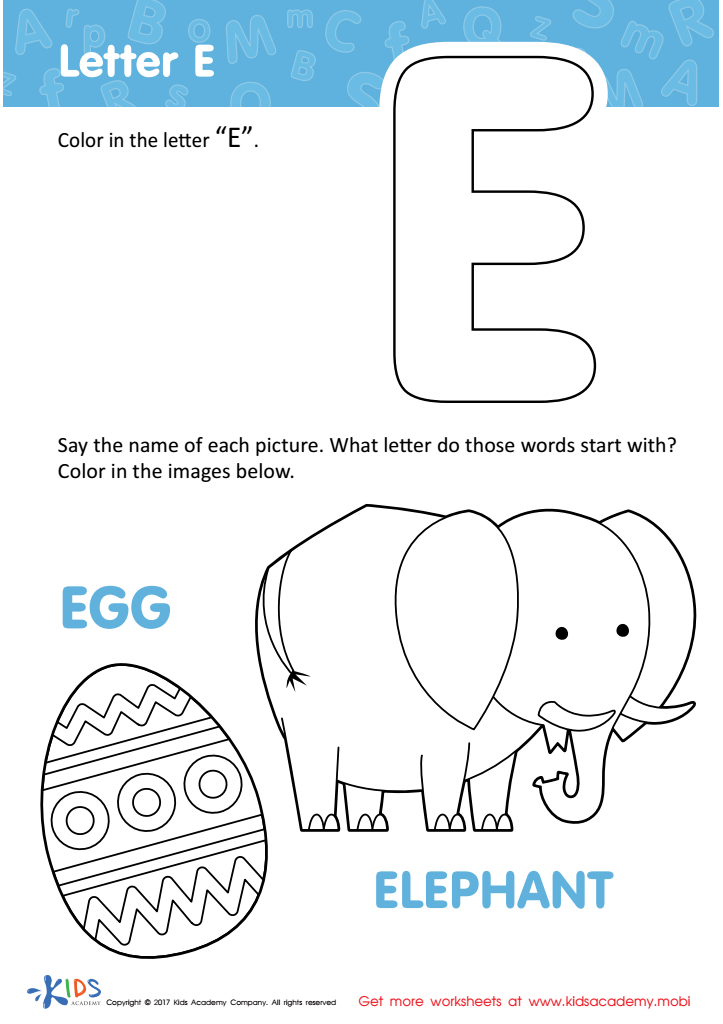
Letter E Coloring Sheet
 Assign to My Students
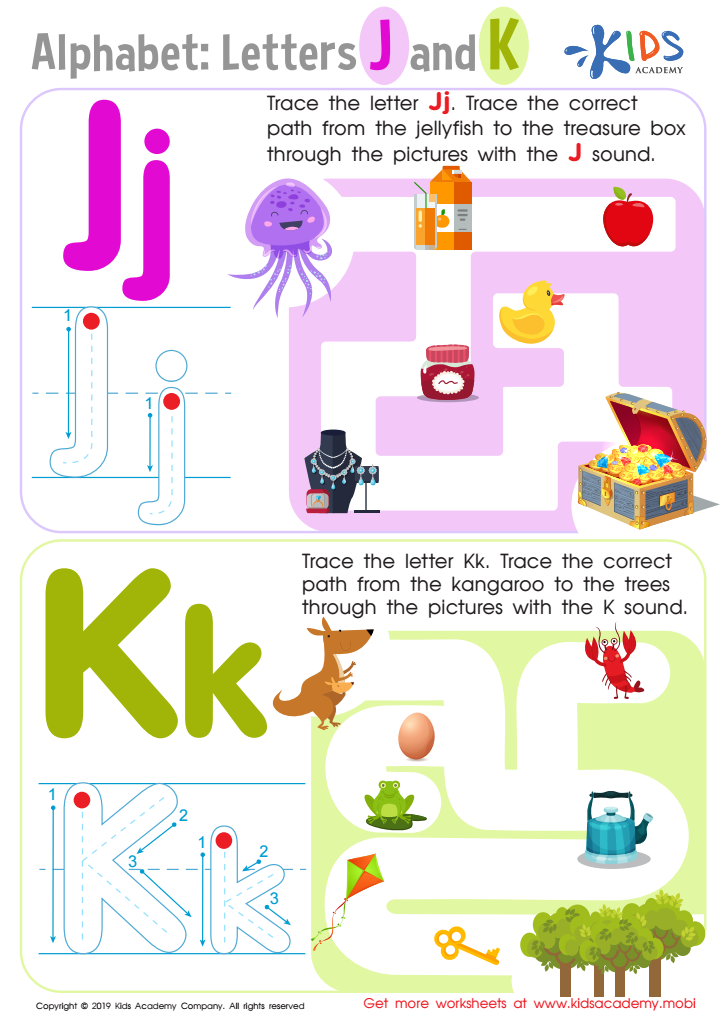
Letters J and K Tracing Worksheet
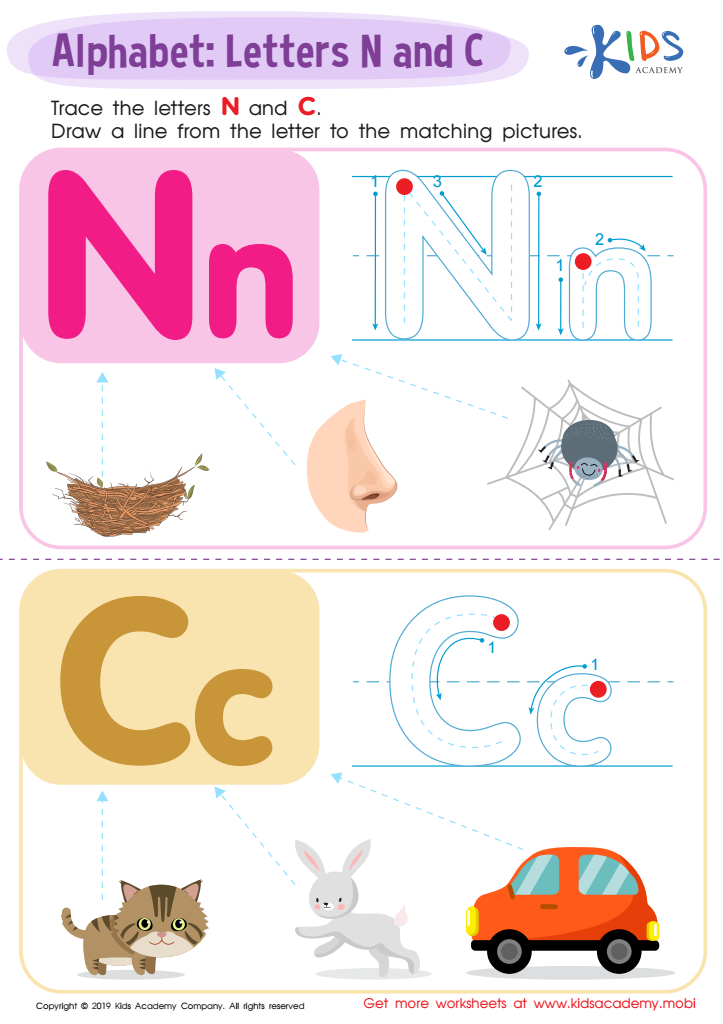
Letter N and C Tracing Worksheet
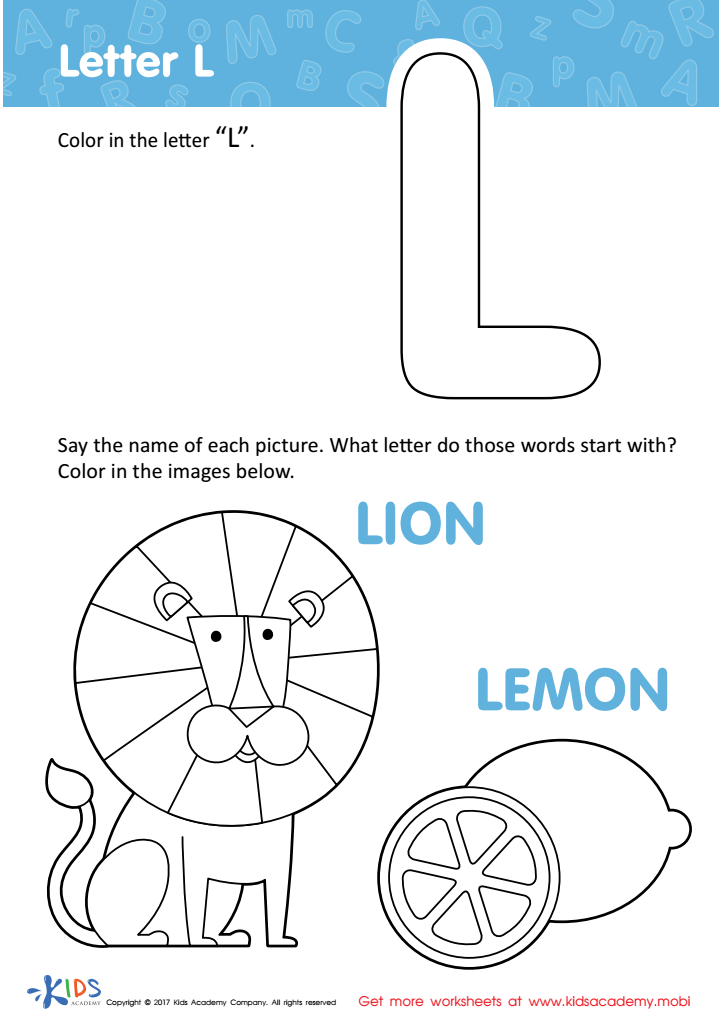
Letter L Coloring Sheet
Assign to My Students
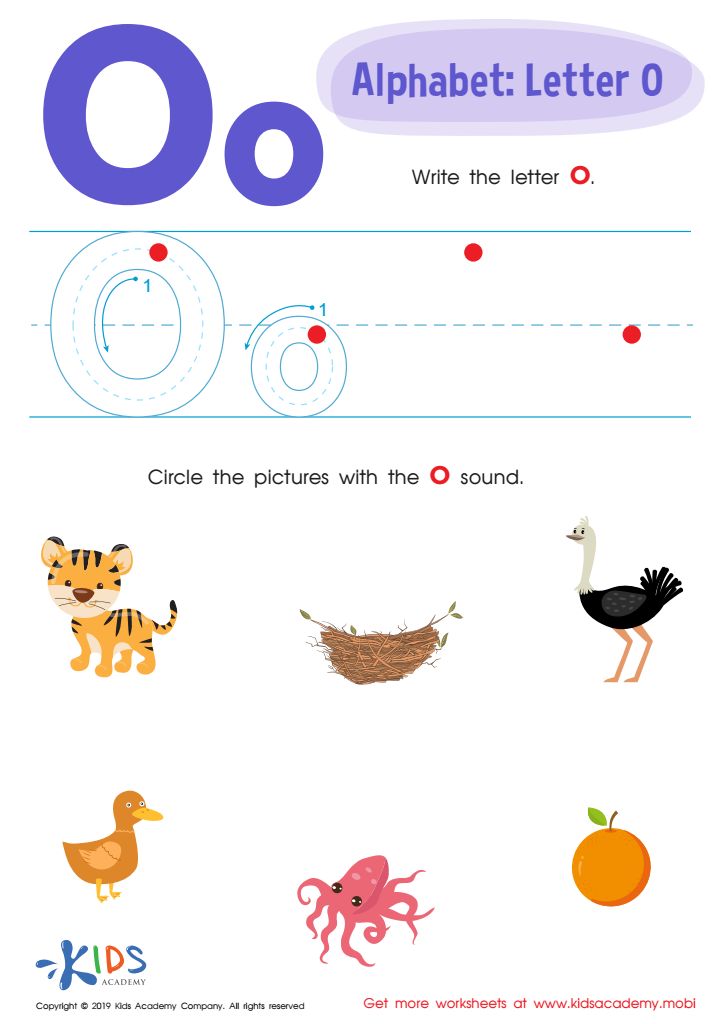
Letter O Tracing Worksheet
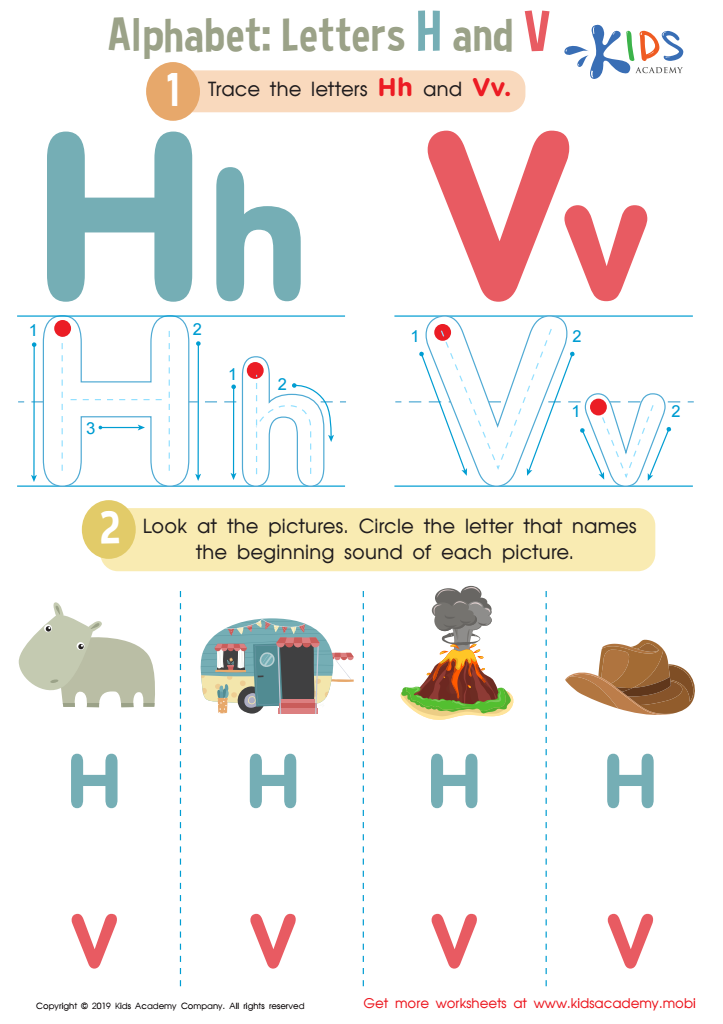
Letters H and V Tracing Worksheet





.jpg)


Letter-sound association is crucial for children aged 8-9 as it forms the foundation of their reading and writing skills. At this stage, children consolidate their understanding of phonics, which enables them to decode new words, improve comprehension, and foster a love for reading. Mastery of letter-sound relationships empowers students to explore different texts independently, enhancing their vocabulary and overall language development.
Additionally, understanding letter-sound associations contributes to significant academic growth in other subjects. Proficient reading skills are linked to higher achievement in science, math, and social studies. When parents and teachers prioritize these foundational skills, they set children on a path to greater academic success and increased self-confidence.
Moreover, fostering a strong letter-sound connection builds resilient learners. Children who struggle with reading can easily become frustrated or disengaged with learning. By providing consistent support and practice in letter-sound association, adults can help mitigate these challenges, keeping students motivated and eager to explore new concepts.
Ultimately, focusing on letter-sound associations not only equips children with vital literacy skills, but also nurtures their curiosity and passion for learning, which benefits them long beyond their early educational experiences.








