Logical Reasoning Worksheets for Ages 8-9 - Page 2
27 filtered results
-
From - To
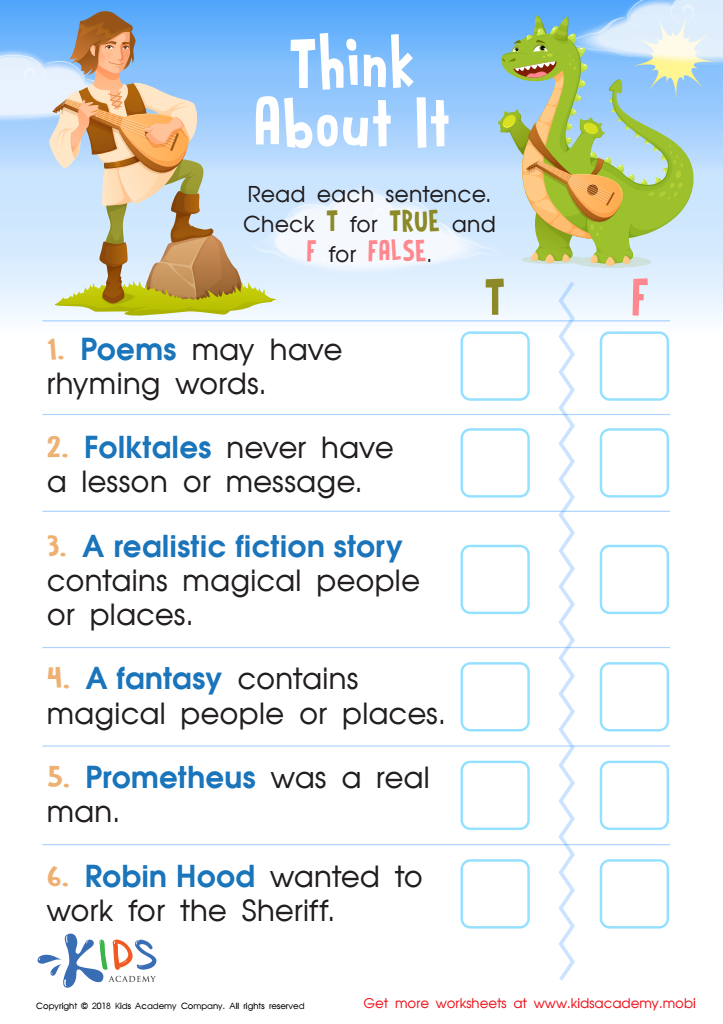
Think About It: Assessment Worksheet
 Assign to My Students
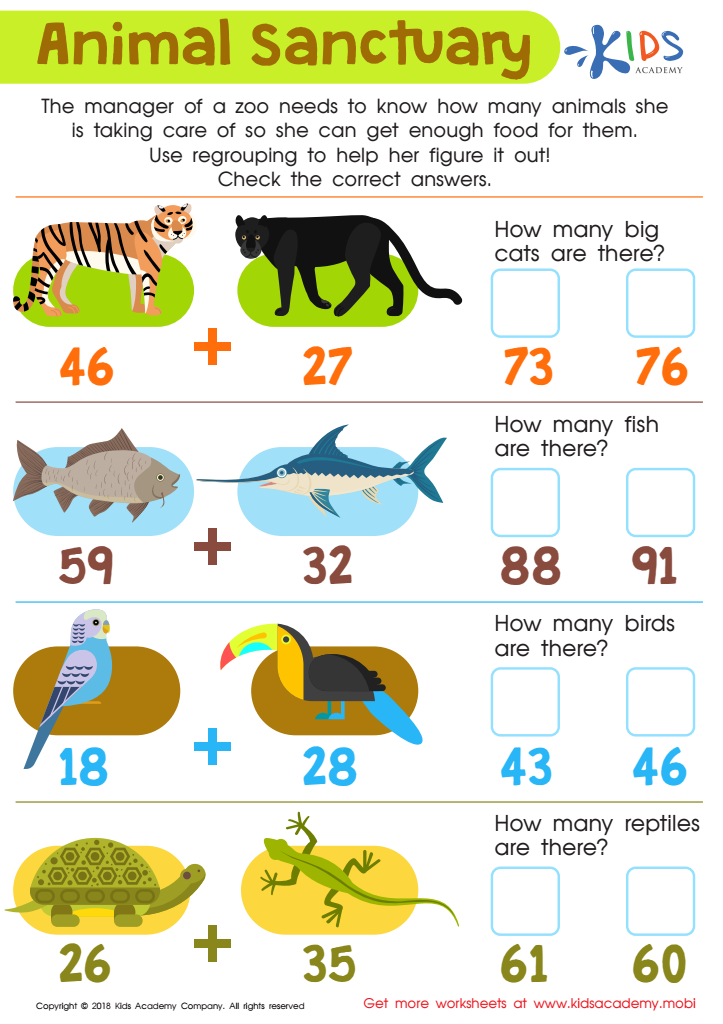
Animal Sanctuary Worksheet







Logical reasoning skills are essential for children aged 8-9, as they serve as the foundation for critical thinking and problem-solving. At this stage, children begin to transition from concrete operational thinking to more abstract reasoning. Parents and teachers should care about logical reasoning because it enhances a child's ability to understand complex concepts, make connections, and draw conclusions based on evidence.
Engaging in logical reasoning activities helps promote cognitive development and boosts academic performance across subjects, especially math and science. When children learn to think logically, they become more adept at addressing everyday challenges, allowing them to approach problems systematically rather than impulsively.
Furthermore, these skills are crucial for fostering effective communication and collaboration. Children learn to construct and comprehend arguments, analyze different viewpoints, and clarify their thoughts—a vital aspect of interpersonal interactions and social development.
Moreover, instilling strong logical reasoning skills at this age can positively impact future educational opportunities and career paths. By nurturing these skills, parents and teachers not only equip children to tackle academic challenges but also prepare them for life’s complexities, encouraging a mindset geared toward lifelong learning and adaptability. Overall, investing time and effort into developing logical reasoning pays dividends in various aspects of a child’s life.








