Mathematics skills Worksheets for Ages 8-9
3 filtered results
-
From - To
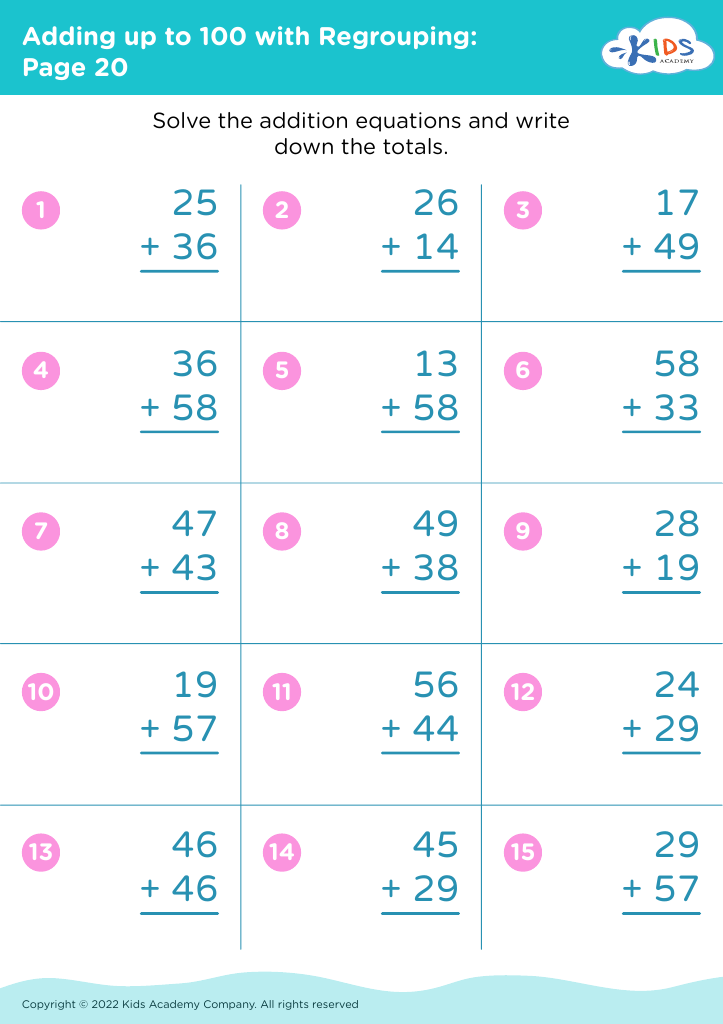
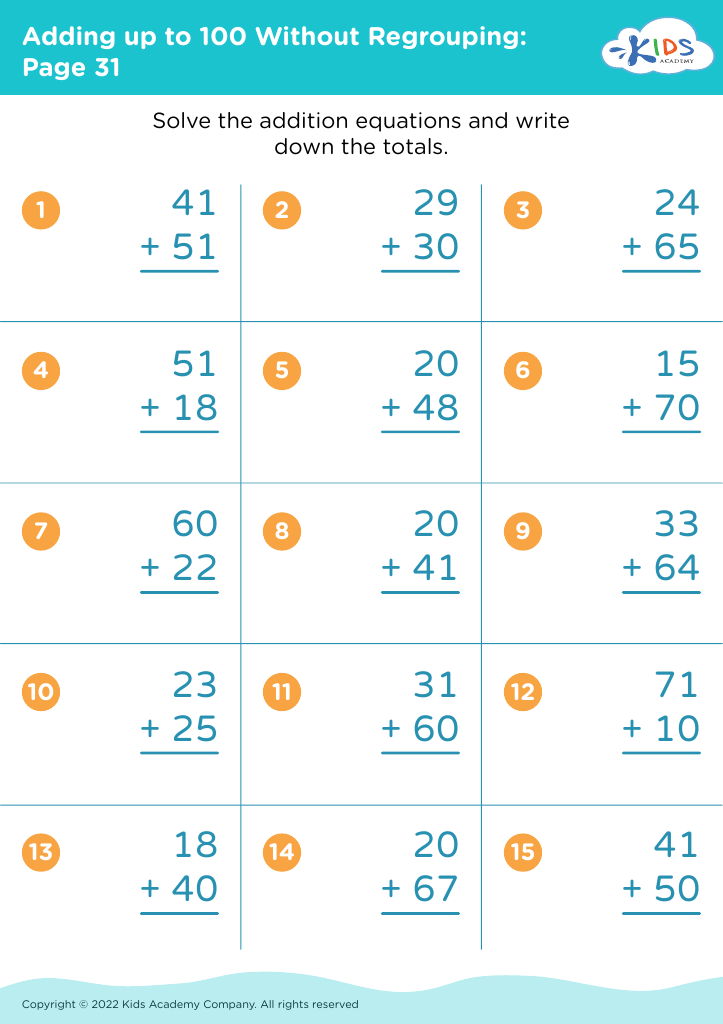
Discover our engaging Mathematics Skills Worksheets designed specifically for children ages 8-9! Perfect for enhancing math proficiency, our comprehensive resources include a variety of engaging problems that cover fundamental concepts like addition, subtraction, multiplication, and division. Each worksheet is thoughtfully crafted to foster critical thinking and problem-solving abilities, ensuring that learning is both fun and effective. Whether used in the classroom or at home, these printable worksheets provide valuable practice to reinforce key skills. Empower your child's mathematical journey with our user-friendly materials, tailored to inspire confidence and competence in math success! Explore the collection now and watch their skills flourish!
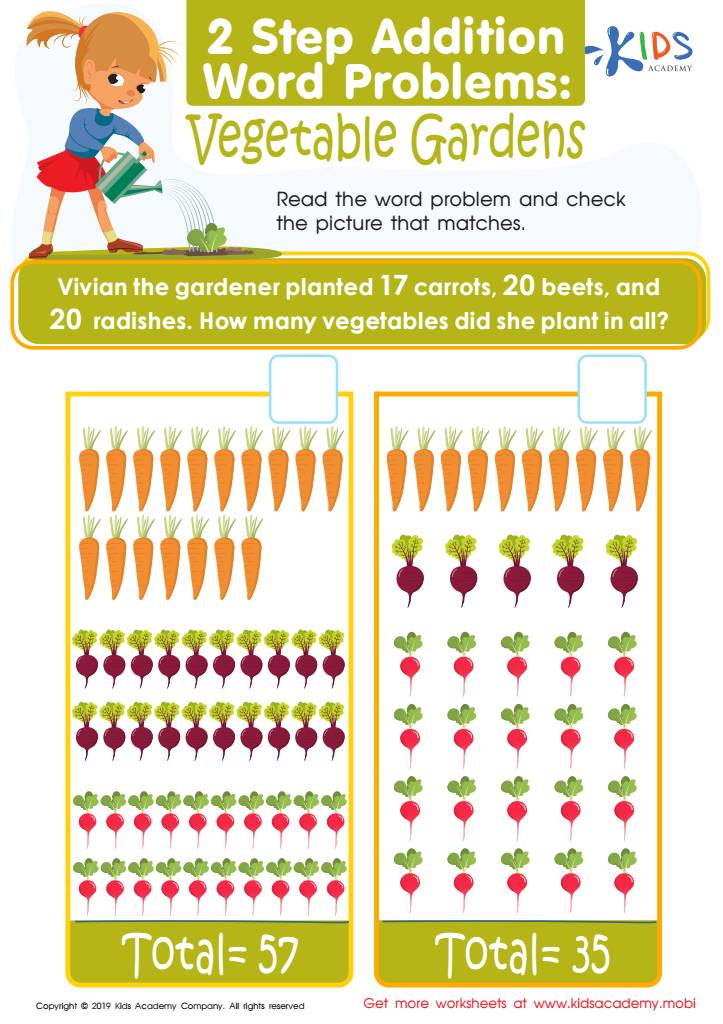
Vegetable Gardens Worksheet
 Assign to My Students








Mathematics skills for children aged 8-9 are crucial for their cognitive development and overall academic success. At this age, students typically transition from learning basic arithmetic to applying mathematical concepts in real-world situations. Strong math skills foster critical thinking, logical reasoning, and problem-solving abilities, all of which are foundational for future learning in various subjects, including science and economics.
Parents and teachers should prioritize math skills because this age is pivotal for developing confidence and a positive attitude toward mathematics. Early struggles can lead to anxiety and aversion to the subject, impacting a child's educational journey. Additionally, math literacy is essential in our increasingly data-oriented world; ensuring that children can analyze and interpret information is vital for their future success.
Moreover, math skills extend beyond the classroom. They help children manage finances, make informed decisions, and understand concepts in technology and engineering fields. By emphasizing mathematics during this formative phase, parents and teachers lay the groundwork for lifelong learning and problem-solving capacities. Supporting math education opens doors to opportunities, equipping children with the tools necessary for academic and vocational success in an ever-evolving landscape.








