
Numerical problem solving Worksheets for Ages 8-9
3 filtered results
Difficulty Level
Grade
Age
-
From - To
Subject
Activity
Standards
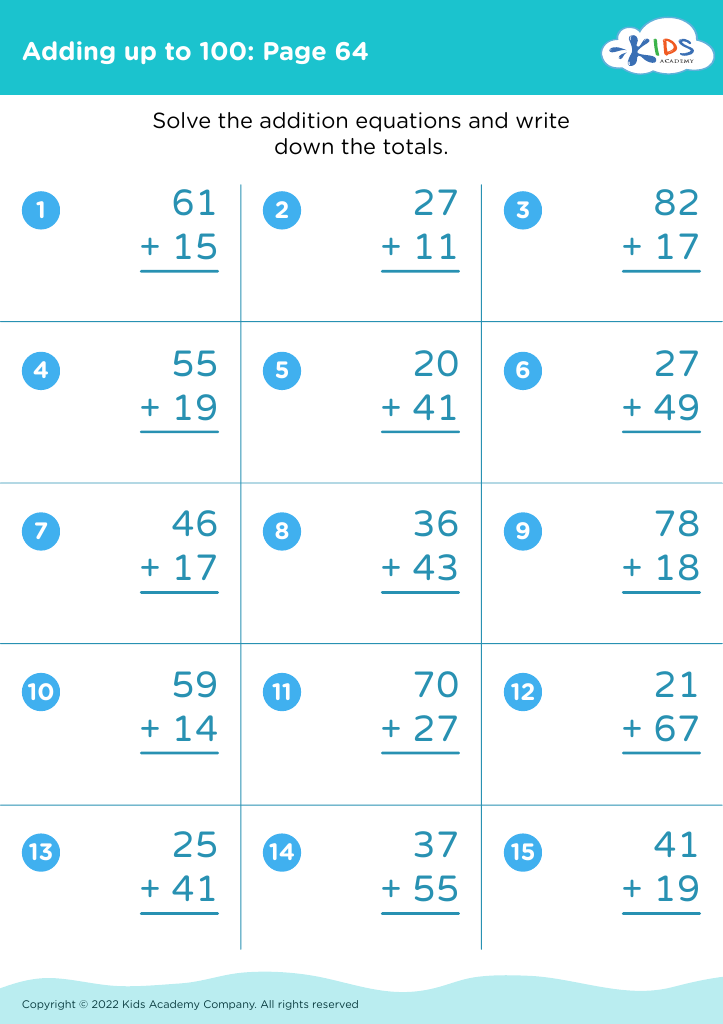
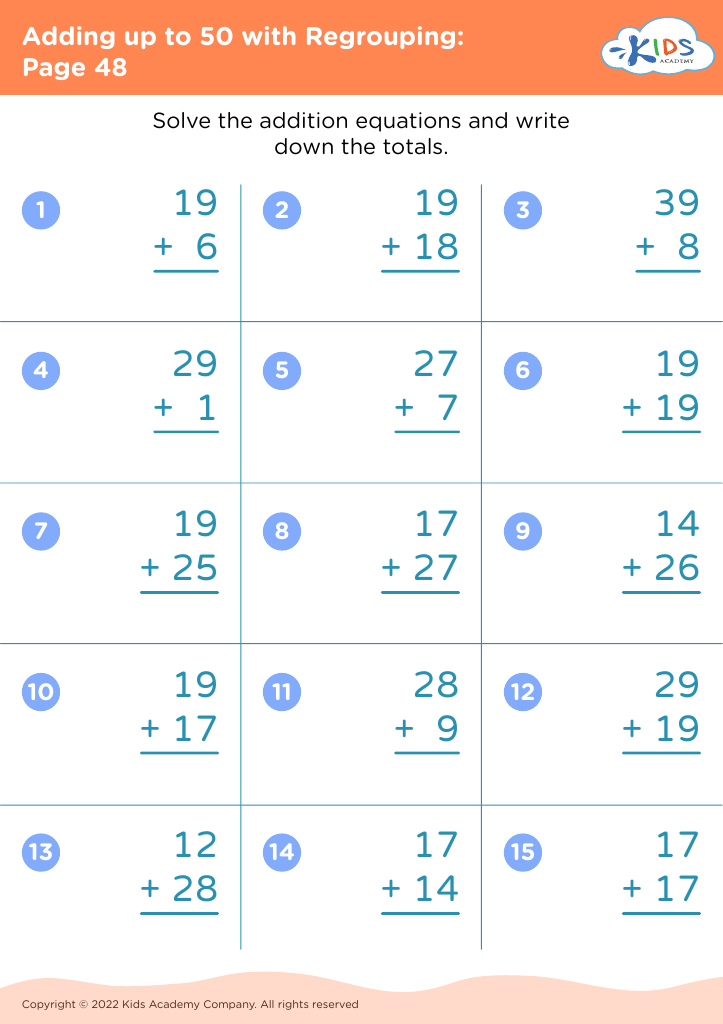
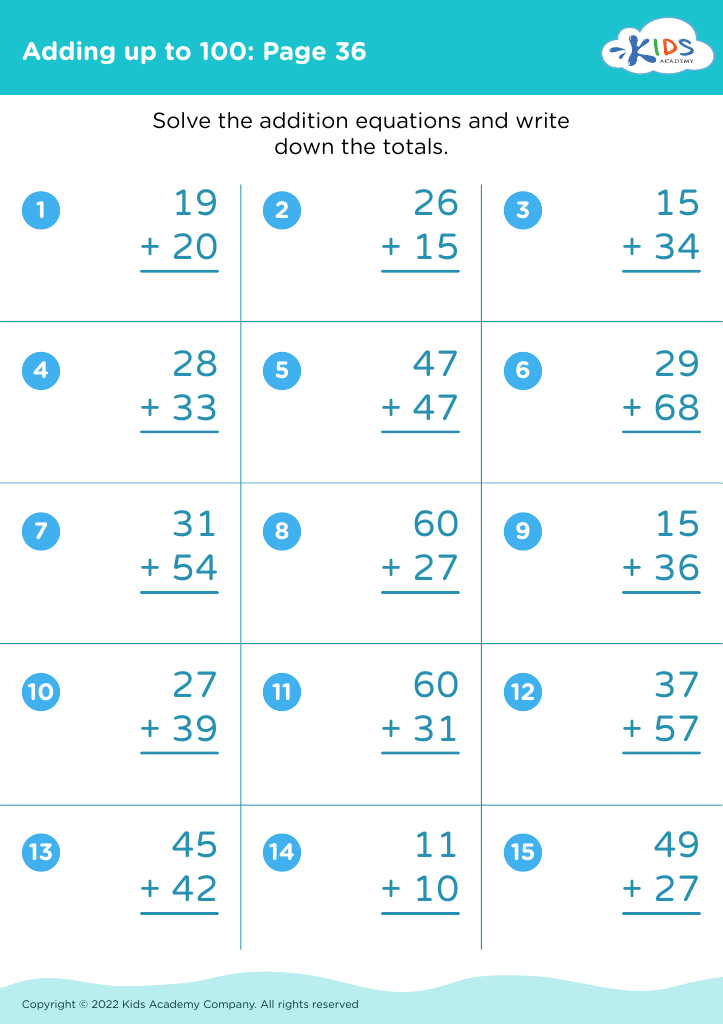
Unlock your child's potential with our Numerical Problem Solving Worksheets for Ages 8-9! Designed to enhance critical thinking and mathematical skills, these worksheets offer engaging and educational exercises tailored to young learners. With a focus on addition, subtraction, multiplication, and division, each worksheet helps build confidence and proficiency in problem-solving. Colorful illustrations and real-world scenarios make learning fun and relatable. Perfect for classroom or home use, these resources support key curriculum goals and standards, ensuring your child excels and enjoys mathematics. Discover a smart and enjoyable approach to math today!
Favorites
With answer key
Interactive
Join Kids Academy for Free
Who is primarily going to use this learning content?






Numerical problem-solving is a crucial skill for children aged 8-9 for multiple reasons. At this developmental stage, kids are transitioning from basic arithmetic to more complex mathematical concepts, preparing them for future academic success. By fostering numerical problem-solving skills, parents and teachers help solidify a strong mathematical foundation. This period is vital for cognitive development, as children's brains are highly adaptable, making it easier for them to grasp and retain new information.
Additionally, numerical problem-solving enhances critical thinking and analytical abilities. Children learn how to approach problems methodically, breaking them down into smaller, manageable parts. This logical thinking process extends beyond math, benefiting other academic areas and daily life situations where structured problem-solving is essential.
Moreover, confidence is another important factor. When children successfully navigate numerical problems, their self-esteem grows, encouraging a positive attitude toward challenging tasks. This empowerment propels their motivation to tackle progressively difficult subjects.
Finally, numeracy skills are indispensable in today’s data-driven world. Early exposure ensures children become competent and comfortable with numbers, which is beneficial for future careers and in managing personal finances. For these compelling reasons, focusing on nurturing numerical problem-solving abilities in 8-9-year-olds is essential for their overall academic and personal development.








