Check out this FREE "Problem-solving abilities" Trial Lesson for age 8-9!

Getting out of Check (Capture, Protect, Run Away)

Favorites
With answer key
Interactive
  • 8-9
  • Problem-solving abilities
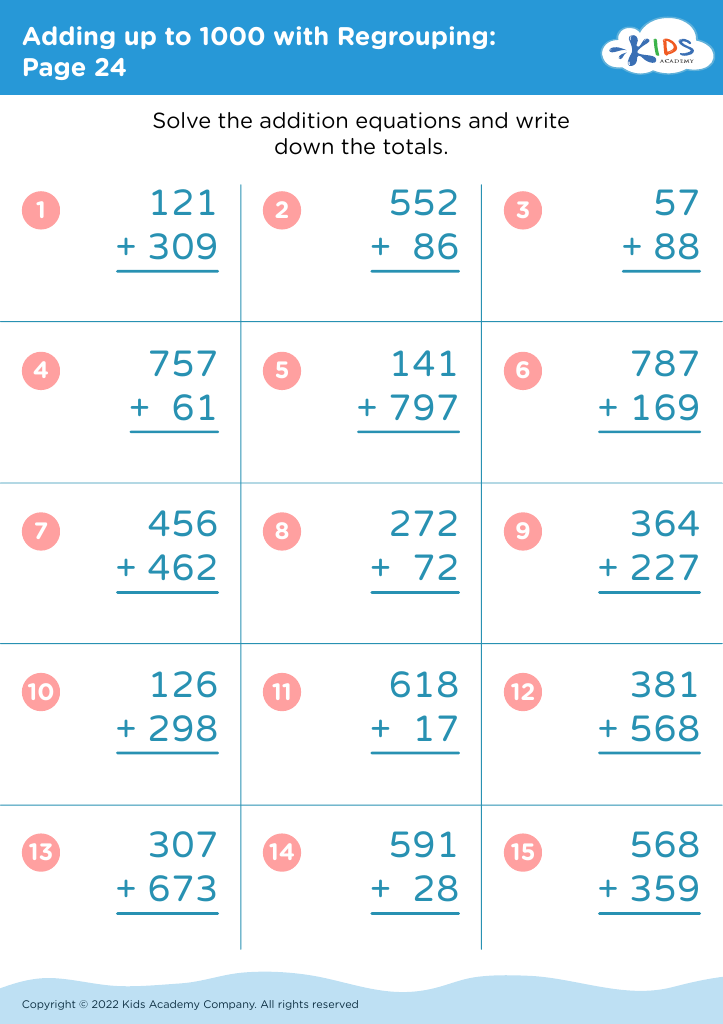
Adding up to 1000 with Regrouping: Page 24
Worksheet
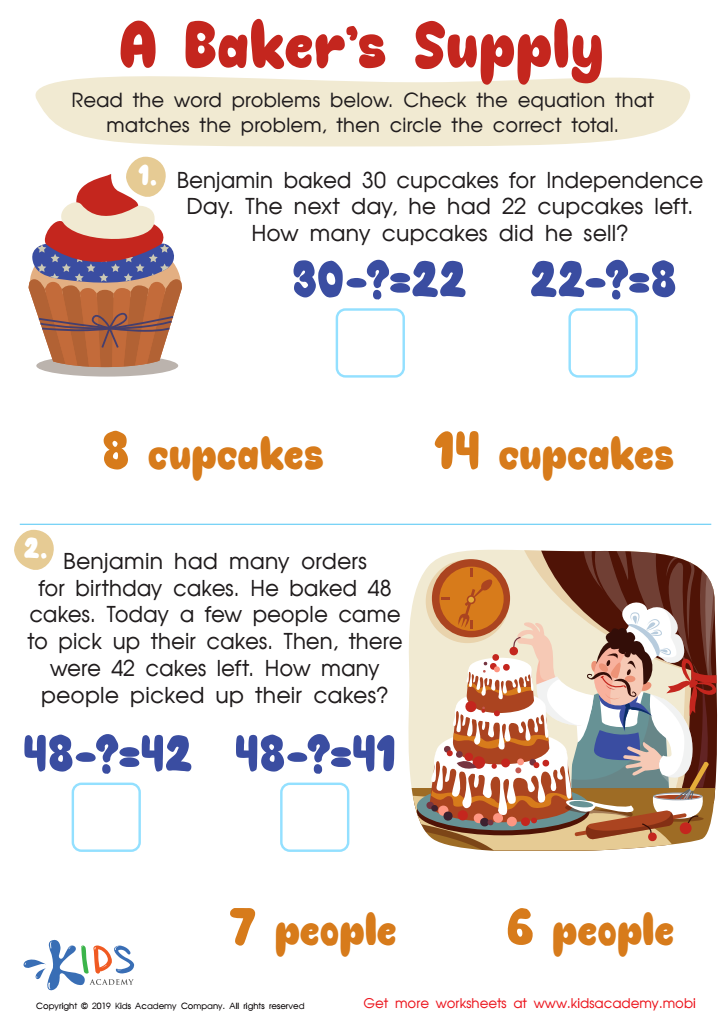
A Baker's Supply Worksheet

A Baker's Supply Worksheet

A visit to the baker's shop is thrilling! Your kids will love it! From scrumptious goodies to the mouthwatering aroma, it's a magical experience. Ask your kids what they're most eager to see and do. Now, read the word problems in this worksheet to them. Help them choose the correct answer for each problem and circle the correct total.
A Baker's Supply Worksheet
Worksheet
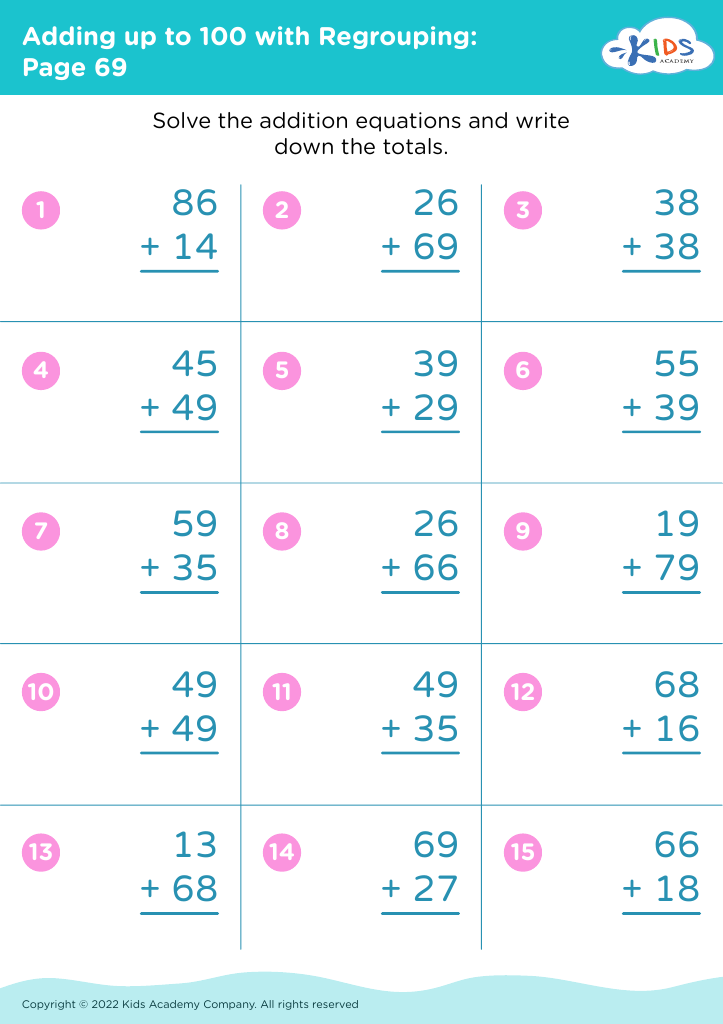
Adding up to 100 with Regrouping: Page 69
Worksheet
Line plot worksheet for 2nd grade

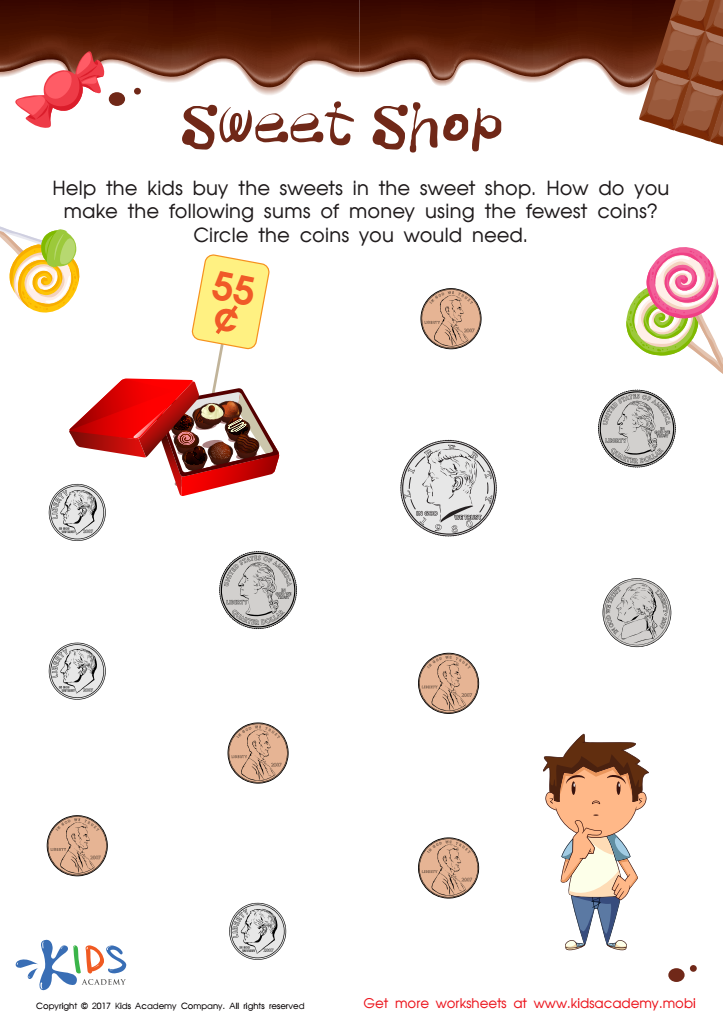
Sweet Shop – Counting Coins Worksheet
Help your child get ready to buy sweet treats with this coin counting worksheet. It'll challenge them to use the fewest coins possible. With knowledge of coin values, they'll work out the right combination to get the sweets!
Sweet Shop – Counting Coins Worksheet
Worksheet
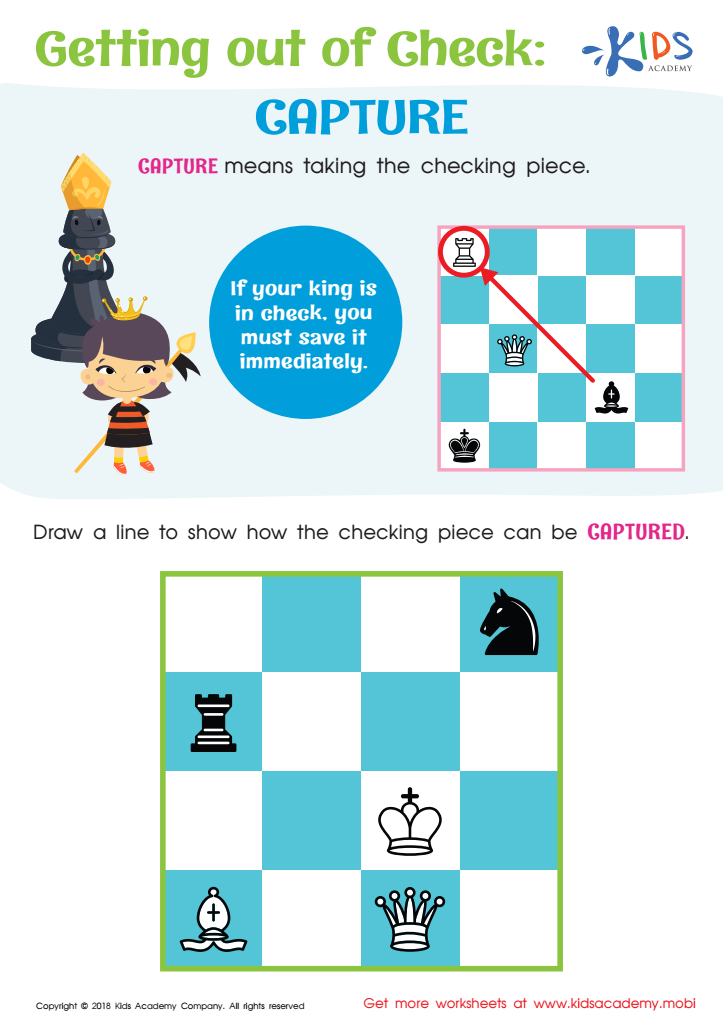
Getting out of Check: Capture

Getting out of Check: Capture

Kids love chess because it combines strategy and the thrill of outwitting their opponents! This free chess strategy worksheet teaches kids how to protect and capture the threatening piece when their king is in danger. The downloadable includes sample boards to practice with. Get it today and have your chess whiz mastering the game in no time!
Getting out of Check: Capture
Worksheet
Grade 2 Sight Words: Gave

Grade 2 Sight Words: Gave

Grade 2 Sight Words: Gave
Worksheet


Parents and teachers should prioritize problem-solving abilities for children aged 8-9 because these skills lay the groundwork for academic success and everyday life. At this age, children begin to develop more complex thinking skills, moving from concrete to abstract reasoning. Enhancing their problem-solving abilities fosters critical thinking, enabling them to analyze situations, identify solutions, and make informed decisions.

Building strong problem-solving skills aids in subjects like math and science, where logic and analytical thinking are essential. Children learn to approach puzzles and challenges systematically, developing persistence and resilience when facing difficulties—skills that are invaluable throughout life. Moreover, effective problem-solvers are often better collaborators, as they learn to communicate ideas, negotiate, and work well in groups.

Beyond academics, problem-solving abilities empower children to navigate social situations, resolve conflicts, and handle daily challenges with confidence. By emphasizing these skills, parents and teachers can help children become independent thinkers who are prepared to face future challenges. Nurturing problem-solving abilities in young learners not only contributes to their educational development but also fosters essential life skills that will benefit them throughout their journey into adulthood.