Understanding ecosystems Worksheets for Ages 8-9
4 filtered results
-
From - To
Explore the wonders of nature with our "Understanding Ecosystems Worksheets" designed for children aged 8-9. These engaging worksheets help young learners grasp key concepts about ecosystems, biodiversity, and the interdependence of living organisms. Through interactive activities and thought-provoking questions, students will discover the roles of producers, consumers, and decomposers, as well as the impact of environmental changes on various habitats. Ideal for reinforcing classroom lessons or for home learning, these resources foster critical thinking and encourage a lifelong appreciation for the natural world. Download and inspire your child's curiosity about ecosystems today!
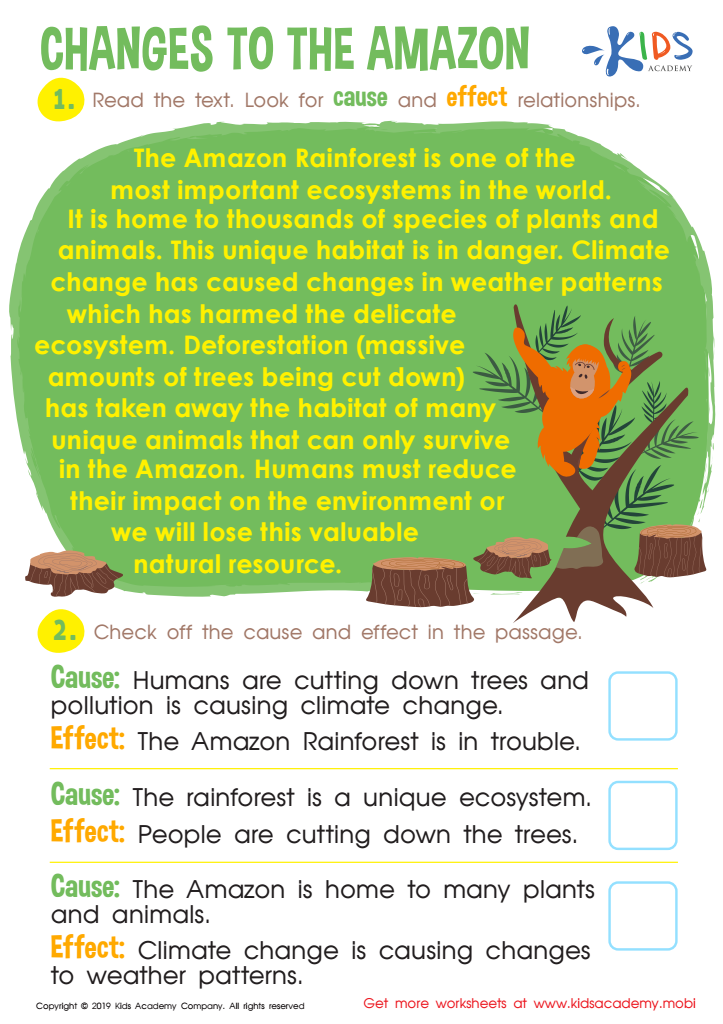
Changes to the Amazon Worksheet
 Assign to My Students
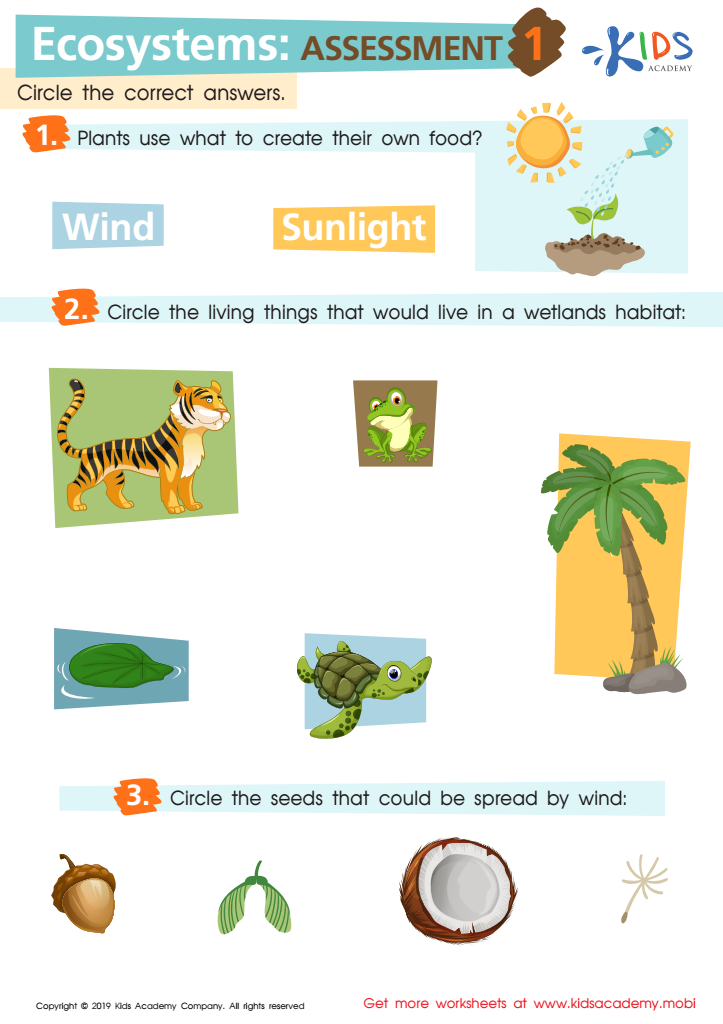
Ecosystems: Assessment 1 Worksheet
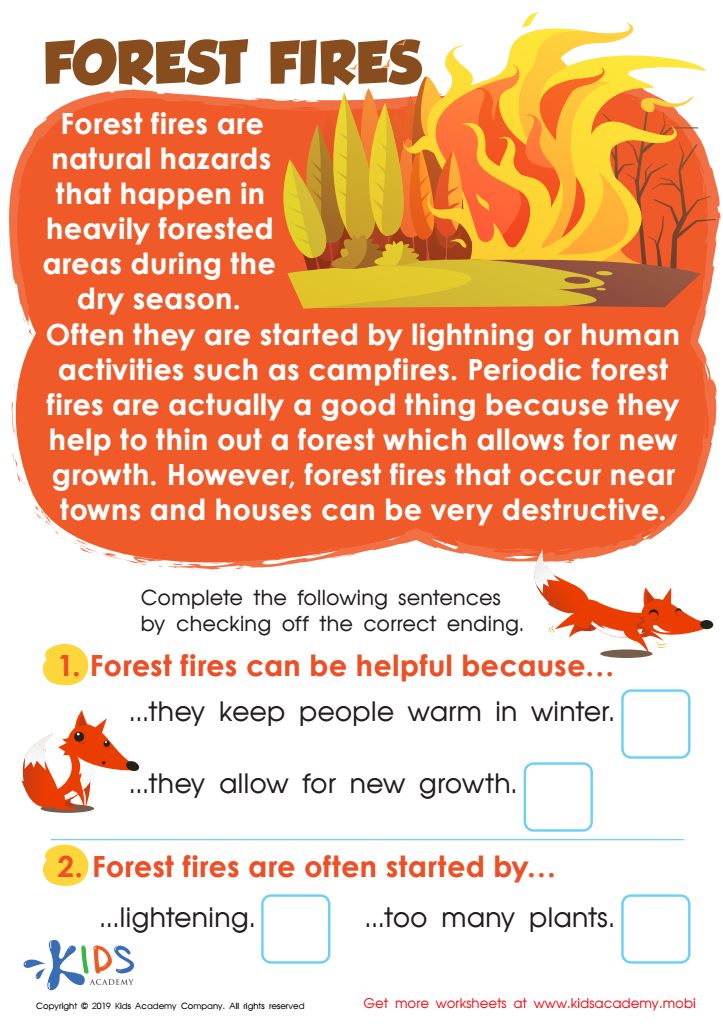
Forest Fires Worksheet
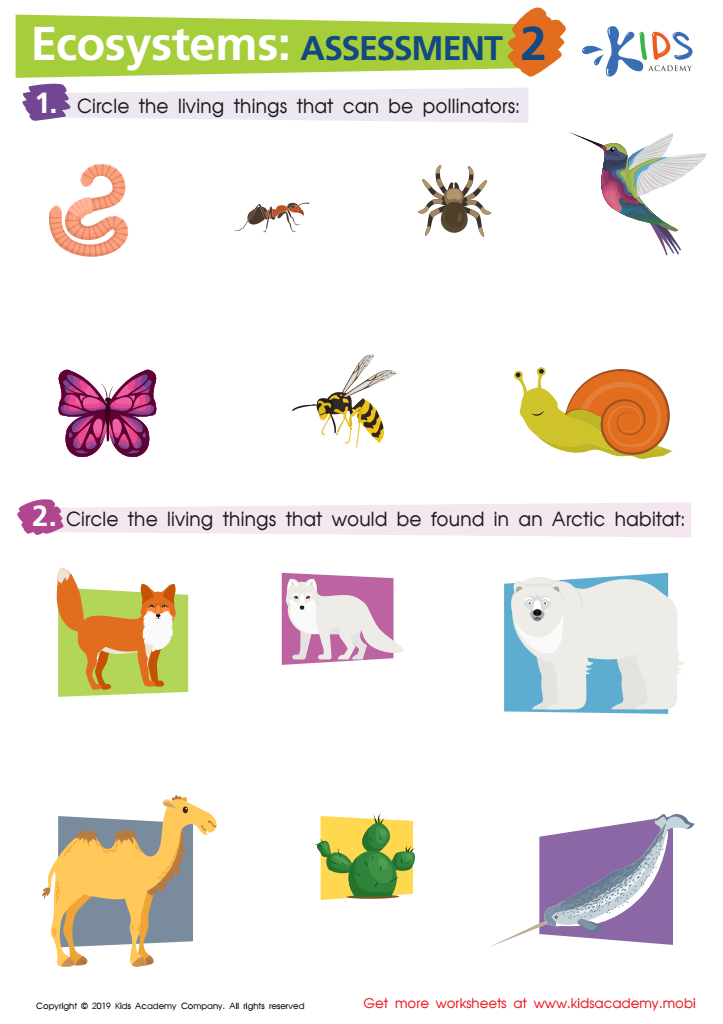
Ecosystems: Assessment 2 Worksheet


.jpg)





Understanding ecosystems is crucial for children ages 8-9, as it lays the foundation for environmental awareness and responsibility. At this age, children are naturally curious about the world around them. Teaching them about ecosystems helps them learn how living organisms, including plants, animals, and humans, interact within their environments. This understanding fosters appreciation for biodiversity and the role each species plays in maintaining ecological balance.
Moreover, a foundational knowledge of ecosystems aids in developing critical thinking and problem-solving skills. Kids learn about food chains, habitats, and the effects of human actions on nature, encouraging them to think about sustainability and environmental protection. By connecting these concepts to real-world issues, such as climate change and pollution, teachers and parents can inspire children to become proactive environmental stewards in their communities.
Additionally, engaging children in activities related to ecosystems, like nature walks or school gardens, can enhance their social skills and teamwork, as they collaborate to observe and learn. Ultimately, instilling an understanding of ecosystems at this young age empowers students to make informed decisions, care for their environment, and nurture a lifelong love for nature, ensuring a healthier planet for future generations.








