Understanding time Worksheets for Ages 8-9
8 filtered results
-
From - To
Explore our engaging "Understanding Time" worksheets for children ages 8-9, designed to enhance their grasp of time concepts and improve essential skills. These worksheets feature captivating activities that help learners read analog and digital clocks, comprehend time intervals, and solve real-life time-related problems. Through fun exercises, kids get to practice scheduling daily activities and exploring time management, fostering independence and responsibility. Ideal for classroom or home use, our resources support diverse learning styles and reinforce time-telling skills in an interactive way. Get started today to help your child master the flow of time with confidence and excitement!
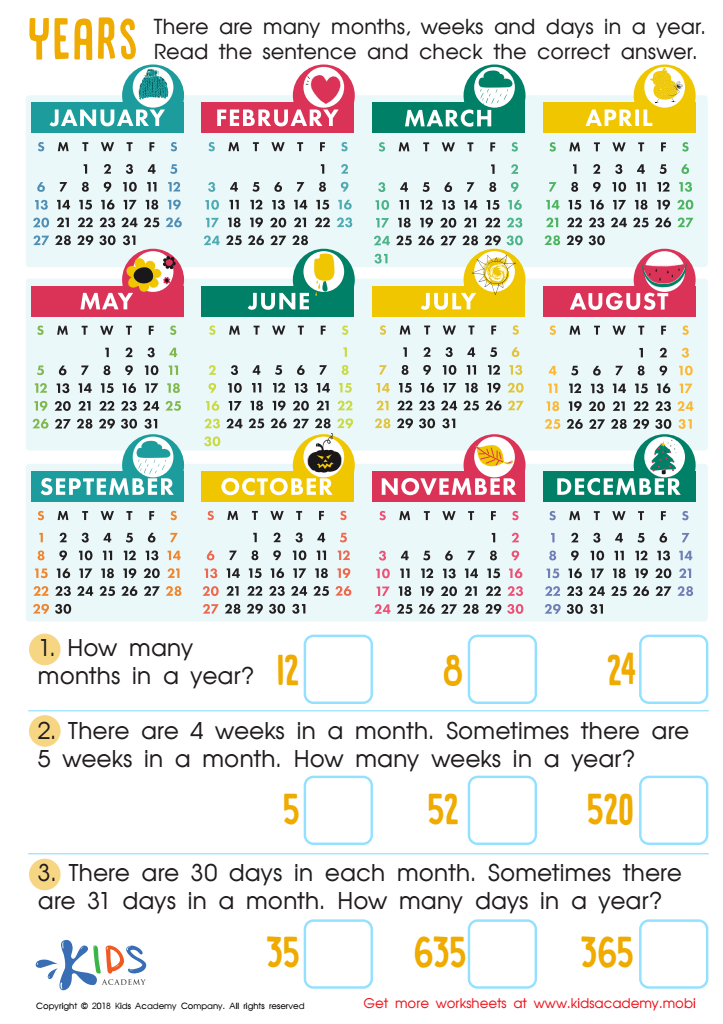
Years Worksheet
 Assign to My Students
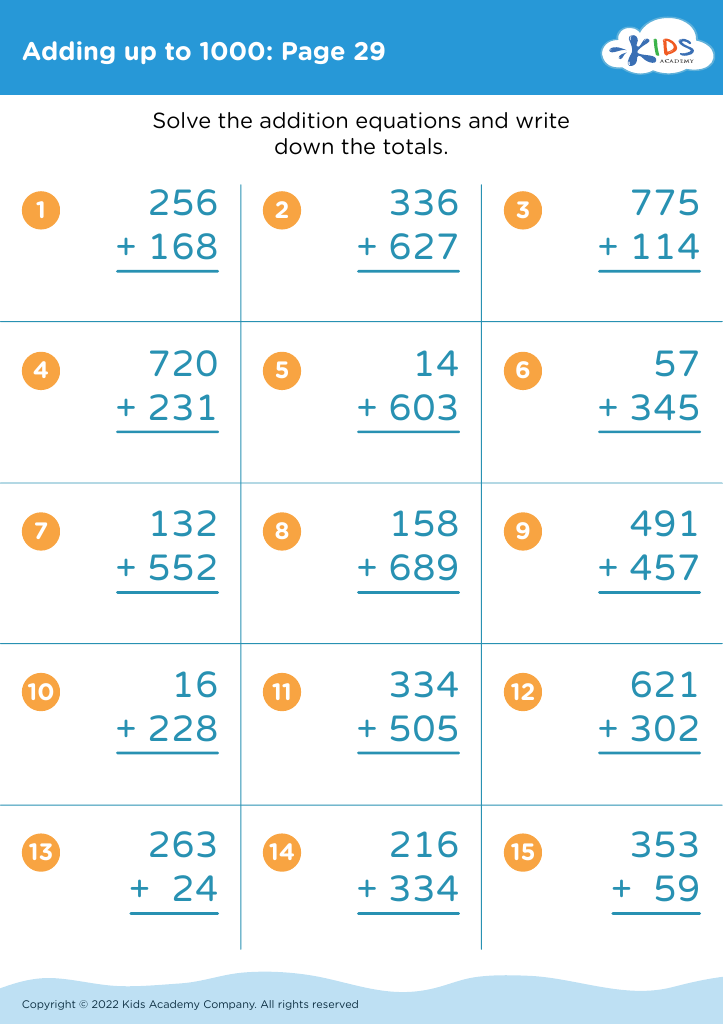
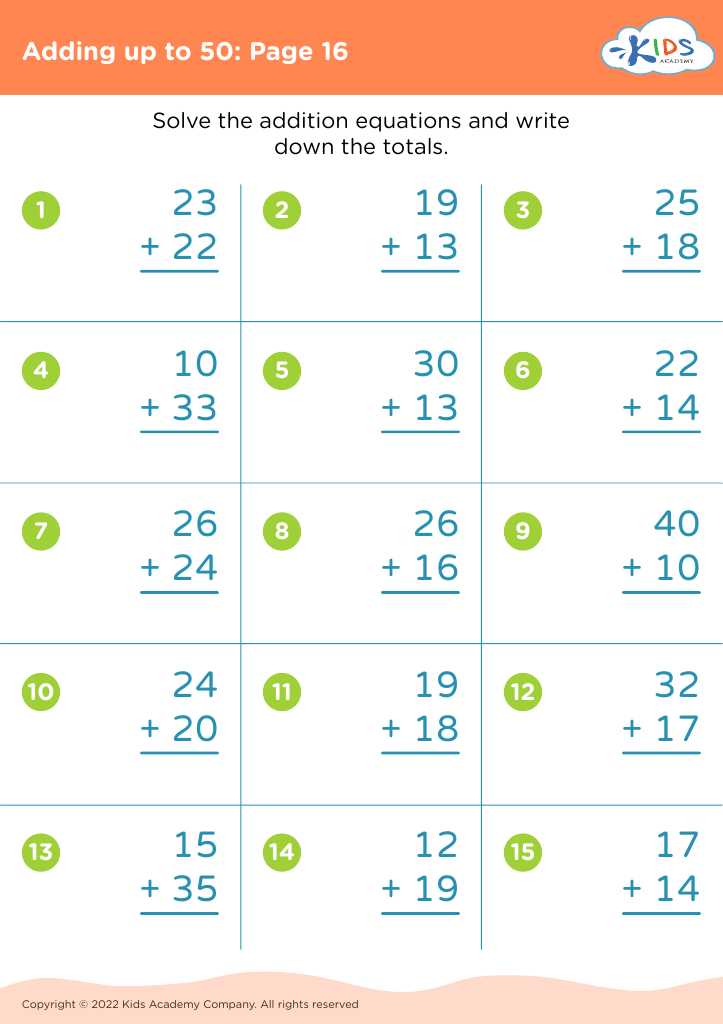
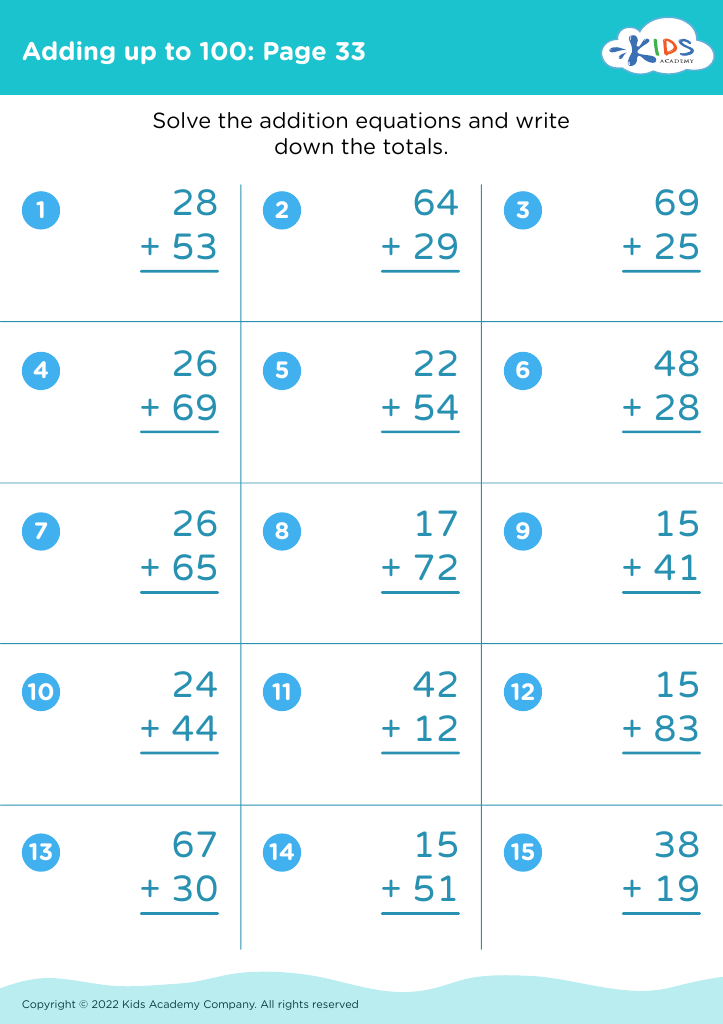
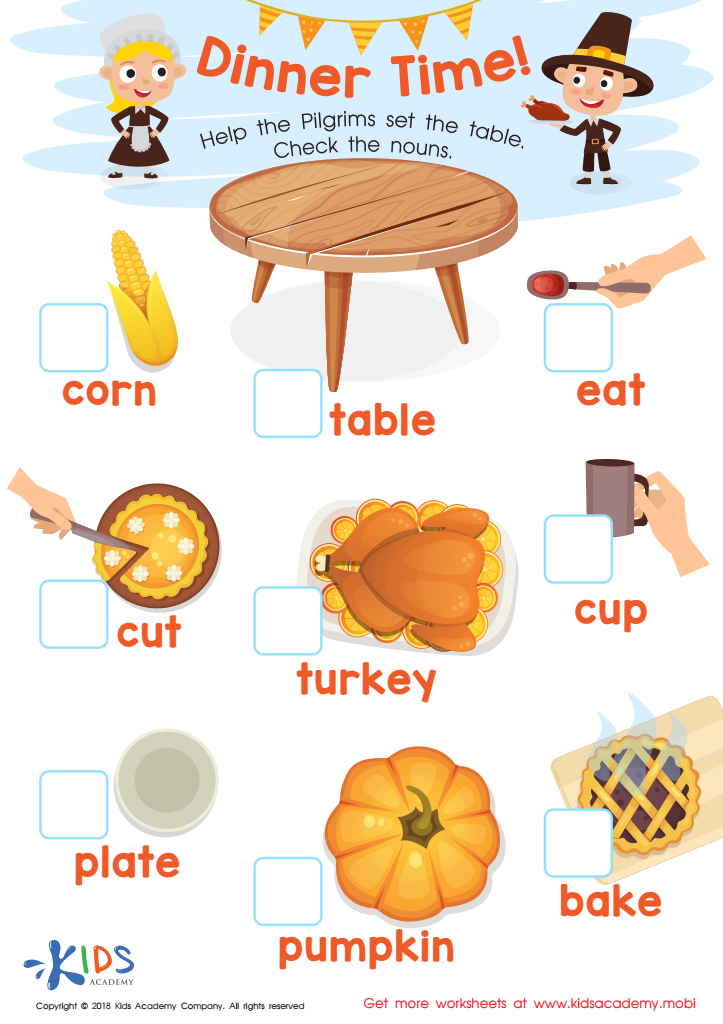
Dinner Time! Worksheet
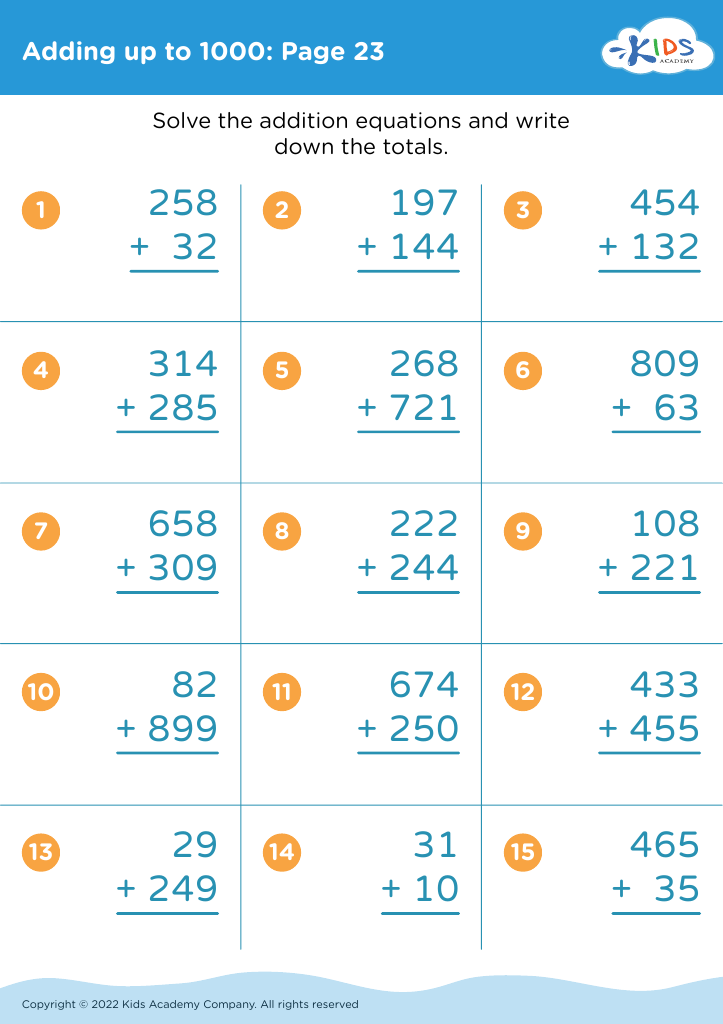
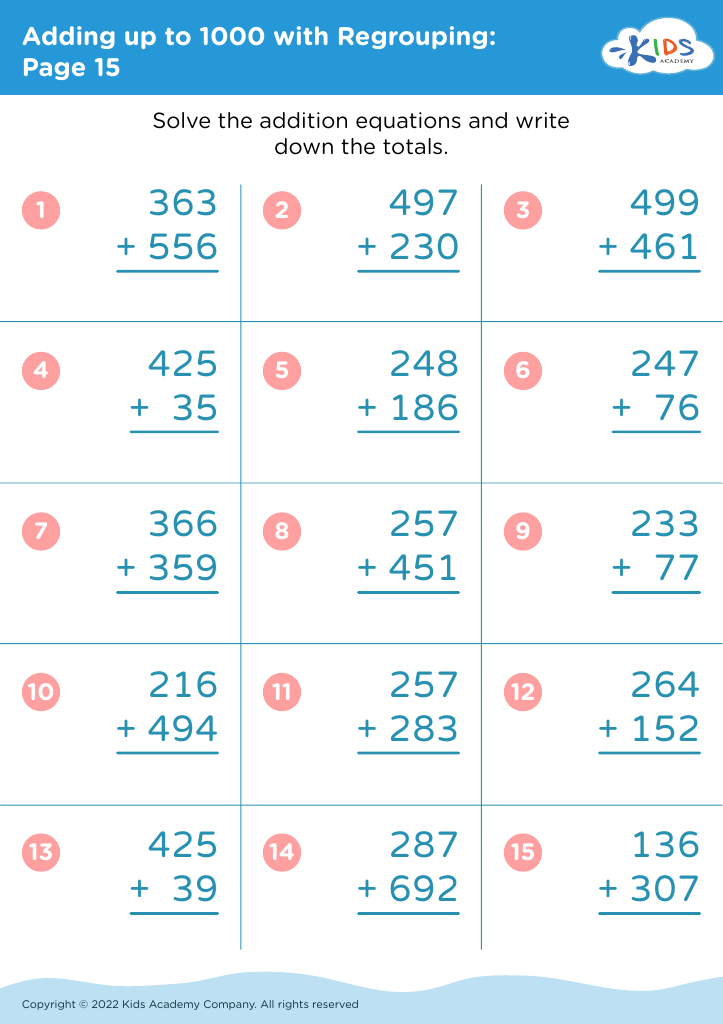
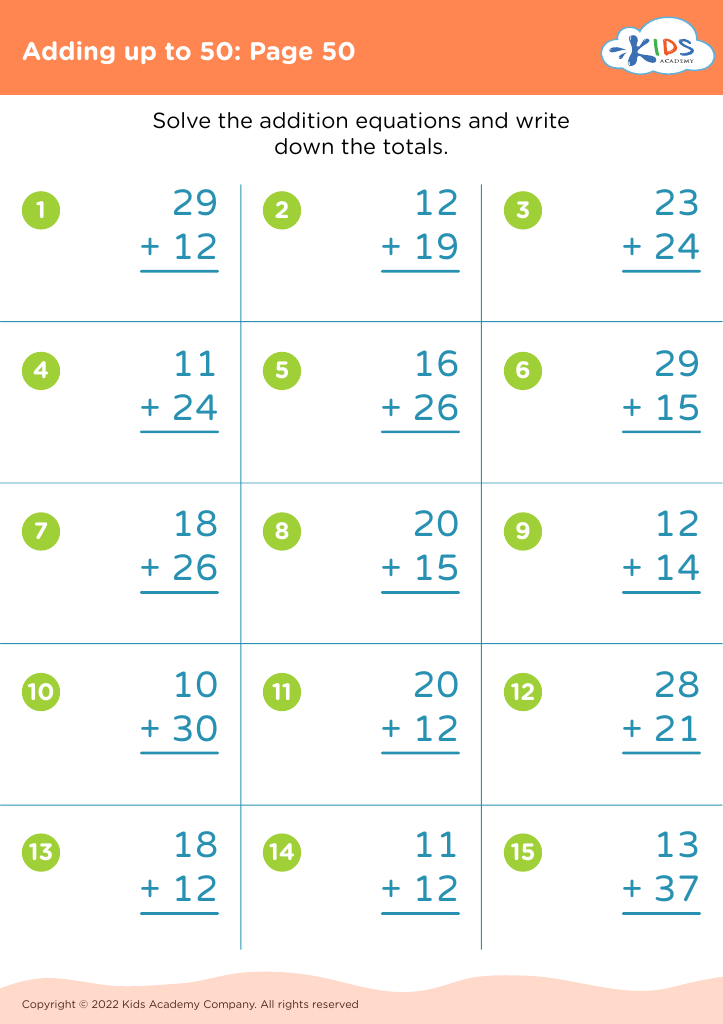








Understanding time is a crucial skill for children aged 8-9, as it shapes their daily routines and fosters independence. At this age, students transition from simply learning to tell time to applying that knowledge in real-world contexts. Mastery of time concepts helps them schedule their activities, manage homework, and develop a sense of responsibility.
As children gain proficiency in reading clocks and understanding time intervals, such as hours, minutes, and seconds, they also enhance their problem-solving skills. This foundational knowledge supports numerous academic subjects, including math, where they learn to calculate durations and timetables. Ultimately, grasping the concept of time encourages self-discipline and punctuality, critical traits as they approach later grades.
Furthermore, understanding time can strengthen social interactions and cooperative play. Kids learn to negotiate shared activities and understand the importance of valuing others' time. For parents and teachers, fostering an understanding of time helps children articulate plans and commitments, leading to greater accountability. Overall, nurturing this understanding enriches children’s development, laying essential groundwork for future learning and life skills. It is crucial for both parents and teachers to invest time in teaching children these principles to create well-rounded and responsible individuals.








