Visual discrimination skills Worksheets for Ages 8-9
4 filtered results
-
From - To
Enhance your child's visual discrimination skills with our engaging worksheets designed for ages 8-9! At Kids Academy, we understand the importance of recognizing differences in visual elements, shapes, and patterns for academic success. Our thoughtfully crafted worksheets provide a comprehensive approach to developing these essential skills through fun and interactive activities. Each worksheet is designed to challenge and stimulate young learners, fostering their ability to observe, compare, and analyze visual cues. Whether it's spot-the-difference puzzles or pattern identification tasks, our resources make learning enjoyable and effective. Give your child a head start in their educational journey and watch their confidence soar!
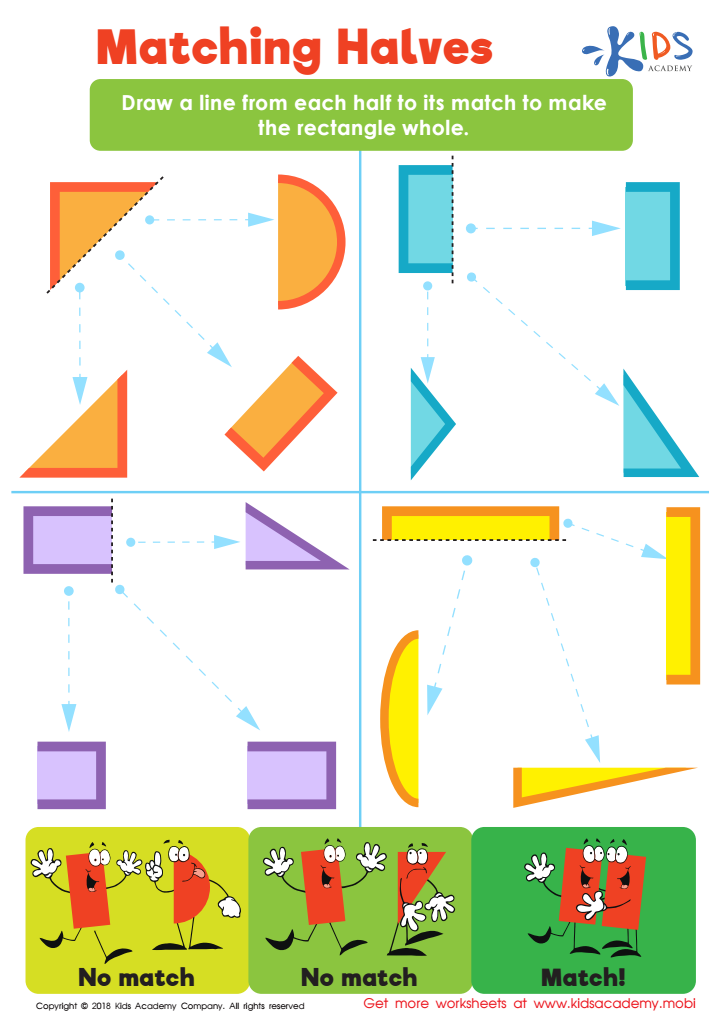
Matching Halves Worksheet
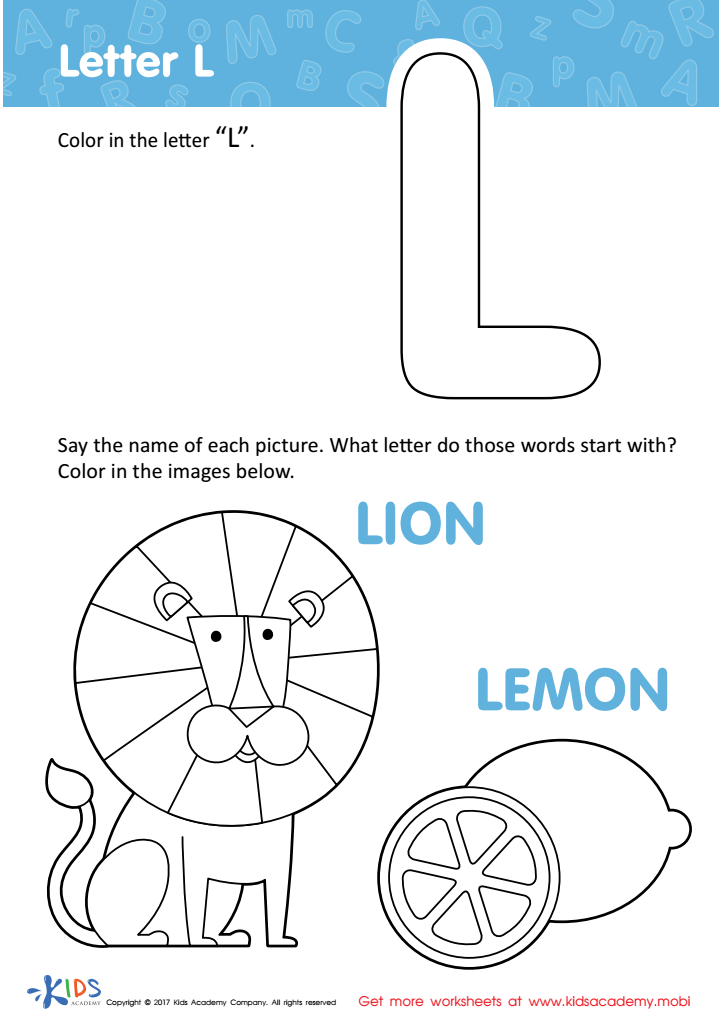
Letter L Coloring Sheet
 Assign to My Students
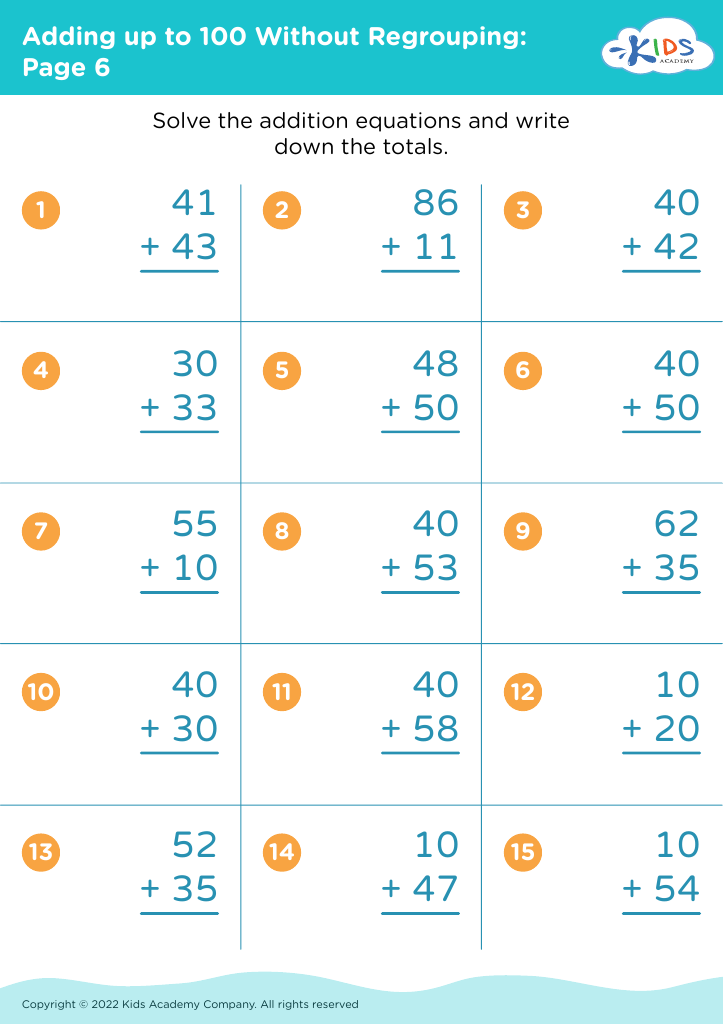
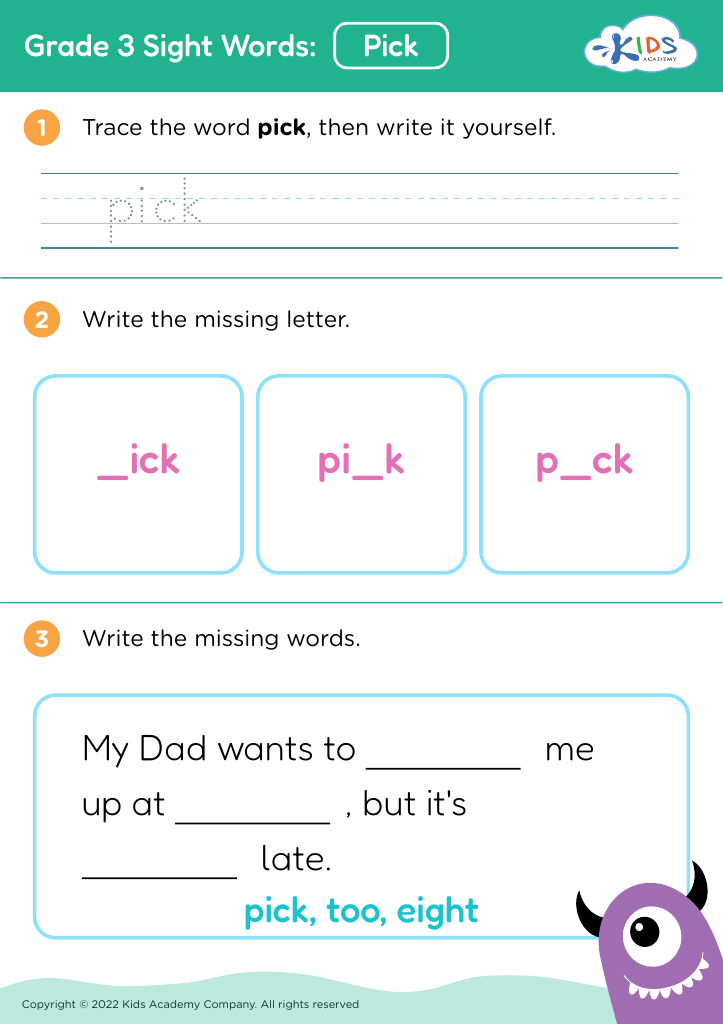








Visual discrimination skills are crucial for children aged 8-9 as they greatly influence academic success and daily functioning. These skills involve the ability to notice and differentiate visual elements, such as shapes, sizes, and colors. For young learners, enhanced visual discrimination supports reading and writing by enabling them to identify letters, words, and punctuation accurately. This skill is particularly essential when they encounter similar-looking letters like "b" and "d," which can impede their reading fluency and comprehension.
Furthermore, visual discrimination extends beyond academics. It plays an important role in subjects like math, where students must compare numbers and solve problems involving visual patterns. It also impacts everyday tasks, such as organizing school supplies and following instructions accurately.
Parents and teachers should invest time in fostering these skills through games, puzzles, and engaging activities. Early intervention can help prevent potential difficulties in learning and boost children's confidence and self-esteem. Ultimately, strong visual discrimination skills lay the foundation for lifelong learning, equipping children with the tools they need to succeed academically and navigate the world effectively. By prioritizing these skills, parents and teachers can promote overall cognitive development and readiness for future challenges.








